

Reefer FCL Demurrage Prevention for Machinery from China to New York
Shipping high-value equipment requires meticulous planning to avoid expensive delays at the port. If you are managing reefer FCL demurrage prevention for machinery from China to New York, you must understand how to navigate complex terminal rules. Importers often face thousands of dollars in unexpected costs due to simple documentation errors. Consequently, partnering with a reliable logistics provider like Top China Freight is the best way to ensure your cargo moves smoothly through the supply chain without incurring unnecessary penalties.
What is Reefer FCL Demurrage and Why is it Costly?
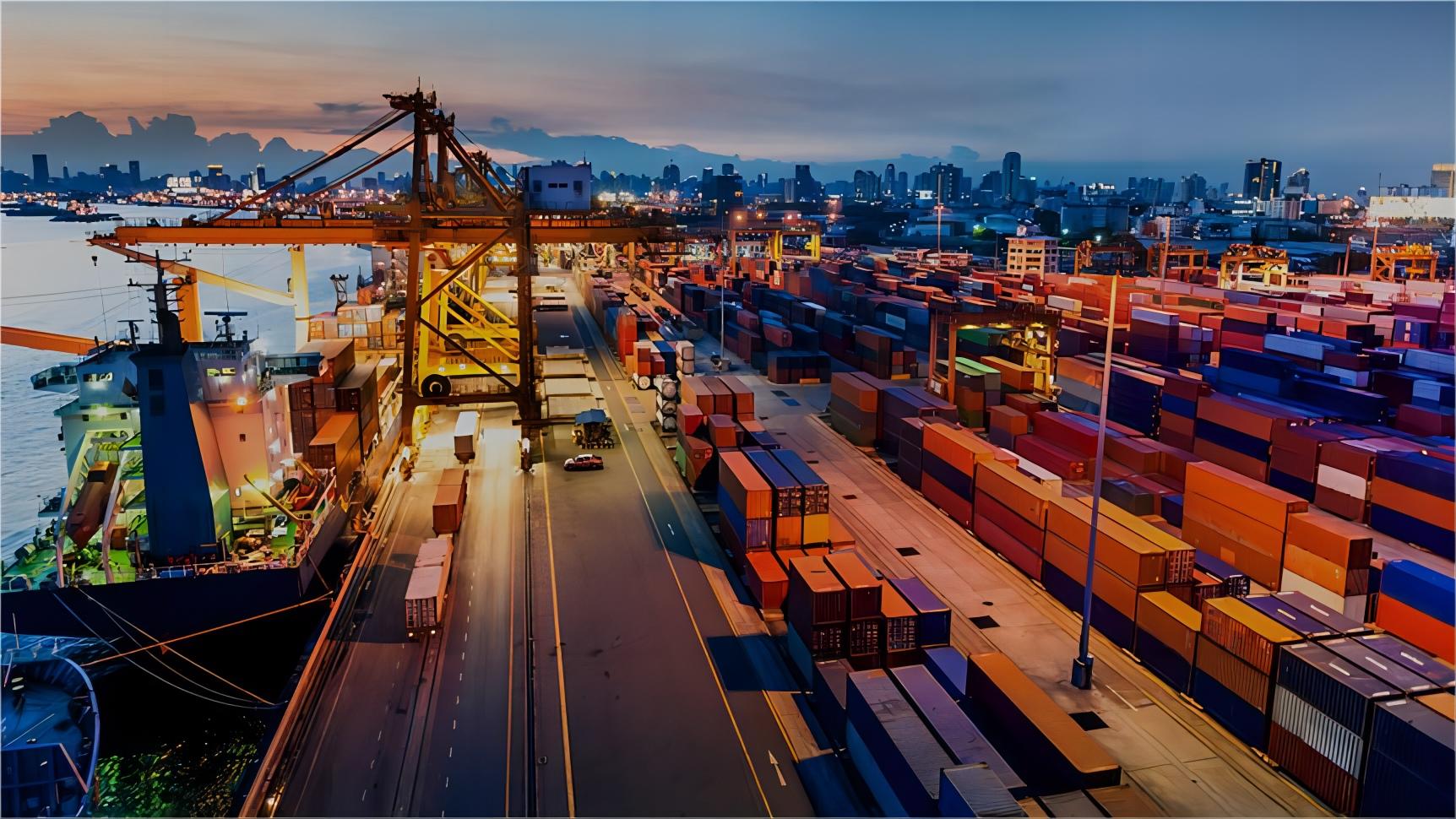
Demurrage refers to the fee charged by shipping lines when a container remains inside the terminal beyond the allotted free time. For refrigerated containers, these costs are significantly higher than standard dry vans because they require constant power and monitoring. Therefore, failing to pick up your machinery promptly can result in daily charges ranging from 150 to 400 USD per container.
Moreover, reefer units occupy specialized slots in the terminal that provide electrical connections. Since these slots are limited, port authorities and carriers impose strict timelines to maintain equipment turnover. If you do not prioritize reefer FCL demurrage prevention for machinery from China to New York, your landed costs will skyrocket.
Additionally, these fees often escalate the longer the container stays at the pier. Most carriers offer only 2 to 3 days of free time for temperature-controlled units compared to 5 or 7 days for dry cargo. Consequently, every hour counts when your shipment arrives at the Port of New York and New Jersey.
Common Causes of Delays for Machinery Shipments
One of the primary reasons for delays is the late submission of the Importer Security Filing or ISF. If this document is not filed at least 24 hours before the ship leaves China, your cargo will likely face a customs hold upon arrival. Furthermore, incorrect HS codes for specialized machinery can trigger intensive physical examinations by Customs and Border Protection.
Another frequent issue involves the lack of available chassis at the New York terminals. Even if your paperwork is perfect, a shortage of specialized trailers can prevent your trucker from pulling the container out of the port. Meanwhile, port congestion during peak seasons can add several days to the discharge process, eating into your limited free time.
In addition, communication gaps between the Chinese supplier and the US consignee often lead to missing original Bills of Lading. Without a proper release, the terminal will not allow the cargo to exit the gates. Therefore, ensuring all parties are aligned on the documentation flow is critical for success.
How Does Sea Freight Compare to Other Shipping Options?
Choosing the right transport mode is the first step in managing your logistics budget effectively. While sea freight is the most common method for heavy machinery, it is not the only option available for time-sensitive goods. However, the volume and weight of industrial equipment usually make other methods cost-prohibitive.
Specifically, air freight offers the fastest transit but comes with astronomical price tags for heavy reefer units. On the other hand, sea freight provides a balance of capacity and cost that suits large-scale machinery imports. Below is a detailed comparison of the viable options for the China to New York route.
Indeed, understanding these trade-offs allows you to make an informed decision based on your project timeline and budget constraints. Most machinery importers stick to FCL services to ensure the integrity of their sensitive equipment during the long transpacific journey.
| Shipping Method | Cost Range | Transit Time | Best For | Limitations |
|---|---|---|---|---|
| Reefer FCL | 4,500 – 6,500 USD | 30-35 Days | Sensitive Machinery | Port Congestion |
| Standard FCL | 3,500 – 5,000 USD | 30-35 Days | Durable Goods | No Temp Control |
| Air Freight | 15,000+ USD | 5-8 Days | Urgent Parts | High Weight Cost |
| LCL Shipping | 80-150 USD/CBM | 40-45 Days | Small Components | Handling Risks |
The Role of Professional Customs Brokerage
Navigating the legal requirements for US imports is a daunting task for many businesses. Utilizing a dedicated customs brokerage service is often the difference between a smooth release and a costly delay. These experts ensure that your machinery meets all EPA, DOT, or UL standards before the ship even arrives.
Furthermore, a broker can help you set up a continuous bond, which speeds up the entry process for frequent importers. This proactive approach ensures that the ‘Ready for Pickup’ status is achieved within hours of vessel discharge. Consequently, you can avoid the dreaded demurrage clock from starting its countdown.
Moreover, they can advise on duty drawback programs or tariff exclusions that might apply to your specific machinery types. By optimizing the financial side of the import, you protect your company from both fees and excessive taxes. Indeed, professional oversight is a cornerstone of effective reefer FCL demurrage prevention for machinery from China to New York.
Strategies for Maximizing Free Time at New York Ports
Negotiating extended free time at the point of booking is a powerful strategy for any importer. While standard terms are short, a freight forwarder with strong carrier relationships can often secure 5 to 7 days of free time. This extra cushion is invaluable when dealing with the logistical hurdles of North America port operations.
Additionally, you should always request a ‘Pre-Pull’ service from your trucking company. This involves moving the container from the terminal to a private yard near the port before the free time expires. Although this incurs a small storage fee, it is significantly cheaper than paying terminal demurrage rates.
Subsequently, ensure that your warehouse is ready to receive the machinery the moment it clears customs. Delays at the destination warehouse can ripple back to the port, causing detention charges on the container equipment. Therefore, synchronized scheduling between the port and the final delivery site is essential.
Which Option Should You Choose? Decision Framework
Determining the best shipping strategy depends on your specific priorities regarding cost, speed, and safety. If your machinery is extremely sensitive to humidity or temperature fluctuations, Reefer FCL is the only logical choice despite the higher fees. However, if the equipment is ruggedized, a standard dry container might suffice.
Furthermore, consider the volume of your shipments. For large projects, chartering a portion of a vessel or using multiple FCL containers is more efficient than LCL. In contrast, if you are only shipping a single prototype, air freight might be justified to meet a strict product launch deadline.
To summarize, evaluate your needs based on the following criteria: budget constraints, transit time requirements, and the technical specifications of the machinery. Always consult with a logistics expert to verify the current market conditions and equipment availability in China’s major ports.
Case Study 1: Precision CNC Machinery from Shanghai
A manufacturer in Shanghai needed to ship three high-precision CNC machines to a facility in New York. Because the electronics were sensitive to extreme heat during the transit through the Panama Canal, they opted for reefer FCL. However, they were concerned about the high demurrage rates at the New York terminals.
By utilizing a door to door service, the importer integrated their customs clearance and trucking. This allowed the container to be picked up within 24 hours of being grounded at the terminal. As a result, they successfully avoided all demurrage and detention fees.
Case Study 1: CNC Machinery Success Route: Shanghai, China to New York, USA Cargo: Precision CNC Machines, 25 CBM, 12,000 kg Container: 40HQ Reefer Shipping Details: – Carrier: COSCO – Port of Loading: Shanghai – Port of Discharge: New York (Maher Terminals) – Route Type: Direct via Panama Canal Cost Breakdown: – Ocean Freight: 5,400 USD – Origin Charges: 450 USD – Destination Charges: 800 USD – Customs and Duties: 1,200 USD – Total Landed Cost: 7,850 USD Timeline: – Booking to Loading: 5 days – Sea Transit: 31 days – Customs Clearance: 2 days – Total Door-to-Door: 38 days Key Insight: Pre-filing ISF and securing a dedicated chassis 48 hours in advance prevented all port delays.
Case Study 2: Industrial Cooling Systems from Shenzhen
An engineering firm in New York imported industrial cooling components from Shenzhen during the peak Q4 season. Due to high demand, equipment availability was low, and port congestion was at its highest level of the year. The shipment faced a potential 10-day delay due to a lack of reefer-capable trucks.
Specifically, the team decided to use a transload strategy at a warehouse near the port. They emptied the reefer container immediately and returned the empty equipment to the carrier to stop the detention clock. Consequently, they saved over 2,000 USD in potential equipment fees.
Case Study 2: Industrial Cooling Components Route: Shenzhen, China to New York, USA Cargo: Industrial Chillers, 18 CBM, 8,500 kg Container: 20GP Reefer Shipping Details: – Carrier: MSC – Port of Loading: Yantian – Port of Discharge: Port Newark – Route Type: Transshipment via Savannah Cost Breakdown: – Ocean Freight: 4,200 USD – Origin Charges: 380 USD – Destination Charges: 950 USD – Customs and Duties: 900 USD – Total Landed Cost: 6,430 USD Timeline: – Booking to Loading: 7 days – Sea Transit: 35 days – Customs Clearance: 3 days – Total Door-to-Door: 45 days Key Insight: Using a nearby warehouse for immediate de-vanning saved the importer from escalating reefer detention charges during peak season.
Essential Documentation for Seamless Machinery Imports
Accuracy in documentation is the backbone of reefer FCL demurrage prevention for machinery from China to New York. You must provide a clear Commercial Invoice that lists the value, country of origin, and detailed description of the goods. Furthermore, a Packing List that matches the container’s contents exactly is required for customs inspections.
In addition, for machinery, you may need to provide technical drawings or specification sheets to justify the HS code used. If your shipment requires urgent handling, consider using an express service for the courier of original documents. Alternatively, ask your carrier for a Sea Waybill to allow for telex release and avoid the need for physical paperwork.
Moreover, ensure that the wood packaging materials used in the crate meet ISPM 15 heat-treatment standards. Failure to provide the proper fumigation certificates can lead to the cargo being refused entry and sent back to China. Therefore, verifying every detail before the container is sealed is a mandatory step for any serious importer.
Market Trends and Freight Rates for 2025
As we move into 2025, freight rates for reefer containers are expected to remain volatile due to shifting global trade routes. While capacity has increased, fuel surcharges and environmental regulations are putting upward pressure on base rates. Typically, shipping a 40HQ reefer from China to New York will cost between 5,000 and 7,000 USD depending on the season.
Furthermore, the adoption of smart containers with real-time GPS and temperature tracking is becoming an industry standard. These tools provide importers with better visibility, allowing them to plan the drayage more accurately. Consequently, the risk of unexpected demurrage is slightly reduced for those using modern logistics technology.
Note: Freight rates are subject to change based on fuel costs, carrier capacity, and seasonal demand. Contact us for a current quote tailored to your specific shipment. Staying informed about these trends is vital for maintaining a competitive edge in the machinery market.
Final Thoughts on Preventing Reefer Demurrage
Successfully managing reefer FCL demurrage prevention for machinery from China to New York requires a proactive and detailed approach. By understanding the causes of delays and implementing strategic documentation practices, you can protect your bottom line. Transitioning to a more integrated logistics model will provide the transparency needed to avoid port penalties.
Remember that communication is the most important tool in your arsenal. Work closely with your freight forwarder, customs broker, and trucking partners to ensure every step of the journey is synchronized. With the right planning, your machinery will arrive in New York safely, on time, and within budget.
Ready to streamline your logistics?
Are you ready to optimize your supply chain and eliminate hidden costs? Contact our experts today to secure the best rates for reefer FCL demurrage prevention for machinery from China to New York. Send Inquiry
Request Quote