

40HQ FCL detention prevention for lighting from China to Italy: Expert Guide
Shipping large volumes of luminaires requires a strategic approach to 40HQ FCL detention prevention for lighting from China to Italy to avoid unexpected costs. Many importers struggle with high fees at Italian ports like Genoa or La Spezia due to delayed container returns. By partnering with Top China Freight, you can streamline your logistics and ensure your lighting products reach their destination without financial penalties. This comprehensive guide explores the best practices for managing your shipping schedule and documentation effectively.
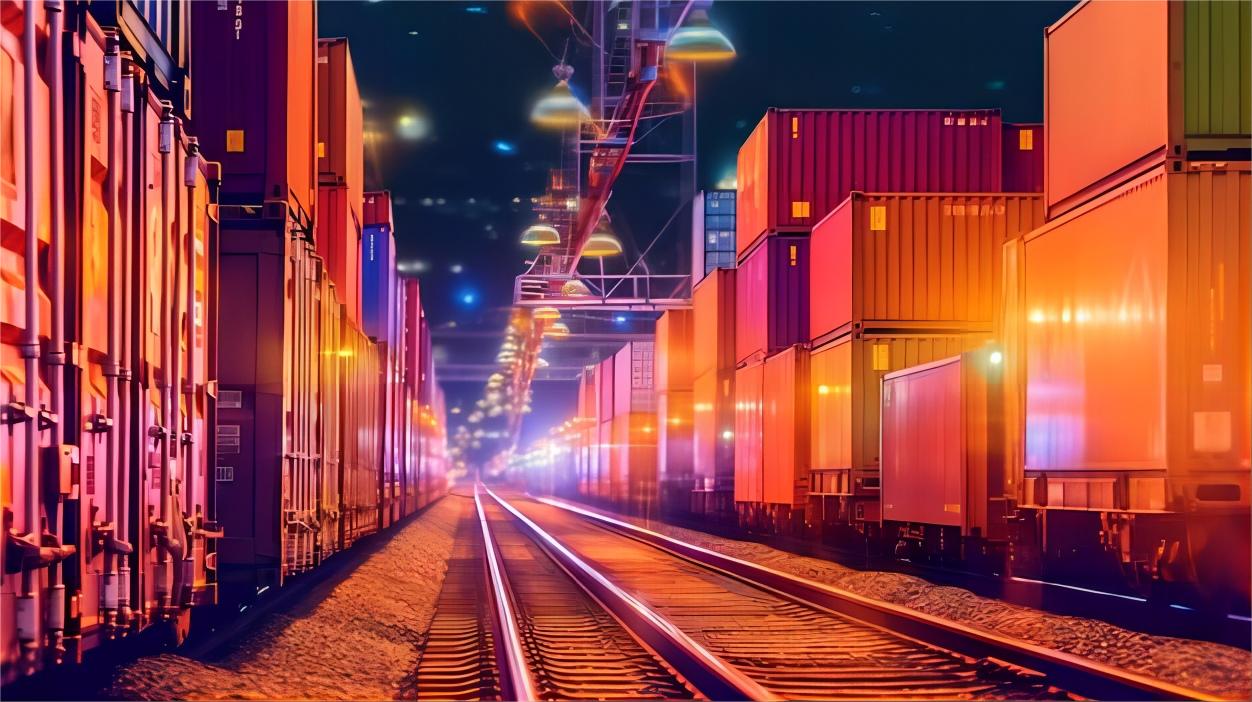
Why 40HQ FCL detention prevention for lighting from China to Italy matters
Managing detention fees is a critical component of maintaining a healthy profit margin when importing lighting fixtures from Chinese factories. Detention charges occur when the importer holds the container outside the port terminal beyond the agreed free time period. For lighting shipments, which often involve multiple fragile items and complex unloading processes, these delays can accumulate quickly.
Consequently, the financial impact on your business can be severe if you do not implement a proactive prevention strategy. Standard daily rates for detention in Italy can range from 80 to 150 USD per container after the free period expires. Furthermore, these costs are often not included in the initial freight quote, leading to significant budget overruns.
Importers must recognize that the lighting industry faces unique challenges, such as delicate cargo handling and strict regulatory compliance. Therefore, ensuring that your 40HQ FCL detention prevention for lighting from China to Italy is robust will protect your supply chain from unnecessary disruptions. Professional logistics planning is the most effective way to mitigate these risks and ensure timely delivery.
Understanding Detention vs Demurrage in the Italy-China Route
Distinguishing between demurrage and detention is essential for any business engaged in international trade between China and Europe. Demurrage refers to the fee charged by the carrier when a container stays inside the port terminal longer than the allowed free time. In contrast, detention applies once the container has been picked up but is not returned to the empty depot within the specified window.
Carriers operating on the route from China to Europe typically offer a combined free time period or separate windows for each charge. Moreover, Italian ports are known for specific peak season congestion that can make timely container returns challenging for unprepared importers. Understanding these local nuances allows you to plan your inland transportation more accurately.
Therefore, you should always verify the specific terms provided by your shipping line before the cargo leaves the Port of Shanghai or Shenzhen. Additionally, requesting extended free time during the booking phase is a common tactic used by experienced shippers to provide a safety buffer. This proactive approach is a cornerstone of effective 40HQ FCL detention prevention for lighting from China to Italy.
How Does Sea Freight Compare to Other Shipping Options?
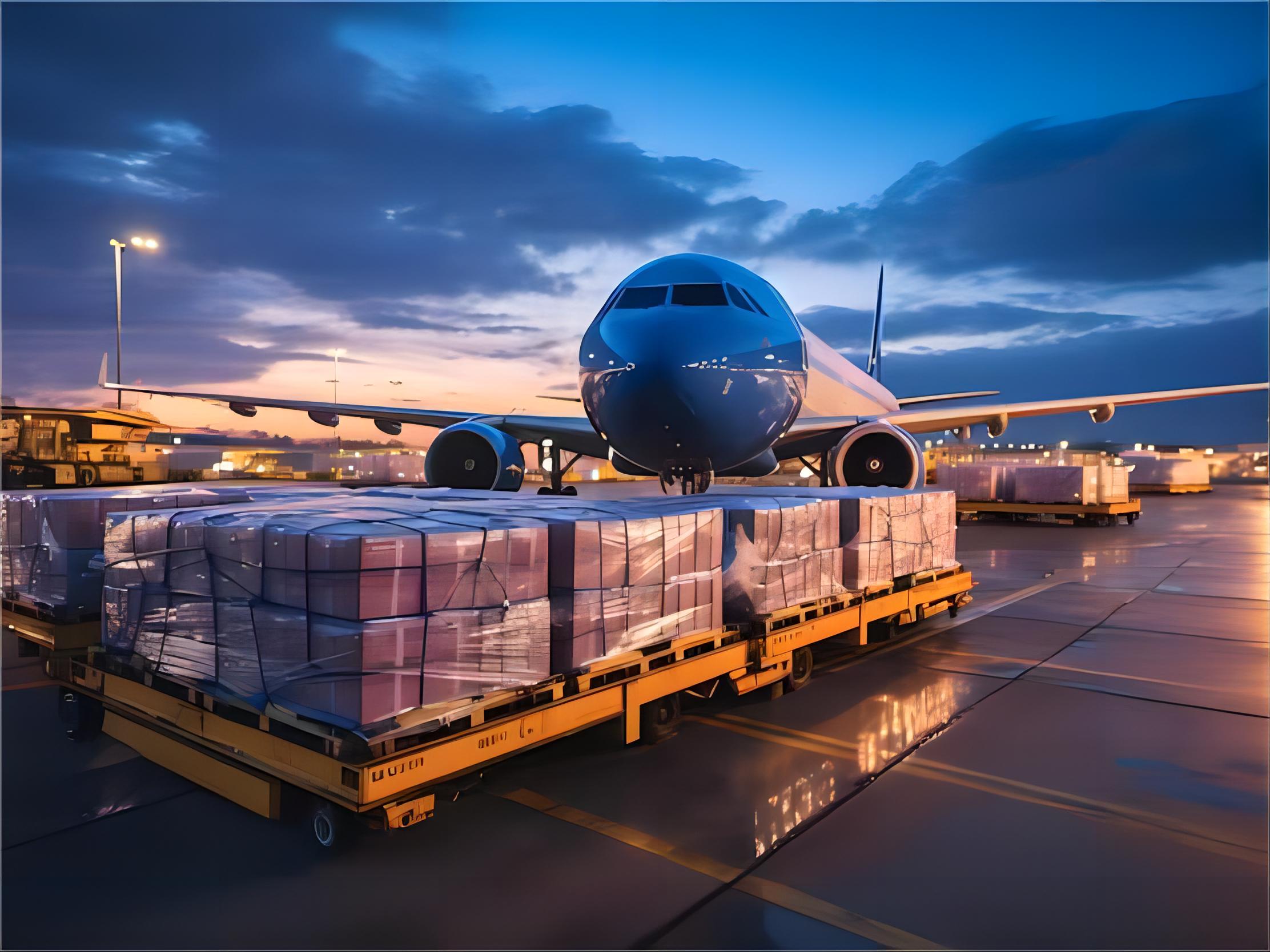
While sea freight is the most popular choice for 40HQ containers, it is not the only method available for transporting lighting products. Depending on your budget and urgency, you might consider rail or air transport to meet your delivery deadlines. Each method has distinct advantages and limitations regarding cost, speed, and risk of delays.
Specifically, rail freight has emerged as a viable middle ground for shippers looking for faster transit times than sea but lower costs than air. Nevertheless, the capacity for rail is often more limited, and it may not be suitable for the largest 40HQ volumes during peak demand. Evaluating these alternatives is vital for optimizing your overall logistics strategy and avoiding the bottlenecks associated with maritime shipping.
| Shipping Method | Cost Range (40HQ) | Transit Time | Best For |
|---|---|---|---|
| Sea Freight | $3,000 – $4,200 | 30-35 Days | Bulk Lighting Orders |
| Rail Freight | $4,500 – $6,000 | 18-22 Days | Time-Sensitive Stock |
| Air Freight | $15,000 – $25,000 | 5-7 Days | Urgent Samples/Parts |
| Express | $20,000+ | 3-5 Days | Small High-Value Items |
Essential Documentation for Lighting Imports to Italy
Preparing the correct paperwork is a non-negotiable step in 40HQ FCL detention prevention for lighting from China to Italy. Incomplete or inaccurate documentation is one of the leading causes of customs delays at Italian ports. When containers are stuck in customs, the free time clock continues to tick, leading to high detention and demurrage fees.
Importers must ensure that they have a valid Commercial Invoice, Packing List, and Bill of Lading ready well before the vessel arrives. Furthermore, lighting products must comply with European CE marking requirements and RoHS directives to pass inspection. Utilizing a professional customs brokerage service can help you navigate these complex regulatory hurdles efficiently.
Additionally, a Certificate of Origin may be required to benefit from specific trade agreements or to verify the manufacturing source. Consequently, you should coordinate closely with your Chinese supplier to ensure all technical specifications and safety certificates are included. This level of preparation significantly reduces the likelihood of your 40HQ container being flagged for additional scrutiny.
Best Practices for Loading 40HQ Containers with Lighting
Optimizing the internal space of a 40HQ container is about more than just volume; it is about protecting the cargo. Lighting fixtures are often fragile and require specialized packaging to prevent damage during the long journey from China to Italy. Properly secured cargo speeds up the unloading process at the destination warehouse, which is vital for timely container return.
Specifically, you should use high-quality pallets and shrink-wrap to stabilize the boxes within the container. Moreover, labeling each pallet clearly with its contents and handling instructions will assist the warehouse team in Italy. Efficient unloading directly contributes to 40HQ FCL detention prevention for lighting from China to Italy by ensuring the container is emptied within the free period.
Indeed, many importers overlook the importance of the destination warehouse’s capabilities when planning their shipment. You should confirm that your facility has the necessary equipment and labor to handle a 40HQ container’s volume quickly. Without a streamlined door to door process, the risk of detention remains high regardless of how fast the ship travels.
Which Option Should You Choose? Decision Framework
Choosing the right shipping strategy depends on your specific business priorities, such as cost reduction or speed of delivery. If your primary goal is to minimize expenses, sea freight remains the most economical choice for large lighting shipments. However, you must account for the longer transit time and potential for port congestion by building extra time into your schedule.
Alternatively, if you are facing a stockout or a project deadline, rail freight offers a faster route to Italy via the Silk Road. While the cost is higher, the reduced transit time can save you money in lost sales and provide better inventory turnover. For the highest value or most urgent components, air freight is the only option that guarantees delivery within a week.
Ultimately, a hybrid approach often works best for growing lighting brands. You might ship the bulk of your inventory via sea while using air or rail for new product launches or urgent replacements. This balanced strategy ensures that you meet customer demand without overextending your logistics budget or risking heavy detention fees.
Real-World Case Studies: Avoiding Detention Costs
Examining real-world scenarios provides valuable insights into the practical application of 40HQ FCL detention prevention for lighting from China to Italy. These examples highlight how different companies managed their logistics to avoid penalties. Based on Q4 2024 market rates, these cases reflect the current shipping environment for the China-Italy trade lane.
Case Study 1: A Milan-based retailer imported 40HQ of LED panels from Shenzhen to Genoa. By negotiating 14 days of combined free time and using a pre-cleared customs process, they returned the container in 10 days. The total ocean freight was $3,200, and they avoided all detention charges through precise coordination with their local drayage provider.
Case Study 2: An industrial lighting manufacturer shipped from Ningbo to La Spezia using a transshipment route. Despite a 5-day delay at the transshipment port, they utilized a professional customs broker to finalize paperwork while the ship was still at sea. Consequently, they cleared customs in 24 hours and avoided the $120 per day detention fee that would have otherwise applied.

Managing Italian Customs Clearance to Minimize Delays
Italian customs procedures can be rigorous, particularly for electrical goods like lighting that must meet strict safety standards. Any discrepancy in the declared value or product description can lead to a physical inspection, which often takes several days. During this time, your 40HQ container sits at the port, consuming your precious free time and increasing the risk of demurrage.
Therefore, it is imperative to work with a logistics partner who understands the local regulations at ports like Trieste or Naples. They can help you classify your goods under the correct HS codes and ensure all duties and taxes are calculated accurately. Providing clear, high-resolution photos of the products and their labels can also help customs officers process your shipment more quickly.
Furthermore, you should consider the timing of your shipment’s arrival. Italian ports may have reduced staffing during national holidays or specific local festivals, which can slow down clearance times. Planning your arrival for the middle of the work week rather than the weekend can often result in faster processing and better 40HQ FCL detention prevention for lighting from China to Italy.
Negotiating Container Free Time with Carriers
Negotiating for extended free time is one of the most effective ways to provide a safety net for your lighting shipments. While standard free time is often 5 to 7 days, many carriers are willing to offer 14 or even 21 days for high-volume shippers. This extra time is invaluable if you encounter unexpected delays at the warehouse or with inland transportation.
Moreover, you should make this request at the time of booking, as it is much harder to extend free time once the container has arrived. Your freight forwarder can leverage their relationship with the shipping lines to secure these better terms on your behalf. This is a key strategy for 40HQ FCL detention prevention for lighting from China to Italy that requires no additional capital investment.
Additionally, ensure that the agreed free time is clearly stated on your Bill of Lading to avoid disputes at the destination. Sometimes, there is a disconnect between the origin office and the destination agent regarding the specific terms of the shipment. Having written documentation prevents these administrative errors from turning into costly detention invoices.
Logistics Trends in 2025 for China-Italy Shipping
Staying informed about industry trends is essential for long-term supply chain success and 40HQ FCL detention prevention for lighting from China to Italy. As of early 2025, we are seeing an increased adoption of digital tracking tools that provide real-time visibility into container movements. These tools allow importers to anticipate delays and adjust their warehouse schedules accordingly.
Furthermore, the push for greener shipping is leading to changes in vessel speeds and port operations. While this may slightly increase transit times, it also encourages more predictable scheduling, which helps in planning container returns. Importers who embrace these technological shifts will be better positioned to manage their costs and avoid the pitfalls of detention.
Finally, the diversification of ports in Italy is providing more options for shippers. While Genoa remains a primary hub, smaller ports are offering competitive rates and faster turnaround times for specific types of cargo. Exploring these alternative gateways can be a smart move for lighting companies looking to optimize their Italian distribution network.
Mastering Your Lighting Logistics
Successful 40HQ FCL detention prevention for lighting from China to Italy requires a combination of careful planning, accurate documentation, and strong partnerships. By understanding the difference between detention and demurrage and negotiating better terms with carriers, you can significantly reduce your shipping overhead.
Remember that the lighting industry’s unique requirements demand a specialized approach to cargo handling and customs compliance. Whether you choose sea, rail, or air freight, staying proactive is the key to maintaining a smooth and profitable supply chain. Implement these strategies today to ensure your containers are always returned on time.
Ready to streamline your logistics?
Stop wasting money on avoidable container fees. Contact our expert team at Top China Freight today to secure the best rates and professional support for your 40HQ FCL detention prevention for lighting from China to Italy. We provide tailored logistics solutions that keep your lighting business moving efficiently.
Request Quote