

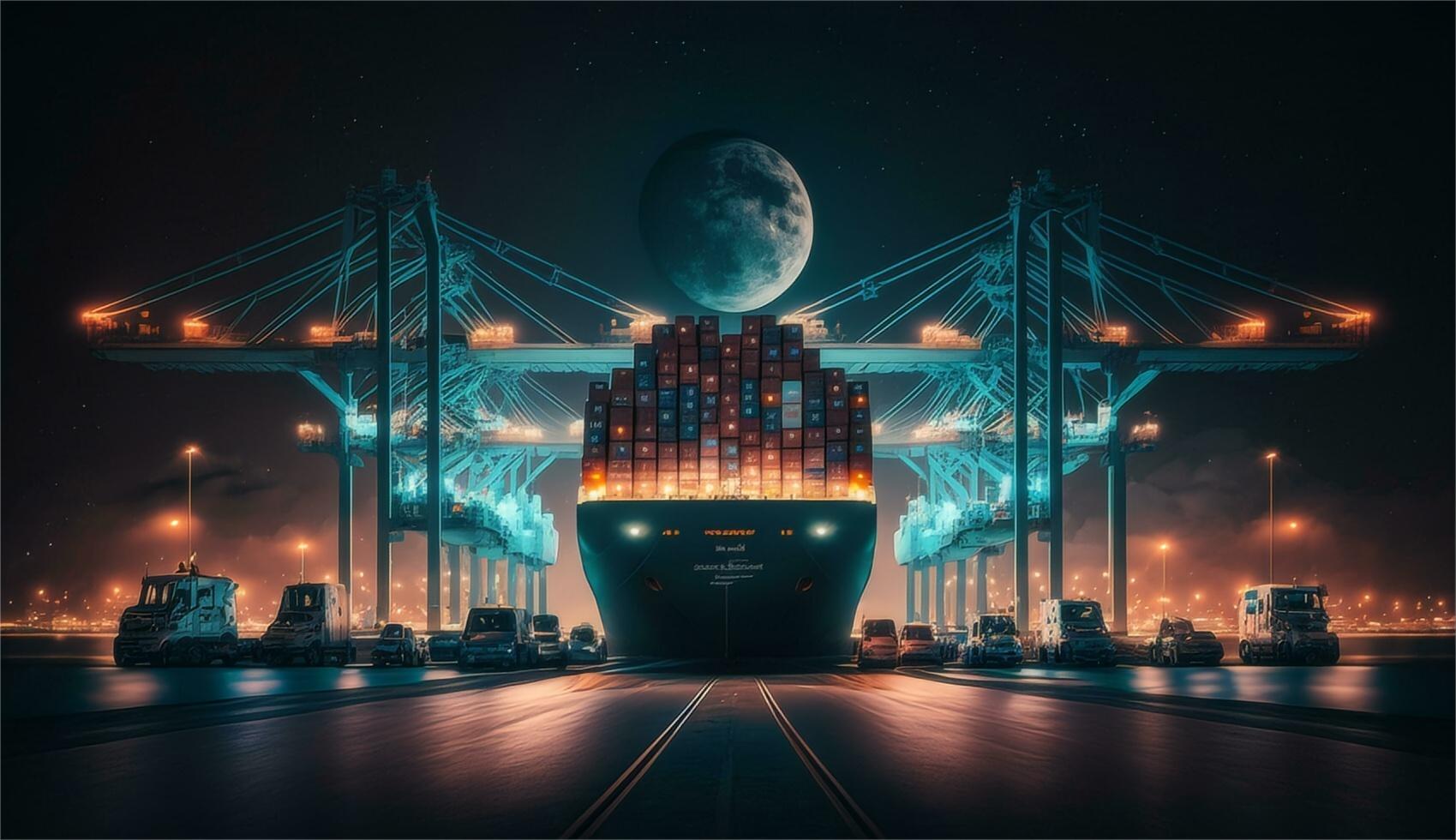
Open Top FCL detention prevention for hardware tools from China to Poland
Shipping heavy industrial equipment requires specialized equipment and precise timing to avoid unnecessary costs. Many importers struggle with Open Top FCL detention prevention for hardware tools from China to Poland because of complex unloading requirements at the destination. By partnering with a professional logistics provider like Top China Freight, you can streamline your supply chain and eliminate the risk of expensive daily penalties at Polish ports.
Understanding Open Top FCL detention prevention for hardware tools from China to Poland
Open top containers provide the necessary flexibility for loading oversized hardware tools that cannot fit into standard dry vans. However, these specialized units often come with shorter free-time periods at the port of discharge in Poland. Consequently, importers must act quickly once the vessel arrives to avoid detention charges that can exceed hundreds of dollars per day.
Detention occurs when the consignee holds the empty container outside the port area beyond the agreed-upon free days. Therefore, planning your inland transport before the ship even leaves China is a critical step in the process. Efficient coordination ensures that the container returns to the carrier within the allotted window.
Moreover, hardware tools often require specialized cranes or forklifts for unloading at Polish warehouses. If your facility is not prepared for an open-top delivery, the container will sit idle, leading to mounting costs. Proper preparation is the foundation of effective detention management.
Why Hardware Shipments Face High Detention Risks
Hardware tools such as lathes, industrial drills, and heavy presses are notoriously difficult to move quickly. Because these items often require top-loading via crane, the unloading process takes significantly longer than standard palletized cargo. This delay is a primary driver of detention issues for shipments arriving in Gdansk or Gdynia.
Furthermore, customs inspections for industrial machinery can be more rigorous compared to consumer goods. If the customs brokerage process encounters a snag, the container stays on the chassis, and the detention clock keeps ticking. Indeed, many importers underestimate the time required for technical documentation review.
Additionally, the availability of specialized trailers in Poland can be limited during peak seasons. If you cannot secure a truck to pick up the open-top container immediately, you will face daily penalties from the shipping line. Planning for these equipment shortages is essential for maintaining your budget.
How Does Open Top FCL Compare to Other Shipping Options?
Choosing the right shipping method is vital for balancing speed and cost-efficiency. While sea freight is the standard for heavy hardware, other modes offer different advantages depending on your specific timeline. Comparing these options helps you decide if the risk of detention on an open-top container is worth the lower freight rate.
Rail transport has become a popular alternative for moving goods from China to Europe due to its stability. Although it is more expensive than ocean freight, it often offers more predictable schedules. This predictability can simplify the task of avoiding detention and demurrage fees.
Specifically, analyzing the total landed cost is the only way to make an informed decision. You must factor in the potential for extra fees when calculating the ROI of your hardware imports. The following table provides a clear breakdown of the most common shipping methods for this route.
| Shipping Method | Cost Range | Transit Time | Best For |
|---|---|---|---|
| Sea Freight (FCL) | $3,000 – $4,500 | 35 – 45 Days | Heavy/Oversized Cargo |
| Rail Freight | $5,500 – $7,500 | 18 – 22 Days | Time-Sensitive Tools |
| Air Freight | $12,000+ | 5 – 8 Days | Emergency Spare Parts |
| LCL Shipping | $150 – $300/CBM | 40 – 50 Days | Small Tool Batches |

Strategic Planning for Customs Clearance in Poland
Customs delays are one of the most frequent causes of container detention in Poland. To prevent this, you should ensure that all HS codes for your hardware tools are verified and accurate before the cargo departs China. Incorrect classification can lead to lengthy audits and physical inspections that keep the container trapped at the terminal.
Nevertheless, working with an experienced agent can expedite the release of your goods. They will manage the VAT and duty payments through the Polish system, allowing for a smoother transition to the final delivery stage. Proactive communication with your broker is a proven strategy for reducing dwell time.
Specifically, you should provide the bill of lading, commercial invoice, and packing list at least one week before the vessel arrives. This early submission allows the broker to flag any potential issues before they become costly problems. Speed in documentation equals savings in logistics.
Case Study 1: Industrial Hardware via Gdansk
Case Study 1: Heavy Machinery Parts to Warsaw. Route: Shanghai, China to Gdansk, Poland. Cargo: Industrial CNC Machine Parts, 18 CBM, 12,500 kg. Container: 40ft Open Top. Shipping Details: Carrier: COSCO, Port of Loading: Shanghai, Port of Discharge: Gdansk, Route Type: Direct.
Cost Breakdown: Ocean Freight: $4,200, Origin Charges: $450, Destination Charges: $600, Customs and Duties: $1,200, Total Landed Cost: $6,450. Timeline: Booking to Loading: 5 days, Sea Transit: 38 days, Customs Clearance: 2 days, Total Door-to-Door: 45 days.
Key Insight: By pre-booking a specialized crane truck in Warsaw three weeks in advance, the importer returned the open-top container within 3 days of arrival. Consequently, they avoided $1,500 in potential detention fees that typically occur with heavy machinery delays.
Case Study 2: Hydraulic Tooling to Gdynia
Case Study 2: Hydraulic Press Units. Route: Ningbo, China to Gdynia, Poland. Cargo: Hydraulic Press Tools, 12 CBM, 8,000 kg. Container: 20ft Open Top. Shipping Details: Carrier: Maersk, Port of Loading: Ningbo, Port of Discharge: Gdynia, Route Type: Transshipment via Bremerhaven.
Cost Breakdown: Ocean Freight: $2,900, Origin Charges: $380, Destination Charges: $550, Customs and Duties: $950, Total Landed Cost: $4,780. Timeline: Booking to Loading: 4 days, Sea Transit: 42 days, Customs Clearance: 3 days, Total Door-to-Door: 49 days.
Key Insight: The importer utilized a door to door service package which included 14 days of combined free time. This buffer was essential when a minor documentation error delayed the final delivery by four days. Note: Freight rates are subject to change based on fuel costs and seasonal demand.
Utilizing Rail Freight for Faster Turnaround
When time is of the essence, rail freight offers a compelling middle ground between sea and air. The New Silk Road connection between China and Poland typically terminates in Malaszewicze, providing a direct gateway to the Polish market. This route significantly reduces the transit time compared to the traditional sea voyage around the Cape of Good Hope.
Furthermore, rail terminals often have different detention structures than maritime ports. While you still need to return equipment promptly, the inland nature of rail hubs can sometimes offer more flexible pick-up windows. This flexibility is particularly beneficial for hardware importers who need to coordinate complex offloading schedules.
However, you must ensure that your hardware is properly secured for rail transport. The vibrations and movements on a train differ from those on a ship, requiring specific lashing techniques for open-top loads. Always consult with your freight forwarder about the best packing practices for rail.
Best Practices for Open Top FCL detention prevention for hardware tools from China to Poland
Negotiating extended free time at the destination is the most effective way to protect your bottom line. Most shipping lines offer a standard 7 days, but high-volume importers can often secure 14 or even 21 days. Requesting these terms during the quoting stage is much easier than trying to negotiate after the container has arrived.
Additionally, you should utilize a pre-pull strategy if your warehouse is not ready for immediate delivery. This involves moving the container from the port to a nearby storage yard where daily storage rates are lower than port demurrage or carrier detention. It buys you time to organize your labor and equipment.
Finally, always maintain a contingency fund in your logistics budget for unexpected delays. Even with the best planning, port strikes or extreme weather can disrupt the delivery schedule. Having a financial buffer ensures that a few days of detention will not ruin the profitability of your hardware shipment.
Mastering Your Hardware Logistics
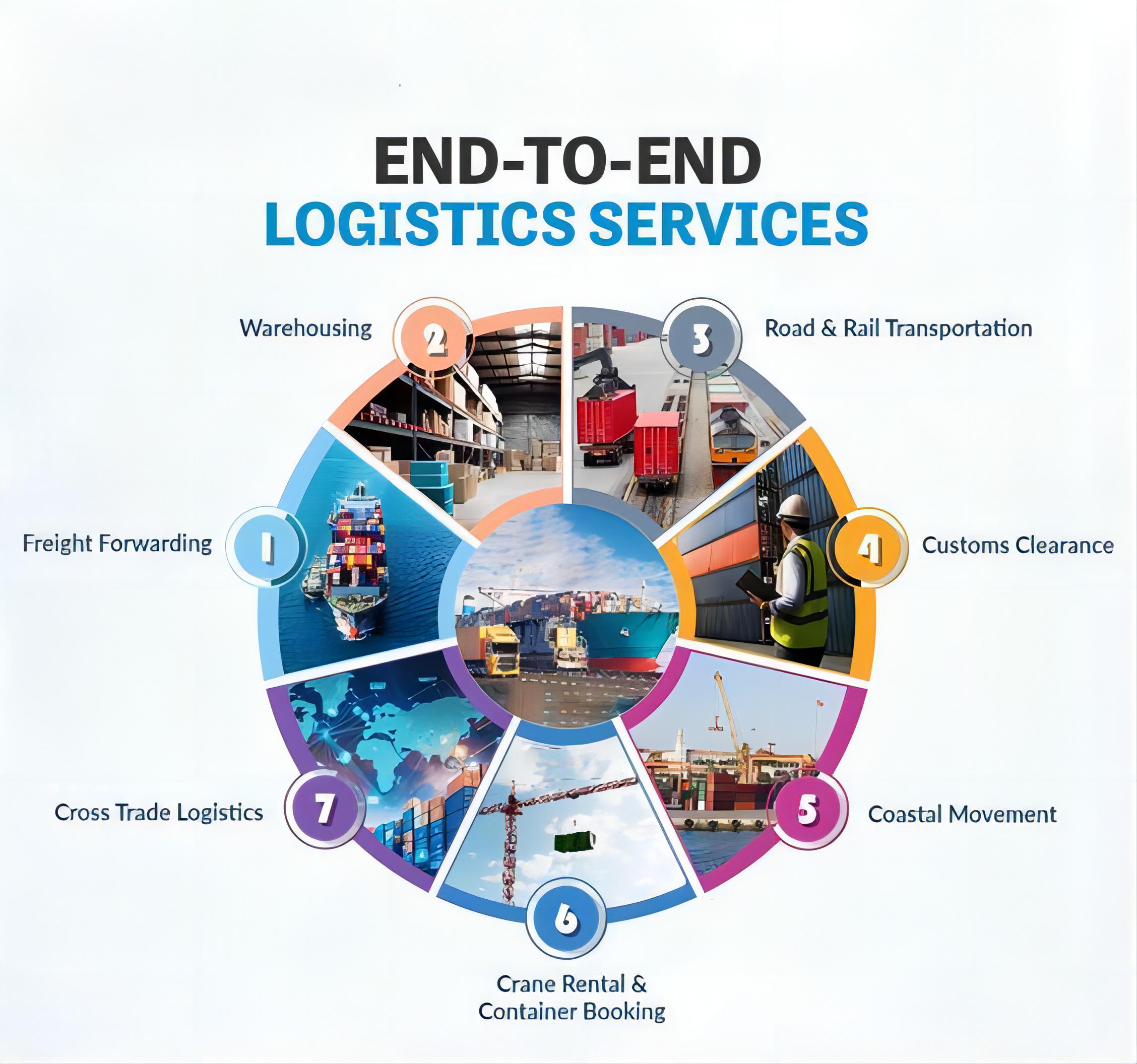
Successful Open Top FCL detention prevention for hardware tools from China to Poland requires a combination of early planning and professional execution. By understanding the risks and preparing your documentation in advance, you can avoid the common pitfalls that lead to expensive daily penalties.
Whether you choose sea freight or rail, the key is to maintain clear communication with all parties in the supply chain. Partnering with a reliable freight forwarder ensures that your heavy hardware arrives safely and on budget, allowing you to focus on growing your business in the Polish market.
Ready to streamline your logistics?
Managing complex hardware shipments requires precision and local expertise. Contact Top China Freight today to secure competitive rates and expert Open Top FCL detention prevention for hardware tools from China to Poland. Visit our website to request a custom quote and streamline your logistics process now. Send Inquiry: https://Top China Freight.com/contact-us/
Request Quote