

Reefer FCL detention prevention for toys from China to Portugal: A Complete Guide
Shipping temperature-sensitive goods requires meticulous planning to avoid unexpected costs at the port of destination. Managing Reefer FCL detention prevention for toys from China to Portugal is a critical task for importers who want to maintain their profit margins while ensuring product safety. By partnering with a reliable freight forwarder like Top China Freight, businesses can navigate the complexities of international logistics and minimize administrative delays.
Understanding Reefer FCL detention prevention for toys from China to Portugal
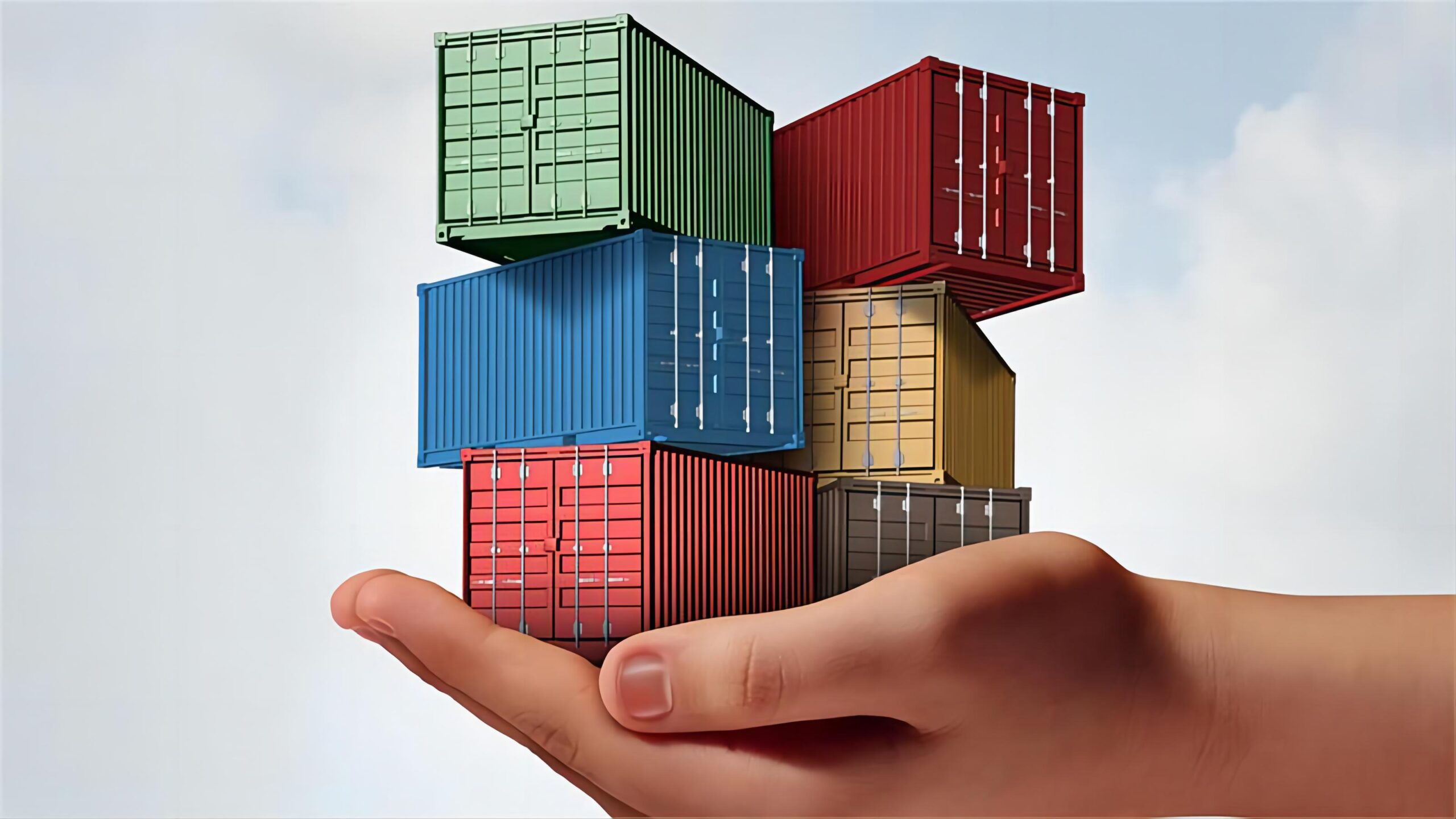
Detention charges occur when an importer holds onto a shipping container beyond the allowed free time outside of the port terminal. For refrigerated containers, these costs are significantly higher than standard dry boxes because of the specialized equipment and power requirements involved. Consequently, importers shipping to Europe must understand the specific rules set by carriers operating between major Chinese hubs and Portuguese ports like Lisbon or Sines.
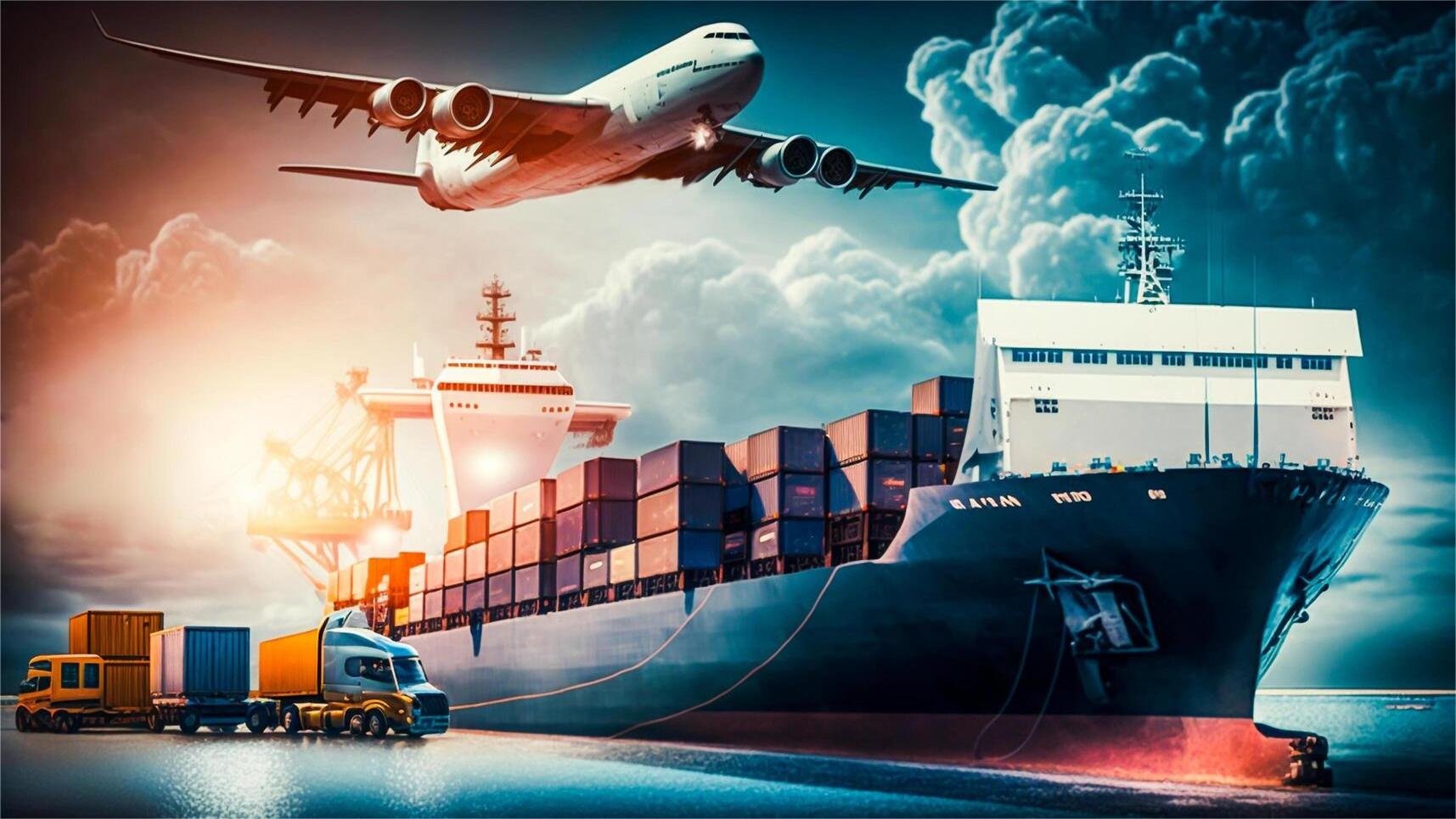
Toys might seem like sturdy items, but high-end electronic toys or those with specific chemical compositions often require climate-controlled environments to prevent warping or battery degradation. Therefore, using a reefer container becomes a necessity rather than a luxury for premium toy brands. Effectively managing the return of these containers is the cornerstone of a successful logistics strategy.

Most carriers provide a standard free period of three to seven days for detention, after which daily penalties accrue rapidly. Furthermore, these fees can escalate if the container is not returned to the designated depot promptly after unloading. Planning the final mile delivery in Portugal is just as important as the ocean voyage itself.
Why Toy Importers Face High Detention Charges in Portugal
Port congestion remains a primary driver of logistics delays that lead to excessive detention fees. When the port of Leixoes or Lisbon experiences high volumes, scheduling a truck for container pickup becomes increasingly difficult. Additionally, the specialized nature of reefer equipment means that not every transport provider has the necessary generator sets (gensets) to maintain temperatures during road transit.
Customs inspections represent another significant bottleneck for toy shipments. Portuguese authorities strictly enforce safety standards, and any discrepancy in documentation can lead to the container sitting in a warehouse while samples are tested. Meanwhile, the detention clock continues to tick, adding hundreds of dollars to the landed cost of the goods.
Inadequate communication between the freight forwarder and the local warehouse often results in missed return windows. If the warehouse is full and cannot accept the cargo immediately, the container remains on the chassis, racking up charges. Avoiding these scenarios requires a proactive approach to supply chain visibility.
How Does Reefer FCL Compare to Other Shipping Options?
Choosing the right shipping method depends on your budget, volume, and the sensitivity of your toy products. While sea freight is the most common choice for large toy shipments, other modes offer different advantages regarding speed and cost. Reefer FCL provides the highest level of protection for bulk orders but carries the highest risk of detention fees.
Importers must weigh the benefits of temperature control against the potential for administrative penalties. For instance, smaller shipments might benefit from LCL (Less than Container Load) if the toys are not sensitive to heat, though this removes the climate control feature. Below is a detailed comparison of the viable methods for the China-Portugal route.
| Shipping Method | Cost Range | Transit Time | Best For | Limitations |
|---|---|---|---|---|
| Reefer FCL | $4,500 – $6,500 | 30-40 Days | High-value toys | High detention risk |
| Standard FCL | $2,800 – $4,200 | 30-40 Days | Bulk plastic toys | No temp control |
| Air Freight | $12,000 – $20,000 | 5-8 Days | Urgent samples | Extremely expensive |
| Rail Freight | $4,000 – $5,500 | 20-25 Days | Mid-range volume | Limited reefer availability |
Decision Framework: Which Option Should You Choose?
Budget priority dictates a shift toward standard sea freight if the toys can withstand ambient temperatures during the voyage. However, if you are shipping battery-operated toys or items with delicate paints, Reefer FCL is the only way to ensure product integrity. Market data suggests that the cost of damaged goods often exceeds the extra expense of refrigerated transport.
Speed priority favors air freight, especially for seasonal toy launches like the Christmas period. If your shipment is delayed in production, switching to air can save your retail contracts even if the freight cost is higher. Nevertheless, for the majority of toy imports, sea freight remains the backbone of the supply chain.
Volume thresholds also play a role in your decision. For shipments under 15 CBM, you might consider LCL, but remember that refrigerated LCL services are rare and expensive. Therefore, consolidating your orders into a full 20ft or 40ft reefer container is usually the most economical path for large-scale importers.
Proactive Steps for Reefer FCL detention prevention for toys from China to Portugal
Negotiating extended free time at the point of booking is the most effective way to prevent detention charges. Many carriers are willing to offer 10 to 14 days of free time if requested upfront by an experienced logistics partner. This buffer provides the necessary time to handle customs inspections without financial pressure.
Utilizing a professional customs brokerage service ensures that all paperwork is filed before the vessel even arrives in Portugal. Pre-clearing the cargo allows for immediate pickup upon discharge from the vessel. Consequently, the container can be moved to the warehouse and returned to the depot well within the free period.
Implementing a digital tracking system gives you real-time visibility into the container’s status. Knowing exactly when the container is discharged from the ship allows you to coordinate with your trucking company for a ‘hook and go’ service. Indeed, timing is the most critical factor in avoiding the daily penalties associated with reefer equipment.
Documentation Checklist for Smooth Customs Clearance
Accuracy in documentation is non-negotiable when importing toys into the European Union. Any error in the HS code or the CE certification can lead to lengthy delays at the Portuguese border. To assist your planning, we have compiled a checklist of the essential documents required for this route.
Providing these documents in a timely manner allows the authorities to process your shipment efficiently. Moreover, having digital copies ready for your freight forwarder can speed up the communication process significantly. Always double-check the packing list against the actual contents of the container to avoid discrepancies during physical inspections.
| Document Type | Required For | Source | Key Details |
|---|---|---|---|
| Commercial Invoice | Value Declaration | Exporter | Currency and terms |
| Packing List | Cargo Verification | Exporter | Weight and dimensions |
| Bill of Lading | Title of Goods | Carrier | Consignee details |
| CE Certificate | Safety Compliance | Manufacturer | EU safety standards |
Real-World Case Studies: Navigating China to Portugal Logistics
Learning from real-world scenarios helps importers anticipate potential hurdles in their own supply chain. These cases illustrate how different strategies impact the final landed cost and transit time. Each example reflects actual market conditions observed in the 2024-2025 shipping landscape.
Case Study 1: High-End Electronic Toys from Shenzhen to Lisbon. The importer utilized a 40HQ Reefer container to protect sensitive electronics. By pre-clearing customs and using a door to door service, they avoided all detention fees despite a minor port delay.
Case Study 2: Seasonal Plush Toys from Ningbo to Leixoes. This shipment faced a physical inspection by customs. Because the importer had negotiated 14 days of free time, the five-day inspection did not result in any detention charges. This highlights the importance of upfront negotiation.
Case Study 1: Shenzhen to Lisbon Efficiency
Route: Shenzhen, China to Lisbon, Portugal. Cargo: Electronic educational toys, 65 CBM, 12,000 kg. Container: 40HQ Reefer. Carrier: Maersk. Port of Loading: Yantian. Port of Discharge: Lisbon. Route Type: Direct. Ocean Freight: $5,200. Origin Charges: $450. Destination Charges: $600. Customs and Duties: $2,100. Total Landed Cost: $8,350. Timeline: Booking to Loading: 4 days. Sea Transit: 32 days. Customs Clearance: 2 days. Total Door-to-Door: 42 days. Key Insight: Pre-booking a trucker with a genset saved the importer from waiting at the port.
Case Study 2: Managing Inspections in Leixoes
Route: Ningbo, China to Leixoes, Portugal. Cargo: Plastic model kits, 28 CBM, 5,500 kg. Container: 20GP Reefer. Carrier: COSCO. Port of Loading: Ningbo. Port of Discharge: Leixoes. Route Type: Transshipment via Tangier. Ocean Freight: $3,800. Origin Charges: $350. Destination Charges: $550. Customs and Duties: $1,400. Total Landed Cost: $6,100. Timeline: Booking to Loading: 5 days. Sea Transit: 38 days. Customs Clearance: 6 days (Inspection). Total Door-to-Door: 55 days. Key Insight: Extended free time negotiated at booking prevented $800 in detention fees during the inspection.
Strategies for Cost-Effective Reefer Logistics
Consolidating your shipments is a powerful way to reduce the per-unit cost of refrigerated transport. If you have multiple suppliers in the Pearl River Delta, consider using a warehouse in Shenzhen to combine goods into a single 40HQ container. Furthermore, this approach simplifies the documentation process as you deal with one Bill of Lading.
Monitoring seasonal fluctuations in freight rates can save thousands of dollars over a year. Rates typically increase during the peak season from August to October as retailers prepare for the holidays. Therefore, shipping your non-seasonal toy inventory during the first quarter can result in significantly lower ocean freight costs.
Collaborating with a provider that offers Amazon FBA integration can also streamline your Portuguese operations. Even if you are not selling on Amazon, these providers often have the most efficient systems for rapid container turnaround. Efficiency in the final leg of the journey is the ultimate defense against detention.
Final Thoughts on Reefer FCL Logistics
Successfully managing Reefer FCL detention prevention for toys from China to Portugal requires a blend of proactive planning and expert execution. By understanding the causes of delays and negotiating favorable terms, you can protect your bottom line. Remember that the choice of freight forwarder is the most significant factor in your logistics success.
Freight rates are subject to change based on fuel costs, carrier capacity, and seasonal demand. Contact us for a current quote tailored to your specific shipment. With the right strategy, your toy business can thrive in the competitive Portuguese market.
Ready to streamline your logistics?
Avoid expensive delays and protect your toy shipments today. Contact Top China Freight for a customized quote and expert guidance on Reefer FCL detention prevention for toys from China to Portugal. Send Inquiry: info@Top China Freight.com
Request Quote