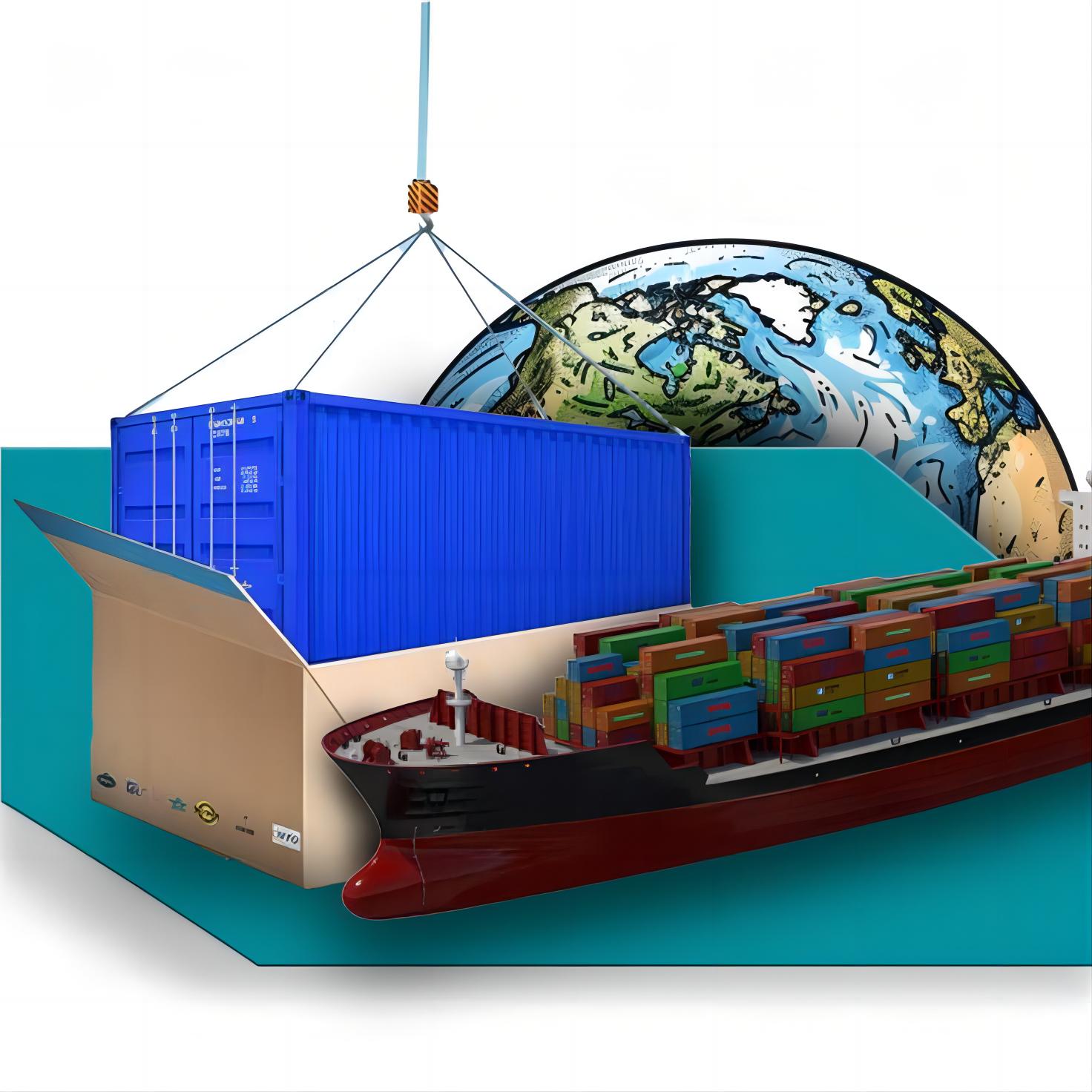
40HQ FCL detention prevention for machinery from China to Long Beach
Shipping heavy industrial equipment across the Pacific requires meticulous planning to avoid expensive penalties at the terminal. Achieving 40HQ FCL detention prevention for machinery from China to Long Beach is a primary concern for importers looking to protect their bottom line. By partnering with Top China Freight, you gain access to specialized knowledge that streamlines the entire arrival process. This guide provides actionable strategies to ensure your containers are returned on time, every time.
What is 40HQ FCL Detention and Why Does it Matter?
Detention refers to the fees charged by carriers when an importer keeps a container outside the port for longer than the agreed free time. Unlike demurrage, which occurs inside the terminal, detention happens during the drayage and unloading phase. Consequently, failing to manage this timeline can result in thousands of dollars in daily penalties.
Choosing sea freight for machinery often involves using 40HQ containers due to their extra height and volume capacity. However, the specialized nature of machinery unloading means that these containers often stay at the warehouse longer than standard consumer goods. Therefore, understanding the specific rules for the Long Beach gateway is essential for cost control.
Logistics trends suggest that detention rates are rising as carriers seek to maximize equipment turnover. Moreover, the complexity of industrial equipment often leads to unforeseen delays during the final mile delivery. Strictly speaking, a proactive approach is the only way to safeguard your budget from these aggressive carrier charges.
Strategic Planning for 40HQ FCL detention prevention for machinery from China to Long Beach
Successful prevention starts long before the vessel arrives at the California coast. You must negotiate extended free time during the initial booking phase in China. Furthermore, coordinating with your drayage provider ensures that a chassis is available the moment the container is ready for pickup.
Machinery shipments often require specialized rigging or heavy-lift equipment for unloading at the destination. Additionally, you should confirm that the receiving warehouse has the necessary permits and space to handle a 40HQ unit. If the unloading process takes three days instead of one, your risk of detention increases exponentially.
Communication remains the most vital tool in your logistics arsenal. Regularly updating all stakeholders on the delivery schedule prevents bottlenecks at the warehouse dock. As a result, you can maintain a fluid movement of equipment and return the empty container to the designated depot without delay.
The Role of Customs Brokerage in Avoiding Delays
Customs delays are a leading cause of detention because they prevent the container from leaving the port area. Utilizing an experienced customs brokerage service ensures that all machinery classifications and duties are handled correctly. This prevents the ‘documentary hold’ that often triggers a chain reaction of late fees.
Machinery often falls under complex tariff headings that require specific documentation like technical drawings or certificates of origin. Meanwhile, the Port of Long Beach has strict enforcement protocols for industrial imports. By filing your Entry Summary early, you ensure that the cargo is cleared before the vessel even docks.
Inaccurate paperwork is a common pitfall that leads to physical inspections. Consequently, an inspection can add several days to your timeline, pushing you past the free time limit. Therefore, double-checking every commercial invoice and packing list is a mandatory step in your prevention strategy.

How Does Sea Freight Compare to Other Shipping Options?
While sea freight is the standard for heavy machinery, it is important to understand how it stacks up against alternatives. For instance, air freight offers speed but comes at a massive cost premium that is rarely justifiable for heavy equipment. Conversely, rail options are not applicable for the trans-Pacific route from China to Long Beach.
Selecting the right container type is also a critical decision. While a 40HQ provides more space, it might be more difficult to secure on certain vessel strings compared to a standard 20GP. Nevertheless, for machinery, the 40HQ remains the most economical choice despite the potential for detention if not managed properly.
The following table provides a breakdown of the primary shipping methods available for this specific trade lane. It highlights the trade-offs between cost, speed, and the risk of incidental charges like detention.
| Shipping Method | Cost Range (USD) | Transit Time | Detention Risk |
|---|---|---|---|
| Sea Freight (40HQ) | $2,800 – $3,800 | 14-18 Days | High |
| Air Freight | $15,000 – $25,000 | 3-5 Days | Low |
| LCL Shipping | $50 – $120 / CBM | 20-25 Days | Medium |
| Express Service | $8 – $15 / KG | 2-4 Days | Minimal |
Navigating the Long Beach Port Environment
Shipping to North America through Long Beach requires an understanding of local labor and terminal dynamics. Specifically, the PierPass program and night gate hours can affect when your trucker can pull the container. Failing to account for these local variables often leads to missed appointments and subsequent detention.
Chassis shortages have historically plagued the San Pedro Bay port complex. Without a chassis, your 40HQ container remains stuck on the terminal floor, even if it is cleared for pickup. Accordingly, many savvy importers now utilize ‘private chassis pools’ to ensure they have the equipment needed to move their machinery immediately.
Logistics trends in 2025 indicate that terminal automation is improving turnaround times. However, the sheer volume of cargo handled at Long Beach means that congestion can still occur during peak seasons. Indeed, staying informed about port productivity levels helps you adjust your delivery schedule in real-time.
Real-World Case Studies of Machinery Logistics
Examining actual shipments provides valuable insights into how detention is successfully avoided. These examples reflect the current market conditions and the practical application of the strategies discussed above. Each case highlights a different aspect of the machinery shipping process from China to the US West Coast.
Case studies serve as a blueprint for your own operations. By analyzing the costs and timelines of similar shipments, you can better estimate your landed cost and identify potential risks. Furthermore, these examples demonstrate the importance of choosing the right partners in both the origin and destination ports.
Case Study 1: Industrial CNC Machine from Shanghai
Route: Shanghai, China to Long Beach, USA. Cargo: CNC Milling Center, 28 CBM, 8,500 kg. Container: 40HQ FCL. Carrier: COSCO. Port of Loading: Shanghai Yangshan. Port of Discharge: Long Beach (LBCT). Route Type: Direct.
Cost Breakdown: Ocean Freight: $3,250. Origin Charges: $450. Destination Charges: $680. Customs and Duties: $4,200. Total Landed Cost: $8,580. Timeline: Booking to Loading: 4 days. Sea Transit: 16 days. Customs Clearance: 2 days. Total Door-to-Door: 25 days.
Key Insight: The importer negotiated 14 days of combined free time (demurrage and detention) at the time of booking. Consequently, even with a 2-day delay at the warehouse during unloading, no detention fees were incurred.
Case Study 2: Automated Packaging Line from Ningbo
Route: Ningbo, China to Long Beach, USA. Cargo: Packaging Machinery, 55 CBM, 12,000 kg. Container: 40HQ FCL. Carrier: Maersk. Port of Loading: Ningbo-Zhoushan. Port of Discharge: Long Beach (ITS). Route Type: Direct.
Cost Breakdown: Ocean Freight: $3,400. Origin Charges: $500. Destination Charges: $720. Customs and Duties: $5,100. Total Landed Cost: $9,720. Timeline: Booking to Loading: 5 days. Sea Transit: 15 days. Customs Clearance: 1 day. Total Door-to-Door: 22 days.
Key Insight: By utilizing a pre-pulled chassis strategy, the trucker was able to extract the container within 4 hours of it being discharged. As a result, the machinery was delivered and the container returned 3 days before the free time expired.
Decision Framework: Which Option Should You Choose?
Choosing the right shipping strategy depends on your specific priorities regarding budget and speed. For most machinery importers, door to door service offers the highest level of security against detention. This comprehensive model places the responsibility of container return on the forwarder, providing peace of mind.
If budget is your primary priority, you might choose to manage the drayage yourself. However, this requires a deep understanding of the Long Beach terminal system and a reliable network of local truckers. On the other hand, if speed is the only factor, you might consider hybrid sea-air solutions for critical replacement parts.
The following criteria should guide your decision-making process for machinery imports. Consider your internal capabilities and the complexity of the cargo before finalizing your logistics plan.
| Priority | Recommended Strategy | Volume Threshold | Trade-off |
|---|---|---|---|
| Cost Savings | FCL Port-to-Port | > 15 CBM | Higher management effort |
| Risk Mitigation | Door-to-Door Service | Any Volume | Slightly higher base rate |
| Urgent Delivery | Air Freight / Express | < 2 CBM | Extremely high cost |
| Small Shipments | LCL Consolidation | < 12 CBM | Longer transit times |
Alternative Strategies and Cost-Saving Tips
Beyond standard shipping, several alternative approaches can further enhance your 40HQ FCL detention prevention for machinery from China to Long Beach. For example, ‘Street Turns’ allow a trucker to take an empty container directly to another export customer instead of returning it to the port. This effectively resets the clock and eliminates the risk of detention for the original importer.
Implementing a ‘Pre-Pull’ strategy is another effective tactic. In this scenario, the container is pulled from the terminal and stored at a secure yard near the port. While this incurs a small storage fee, it is significantly cheaper than the detention penalties charged by the steamship lines. Furthermore, it allows for more flexible delivery scheduling to the final destination.
Note: Freight rates are subject to change based on fuel costs, carrier capacity, and seasonal demand. Contact us for a current quote tailored to your specific shipment.
Final Thoughts on Preventing Machinery Shipping Delays
Successfully managing 40HQ FCL detention prevention for machinery from China to Long Beach requires a blend of early planning and local expertise. By understanding the nuances of the Long Beach port and the specific requirements of industrial cargo, you can avoid the financial pitfalls that catch many importers off guard. Transitioning to a more proactive logistics model will not only save money but also improve your overall operational efficiency.
Ultimately, the goal is to keep your machinery moving and your containers returning on time. Whether you utilize extended free time or advanced drayage strategies, the key is consistency and communication. Partnering with a dedicated freight forwarder ensures that your heavy equipment reaches its destination without the burden of unexpected detention charges.
Ready to streamline your logistics?
Protect your machinery investment by implementing a robust 40HQ FCL detention prevention for machinery from China to Long Beach strategy today. Our team at Top China Freight is ready to optimize your supply chain and eliminate unnecessary fees. Send Inquiry: Visit our website to request a personalized quote and secure your shipment.
Request Quote