

Open Top FCL sailing schedule for machinery from China to USA
Managing heavy equipment logistics requires a precise understanding of the Open Top FCL sailing schedule for machinery from China to USA to ensure timely delivery. Business owners often face significant challenges when transporting oversized industrial gear across the Pacific Ocean due to complex loading requirements and fluctuating vessel availability. Top China Freight provides comprehensive solutions that simplify these international shipping hurdles while maintaining cost efficiency. This guide explores everything you need to know about scheduling, container selection, and optimizing your machinery supply chain for maximum reliability.
What is the Open Top FCL sailing schedule for machinery from China to USA?
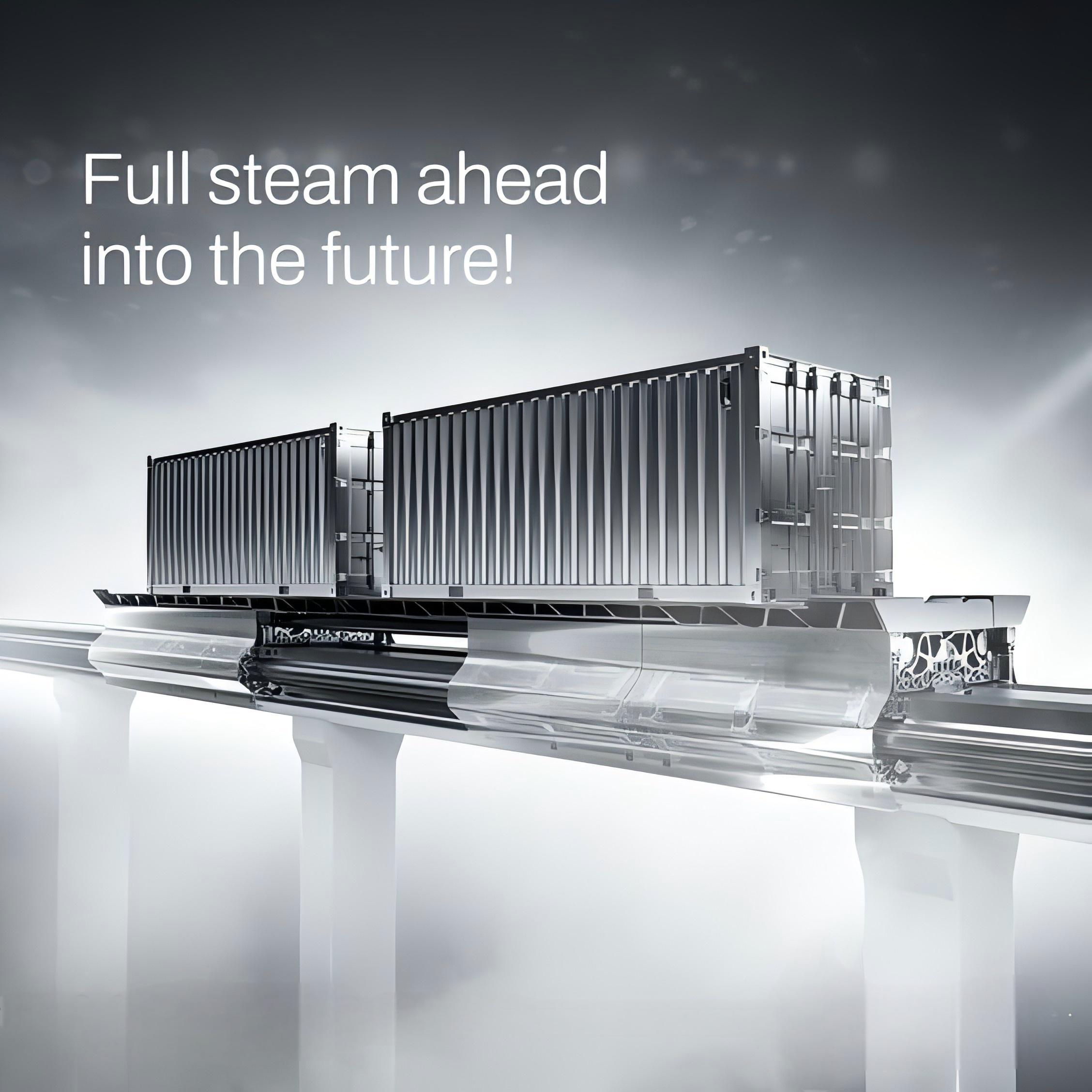
Defining the Open Top FCL sailing schedule for machinery from China to USA involves identifying specific departure dates and vessel rotations designed for out-of-gauge cargo. Unlike standard dry vans, open top containers feature a removable tarpaulin roof that allows cranes to load heavy machinery from the top. Consequently, these containers are essential for equipment that exceeds the height of a standard 40HQ container or requires specialized overhead handling.
Moreover, the schedule for these specialized shipments is often more restricted than standard container services because not all vessels carry a high volume of open top slots. Shippers must coordinate with carriers like COSCO, Maersk, or MSC to secure space on ships equipped with the necessary lashings and stowage positions for heavy loads. Therefore, planning your production timeline around the available sea freight departures is critical for avoiding expensive port storage fees.
Additionally, the frequency of these sailings typically ranges from weekly to bi-weekly depending on the port of origin. Major hubs like Shanghai and Ningbo offer the most consistent options for machinery exporters. Understanding the nuances of these schedules helps importers maintain a predictable flow of goods to their American construction or manufacturing sites.
Why Choose Open Top Containers for Machinery?
Selecting the right equipment is the first step in ensuring a successful shipment of heavy industrial assets. Open top containers provide the flexibility needed for tall machines that cannot fit through the end doors of a standard box. Furthermore, the ability to load via crane simplifies the process for massive components like boilers, turbines, or CNC machines. Indeed, using the correct container type reduces the risk of structural damage during the loading and unloading phases.
Specifically, the 20-foot and 40-foot open top variants cater to different weight and volume requirements. While a 20-foot unit handles denser, heavier items, the 40-foot version is ideal for long or bulky machinery. Nevertheless, shippers must ensure that the cargo is properly covered and lashed to withstand the harsh conditions of a trans-Pacific voyage. Choosing door-to-door shipping ensures that the specialized handling continues from the factory floor all the way to the final destination in the USA.
| Container Type | Max Payload | Loading Method | Best Use Case |
|---|---|---|---|
| 20ft Open Top | 28,000 kg | Top/Overhead | Heavy, compact gear |
| 40ft Open Top | 26,500 kg | Top/Overhead | Long, tall machinery |
| 40ft Flat Rack | 45,000 kg | Top/Side | Extremely wide loads |
| 40ft Standard | 26,000 kg | Rear Door | Standard size units |
How Does Open Top FCL Compare to Other Shipping Options?
Analyzing the Open Top FCL sailing schedule for machinery from China to USA requires comparing it against alternatives like Flat Racks or Breakbulk shipping. While Open Top FCL provides a protective environment with soft-top covers, Flat Racks are better suited for cargo that exceeds both height and width limits. However, Open Top FCL is generally more cost-effective than Breakbulk for machines that can fit within the footprint of a standard container frame.
In contrast, air freight offers unmatched speed but becomes prohibitively expensive for heavy industrial equipment. Most machinery importers prefer the balance of cost and capacity provided by ocean transit. When speed is not the primary factor, sea-based solutions remain the industry standard for large-scale infrastructure projects across shipping from China to North America routes.
| Shipping Method | Cost Range | Transit Time | Limitations |
|---|---|---|---|
| Open Top FCL | $3,500 – $6,500 | 18 – 35 Days | Height limits apply |
| Flat Rack | $5,000 – $9,000 | 20 – 40 Days | Exposure to elements |
| Breakbulk | $10,000+ | 30 – 50 Days | Complex port handling |
| Air Freight | $25,000+ | 5 – 10 Days | Weight/Size caps |
Key Ports and Transit Times for Machinery Shipping
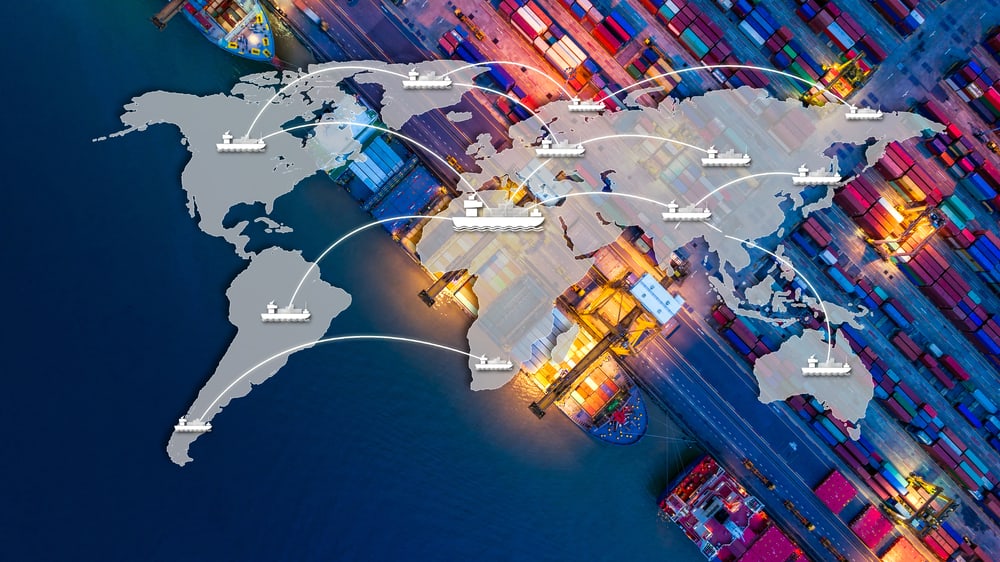
Departure ports in China significantly influence the overall transit time and the available Open Top FCL sailing schedule for machinery from China to USA. For instance, shipments leaving from Shenzhen or Guangzhou typically reach the US West Coast faster than those departing from Northern China. Meanwhile, East Coast destinations like New York or Savannah require longer voyages through the Panama Canal or the Suez Canal depending on current maritime conditions.
Accordingly, importers should factor in approximately 14 to 18 days for transit to Los Angeles or Long Beach. On the other hand, transit to the East Coast can take between 30 and 38 days. Because machinery often requires specialized trailers for inland transport after arrival, coordinating the vessel’s arrival with local trucking companies is vital for a smooth supply chain operation.
Furthermore, port congestion in the USA can occasionally add 5 to 7 days to the total timeline. Monitoring real-time carrier data helps logistics managers adjust their expectations and inform their customers of potential delays. Indeed, proactive communication is the hallmark of a professional freight forwarding strategy.
Cost Analysis and Market Trends for 2025
Freight rates for open top containers are subject to seasonal fluctuations and carrier capacity shifts. As of early 2025, market data suggests that rates from China to the USA have stabilized following previous global disruptions. Nevertheless, shippers should expect to pay a premium of 20% to 35% over standard dry container rates due to the specialized nature of open top equipment.
Additionally, fuel surcharges and peak season adjustments can impact the final landed cost of your machinery. Consequently, requesting a quote at least 3 to 4 weeks before your intended shipping date is highly recommended. To manage costs effectively, consider consolidating smaller components into standard containers while reserving open top units only for the oversized primary chassis.
Note: Freight rates are subject to change based on fuel costs, carrier capacity, and seasonal demand. Contact us for a current quote tailored to your specific shipment.
Customs and Documentation for Machinery Imports
Navigating the legal requirements for machinery imports requires meticulous attention to detail and accurate documentation. Every shipment must include a detailed commercial invoice, a packing list specifying weights and dimensions, and a Bill of Lading. Furthermore, certain types of industrial machinery may be subject to specific technical standards or environmental regulations in the USA.
Specifically, working with a professional customs brokerage service can prevent costly delays at the border. Brokers ensure that the correct Harmonized System (HS) codes are applied, which determines the duty rates and taxes owed to US Customs and Border Protection. Without a doubt, proper classification is the most effective way to avoid penalties and ensure a rapid release of your cargo.
Moreover, the ISF (Importer Security Filing) must be submitted 24 hours before the vessel departs from China. Failure to comply with this 10+2 rule can result in significant fines and mandatory inspections. Therefore, maintaining a close relationship with your freight forwarder ensures all compliance milestones are met on time.

Real-World Case Studies for Machinery Logistics
Case Study 1: CNC Milling Center to California
Route: Shanghai, China to Long Beach, USA. Cargo: CNC Milling Center, 12 CBM, 8,500 kg. Container: 20ft Open Top. Shipping Details: Direct service via major carrier. Cost Breakdown: Ocean Freight $3,800, Origin Charges $450, Destination Charges $600, Customs $1,200. Total Landed Cost: $6,050. Timeline: Sea Transit 16 days, Total Door-to-Door 24 days. Key Insight: Early booking secured a slot during the pre-Lunar New Year rush, preventing a 2-week delay.
Case Study 2: Hydraulic Excavators to Georgia
Route: Qingdao, China to Savannah, USA. Cargo: 2 Hydraulic Excavators, 45 CBM, 18,000 kg. Container: 40ft Open Top. Shipping Details: Transshipment via Panama Canal. Cost Breakdown: Ocean Freight $5,800, Origin Charges $700, Destination Charges $950, Customs $2,400. Total Landed Cost: $9,850. Timeline: Sea Transit 34 days, Total Door-to-Door 45 days. Key Insight: Using a 40ft Open Top allowed for two units in one container, saving 15% compared to two separate 20ft units.
Decision Framework: Which Option Should You Choose?
Choosing the best shipping strategy depends on your specific project priorities and budget constraints. If your primary goal is cost-saving and the machine fits within height limits with the roof removed, Open Top FCL is your best bet. However, if the cargo is excessively wide, you should pivot toward a Flat Rack solution despite the higher price tag.
Similarly, if your project is facing a critical deadline, exploring a hybrid sea-air solution might be necessary, although this is rare for heavy machinery. For most standard industrial imports, a direct sea route to the closest US port remains the most reliable method. To summarize, evaluate your cargo dimensions, budget, and required delivery date before finalizing your booking on the Open Top FCL sailing schedule for machinery from China to USA.
Final Thoughts on Machinery Shipping Schedules
Successfully navigating the Open Top FCL sailing schedule for machinery from China to USA requires a combination of early planning, correct equipment selection, and reliable partnerships. By understanding the transit times between major Chinese hubs and American ports, you can better manage your inventory and meet project deadlines. Furthermore, staying informed about market trends and customs requirements will protect your bottom line from unexpected costs.
Indeed, the complexity of shipping oversized equipment is significantly reduced when you utilize specialized open top containers. This method provides the necessary protection and handling flexibility required for high-value industrial assets. Always remember to verify the latest sailing schedules and rates with your freight forwarder to ensure your machinery arrives safely and on time.

Ready to streamline your logistics?
Optimizing your Open Top FCL sailing schedule for machinery from China to USA is simple when you partner with the right experts. Our team at Top China Freight specializes in handling complex oversized cargo with precision and care. Contact us today to receive a personalized quote and secure your space on the next available vessel. Visit our website to learn more about our specialized machinery shipping services and let us handle your logistics challenges.
Request Quote