40GP FCL Freight Rate for Auto Parts from China to Denmark: 2025 Guide
Shipping automotive components requires precision and cost-effective logistics planning to maintain a competitive edge. At Top China Freight, we specialize in managing complex international shipments for the automotive industry. Understanding the 40GP FCL freight rate for auto parts from China to Denmark is essential for businesses looking to optimize their supply chain and reduce overhead costs. This guide provides a detailed breakdown of current market prices, transit times, and strategic shipping options available for your cargo.
What is the 40GP FCL Freight Rate for Auto Parts from China to Denmark?
The 40GP FCL freight rate for auto parts from China to Denmark typically ranges between 3,200 and 4,800 USD in early 2025. This pricing depends heavily on the specific port of origin and the current demand for sea freight services across the Eurasian route. Consequently, importers must monitor market fluctuations caused by fuel prices and seasonal peaks.
Moreover, the automotive sector often requires specialized handling to prevent damage to sensitive components. This means that while base rates are important, the total landed cost will include additional surcharges for heavy or delicate items. Therefore, securing a fixed rate during the off-peak season can lead to significant annual savings.
Additionally, shipping from major hubs like Shanghai or Ningbo often offers more competitive pricing than smaller inland ports. Carriers frequently provide volume discounts for businesses shipping multiple containers per month. Indeed, consistent shipping volumes allow for better negotiation power with major shipping lines.
| Origin Port | Destination Port | Estimated Rate (USD) | Avg. Transit Time |
|---|---|---|---|
| Shanghai | Copenhagen | $3,400 – $4,200 | 32-35 Days |
| Ningbo | Aarhus | $3,300 – $4,100 | 34-38 Days |
| Shenzhen | Copenhagen | $3,600 – $4,500 | 30-33 Days |
| Qingdao | Aarhus | $3,500 – $4,300 | 36-40 Days |
Current Market Trends for 2025
Market data suggests that freight rates have stabilized after the disruptions seen in previous years. However, environmental regulations in the European Union are beginning to influence shipping costs through carbon surcharges. Furthermore, the shift toward electric vehicle parts has changed the weight distribution within 40GP containers.
Why is the 40GP Container Ideal for Automotive Components?
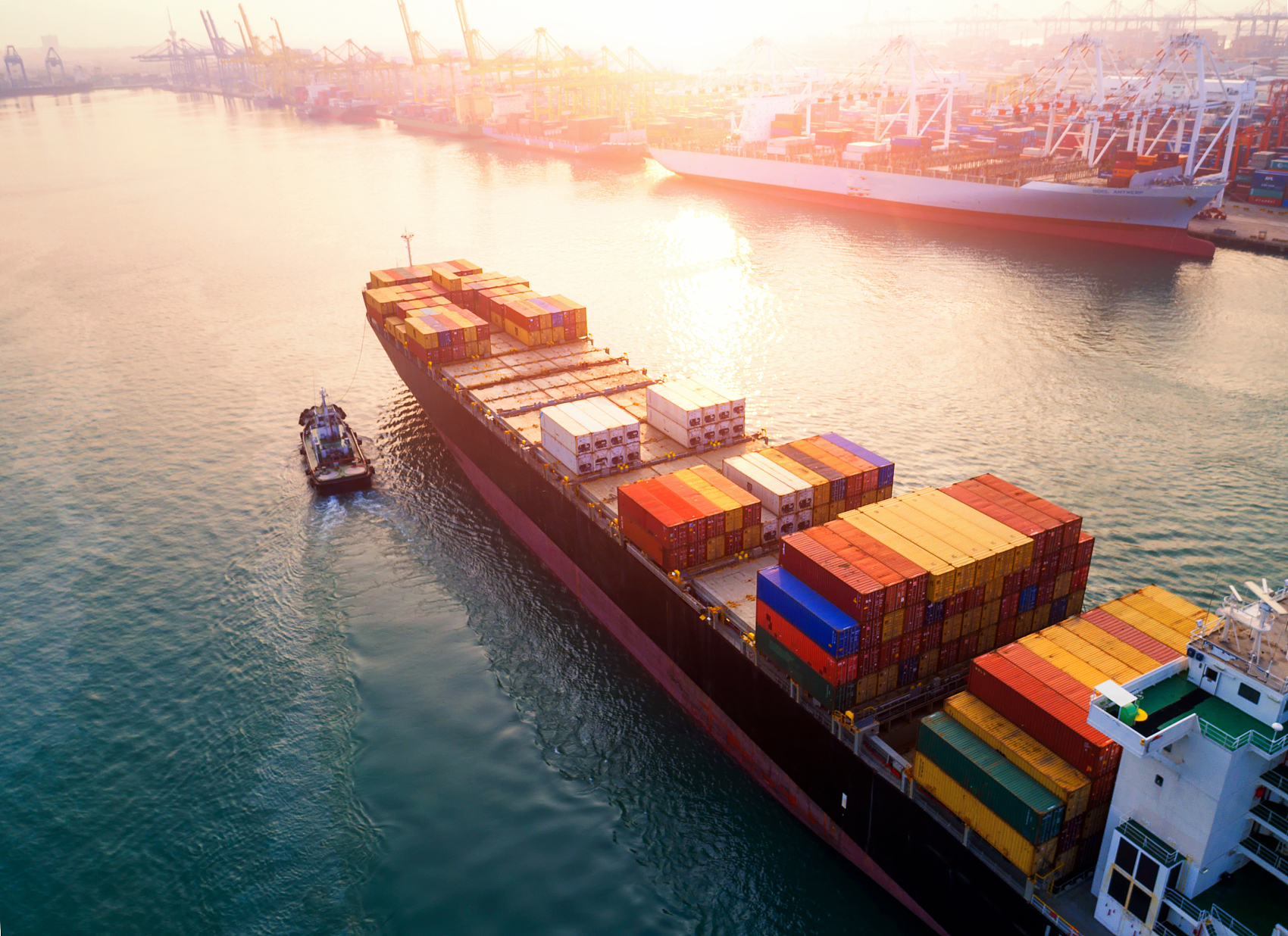
Choosing a 40GP container for shipping auto parts provides the perfect balance between volume and weight capacity. Automotive spare parts, such as engines, transmissions, and body panels, often take up considerable space without exceeding weight limits. As a result, the 40GP container allows for maximum utilization of the interior dimensions.
Furthermore, Europe remains a primary destination for Chinese-manufactured car parts, making the 40GP a standard for this trade lane. Most Danish warehouses are optimized to receive and unload these specific container sizes. Meanwhile, the structural integrity of a 40GP container ensures that high-value components remain protected from the elements during the long voyage.
In addition, using Full Container Load (FCL) shipping minimizes the risk of damage compared to Less than Container Load (LCL). Since your goods are the only ones in the container, they are not handled at intermediate consolidation points. Consequently, this reduces the likelihood of mechanical stress on the parts during transit.
How Does Sea Freight Compare to Other Shipping Options?
While sea freight is the most common method, other options like rail freight offer a middle ground between speed and cost. For instance, rail transit can reduce the journey to Denmark by nearly 10-15 days compared to ocean routes. However, the cost for rail is typically 20-30% higher than the 40GP FCL freight rate for auto parts from China to Denmark via sea.
On the other hand, air freight is only viable for urgent, high-value components due to its extreme cost. Most supply chain managers reserve air transport for production line emergencies where a delay would cost more than the shipping itself. For standard replenishment, sea freight remains the undisputed leader in cost-efficiency.
To summarize, each method serves a specific strategic purpose within the automotive supply chain. Selecting the right one depends on your inventory levels, budget constraints, and delivery deadlines. Many companies now employ a hybrid strategy to balance their logistics spend.
| Shipping Method | Cost Range | Transit Time | Best For |
|---|---|---|---|
| Sea Freight (40GP) | $3,200 – $4,800 | 30-40 Days | Bulk Spare Parts |
| Rail Freight | $5,500 – $7,500 | 18-22 Days | Mid-Value Components |
| Air Freight | $15,000+ | 5-8 Days | Urgent Repairs |
| Sea-Air Hybrid | $8,000 – $10,000 | 15-20 Days | Balanced Speed/Cost |
Which Option Should You Choose for Your Supply Chain?
Budget priority dictates that sea freight is the best choice for non-urgent shipments. If your goal is to minimize the landed cost of each unit, the 40GP FCL freight rate for auto parts from China to Denmark offers the lowest price per cubic meter. This is particularly true for heavy items like brake discs or suspension parts.
Speed priority might lead you toward rail or air options, especially if you are facing stockouts in the Danish market. For example, if a car model launch is imminent, the higher cost of rail freight is justified by the faster time-to-market. Nevertheless, most long-term contracts focus on ocean freight to maintain stable pricing.
Cargo type considerations also play a role in your decision. For sensitive electronic sensors or high-precision engine parts, the smoother ride of a rail container might be preferable to the vibrations of a cargo ship. Without a doubt, you must evaluate the fragility of your components before selecting a transit mode.
What Factors Influence the 40GP FCL Freight Rate for Auto Parts from China to Denmark?
Several variables contribute to the final quote you receive from a forwarder. Seasonal demand is a major factor, with rates often spiking before the Chinese New Year and during the late summer peak. During these times, container availability becomes scarce, driving prices upward.
Fuel surcharges, often referred to as BAF (Bunker Adjustment Factor), fluctuate based on global oil prices. Additionally, port congestion at major European hubs like Aarhus or Copenhagen can lead to detention and demurrage charges. Consequently, planning for these potential delays is a vital part of logistics management.
Currency fluctuations between the USD, CNY, and DKK also impact your total expenditure. Most international freight is quoted in USD, so a weakening Danish Krone can make imports more expensive for local businesses. Therefore, many importers use forward contracts to hedge against currency risks.
How to Navigate Customs Clearance for Denmark Imports?
Clearing customs in Denmark requires meticulous documentation to avoid costly delays at the port. You must provide a commercial invoice, a detailed packing list, and a Bill of Lading. Furthermore, using a professional customs brokerage service ensures that all HS codes for auto parts are correctly classified.
Danish customs authorities are particularly strict regarding safety standards and environmental certifications for automotive parts. For instance, certain components may require proof of compliance with EU regulations before they can be released. As a result, preparing these documents in advance is crucial for a smooth entry.
In addition, you must account for the Value Added Tax (VAT) and any applicable import duties upon arrival. Denmark follows the EU Common External Tariff, which varies depending on the specific type of auto part. Meanwhile, having a valid EORI number is mandatory for all businesses importing into the European Union.
| Document Name | Required For | Purpose | Source |
|---|---|---|---|
| Commercial Invoice | All Shipments | Tax Assessment | Exporter |
| Packing List | All Shipments | Cargo Verification | Exporter |
| Bill of Lading | All Shipments | Title of Goods | Carrier |
| CE Certification | Specific Parts | Safety Compliance | Manufacturer |
What are the Best Cost-Saving Strategies for Shipping Auto Parts?
Optimizing your container loading is one of the most effective ways to lower your shipping costs. By utilizing every inch of the 40GP container, you reduce the freight cost allocated to each individual part. For example, palletizing goods efficiently can increase the total volume of parts shipped per container.
Another strategy involves choosing a door-to-door service that bundles trucking, shipping, and customs clearance into a single price. This often results in lower total costs compared to hiring separate providers for each leg of the journey. Indeed, consolidated services simplify the billing process and reduce administrative overhead.
Moreover, negotiating long-term contracts with freight forwarders can provide stability in a volatile market. If you can commit to a certain number of containers per year, carriers are more likely to offer preferential rates. Consequently, this allows for more accurate financial forecasting for your business.
Real-World Case Studies of Auto Part Shipments
Examining real-world scenarios helps illustrate the practical application of these shipping strategies. Below are two recent examples of how businesses managed their 40GP FCL freight rate for auto parts from China to Denmark effectively.
These cases highlight the importance of port selection and timing in achieving the best possible logistics outcome. Both examples reflect market conditions from late 2024 and early 2025.
Case Study 1: Efficient Spare Parts Distribution
Case Study 1: High-Volume Brake Component Shipment
Route: Ningbo, China to Aarhus, Denmark
Cargo: Brake pads and rotors, 58 CBM, 18,000 kg
Container: 40GP FCL
Shipping Details:
– Carrier: Maersk
– Port of Loading: Ningbo
– Port of Discharge: Aarhus
– Route Type: Direct
Cost Breakdown:
– Ocean Freight: $3,450
– Origin Charges: $450
– Destination Charges: $600
– Customs and Duties: $1,200
– Total Landed Cost: $5,700
Timeline:
– Booking to Loading: 5 days
– Sea Transit: 36 days
– Customs Clearance: 2 days
– Total Door-to-Door: 43 days
Key Insight: By shipping during the shoulder season in October, the client saved 15% compared to peak August rates.
Case Study 2: Urgent Engine Component Delivery
Case Study 2: Engine Block Replenishment
Route: Shanghai, China to Copenhagen, Denmark
Cargo: Aluminum engine blocks, 62 CBM, 22,000 kg
Container: 40GP FCL
Shipping Details:
– Carrier: COSCO
– Port of Loading: Shanghai
– Port of Discharge: Copenhagen via Hamburg
– Route Type: Transshipment
Cost Breakdown:
– Ocean Freight: $3,800
– Origin Charges: $500
– Destination Charges: $750
– Customs and Duties: $2,100
– Total Landed Cost: $7,150
Timeline:
– Booking to Loading: 7 days
– Sea Transit: 34 days
– Customs Clearance: 3 days
– Total Door-to-Door: 44 days
Key Insight: Using a transshipment route through Hamburg provided better container availability during a period of high demand in Shanghai.
Final Thoughts on Shipping Auto Parts to Denmark
Successfully managing the 40GP FCL freight rate for auto parts from China to Denmark requires a combination of market knowledge and strategic planning. By choosing the right container size and shipping method, you can significantly reduce your logistics expenses. Moreover, staying informed about current trends and customs requirements ensures that your cargo arrives safely and on time.
Remember that while cost is a major factor, reliability and transit time are equally important in the automotive industry. Partnering with an experienced freight forwarder provides the expertise needed to handle unexpected challenges. Ultimately, a well-optimized shipping strategy will support your business growth and customer satisfaction in the Danish market.
Ready to streamline your logistics?
Are you looking to optimize your automotive supply chain? Contact us today to receive a customized quote for the 40GP FCL freight rate for auto parts from China to Denmark. Our team of experts is ready to help you navigate the complexities of international shipping. Visit our website to send an inquiry: See https://Top China Freight.com/
Request Quote