

Open Top FCL shipping cost for solar panels from China to Texas: 2025 Guide
Navigating the Open Top FCL shipping cost for solar panels from China to Texas requires a deep understanding of specialized logistics and equipment availability. Top China Freight provides the expertise needed to manage these complex oversized shipments efficiently across the Pacific. Determining the right budget for your renewable energy project starts with analyzing current market rates and regional surcharges for out-of-gauge cargo.

What Factors Influence Open Top FCL shipping cost for solar panels from China to Texas?
Understanding the pricing structure for open top containers is essential for any solar energy developer or importer. Specifically, these specialized containers allow for top-loading via cranes, which is necessary for oversized or heavy solar equipment that cannot fit into standard dry vans. Consequently, the base ocean freight for an open top unit is significantly higher than a standard 40HQ container.
Equipment availability plays a major role in determining the final price you will pay at the port of loading. For instance, because open top containers are less common than standard units, carriers often charge an equipment imbalance surcharge to reposition them. Furthermore, if your solar panels exceed the height of the container walls, you will face out-of-gauge (OOG) surcharges that can double the base rate.
Seasonal demand also impacts the overall logistics landscape for renewable energy components. During peak shipping months between August and October, rates typically increase by 15 to 25 percent due to space constraints on vessels. Therefore, planning your procurement schedule around these cycles can lead to substantial cost savings for your Texas-based projects.
How Open Top FCL shipping cost for solar panels from China to Texas Compares to Standard Shipping
Comparing different container types is the first step in optimizing your supply chain expenses. While sea freight remains the most economical method for large volumes, the choice between standard and open top containers depends on your cargo dimensions. If your solar racking or modules are taller than 2.59 meters, an open top container becomes a technical necessity rather than a luxury.
Standard 40HQ containers are generally priced between 3,500 and 5,000 USD for the China to Texas route. In contrast, an open top container for the same route might start at 6,500 USD and go up depending on the OOG dimensions. Additionally, the labor costs for crane loading at Chinese ports like Shanghai or Ningbo must be factored into your initial budget estimates.
Importers must also consider the insurance premiums associated with specialized equipment. Because open top containers use heavy-duty tarpaulins instead of solid steel roofs, the perceived risk of water damage or theft is slightly higher. Nevertheless, for large-scale solar farm components, the efficiency of top-loading often outweighs these incremental insurance and freight costs.
| Container Type | Estimated Cost | Max Cargo Height | Loading Method |
|---|---|---|---|
| 40ft Standard HQ | $3,500 – $5,200 | 2.69 Meters | Forklift/Manual |
| 40ft Open Top (In-Gauge) | $5,800 – $7,500 | 2.35 Meters | Crane/Top-load |
| 40ft Open Top (OOG) | $8,500 – $12,000+ | Variable | Overhead Crane |
| Flat Rack | $9,000 – $14,000 | Unlimited | Side/Top-load |
Transit Times and Route Options for Texas Solar Imports
Selecting the right port of discharge is a critical decision that affects both speed and total expenditure. Most solar shipments destined for Texas arrive via the Port of Houston, which offers excellent connectivity to major solar sites in West Texas. Alternatively, some importers choose to discharge at Los Angeles or Long Beach and utilize rail transport to reach Dallas or San Antonio.
Direct sea routes from Shanghai to Houston typically take between 30 and 38 days depending on the carrier and weather conditions. Using a door to door service can simplify this process by managing the transition from the vessel to the final project site. Meanwhile, transshipment via Busan or Panama may add 7 to 10 days to the total timeline but can sometimes offer lower freight rates.
Reliability is often more important than the absolute lowest price when managing tight construction schedules. For example, missing a delivery window for a solar farm installation can result in significant daily penalties from contractors. Consequently, many businesses prioritize carriers with high schedule integrity even if the initial quote is slightly higher than the market average.
| Origin Port | Destination Port | Average Transit | Service Type |
|---|---|---|---|
| Shanghai | Houston | 32 – 36 Days | All-Water |
| Shenzhen | Houston | 34 – 40 Days | All-Water |
| Ningbo | Dallas (via LA) | 22 – 28 Days | Intermodal Rail |
| Qingdao | Houston | 35 – 42 Days | Transshipment |
How Does Open Top FCL Compare to Other Shipping Options?
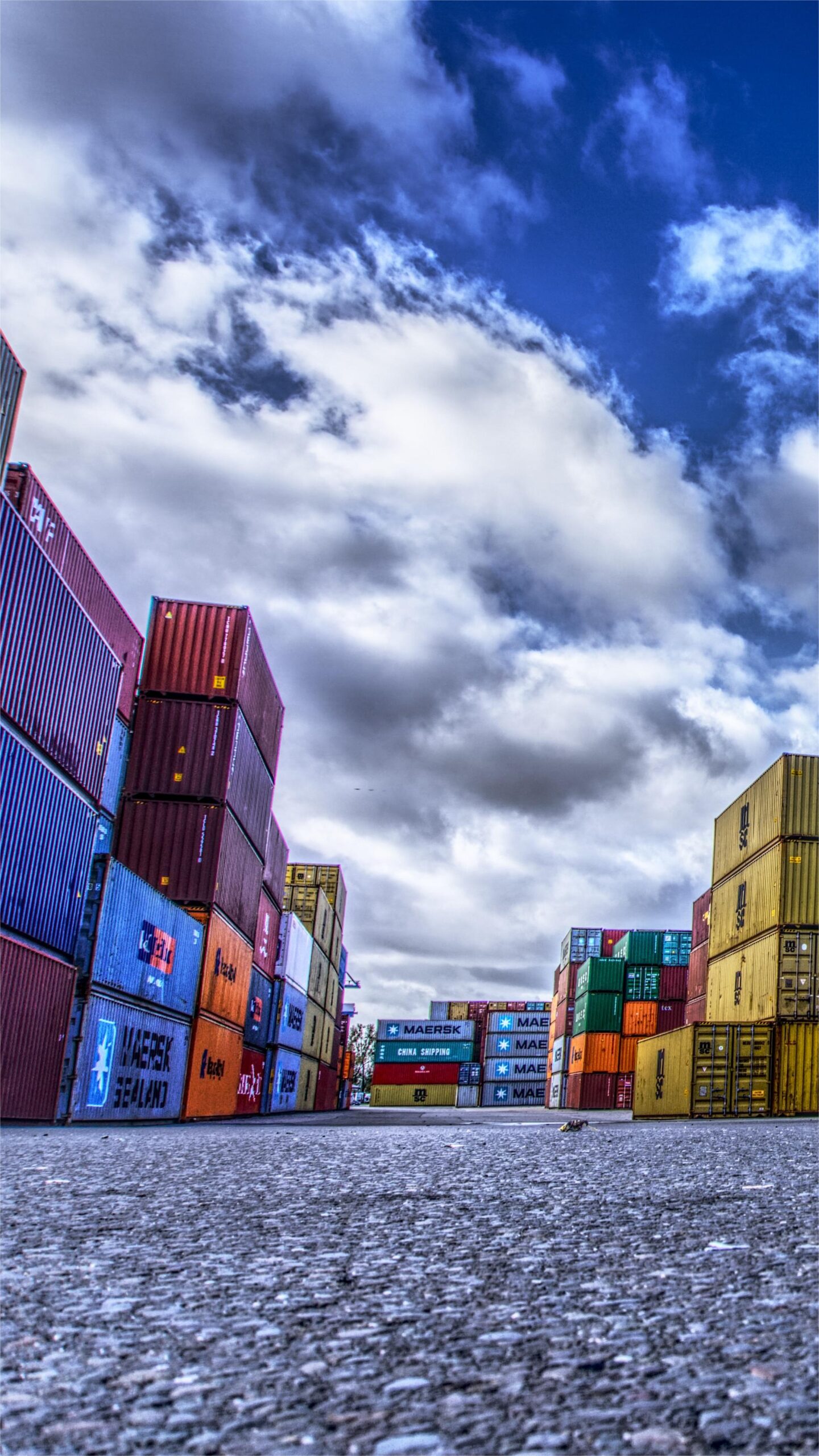
Evaluating alternative strategies is vital for maintaining a competitive edge in the Texas solar market. While open top containers are the standard for oversized modules, North America imports can also be handled via breakbulk or flat rack containers. Each method presents a different balance of protection, cost, and ease of handling upon arrival at the destination.
Breakbulk shipping is often reserved for massive utility-scale projects where thousands of panels are moved at once without containerization. However, this method requires specialized terminal handling and is generally less flexible than FCL shipping. On the other hand, flat rack containers offer even more space than open tops but leave the cargo more exposed to the elements during the transpacific voyage.
Hybrid solutions, such as combining sea freight with local warehousing in Houston, can help mitigate the impact of fluctuating ocean rates. By shipping in bulk during low-cost periods and storing inventory locally, Texas companies can stabilize their supply chain costs. Indeed, the choice of shipping method should always align with the specific technical requirements of the solar equipment being transported.
| Shipping Method | Cost Range | Transit Time | Best For |
|---|---|---|---|
| Open Top FCL | $6,000 – $9,000 | 30-40 Days | Oversized Modules |
| Standard FCL | $3,500 – $5,500 | 30-40 Days | Standard Pallets |
| LCL Shipping | $150 – $300/CBM | 40-50 Days | Small Replacements |
| Flat Rack | $8,000 – $13,000 | 30-40 Days | Extra Wide Cargo |
Customs Brokerage and Duties for Texas Solar Imports
Navigating the complex regulatory environment is a mandatory step for successfully importing solar technology into the United States. Utilizing a professional customs brokerage service ensures that your HTS codes are correctly applied and that you comply with all Section 301 tariffs. Specifically, solar panels from China are currently subject to various anti-dumping and countervailing duties that can drastically alter your landed cost.
Documentation must be meticulous to avoid expensive delays at the Port of Houston or other Texas entries. For instance, you will need a commercial invoice, packing list, bill of lading, and a certificate of origin to satisfy Customs and Border Protection. Furthermore, the Lacey Act and other environmental regulations may require additional declarations for the packaging materials used in your shipment.
Importers should also be aware of the recent legislative changes affecting the renewable energy sector in the USA. While some incentives exist for domestic production, the demand for high-efficiency Chinese panels remains strong among Texas developers. Accordingly, staying informed about tariff exemptions or changes in trade policy is essential for maintaining accurate financial projections for your projects.
Real Realistic Case Studies for Solar Shipping
Case Study 1: Large Scale Utility Project Support. Route: Shanghai, China to Houston, Texas. Cargo: Solar Racking Systems, 68 CBM, 18,500 kg. Container: 40ft Open Top (In-Gauge). Shipping Details: Carrier: COSCO. Port of Loading: Shanghai. Port of Discharge: Houston. Route Type: Direct via Panama Canal. Cost Breakdown: Ocean Freight: $6,850. Origin Charges: $450. Destination Charges: $850. Customs and Duties: $1,200. Total Landed Cost: $9,350. Timeline: Booking to Loading: 5 days. Sea Transit: 34 days. Customs Clearance: 3 days. Total Door-to-Door: 42 days. Key Insight: Early booking during the off-peak season saved the client approximately 15 percent on the base ocean freight.
Case Study 2: Residential Module Distribution. Route: Shenzhen, China to Dallas, Texas. Cargo: High-Efficiency Solar Modules, 52 CBM, 14,000 kg. Container: 2x40ft Open Top (OOG Height). Shipping Details: Carrier: Maersk. Port of Loading: Shenzhen. Port of Discharge: Houston (Rail to Dallas). Route Type: Transshipment via Busan. Cost Breakdown: Ocean Freight: $11,200 (including OOG surcharges). Origin Charges: $900. Destination Charges: $1,100. Customs and Duties: $2,400. Total Landed Cost: $15,600. Timeline: Booking to Loading: 7 days. Sea Transit: 38 days. Customs Clearance: 4 days. Total Door-to-Door: 49 days. Key Insight: Using an intermodal rail connection from Houston to Dallas reduced inland trucking costs by 30 percent compared to direct drayage.
Note: Freight rates are subject to change based on fuel costs, carrier capacity, and seasonal demand. Contact us for a current quote tailored to your specific shipment.

Decision Framework: Which Option Should You Choose?
Choosing the right logistics path requires a careful assessment of your project priorities and technical constraints. If your primary goal is budget optimization and your panels fit within standard dimensions, a 40HQ container is almost always the superior choice. However, if the physical safety of the panels and ease of site-unloading are paramount, the Open Top FCL shipping cost for solar panels from China to Texas is a worthwhile investment.
Speed priority often dictates a different approach, such as discharging at a West Coast port and using expedited rail or truck services. While this increases the cost by 20 to 30 percent, it can shave two weeks off the total transit time compared to the all-water route to Houston. Consequently, developers facing strict commissioning deadlines often choose this more expensive but faster alternative.
Cargo type considerations also play a role in the final decision-making process. For example, delicate inverters might require the added protection of a standard container, while heavy mounting structures are better suited for open tops. Ultimately, a hybrid approach that uses different container types for different components often yields the best balance of safety and cost-efficiency.
Mastering Your Solar Logistics Strategy
Successfully managing the Open Top FCL shipping cost for solar panels from China to Texas is a vital skill for modern energy importers. By understanding the nuances of equipment surcharges, transit routes, and customs requirements, you can significantly reduce your landed costs. Moreover, partnering with an experienced freight forwarder allows you to focus on project execution while the logistics complexities are handled by professionals. As the Texas solar market continues to expand, maintaining a flexible and cost-effective shipping strategy will remain a key driver of your business success.

Ready to streamline your logistics?
Ready to optimize your renewable energy supply chain? Contact our experts today to receive a personalized quote for your Open Top FCL shipping cost for solar panels from China to Texas. Our team is standing by to help you navigate customs and secure the best carrier rates for your next project. Send Inquiry to get started with a professional logistics partner.
Request Quote