China FCL FOB shipping to Germany: A Complete Guide for 2025
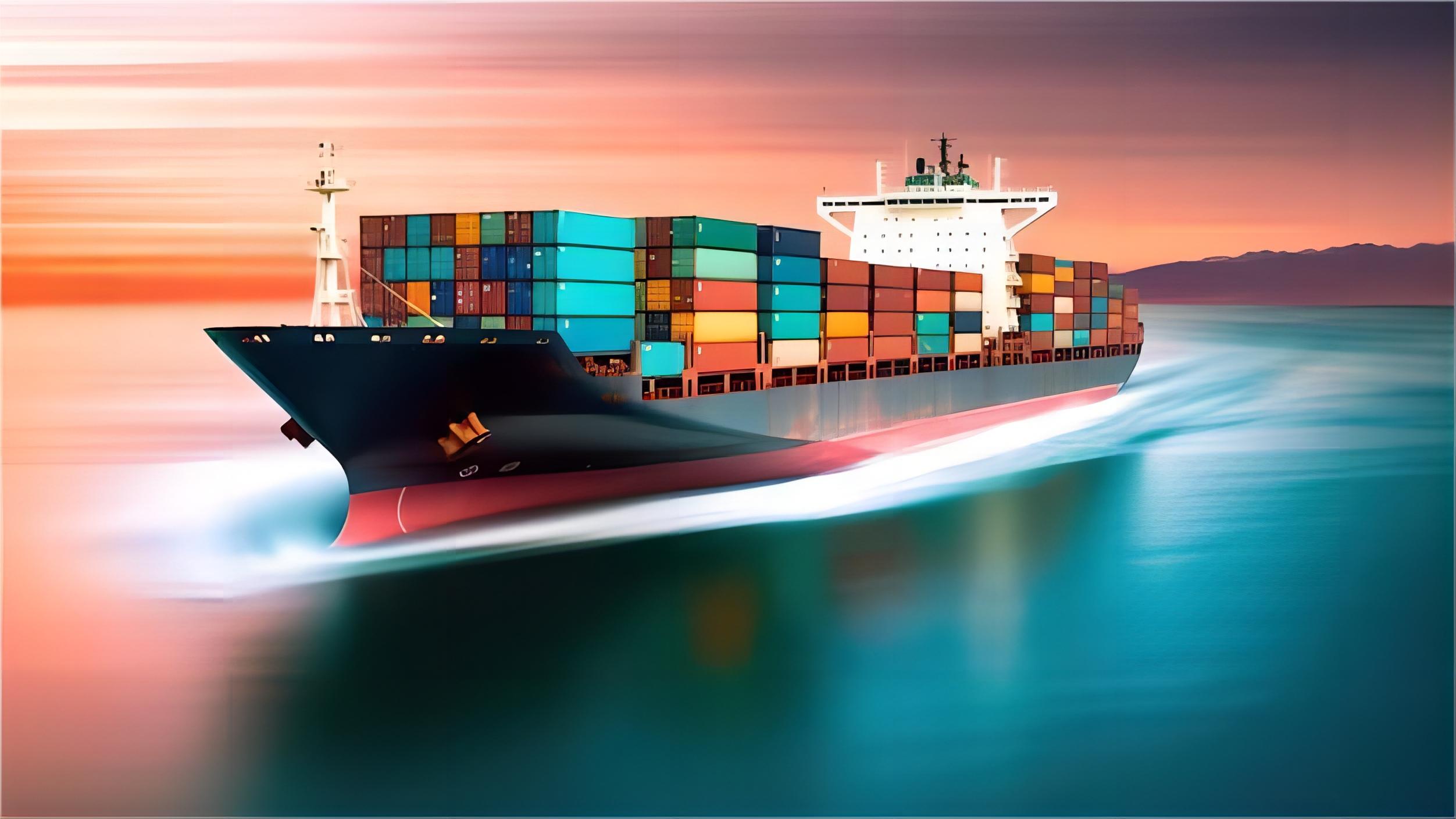
Navigating the complexities of international trade requires a clear understanding of logistics costs and responsibilities. Selecting Top China Freight ensures your goods move efficiently from Asian factories to German warehouses. This comprehensive guide explores everything you need to know about China FCL FOB shipping to Germany to optimize your supply chain. Furthermore, we will break down the costs, timelines, and documentation needed for a successful import process. Consequently, importers can make informed decisions that balance speed and budget requirements.

What is China FCL FOB Shipping to Germany?
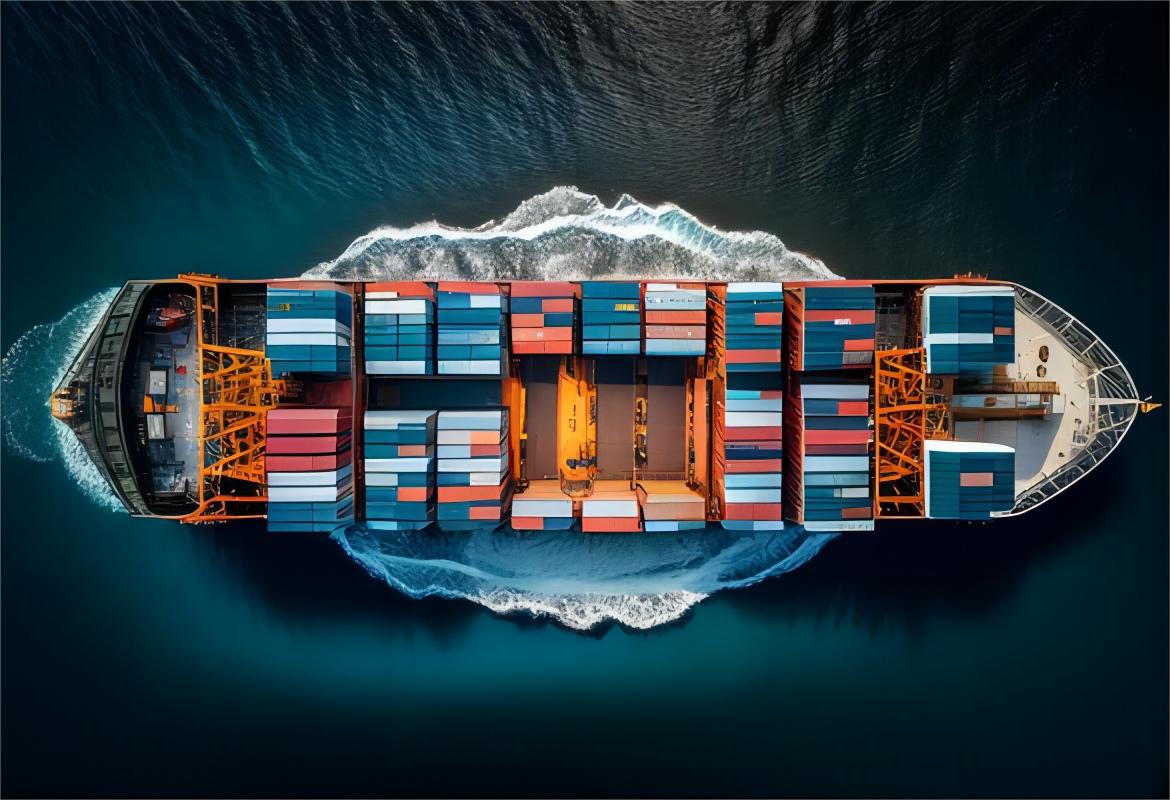
Full Container Load (FCL) refers to a shipment where a single importer occupies the entire space of a shipping container. Specifically, this method is ideal for large volumes of goods that require security and efficiency. Free on Board (FOB) is an Incoterm where the seller handles all costs and risks until the cargo is loaded onto the vessel. Once the goods cross the ship rail at the port of loading, the buyer assumes all responsibility for the ocean freight and destination charges.
Choosing sea freight under FOB terms allows German importers to maintain control over their shipping costs. Since you select the freight forwarder, you can negotiate better rates and choose preferred carriers. Moreover, FCL shipping minimizes the risk of damage because your cargo is not handled alongside other shippers’ goods. This combination of FCL and FOB remains the most popular choice for businesses importing electronics, machinery, and consumer goods from China.
Key Ports for China FCL FOB Shipping to Germany
China operates some of the world’s busiest ports, providing numerous options for your export needs. Major hubs like Shanghai, Shenzhen, and Ningbo offer frequent departures to European destinations. Additionally, the port of Qingdao and Tianjin serve northern manufacturing zones with specialized cargo handling capabilities. Selecting the port closest to your supplier is crucial for reducing domestic trucking costs within China.
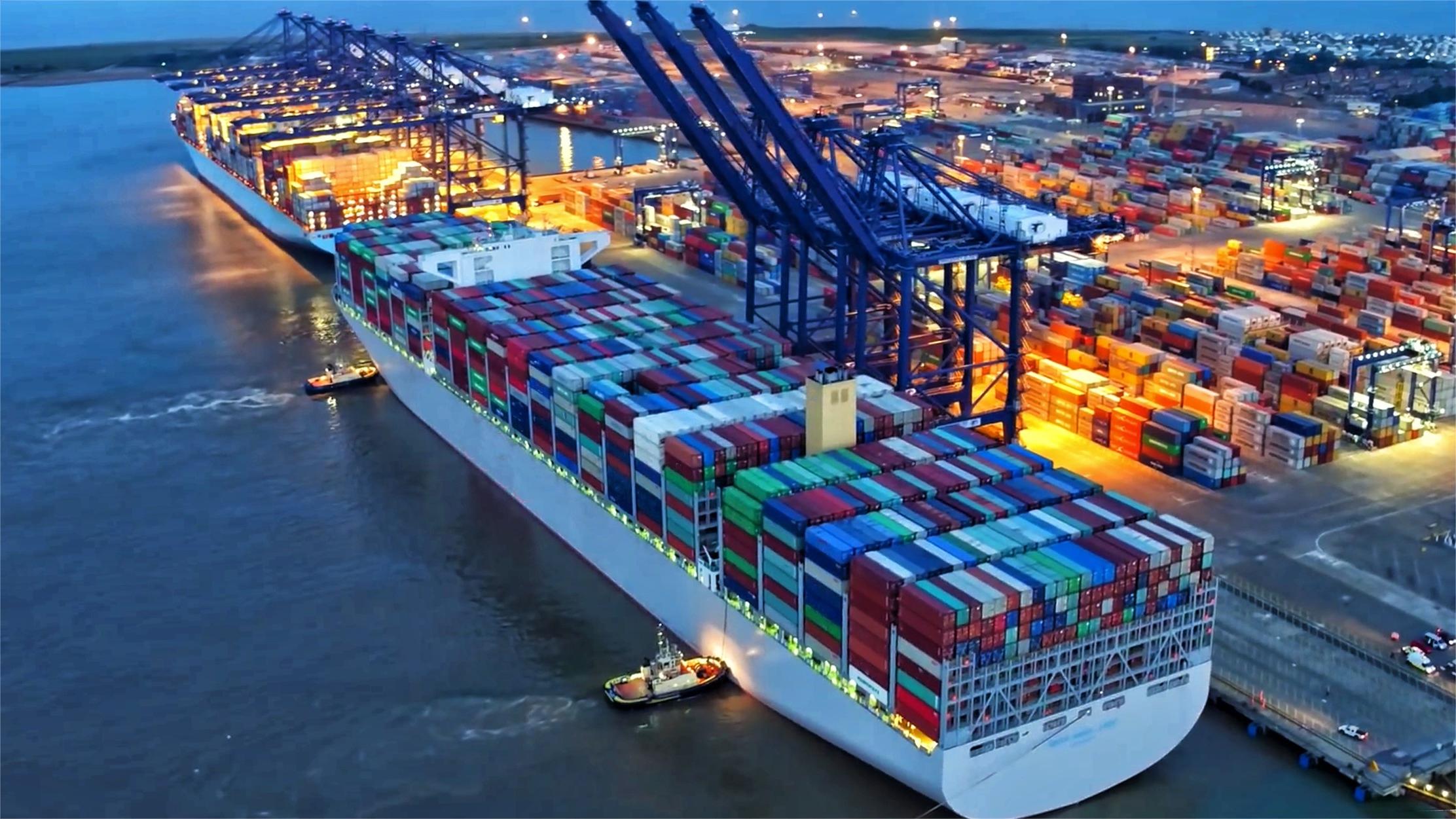
Germany features world-class maritime infrastructure to receive these massive container ships. The Port of Hamburg serves as the primary gateway, handling the majority of containerized trade between the two nations. Meanwhile, Bremerhaven offers excellent facilities for automotive and heavy machinery imports. Wilhelmshaven, Germany’s only deep-water port, provides an alternative for ultra-large container vessels that require deep drafts.
| Port of Loading (China) | Port of Discharge (Germany) | Direct Transit (Days) | Transshipment (Days) |
|---|---|---|---|
| Shanghai | Hamburg | 30-34 | 38-42 |
| Shenzhen | Bremerhaven | 28-32 | 35-40 |
| Ningbo | Hamburg | 32-35 | 40-45 |
| Qingdao | Wilhelmshaven | 35-38 | 42-48 |
Understanding Container Types and Freight Rates
Importers must choose the right container size to maximize cost efficiency. The standard 20GP container is suitable for heavy, dense cargo like tiles or metal parts. In contrast, the 40GP and 40HQ containers offer significantly more volume for lighter, bulky items like furniture or textiles. Specifically, a 40HQ container provides about 76 cubic meters of space, making it the most cost-effective option for large shipments.
Freight rates fluctuate based on market demand, fuel surcharges, and seasonal peaks. During the Q4 peak season, rates typically increase by 15-25 percent as retailers stock up for the holidays. Currently, ocean freight for a 40HQ container from China to Germany ranges between 3,000 and 4,200 USD. However, these prices can change rapidly due to global events or carrier capacity shifts. Therefore, we recommend requesting a real-time quote before finalizing your purchase orders.
| Container Type | Capacity (CBM) | Estimated Cost (USD) | Best For |
|---|---|---|---|
| 20GP | 33 CBM | $1,800 – $2,500 | Heavy machinery |
| 40GP | 67 CBM | $2,800 – $3,800 | General consumer goods |
| 40HQ | 76 CBM | $3,000 – $4,200 | Bulky furniture/E-commerce |
| Reefer 40HQ | 68 CBM | $4,500 – $6,500 | Perishable food/Pharma |
How Does FCL Compare to Other Shipping Options?
While FCL is highly efficient, other methods might suit specific business needs better. For instance, Less than Container Load (LCL) is preferable for shipments under 15 cubic meters. Nevertheless, LCL often involves higher handling fees and longer transit times due to the consolidation process. If your shipment is time-sensitive, you might consider alternatives that prioritize speed over cost.
Integrating customs brokerage services into your shipping plan is essential regardless of the method. Professional brokers ensure that your HS codes are accurate and that you comply with German import regulations. Consequently, this prevents costly delays at the Port of Hamburg. Below is a detailed comparison of the primary shipping modes available for the China-Germany route.
| Shipping Method | Cost Range | Transit Time | Best For | Limitations |
|---|---|---|---|---|
| Sea FCL | Low ($2k-$4k) | 30-40 Days | Large volume | Slowest speed |
| Rail Freight | Medium ($5k-$8k) | 15-22 Days | Mid-value goods | Capacity limits |
| Air Freight | High ($15k+) | 5-8 Days | Urgent/High-value | Very expensive |
| Sea-Air Hybrid | Moderate | 18-25 Days | Balancing cost/speed | Complex logistics |
Which Option Should You Choose? Decision Framework
Budget priority dictates that sea freight remains the superior choice for most importers. If you can plan your inventory 2-3 months in advance, the cost savings of FCL are undeniable. On the other hand, if you face a stockout, rail freight offers a middle ground with faster delivery than sea but lower costs than air. Indeed, many German companies now use a hybrid approach to maintain inventory stability.
Cargo type also plays a significant role in your final decision. Fragile electronics benefit from the stability of FCL containers where they aren’t moved frequently. Meanwhile, fashion items with short shelf lives often require the speed of air or rail. Consider the volume threshold: once your shipment exceeds 15 CBM, FCL almost always becomes cheaper than LCL. Always evaluate the total landed cost rather than just the port-to-port freight rate.
Navigating Customs Clearance and Documentation
Importing goods into Germany requires strict adherence to European Union customs regulations. You must provide a commercial invoice, a detailed packing list, and a Bill of Lading. Furthermore, a Certificate of Origin may be necessary to claim preferential duty rates under specific trade agreements. Failing to provide accurate documentation can lead to the seizure of goods or heavy fines from German customs authorities.
Ensuring compliance with EORI (Economic Operators Registration and Identification) is a mandatory step for any business importing into the EU. Additionally, you must calculate the Value Added Tax (VAT) and applicable customs duties based on the TARIC code of your products. Since Germany is a key part of Europe logistics, its customs processes are highly digitalized but very rigorous. Professional guidance helps navigate these bureaucratic requirements without unnecessary stress.
Real Case Studies: China to Germany Shipments
Case Study 1: Electronics from Ningbo to Hamburg
Route: Ningbo, China to Hamburg, Germany. Cargo: Consumer electronics, 65 CBM, 12,000 kg. Container: 40HQ. Shipping Details: Direct service via major carrier. Port of Loading: Ningbo. Port of Discharge: Hamburg. Route Type: Direct. Cost Breakdown: Ocean Freight: $3,450. Origin Charges: $450. Destination Charges: $600. Customs and Duties: $4,200. Total Landed Cost: $8,700. Timeline: Booking to Loading: 5 days. Sea Transit: 33 days. Customs Clearance: 2 days. Total Door-to-Door: 40 days. Key Insight: Early booking allowed the importer to secure a lower rate before the peak season surge.
Case Study 2: Industrial Parts from Shenzhen to Bremerhaven
Route: Shenzhen, China to Bremerhaven, Germany. Cargo: Steel industrial components, 25 CBM, 18,000 kg. Container: 20GP. Shipping Details: Transshipment via Singapore. Port of Loading: Shenzhen. Port of Discharge: Bremerhaven. Route Type: Transshipment. Cost Breakdown: Ocean Freight: $2,100. Origin Charges: $380. Destination Charges: $550. Customs and Duties: $1,800. Total Landed Cost: $4,830. Timeline: Booking to Loading: 4 days. Sea Transit: 38 days. Customs Clearance: 3 days. Total Door-to-Door: 45 days. Key Insight: Using a 20GP was necessary due to the high weight density of the steel parts, preventing container overweight surcharges.
Cost-Saving Strategies for German Importers
Optimizing your container space is the most effective way to lower per-unit shipping costs. Work closely with your supplier to design packaging that fits perfectly within the dimensions of a 40HQ container. Additionally, consolidating multiple smaller orders from different suppliers into one FCL shipment can save thousands in freight charges. This strategy requires a reliable warehouse partner in China to manage the consolidation process.
Negotiating FOB terms effectively involves understanding the local charges in China. While the seller pays for the transport to the port, you should verify that they use reputable local haulers to avoid delays. Moreover, consider purchasing marine insurance through your own provider rather than the carrier. This often results in better coverage and lower premiums. Finally, staying flexible with your departure dates can allow you to catch ‘spot rates’ which are often lower than long-term contract prices.
Final Thoughts on FCL Shipping to Germany
Successfully managing China FCL FOB shipping to Germany requires a blend of strategic planning and expert execution. By choosing the right container size and understanding the responsibilities under FOB terms, you can significantly reduce your overhead. Remember that while cost is important, the reliability of your freight forwarder and the accuracy of your documentation are what prevent expensive disruptions. Ultimately, a well-managed logistics route from China to Germany serves as a competitive advantage for your business in the European market.
Note: Freight rates are subject to change based on fuel costs, carrier capacity, and seasonal demand. Contact us for a current quote tailored to your specific shipment.
Ready to streamline your logistics?
Ready to streamline your supply chain with reliable China FCL FOB shipping to Germany? Contact the experts at Top China Freight today for a customized quote and professional logistics support. Visit our website to start your inquiry and secure the best market rates for your next container shipment. Send Inquiry: https://Top China Freight.com/contact-us/
Request Quote