

Reefer FCL Shipping from China to Georgia: The Complete 2025 Guide
Transporting temperature-sensitive goods across international borders requires meticulous planning and specialized equipment. At Top China Freight, we understand the complexities of maintaining a perfect cold chain from origin to destination. Our dedicated Reefer FCL shipping from China to Georgia ensures that your perishable inventory remains fresh, safe, and compliant with all international regulations.

What Is Reefer FCL Shipping from China to Georgia?
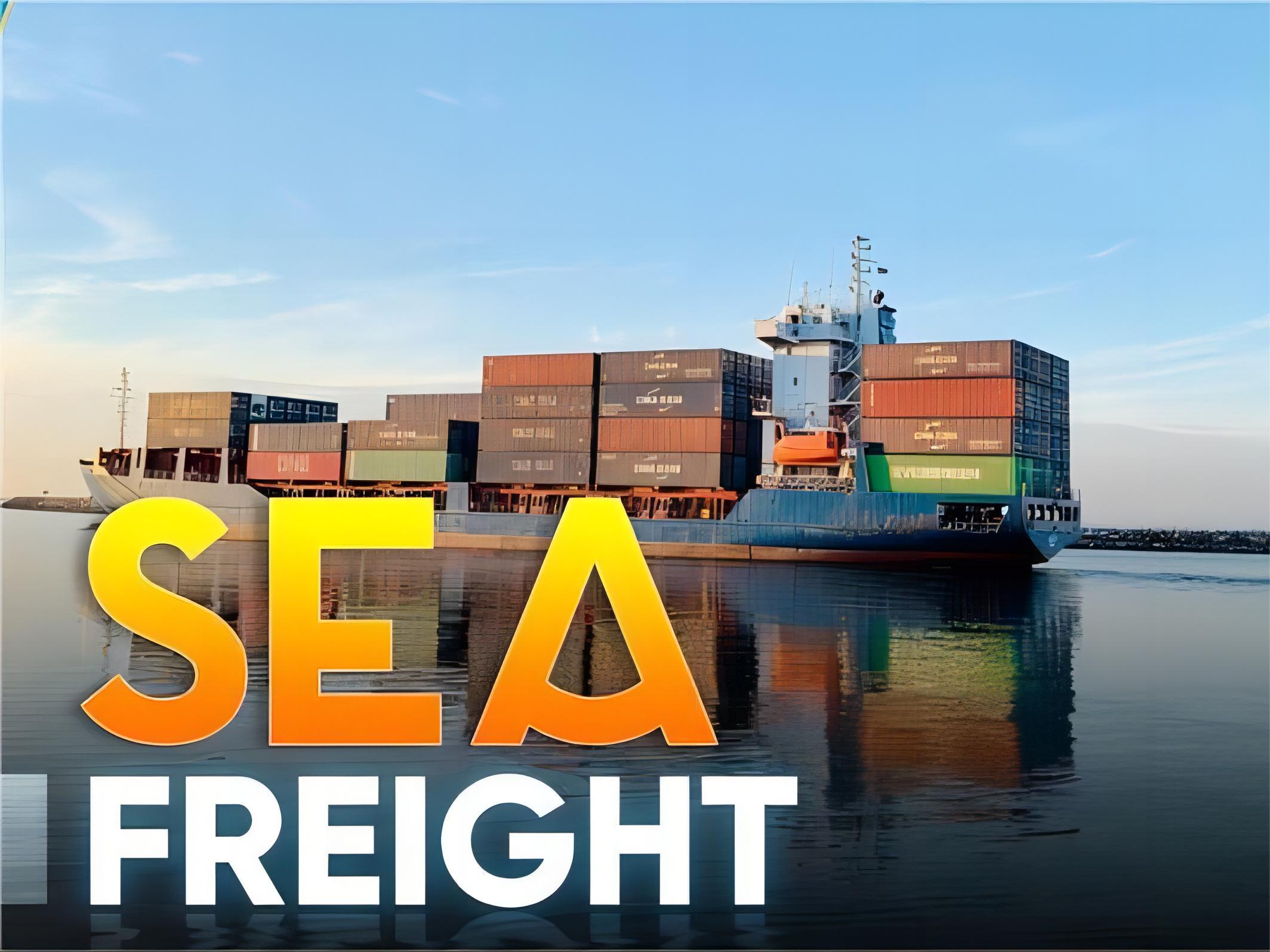
Reefer FCL stands for Refrigerated Full Container Load, a method where a single shipper occupies an entire temperature-controlled container. This shipping mode is essential for goods that require specific thermal environments, such as fruits, meats, and pharmaceuticals. By choosing sea freight, companies can move large volumes of these goods cost-effectively over long distances.
Moreover, the dedicated space in an FCL shipment reduces the risk of temperature fluctuations caused by opening the doors for other cargo. Consequently, your goods remain in a stable environment from the moment they leave the factory in China until they reach Georgia. Therefore, businesses often prefer this method for high-value perishables that demand strict quality control.
Why Choose Reefer FCL for Your Perishable Goods?
Selecting the right shipping method is vital for maintaining the shelf life of your products. Reefer containers provide precise temperature, humidity, and ventilation settings tailored to your specific cargo needs. Additionally, these units come equipped with advanced monitoring systems to track conditions in real-time. Indeed, the ability to control every aspect of the micro-environment within the container is a significant advantage.
Furthermore, using a full container load eliminates the handling risks associated with LCL shipments. Since the container is sealed at the origin, there is less chance of physical damage or contamination during transit. Accordingly, this reliability makes Reefer FCL the gold standard for international food and medicine logistics.
How Does Reefer FCL Compare to Other Shipping Options?
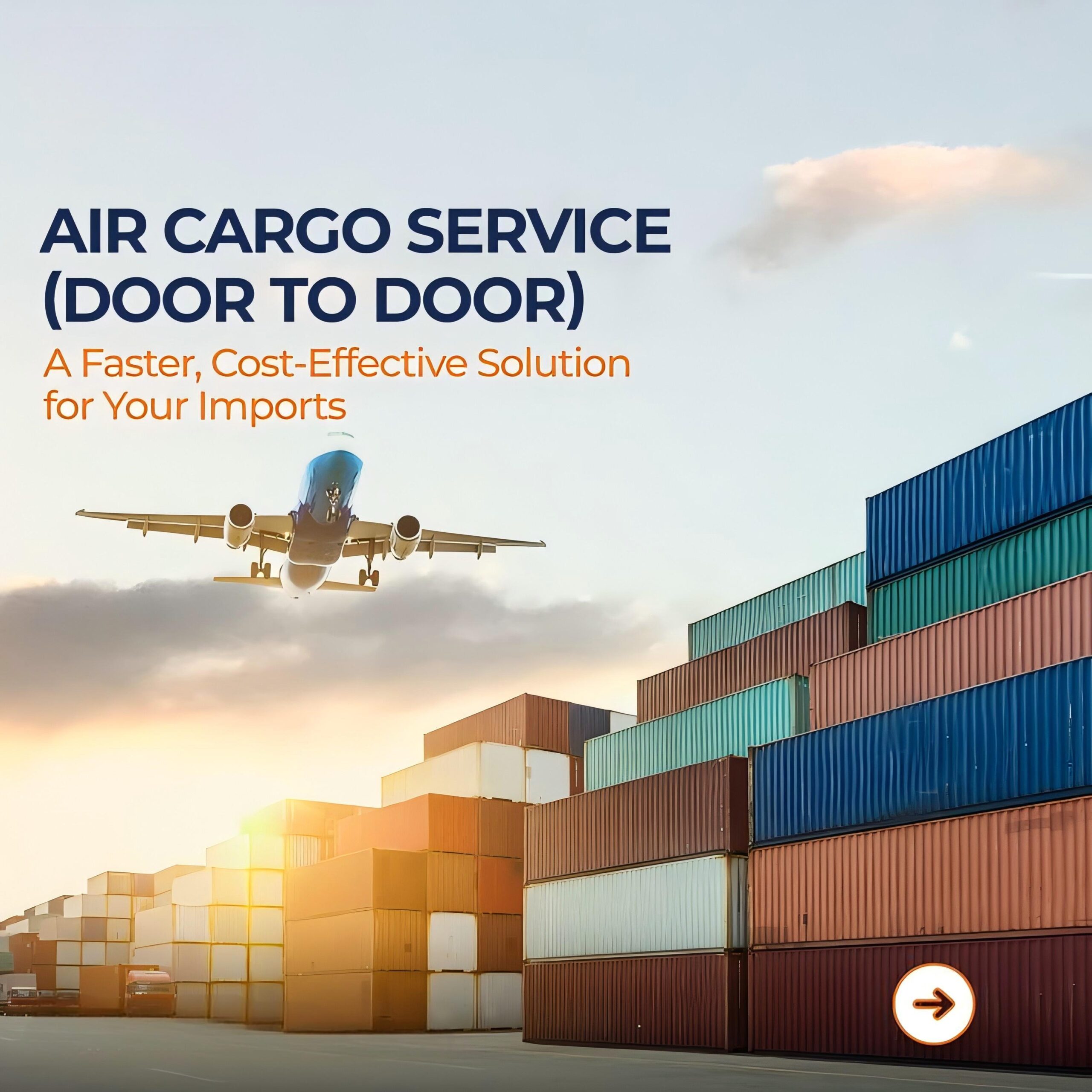
While Reefer FCL is a popular choice, businesses must evaluate all available logistics strategies. For instance, air freight offers unmatched speed but comes at a significantly higher price point. In contrast, rail options provide a middle ground for transit time and cost. Nevertheless, sea-based Reefer FCL remains the most economical solution for bulk shipments.
Each method serves a different purpose within the global supply chain. While sea freight handles the majority of global trade, air freight is reserved for urgent or highly perishable items with short shelf lives. Meanwhile, rail transport is gaining traction for routes connecting China to Eurasia due to its improving infrastructure.
| Shipping Method | Cost Range | Transit Time | Best For |
|---|---|---|---|
| Sea Reefer FCL | $4,200 – $6,500 | 35-45 Days | Bulk Perishables |
| Air Freight | $12,000 – $18,000 | 5-8 Days | Urgent Medicals |
| Rail Freight | $5,500 – $7,800 | 22-28 Days | Mid-range Volume |
| Sea-Air Hybrid | $8,000 – $11,000 | 18-22 Days | Balanced Priority |
Which Option Should You Choose?
Determining the best shipping route depends on your budget, cargo type, and delivery deadlines. If your primary goal is cost reduction for large volumes, sea-based Reefer FCL is undoubtedly the best path. However, if you are transporting seasonal goods with a very narrow market window, the speed of air transport might justify the expense. Consequently, we recommend analyzing the total landed cost before making a final decision.
Volume thresholds also play a critical role in this selection process. For shipments exceeding 15 cubic meters, FCL is generally more efficient than LCL. On the other hand, smaller shipments might benefit from specialized air solutions. To summarize, your choice should align with your specific supply chain requirements and profit margins.
Key Ports and Routes for China to Georgia Shipping
Most Reefer FCL shipments originate from major Chinese hubs like Shanghai, Ningbo, or Shenzhen. These ports offer advanced cold chain infrastructure and frequent departures to ensure timely transport. Subsequently, the cargo typically travels through the Suez Canal before reaching the Black Sea. The primary gateway for Georgia is the Port of Poti, which handles the bulk of the country’s containerized trade.
Additionally, some shippers utilize rail freight via the Middle Corridor to reach Georgia faster than sea routes. This path crosses Central Asia and the Caspian Sea, offering a strategic alternative for time-sensitive goods. Nevertheless, the majority of heavy refrigerated cargo continues to move via established maritime lanes due to lower freight rates.
Understanding the Costs of Reefer FCL Shipping
Freight rates for refrigerated containers are influenced by several factors, including fuel surcharges and seasonal demand. Generally, Reefer FCL costs are 20 percent to 30 percent higher than standard dry containers due to the electricity and maintenance required. Moreover, peak seasons often see a spike in prices as capacity becomes limited. Therefore, early booking is essential to secure competitive rates.
Market data suggests that rates from China to Georgia have stabilized in early 2025 following previous disruptions. However, you should always account for origin and destination charges, such as terminal handling fees and documentation costs. In addition, customs duties in Georgia will vary based on the HS code of your specific products. Note: Freight rates are subject to change based on fuel costs, carrier capacity, and seasonal demand. Contact us for a current quote tailored to your specific shipment.

| Route | 20RF Container | 40RH Container | Transit Time |
|---|---|---|---|
| Shanghai to Poti | $3,800 – $4,500 | $4,800 – $5,800 | 38-42 Days |
| Shenzhen to Poti | $3,600 – $4,300 | $4,600 – $5,600 | 35-40 Days |
| Ningbo to Poti | $3,900 – $4,600 | $4,900 – $5,900 | 37-43 Days |
Essential Documentation for Georgian Customs
Navigating the regulatory landscape requires a comprehensive understanding of customs brokerage procedures. For Reefer FCL shipping from China to Georgia, you must provide a commercial invoice, packing list, and bill of lading. Furthermore, many perishable items require phytosanitary or veterinary certificates to prove they meet health standards. Indeed, missing paperwork is the most common cause of costly delays at the border.
Moreover, Georgia has specific labeling requirements for imported food and pharmaceutical products. Consequently, ensuring that all labels are translated and compliant before the cargo leaves China is a vital step. Additionally, having a local agent in Georgia can significantly speed up the clearance process. As a result, your goods can move quickly from the port to their final destination.
| Document Name | Purpose | Required By | Priority |
|---|---|---|---|
| Bill of Lading | Title of Goods | Carrier/Customs | Critical |
| Phytosanitary Cert | Health Safety | Agri Ministry | High |
| Certificate of Origin | Duty Calculation | Customs | High |
| Packing List | Cargo Verification | Port Authority | Medium |
Real-World Case Studies: China to Georgia Logistics
Case Study 1: Frozen Fruit Export. Route: Qingdao, China to Poti, Georgia. Cargo: Frozen Berries, 22 CBM, 15,000 kg. Container: 40HQ Reefer. Shipping Details: Major carrier via Suez Canal. Port of Loading: Qingdao. Port of Discharge: Poti. Route Type: Transshipment via Istanbul. Cost Breakdown: Ocean Freight: $5,200. Origin Charges: $450. Destination Charges: $600. Customs: $1,200. Total Landed Cost: $7,450. Timeline: Booking to Loading: 4 days. Sea Transit: 41 days. Customs Clearance: 2 days. Total Door-to-Door: 47 days. Key Insight: Pre-cooling the cargo to the exact target temperature before loading prevented any spikes during the initial transit phase.
Case Study 2: Pharmaceutical Supplies. Route: Shanghai, China to Tbilisi, Georgia. Cargo: Vaccines, 10 CBM, 4,000 kg. Container: 20GP Reefer. Shipping Details: Direct service to Poti then truck to Tbilisi. Port of Loading: Shanghai. Port of Discharge: Poti. Route Type: Direct. Cost Breakdown: Ocean Freight: $4,100. Origin Charges: $400. Destination Charges: $550. Customs: $800. Total Landed Cost: $5,850. Timeline: Booking to Loading: 3 days. Sea Transit: 38 days. Customs Clearance: 1 day. Total Door-to-Door: 42 days. Key Insight: Utilizing a high-spec reefer with remote monitoring allowed the client to receive hourly temperature updates, ensuring compliance with medical standards.
Case Study 3: Fresh Garlic Shipment. Route: Shenzhen, China to Batumi, Georgia. Cargo: Fresh Garlic, 26 CBM, 20,000 kg. Container: 40HQ Reefer. Shipping Details: Sea-Rail hybrid via Middle Corridor. Port of Loading: Shenzhen. Port of Discharge: Poti. Route Type: Multi-modal. Cost Breakdown: Total Freight: $6,800. Customs: $900. Total Landed Cost: $7,700. Timeline: Total Door-to-Door: 28 days. Key Insight: Choosing the Middle Corridor saved 14 days compared to traditional sea routes, which was crucial for maintaining the garlic’s freshness during a peak demand period.
Tips for Optimizing Your Cold Chain Supply Chain
To maximize efficiency, you should consider a door to door service that manages the entire journey. This integrated approach reduces the number of handovers and minimizes the risk of temperature breaks. Furthermore, implementing advanced data loggers inside your containers provides an extra layer of security. Consequently, you will have documented proof of temperature stability in case of insurance claims.
Additionally, optimizing your packaging can improve airflow within the refrigerated container. Proper ventilation is essential for removing heat generated by the cargo itself, especially for fresh produce. Moreover, regular audits of your suppliers’ loading practices can prevent common issues like blocked floor vents. Indeed, a proactive approach to logistics management always yields better long-term results.
Final Thoughts on Reefer FCL Shipping
Managing Reefer FCL shipping from China to Georgia requires a deep understanding of both technical requirements and international trade laws. By selecting the right container type and shipping route, you can significantly reduce waste and improve your bottom line. Furthermore, partnering with an experienced freight forwarder ensures that your cold chain remains unbroken from start to finish.
To summarize, the combination of advanced reefer technology and strategic planning is the key to successful international logistics. Whether you choose sea, rail, or air, the goal remains the same: delivering high-quality products to the Georgian market. We encourage you to leverage the insights in this guide to optimize your future shipments and grow your business with confidence.
Ready to streamline your logistics?
Are you ready to streamline your Reefer FCL shipping from China to Georgia? Our team of logistics experts is standing by to provide you with a customized quote and a reliable transport plan. Contact Top China Freight today to ensure your temperature-sensitive cargo receives the professional care it deserves. Visit our website to start your inquiry and secure your shipment for the upcoming season.
Request Quote