

Reefer FCL tracking for solar panels from China to Spain: A Complete Guide
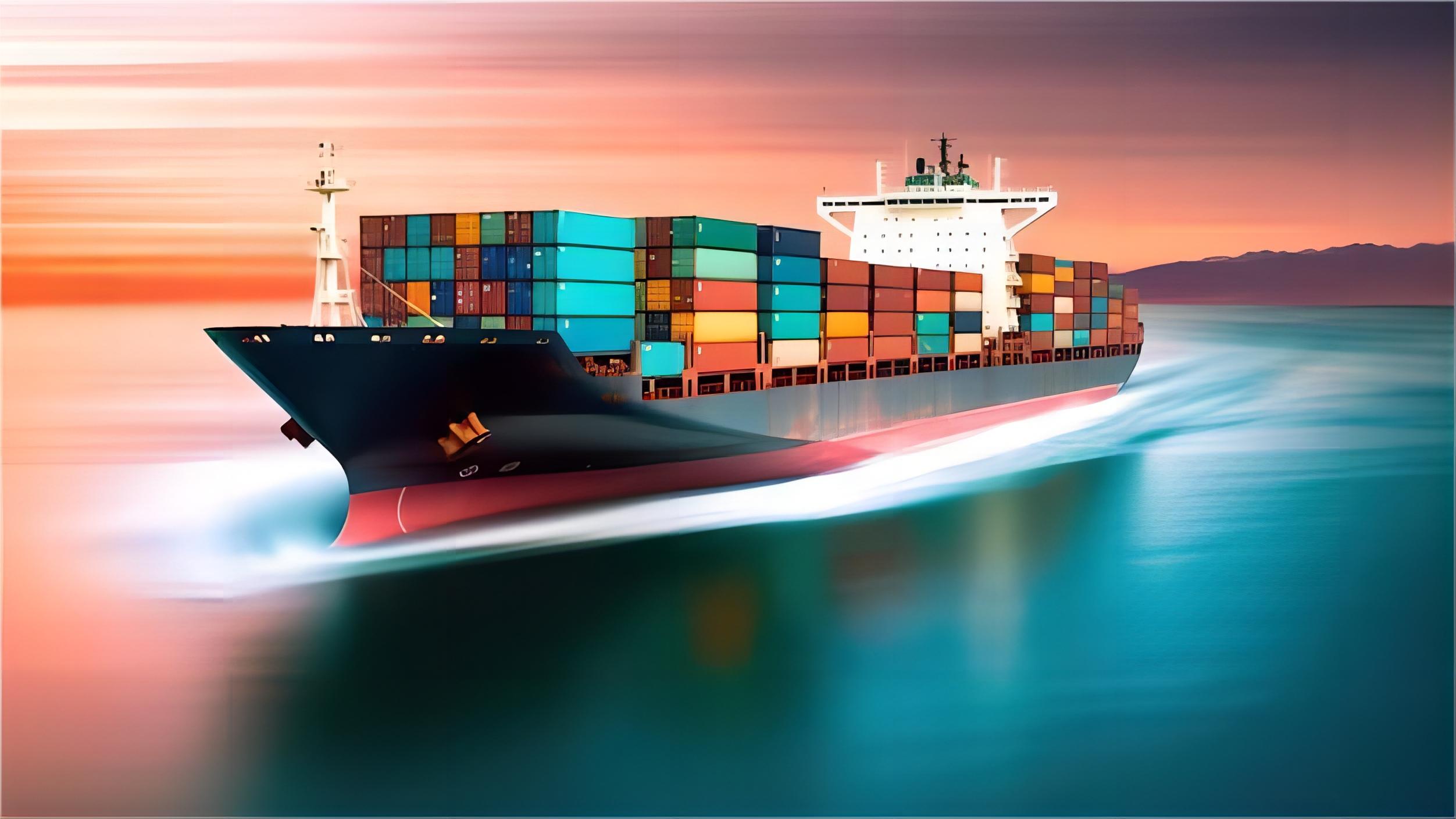
Managing reefer FCL tracking for solar panels from China to Spain requires a sophisticated understanding of both cold chain technology and international logistics. As the global demand for renewable energy grows, many manufacturers now utilize specialized climate-controlled containers to protect sensitive photovoltaic components from extreme temperature fluctuations during transit. At Top China Freight, we provide the expertise needed to ensure your high-value solar assets arrive in perfect condition while maintaining full visibility throughout the journey. This guide explores the technical requirements, tracking mechanisms, and strategic advantages of using refrigerated containers for your solar energy projects in Europe.
Why Use Reefer FCL Tracking for Solar Panels from China to Spain?
Standard shipping containers often reach internal temperatures exceeding 60 degrees Celsius when crossing the equator or traveling through the Middle East. Consequently, sensitive solar modules, particularly those with advanced thin-film technology or integrated battery systems, may suffer from thermal degradation or micro-cracking. Using reefer containers ensures that the environment remains stable, preserving the structural integrity and efficiency of the panels.
Moreover, reefer FCL tracking for solar panels from China to Spain provides real-time data on temperature, humidity, and location. This level of transparency is essential for insurance compliance and quality assurance protocols required by major European energy contractors. Therefore, importers can mitigate risks associated with long-distance maritime transport by utilizing active cooling systems and GPS-enabled monitoring devices.
Additionally, the high value of modern solar equipment justifies the investment in specialized logistics. While standard sea freight is common for bulk modules, specialized projects often demand the precision that only refrigerated units can provide. Furthermore, having a dedicated tracking system allows for proactive intervention if a power failure occurs on the vessel or at a transshipment hub.

The Technical Importance of Temperature Control in Solar Logistics
Photovoltaic cells are designed to withstand outdoor conditions, but the adhesives and laminates used in their construction are sensitive to extreme heat during prolonged storage. Indeed, excessive heat in a closed container can cause delamination or the release of volatile organic compounds that might fog the glass cover. By maintaining a constant temperature, usually between 15 and 25 degrees Celsius, shippers can eliminate these specific risks.
Furthermore, modern reefer units are equipped with advanced telematics that transmit data via satellite or cellular networks. This ensures that the cargo owner receives alerts the moment any parameter deviates from the set point. Consequently, the reliability of the supply chain is significantly enhanced, especially for high-stakes utility-scale installations across the Spanish peninsula.
Nevertheless, the logistical complexity increases when using reefer units because they require a constant power source, known as a ‘reefer point,’ at every stage of the journey. Accordingly, planning the route from Chinese factories to Spanish ports like Valencia or Barcelona must account for the availability of this infrastructure. Without doubt, working with an experienced freight forwarder is the best way to navigate these technical requirements.
How Does Reefer FCL Compare to Other Shipping Options?
Evaluating different transport modes is crucial for optimizing your logistics budget and meeting project deadlines. While reefer FCL offers the highest level of protection, it is important to understand how it stands against traditional methods. For instance, standard dry containers are more affordable but offer zero protection against the intense heat of the maritime route through the Suez Canal.
On the other hand, air freight provides unparalleled speed but comes at a cost that is often prohibitive for bulky solar panels. Meanwhile, rail options have emerged as a middle ground for shipments to Europe, though reefer capacity on trains is often limited compared to ocean vessels. Therefore, most large-scale importers prefer the balance of volume and protection offered by reefer sea freight.
In contrast, the tracking capabilities of reefer units are generally far superior to those of standard dry containers. Most reefer containers today are built with integrated IoT sensors as a standard feature, whereas dry containers require external devices to be manually attached. As a result, the data granularity for reefer FCL tracking for solar panels from China to Spain is often much higher.
| Reefer FCL (Sea) | $4,500 – $6,500 | 30-40 Days | High-end/Sensitive Panels |
| Standard FCL (Sea) | $2,200 – $3,800 | 30-40 Days | Standard Bulk Modules |
| Rail Freight | $6,000 – $9,000 | 18-24 Days | Urgent Land-locked Projects |
| Air Freight | $15,000+ | 5-9 Days | Prototypes/Emergency Parts |
Key Features of Real-Time Reefer Tracking Systems
Advanced tracking systems for refrigerated containers provide a wealth of data points beyond just GPS coordinates. For example, these systems monitor the supply and return air temperatures, ensuring the cooling unit is functioning correctly. Additionally, door opening sensors can alert managers to unauthorized access, which is a critical security feature for high-value solar shipments.
Furthermore, many tracking platforms offer geofencing capabilities that trigger notifications when the container enters or leaves specific zones, such as the Port of Ningbo or the Port of Algeciras. Consequently, logistics teams can prepare for customs clearance and inland transport well in advance of the vessel’s arrival. This proactive approach reduces the likelihood of expensive demurrage and detention charges.
Indeed, the integration of this data into a centralized dashboard allows for better decision-making across the entire supply chain. If a delay is detected at a transshipment port, the importer can immediately notify the installation site in Spain to adjust their labor schedules. To summarize, reefer FCL tracking for solar panels from China to Spain is not just about temperature; it is about total supply chain visibility.
Transit Times and Route Planning from China to Spain
Shipping from major Chinese hubs like Shanghai, Shenzhen, or Qingdao to Spain typically involves a transit time of 30 to 45 days. However, the specific choice of port can impact both the speed and the reliability of the reefer power supply during the voyage. For instance, direct services to Valencia are often faster than those requiring transshipment in Singapore or Tangier Med.
Moreover, seasonal weather patterns and port congestion can influence the delivery schedule. During the peak season from August to October, freight rates usually increase by 15-25% as demand for container space rises. Therefore, booking your reefer FCL tracking for solar panels from China to Spain at least 3-4 weeks in advance is highly recommended to secure equipment and space.
Market data suggests that the route via the Suez Canal remains the most efficient for Spanish destinations, despite occasional geopolitical disruptions. Alternatively, some shippers are exploring the Cape of Good Hope route, which adds 10-12 days to the transit but avoids the volatile Red Sea region. Regardless of the route, consistent tracking remains the only way to manage the uncertainty of global shipping.
| Shanghai | Valencia | 32-35 | Direct |
| Shenzhen | Barcelona | 30-33 | Direct |
| Ningbo | Algeciras | 28-32 | Direct |
| Qingdao | Bilbao | 38-45 | Transshipment |
Customs Brokerage and Documentation for Solar Imports
Importing solar panels into the European Union requires meticulous attention to documentation and compliance with environmental regulations. Specifically, you must provide a commercial invoice, packing list, bill of lading, and the necessary CE certification to prove the panels meet EU safety standards. Utilizing a professional customs brokerage service can prevent costly delays at the Spanish border.
Additionally, solar panels may be subject to specific anti-dumping duties or VAT regulations depending on their origin and technical specifications. Consequently, it is vital to have your HS codes correctly classified before the shipment departs China. Errors in documentation can lead to the container being held in a customs warehouse, where reefer plug-in fees can accumulate rapidly.

Furthermore, the tracking data from your reefer unit can actually assist in the customs process by providing a verified record of the cargo’s journey. This is particularly useful for proving that the goods remained under controlled conditions, which may be required for certain tax exemptions or quality certifications. In short, accurate documentation is the backbone of a successful import operation.
Cost Factors and Budgeting for Reefer FCL Shipments
The cost of reefer FCL tracking for solar panels from China to Spain is influenced by several variables beyond the base ocean freight rate. For example, the ‘reefer surcharge’ covers the additional electricity and maintenance required for the cooling unit. Additionally, inland transportation costs in both China and Spain can vary significantly based on the distance from the port to the factory or warehouse.
To ensure a smooth transition from port to final destination, many importers choose a door to door service. This comprehensive approach simplifies the billing process and ensures that the reefer unit remains powered during the final mile of delivery. Nevertheless, you should always request a detailed breakdown of all charges, including terminal handling and documentation fees.
Note: Freight rates are subject to change based on fuel costs, carrier capacity, and seasonal demand. Contact us for a current quote tailored to your specific shipment. Typically, a 40HQ reefer container from China to Spain might cost between $4,500 and $6,500 depending on the current market conditions and the specific carrier used.
Real Case Studies: Solar Panel Logistics
Examining real-world examples helps illustrate the practical challenges and solutions involved in reefer logistics. These cases reflect typical scenarios encountered by our clients during the 2024-2025 shipping seasons.
Case Study 1: High-Efficiency Bifacial Modules Route: Shanghai, China to Valencia, Spain Cargo: 400 Bifacial Solar Panels, 65 CBM, 18,000 kg Container: 40HQ Reefer Shipping Details: – Carrier: COSCO – Port of Loading: Shanghai – Port of Discharge: Valencia – Route Type: Direct Cost Breakdown: – Ocean Freight: $5,200 – Origin Charges: $450 – Destination Charges: $600 – Customs and Duties: $1,200 – Total Landed Cost: $7,450 Timeline: – Booking to Loading: 5 days – Sea Transit: 33 days – Customs Clearance: 3 days – Total Door-to-Door: 41 days Key Insight: Maintaining a steady 20C temperature prevented micro-cracks in the sensitive bifacial glass layers during a summer transit.
Case Study 2: Thin-Film Solar Project Route: Shenzhen, China to Barcelona, Spain Cargo: Thin-film modules for facade integration, 28 CBM, 9,500 kg Container: 20GP Reefer Shipping Details: – Carrier: Maersk – Port of Loading: Shenzhen – Port of Discharge: Barcelona – Route Type: Transshipment via Tangier Cost Breakdown: – Ocean Freight: $3,800 – Origin Charges: $350 – Destination Charges: $550 – Customs and Duties: $900 – Total Landed Cost: $5,600 Timeline: – Booking to Loading: 4 days – Sea Transit: 36 days – Customs Clearance: 2 days – Total Door-to-Door: 42 days Key Insight: Real-time tracking allowed the client to monitor a power fluctuation during transshipment, which was resolved by the carrier within 2 hours.
Which Option Should You Choose?
Selecting the right shipping strategy depends on your project’s specific priorities regarding cost, speed, and safety. If your primary concern is the lowest possible price and you are shipping standard polycrystalline panels, a standard dry FCL might suffice. However, for premium N-type cells or modules with integrated electronics, the protection of a reefer unit is indispensable.
For urgent projects where time is of the essence, rail freight offers a faster alternative than sea, though you must confirm reefer availability on the specific line. In contrast, if you are managing a utility-scale project with hundreds of containers, sea freight remains the only viable option for maintaining a consistent flow of materials. Always weigh the potential cost of cargo damage against the higher freight rate of a reefer unit.
Without a doubt, the decision framework should include a risk assessment of the transit route. If your shipment is scheduled during the peak of summer, the necessity of temperature control increases dramatically. To summarize, prioritize reefer FCL when the value of the technical performance of the panels outweighs the incremental shipping cost.
Logistics Trends and Future Outlook
The shipping industry is rapidly adopting greener technologies, including electric-powered reefer units and more efficient insulation materials. Consequently, the carbon footprint of reefer FCL tracking for solar panels from China to Spain is expected to decrease over the coming years. This aligns perfectly with the sustainability goals of the renewable energy sector.
Furthermore, the integration of artificial intelligence into tracking platforms is enabling more accurate ETA predictions and better route optimization. For instance, AI can analyze weather patterns and port data to suggest the most stable route for temperature-sensitive cargo. As a result, the reliability of international solar logistics continues to improve, fostering more investment in the Spanish solar market.
Indeed, as Spain continues to lead Europe in solar energy production, the demand for high-quality logistics services will only grow. Staying informed about these trends and partnering with a forward-thinking freight provider will ensure your business remains competitive in this dynamic industry. According to industry benchmarks, those who invest in data-driven logistics see a 15% reduction in overall supply chain disruptions.
Final Thoughts on Solar Panel Shipping
Successfully managing reefer FCL tracking for solar panels from China to Spain is a vital component of modern renewable energy projects. By prioritizing temperature control and real-time visibility, importers can protect their high-value assets and ensure long-term project viability. Whether you are shipping specialized bifacial modules or thin-film technology, the technical advantages of refrigerated containers provide the peace of mind needed in a complex global market.
As we have explored, the combination of advanced tracking, expert customs handling, and strategic route planning forms the foundation of a resilient supply chain. While the costs may be higher than standard shipping, the reduction in risk and the assurance of quality make it a wise investment for any serious solar developer. Trust the experts to handle your logistics so you can focus on powering the future.
Ready to streamline your logistics?
Ready to secure your solar supply chain? Contact us today for professional reefer FCL tracking for solar panels from China to Spain and get a customized quote for your next shipment. Send Inquiry: https://Top China Freight.com/
Request Quote