

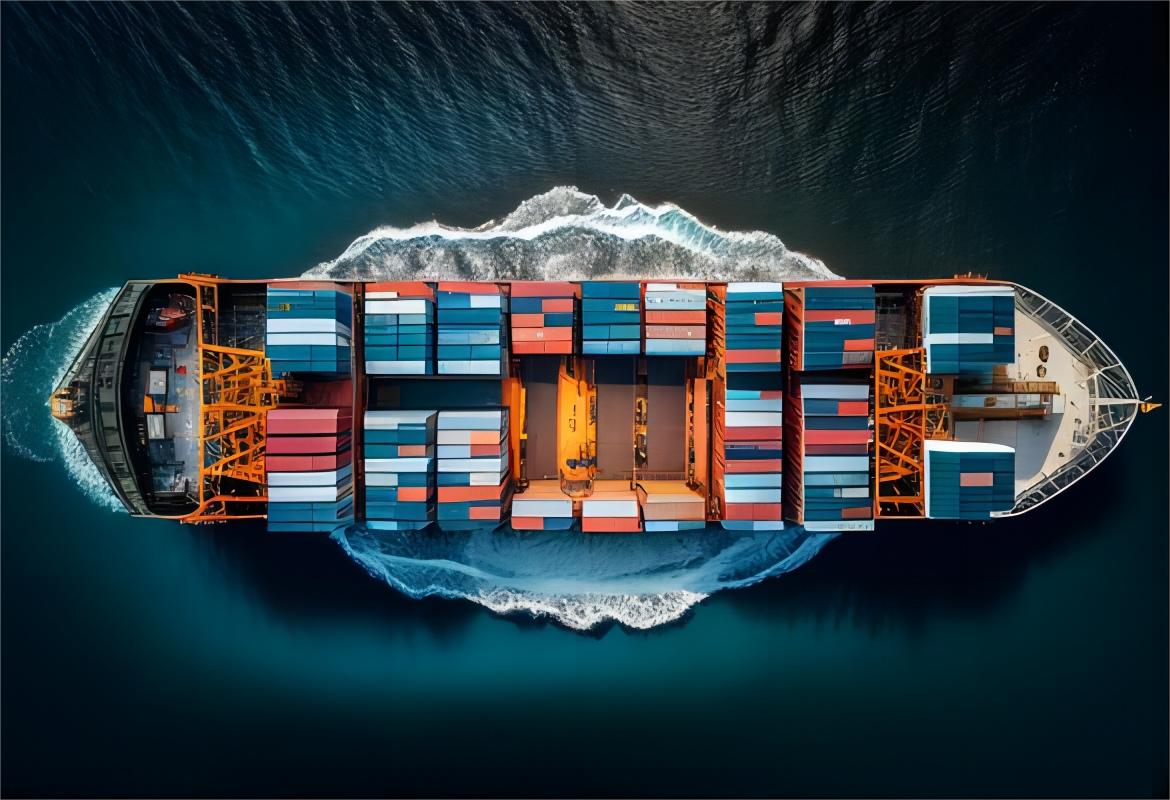
40HQ FCL Tracking for Solar Panels from China to Ireland
Securing reliable 40HQ FCL tracking for solar panels from China to Ireland is a top priority for renewable energy importers seeking supply chain transparency. By partnering with a professional freight forwarder like Top China Freight, you can ensure your photovoltaic cargo arrives safely and on schedule. This guide explores everything from real-time monitoring and Ireland import regulations to cost-saving strategies for your clean energy supply chain.

Why is 40HQ FCL Tracking for Solar Panels from China to Ireland Essential?
Visibility remains the cornerstone of modern logistics, especially when dealing with high-value renewable energy equipment. Consequently, knowing the exact location of your 40HQ container allows you to coordinate with local installers and manage inventory levels effectively.
Importers often face uncertainty regarding arrival dates at the Port of Dublin or Port of Cork. Furthermore, real-time data helps mitigate the risks of port congestion and potential demurrage charges that can arise from unforeseen delays.
Advanced tracking systems provide automated alerts for every milestone, from the moment the container leaves the factory in Shenzhen to its final destination in Ireland. Therefore, stakeholders can maintain a proactive stance rather than reacting to logistics crises after they occur.
Reliable data also supports better communication with financial partners and insurance providers. Indeed, having a documented history of your shipment’s journey is invaluable for risk management and compliance purposes.
How Does 40HQ FCL Compare to Other Shipping Options?
Choosing the right shipping method depends on your budget, volume, and urgency. While 40HQ FCL is the industry standard for solar panels, other options like LCL or air freight might serve specific needs for smaller batches or urgent replacements.
Ocean freight remains the most economical choice for large-scale solar projects. However, the transit time is significantly longer compared to air transport, which can impact project timelines if not planned well in advance.
Rail freight via the Silk Road offers a middle ground between sea and air in terms of speed and cost. Nevertheless, for the China-to-Ireland route, the sea-land connection or direct sea routes are generally more reliable for heavy solar equipment.
| Shipping Method | Cost Range (USD) | Transit Time | Best For |
|---|---|---|---|
| 40HQ FCL Sea | $3,200 – $4,500 | 32 – 42 Days | Bulk Solar Shipments |
| LCL Sea Freight | $80 – $150 per CBM | 35 – 45 Days | Small Residential Sets |
| Air Freight | $15,000 – $25,000 | 5 – 8 Days | Urgent Spare Parts |
| Rail (to Europe) | $4,000 – $6,000 | 18 – 24 Days | Time-Sensitive Projects |
Which Option Should You Choose for Your Solar Logistics?
Budget priority dictates that you should almost always opt for 40HQ FCL shipping. This method provides the lowest cost per unit, which is vital for maintaining competitive pricing in the Irish solar market.
Speed priority might lead you toward air freight or express services for critical components like inverters or specialized mounting hardware. On the other hand, sea freight is the only viable option for the heavy glass panels themselves due to weight restrictions.
Volume thresholds are a key consideration for savvy importers. If your shipment exceeds 15 cubic meters, booking a full container is usually more cost-effective than paying for multiple LCL slots.

Navigating Customs Brokerage for Irish Solar Imports
Importing solar panels into Ireland requires strict adherence to EU customs regulations and Irish Revenue requirements. Engaging a professional customs brokerage service ensures that your documentation is accurate and your duties are calculated correctly.
Documentation typically includes the Commercial Invoice, Packing List, and Bill of Lading. Additionally, you must provide a Certificate of Origin to potentially qualify for lower tariff rates under specific trade agreements.
Classification of goods using the correct HS Code is essential to avoid delays. For instance, solar panels are usually classified under code 85414300, but checking for updated anti-dumping duties is a critical step in the process.
Preparation is the key to a smooth clearance process at the Irish border. Consequently, you should submit all paperwork to your broker at least a week before the vessel arrives at the port.
| Document Name | Required By | Purpose | Criticality |
|---|---|---|---|
| Bill of Lading | Carrier/Customs | Title of Goods | High |
| Commercial Invoice | Revenue Ireland | Valuation for VAT | High |
| Packing List | Port Authorities | Cargo Verification | Medium |
| Cert. of Origin | Customs | Tariff Application | High |
Understanding Sea Freight Transit Times from China
Typical sea freight transit times from major Chinese ports like Shanghai or Ningbo to Dublin range between 32 and 40 days. However, these durations can fluctuate based on the specific carrier and the number of transshipment stops.
Direct routes are faster but often come at a premium price. In contrast, transshipment via major hubs like Rotterdam or Antwerp might add 5 to 7 days to the total journey but can offer significant cost savings.
Weather conditions in the South China Sea and the Indian Ocean can also impact the delivery schedule. Therefore, it is wise to build a buffer of at least one week into your project timeline to account for seasonal disruptions.
Monitoring the container’s progress through the Suez Canal is particularly important for Ireland-bound cargo. Meanwhile, staying informed about port labor situations in Dublin can help you prepare for the final discharge phase.
Cost-Saving Strategies for 40HQ FCL Shipments
Consolidating orders from multiple suppliers into a single 40HQ container is one of the most effective ways to reduce ocean freight rates. Moreover, optimizing the pallet layout inside the container ensures you are not paying for empty space.
Booking your shipment at least three to four weeks in advance can help you secure better rates from carriers. Additionally, avoiding the peak season between August and October can save you hundreds of dollars in surcharges.
Negotiating ‘Free Time’ at the destination port is another smart move for importers. For example, getting 14 days of free detention instead of the standard 7 days gives you more flexibility for inland transport in Ireland.
Note: Freight rates are subject to change based on fuel costs, carrier capacity, and seasonal demand. Contact us for a current quote tailored to your specific shipment.
Door-to-Door Logistics Solutions for Irish Businesses
Managing the entire journey from a factory in China to a warehouse in Cork or Galway is simplified with door to door services. This comprehensive approach eliminates the need for you to coordinate multiple logistics providers.
Local trucking in Ireland is a critical component of the last-mile delivery. Furthermore, ensuring that your delivery site has the proper equipment, such as a forklift or crane, is essential for the safe unloading of solar panels.
Insurance for the entire journey is highly recommended to protect against damage during transit. Without a doubt, the peace of mind provided by all-risk cargo insurance far outweighs the relatively small premium cost.
Streamlining your supply chain with a single point of contact improves efficiency. Consequently, you can focus on your core business of installing solar energy systems while the logistics experts handle the heavy lifting.
Real-World Logistics Case Studies
Case Study 1: Large Scale Utility Project. Route: Shanghai, China to Dublin, Ireland. Cargo: Tier 1 Solar Panels, 25 tons. Container: 40HQ. Shipping Details: Direct sea service via MSC. Timeline: 34 days port-to-port. Cost: $3,850 ocean freight. Key Insight: Early booking during the off-peak season saved the client 15% on total landed costs.
Case Study 2: Residential Distributor. Route: Shenzhen, China to Cork, Ireland. Cargo: Mixed Solar Kits, 18 tons. Container: 40HQ. Shipping Details: Transshipment via Rotterdam. Timeline: 41 days total. Cost: $4,100 total landed cost. Key Insight: Using a transshipment route allowed for a lower freight rate despite the slightly longer transit time.
Case Study 3: Urgent Commercial Install. Route: Ningbo, China to Dublin, Ireland. Cargo: High-efficiency modules. Container: 40HQ. Shipping Details: Priority loading service. Timeline: 32 days. Cost: $4,400. Key Insight: Priority booking ensured the shipment bypassed a 10-day port congestion delay in Ningbo.
Handling and Security for High-Value Solar Panels
Proper cargo handling is vital because solar panels are fragile and susceptible to micro-cracks if mishandled. Therefore, ensuring that the container is packed tightly with sufficient cushioning is the first line of defense.
Security seals must be verified at every transfer point to prevent theft or tampering. Additionally, using GPS-enabled smart containers can provide an extra layer of 40HQ FCL tracking for solar panels from China to Ireland.
Moisture control inside the container is also a concern during the long sea voyage. For instance, using industrial-grade desiccant bags helps prevent the ‘container rain’ effect that can damage sensitive electronic components.
Training your warehouse staff on the correct way to de-van a 40HQ container is equally important. Consequently, you reduce the risk of accidental damage during the final stage of the logistics process.
Market Trends and Future Outlook for 2025
Shipping rates to Europe are expected to stabilize in 2025 as global carrier capacity increases. However, geopolitical factors and fuel price fluctuations will continue to play a role in monthly pricing adjustments.
Digitalization of the supply chain is accelerating, with more carriers offering blockchain-based tracking solutions. Furthermore, the push for ‘green shipping’ will likely lead to new environmental surcharges for carbon-neutral transport options.
Ireland’s commitment to renewable energy ensures a steady demand for solar imports for the foreseeable future. Meanwhile, improvements in port infrastructure in Dublin will help reduce the turnaround time for large container vessels.
Staying informed about these trends allows you to adapt your procurement strategy. Indeed, the most successful importers are those who remain flexible and leverage the latest logistics technology.
Mastering Your Solar Supply Chain
Successfully managing 40HQ FCL tracking for solar panels from China to Ireland requires a blend of real-time data, expert customs knowledge, and strategic planning. By understanding the nuances of sea freight and utilizing professional logistics services, you can ensure your cargo arrives in perfect condition.
Importers who prioritize visibility and proactive communication will always have a competitive edge in the rapidly growing Irish solar market. Remember to stay updated on market trends and always verify your documentation to avoid unnecessary delays at the border.
Ready to streamline your logistics?
Ready to streamline your renewable energy supply chain? Contact Top China Freight today for expert assistance with 40HQ FCL tracking for solar panels from China to Ireland and secure a competitive shipping quote for your next project. Send Inquiry
Request Quote