

Reefer FCL Detention Prevention for Toys from China to Illinois
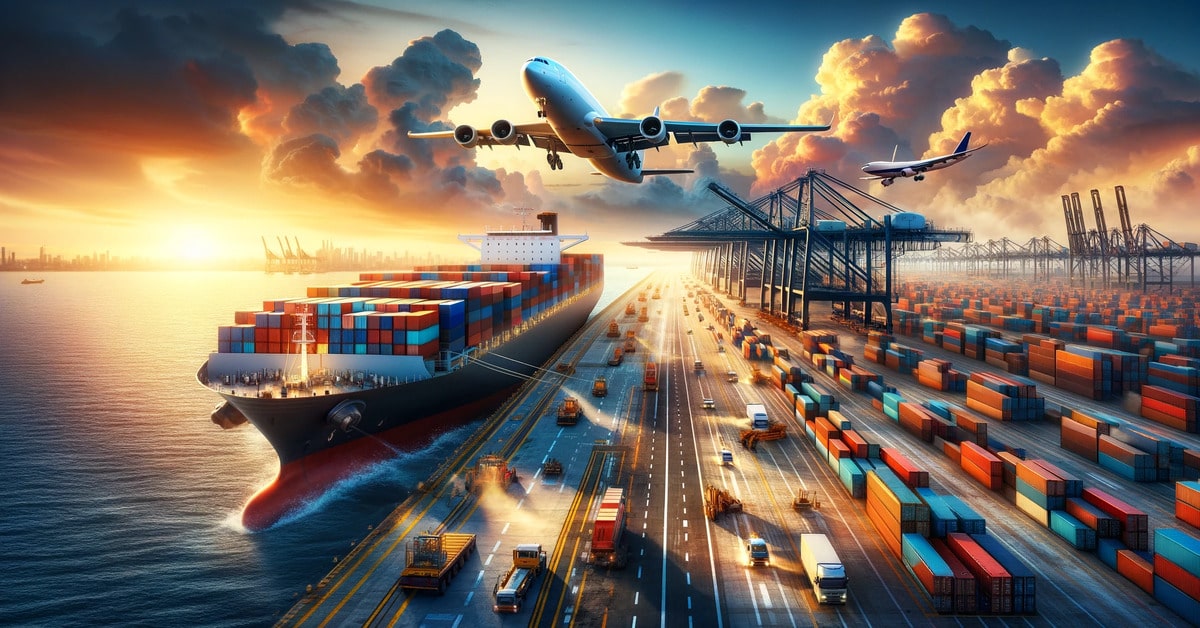
Shipping sensitive cargo across the ocean requires meticulous planning and constant oversight. Importers often face significant financial risks when managing Reefer FCL detention prevention for toys from China to Illinois due to the complexity of temperature-controlled logistics. By partnering with a reliable expert like Top China Freight, you can streamline your supply chain and eliminate unnecessary expenses. This guide provides actionable strategies to ensure your toy shipments arrive in Illinois on time and within budget.
What is Reefer FCL Detention and Why Does it Matter?
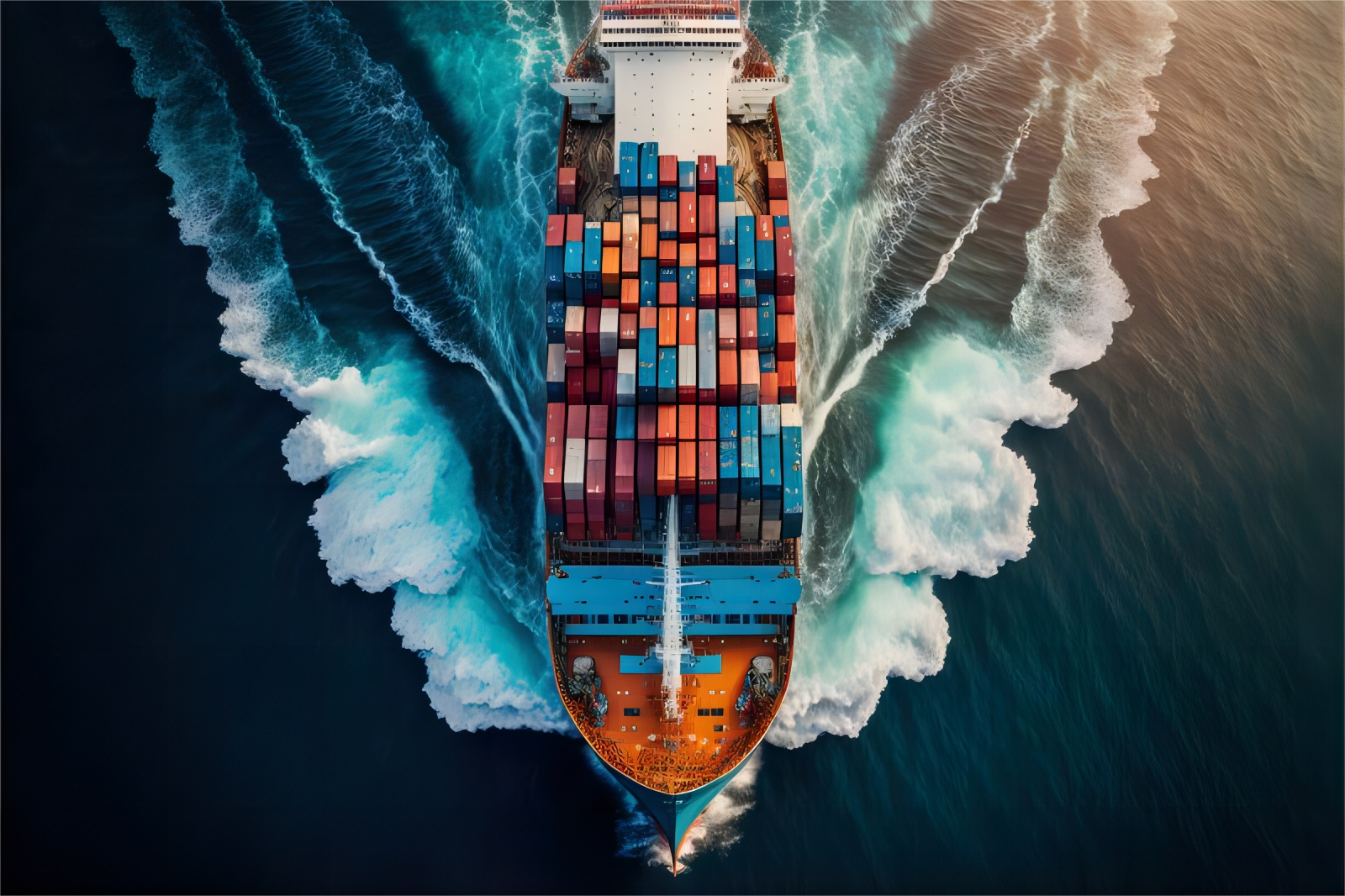
Detention refers to the fees charged by carriers when an importer holds onto a container beyond the agreed free time outside the port. Specifically, for refrigerated containers (reefers), these costs are significantly higher than standard dry containers.
Consequently, failing to return the equipment promptly can lead to thousands of dollars in daily penalties. Moreover, toys made of sensitive plastics or containing electronic components require these specialized units to maintain structural integrity during the long journey from China.
Therefore, understanding the nuances of the detention clock is the first step in protecting your profit margins. Indeed, many Illinois-based importers struggle with the transition from the rail ramp to the final warehouse delivery.
Furthermore, because reefer units require a power source or ‘genset,’ the logistics of handling them are more demanding than standard freight. This added complexity increases the likelihood of delays if not managed correctly.
Why Toy Shipments from China to Illinois Need Refrigeration
Many people assume toys are durable goods that do not require climate control during transit. However, high-quality collectible figures and electronic toys are susceptible to extreme heat and humidity found in ocean vessel hulls.
In addition, prolonged exposure to high temperatures can cause plastic warping or battery degradation. Utilizing sea freight with refrigerated containers ensures that your inventory remains in pristine condition for the Illinois retail market.
As a result, the investment in reefer technology prevents product loss and maintains brand reputation. Meanwhile, the journey from China to the American Midwest involves multiple climate zones, making temperature stability essential.
Without a doubt, the cost of a reefer container is far lower than the cost of a rejected shipment of damaged goods. For instance, a single container of high-end toys can be valued at hundreds of thousands of dollars.
How Does Reefer Shipping Compare to Other Shipping Options?
Choosing the right shipping method involves balancing speed, cost, and safety. While reefer FCL is excellent for large volumes, other alternatives exist for different business needs.
For example, air freight offers the fastest transit but comes at a premium price that may not be sustainable for low-margin toy products. On the other hand, standard dry containers are cheaper but offer no protection against the summer heat during the transpacific crossing.
To summarize, businesses must weigh the risks of cargo damage against the higher operational costs of reefer units. Specifically, the inland portion of the trip to Illinois via rail adds another layer of complexity to the comparison.
| Shipping Method | Cost Range | Transit Time | Best For | Limitations |
|---|---|---|---|---|
| Reefer FCL | $4,500 – $7,000 | 30-40 Days | Sensitive Toys | High Detention Fees |
| Dry FCL | $2,800 – $4,500 | 30-40 Days | Durable Goods | No Temp Control |
| Air Freight | $15,000+ | 5-7 Days | Urgent Samples | Extremely Expensive |
| LCL Reefer | $150 – $300/CBM | 35-45 Days | Small Batches | Risk of Contamination |
Key Causes of Reefer FCL Detention in Illinois Logistics
Congestion at the Chicago rail ramps is a primary driver of detention for Illinois importers. Because Chicago serves as the central hub for the United States, the volume of containers often exceeds the available labor and chassis.
Additionally, a lack of available refrigerated-capable chassis can leave your container stranded at the terminal. Consequently, the detention clock continues to tick while you wait for specialized equipment to become available.
Another common issue involves delayed communication between the ocean carrier, the rail provider, and the local drayage company. Without a doubt, poor coordination results in missed pickup appointments and mounting fees.
Furthermore, customs holds can prevent the container from leaving the terminal even if the truck is ready. Therefore, proactive management of the clearance process is vital for success.
Step-by-Step Reefer FCL Detention Prevention for Toys from China to Illinois
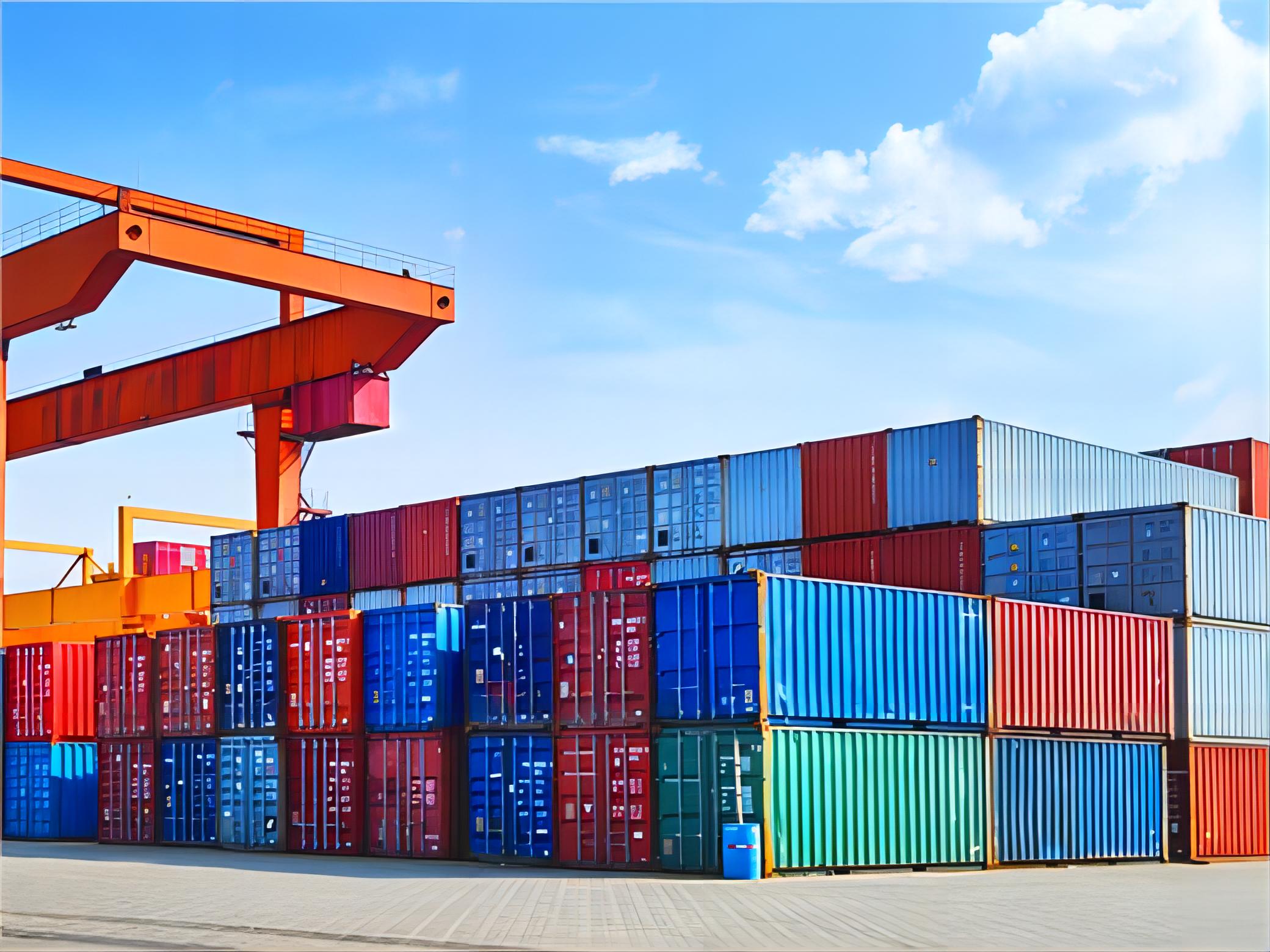
First, negotiate extended free time with your carrier before the shipment leaves China. Often, you can secure 10 to 14 days of free time instead of the standard 7 days if you ask during the booking stage.
Second, ensure that your customs brokerage team receives all documents at least a week before the vessel arrives at the West Coast port. This allows for early filing and reduces the chance of an Illinois rail ramp hold.
Third, secure a drayage provider in Illinois that specializes in refrigerated cargo and owns their own gensets. Indeed, having a dedicated partner ensures that your container is prioritized once it arrives at the Chicago terminal.
Finally, implement a ‘pre-pull’ strategy where the container is moved to a local yard near the terminal if the warehouse is not ready. Although this incurs a small storage fee, it is significantly cheaper than daily detention penalties.
Which Option Should You Choose for Illinois Toy Imports?
If your budget is the top priority and your toys are not heat-sensitive, standard dry containers are the most economical choice. However, for high-value electronics or delicate plastics, Reefer FCL is the only safe way to transport goods to Illinois.
When speed is critical, such as for a holiday product launch, a hybrid sea-air solution or direct air freight might be necessary. Nevertheless, for the majority of steady-state toy imports, sea freight remains the industry standard.
Consider the volume of your shipment as well. For batches under 15 CBM, you might find that LCL shipping is more cost-effective, though reefer LCL is harder to find and requires careful scheduling.
Ultimately, the decision should be based on a thorough risk assessment of your product’s sensitivity and your required delivery date in Illinois.
Best Practices for Customs Documentation and Compliance
Accurate documentation is the backbone of smooth international trade. For toys, this includes not only the commercial invoice and packing list but also Children’s Product Certificates (CPC).
Moreover, ensuring that your HTS codes are correct prevents unnecessary inspections by U.S. Customs and Border Protection. Consequently, your door to door service will proceed without administrative delays.
In addition, keep a digital trail of all communications with your freight forwarder and carrier. This documentation is essential if you ever need to dispute detention charges caused by factors outside your control.
Specifically, ensure the Bill of Lading clearly identifies the temperature settings required for the reefer unit. Any ambiguity here can lead to cargo damage or terminal delays while the carrier seeks clarification.
Case Study 1: Preventing Delays for Electronic Toys
Box Case Study 1: High-Value Electronic Toys. Route: Ningbo, China to Chicago, Illinois. Cargo: Interactive robots with lithium batteries, 65 CBM. Container: 40HQ Reefer.
Shipping Details: Carrier: COSCO. Port of Loading: Ningbo. Port of Discharge: Prince Rupert (Rail to Chicago). Route Type: Transshipment via Rail.
Cost Breakdown: Ocean Freight: $5,400. Origin Charges: $450. Destination Charges: $800. Customs and Duties: $4,200. Total Landed Cost: $10,850.
Timeline: Booking to Loading: 5 days. Sea Transit: 18 days. Rail Transit: 10 days. Customs Clearance: 2 days. Total Door-to-Door: 35 days.
Key Insight: By using the Prince Rupert gateway, the importer bypassed West Coast congestion and utilized extended rail free time to avoid Illinois detention fees. Based on Q4 2024 market rates.
Case Study 2: Managing Seasonal Spikes for Plastic Figurines
Box Case Study 2: Seasonal Toy Figurines. Route: Shenzhen, China to Joliet, Illinois. Cargo: Plastic collectible figures, 28 CBM. Container: 20GP Reefer.
Shipping Details: Carrier: Maersk. Port of Loading: Yantian. Port of Discharge: Long Beach (Rail to Joliet). Route Type: Direct to West Coast.
Cost Breakdown: Ocean Freight: $3,900. Origin Charges: $350. Destination Charges: $700. Customs and Duties: $1,500. Total Landed Cost: $6,450.
Timeline: Booking to Loading: 7 days. Sea Transit: 15 days. Rail Transit: 12 days. Customs Clearance: 3 days. Total Door-to-Door: 37 days.
Key Insight: The importer pre-booked a specialized reefer chassis in Joliet three weeks in advance. Consequently, the container was picked up within 24 hours of grounding. Typical rates as of early 2025.
Strategic Partnerships in North America Logistics
Building a strong relationship with a logistics provider that understands the North America infrastructure is invaluable. This is particularly true for the ‘last mile’ delivery into Illinois warehouses.
Moreover, a local partner can provide real-time updates on terminal conditions in Chicago. Therefore, you can make informed decisions about whether to pay for expedited drayage or wait for a standard slot.
Additionally, experienced forwarders often have ‘blocked space’ agreements with carriers. This means your reefer container is more likely to get on the vessel during peak toy shipping seasons like August and September.
Indeed, the peace of mind that comes from professional management allows you to focus on growing your toy business rather than fighting logistics fires.
Securing Your Toy Supply Chain
Successfully managing Reefer FCL detention prevention for toys from China to Illinois requires a combination of early planning, clear communication, and the right logistics partners. By understanding the causes of detention and implementing the strategies outlined in this guide, you can significantly reduce your shipping costs.
Remember that the Illinois market is highly competitive, and avoiding supply chain disruptions is key to maintaining your edge. Whether you are shipping high-tech gadgets or classic figurines, temperature-controlled precision is your best defense against product loss.
As market conditions evolve in 2025, staying informed about freight rates and terminal capacities will remain essential. Start optimizing your reefer logistics today to ensure a profitable and efficient import season.
Ready to streamline your logistics?
Avoid costly delays and protect your toy shipments today. Contact our expert team for a customized Reefer FCL detention prevention for toys from China to Illinois strategy. Visit Top China Freight to request your competitive quote now. Send Inquiry: https://Top China Freight.com/
Request Quote