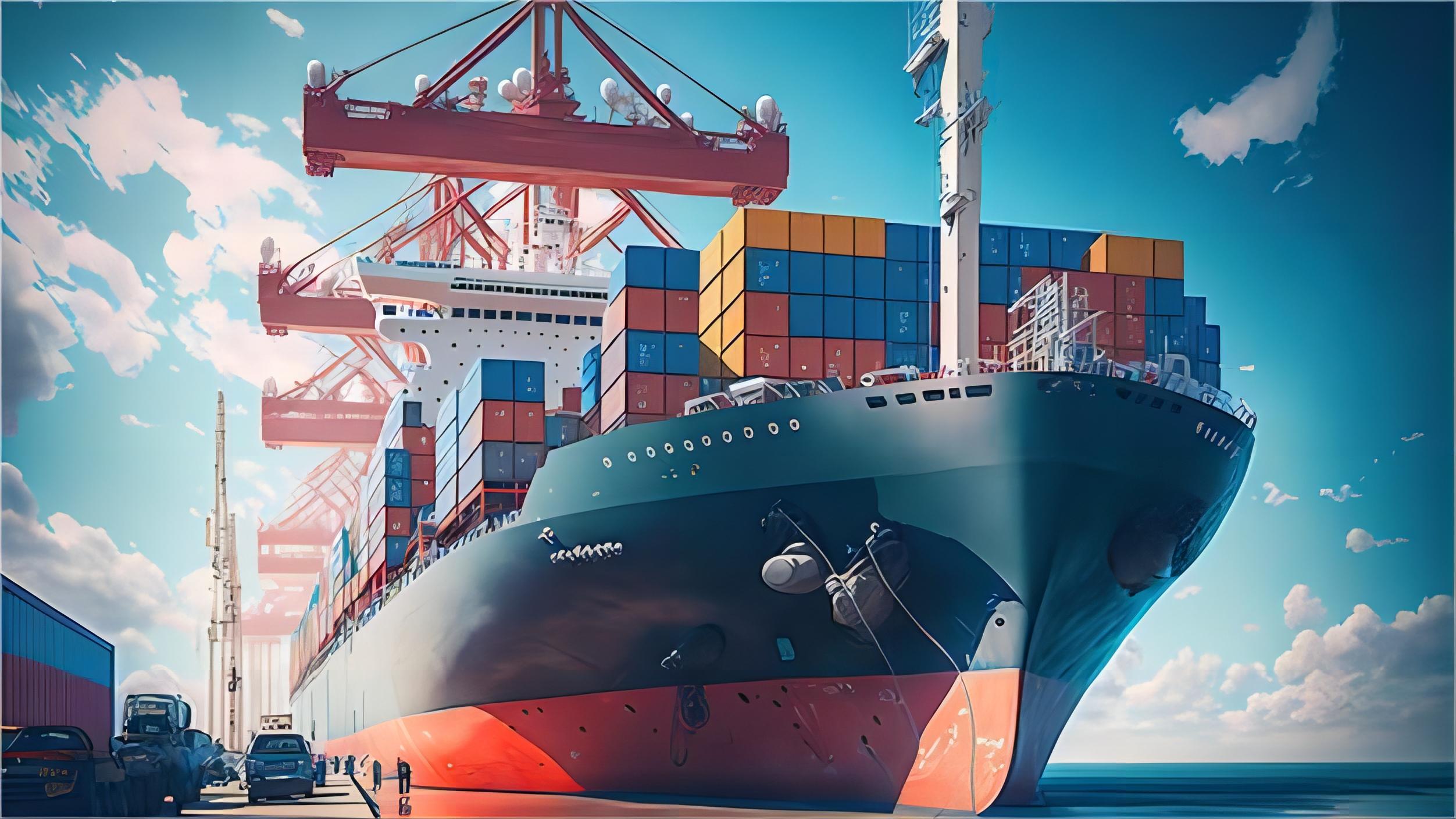
Open Top FCL tracking for textiles from China to Georgia
Managing international textile logistics requires precision and high-level visibility to ensure goods arrive safely at their destination. Shippers often face significant challenges when transporting oversized fabric rolls or machinery that exceeds the dimensions of standard containers. By utilizing Top China Freight, businesses can gain access to specialized equipment and advanced monitoring solutions. This guide explores how Open Top FCL tracking for textiles from China to Georgia can streamline your supply chain and reduce operational risks.

Understanding Open Top FCL Tracking for Textiles from China to Georgia
Open top containers provide a unique solution for cargo that cannot be loaded through standard doors due to height or handling requirements. Textile manufacturers frequently produce large-scale industrial fabrics or heavy machinery that necessitates top-loading via cranes. Consequently, tracking these specific units becomes a priority to maintain the integrity of the delivery schedule and prevent costly delays.
Tracking technology has evolved significantly, allowing importers in Georgia to monitor their shipments from the moment they leave major Chinese hubs like Ningbo or Shanghai. Furthermore, real-time data integration ensures that every stakeholder in the supply chain remains informed about the container’s location and status. This level of transparency is essential for modern textile supply chain management where timing is everything.
Reliability in logistics stems from the ability to predict and react to potential disruptions along the maritime route. Although the journey from China to the Black Sea involves multiple transit points, modern sea freight container tracking provides granular updates. Therefore, businesses can better manage their inventory levels and prepare for downstream distribution in Tbilisi or Batumi.
Why Choose Open Top Containers for Textile Shipments?
Textile products, particularly industrial-grade rolls and specialized weaving equipment, often possess awkward dimensions that defy standard 40HQ limits. Open top containers feature a removable tarpaulin roof, which allows for effortless loading of tall items that would otherwise require expensive flat rack solutions. Moreover, this method offers superior protection compared to breakbulk shipping while maintaining the security of a full container load.
Efficiency is greatly enhanced when using the right equipment for specific cargo handling procedures. If you are shipping oversized fabric rolls, the ability to load vertically reduces the risk of material crushing or misalignment. Additionally, the FCL (Full Container Load) model ensures that your textiles are not co-mingled with other goods, reducing the risk of contamination or damage during transit.
Security remains a paramount concern for high-value textile exports destined for the Georgian market. Because the container remains sealed with a heavy-duty TIR-approved tarpaulin, the cargo is protected from environmental elements and unauthorized access. Consequently, shippers can enjoy peace of mind knowing their investment is secured throughout the long journey across the ocean.
How Does Open Top FCL Compare to Other Shipping Options?
Choosing the right transport mode involves balancing cost, speed, and safety for your specific cargo type. While sea freight remains the most cost-effective choice for large textile volumes, other options like air freight offer unmatched speed for urgent samples. However, open top containers specifically fill the gap for heavy or tall items that standard containers cannot accommodate.
Comparison data suggests that sea freight is significantly cheaper than air transport for bulk textiles, though it takes longer to reach Georgian ports. On the other hand, rail freight is becoming a popular middle-ground option for those using the Middle Corridor. Nevertheless, open top equipment is more readily available in the maritime sector than in rail or air logistics.
Note: Freight rates are subject to change based on fuel costs, carrier capacity, and seasonal demand. Contact us for a current quote tailored to your specific shipment.
| Shipping Method | Cost Range (USD) | Transit Time | Best For |
|---|---|---|---|
| Sea Freight (Open Top) | $2,800 – $4,500 | 30-40 Days | Oversized/Heavy Cargo |
| Rail Freight | $4,000 – $6,500 | 18-25 Days | Time-Sensitive Bulk |
| Air Freight | $15,000 – $25,000 | 5-8 Days | Urgent Samples/Luxury |
| Standard FCL | $2,200 – $3,500 | 30-40 Days | Standard Boxed Goods |

Primary Shipping Routes and Transit Times
Navigating the route from China to Georgia typically involves departing from major eastern ports such as Shenzhen, Ningbo, or Qingdao. Most vessels travel through the Suez Canal before entering the Mediterranean and finally the Black Sea to reach Poti or Batumi. Alternatively, some shippers are exploring rail freight via the Trans-Caspian International Transport Route for faster inland delivery.
Transit times vary depending on the carrier and the specific port of loading used in China. For instance, a direct sea voyage from Shanghai to Poti usually takes between 32 and 38 days under normal market conditions. Meanwhile, transshipment through hubs like Istanbul might add a few days but can sometimes offer more competitive freight rates.
Industry averages for this route indicate that scheduling should account for at least a week of buffer time for potential port congestion. Indeed, staying updated with the latest logistics trends 2025 helps in anticipating seasonal peaks that might affect vessel availability. Consequently, early booking is highly recommended for specialized open top equipment.
Essential Documentation for Textile Import Regulations Georgia
Successful customs clearance in Georgia depends on the accuracy of your shipping documents and compliance with local textile import regulations Georgia. You must provide a detailed commercial invoice, a packing list specifying the dimensions of oversized rolls, and a bill of lading. Furthermore, certificates of origin are often required to determine the applicable duty rates for Chinese textiles.
Professional customs brokerage services are invaluable for navigating the complexities of the Georgian Revenue Service. Since textile classifications can be intricate, having an expert verify your HS codes prevents unnecessary fines or cargo seizures. Additionally, ensure that your tracking data is shared with your broker to facilitate pre-clearance procedures.
Market data suggests that well-documented shipments clear Poti customs within 24 to 48 hours. However, missing or incorrect paperwork can lead to expensive demurrage charges at the port. Therefore, maintaining a digital archive of all communications and documents is a best practice for every textile importer.
Case Studies: Realistic Textile Logistics Scenarios
Analyzing real-world examples provides insight into the practicalities of Open Top FCL tracking for textiles from China to Georgia. These cases reflect typical market rates as of early 2025 and highlight common logistical challenges faced by importers.
Case Study 1: Large-Scale Industrial Fabric Rolls. Route: Shanghai, China to Poti, Georgia. Cargo: 18 rolls of high-density industrial fabric, 22 CBM, 14,000 kg. Container: 40HQ Open Top. Shipping Details: Major carrier via transshipment in Piraeus. Cost Breakdown: Ocean Freight $3,950, Origin charges $450, Destination charges $600, Total Landed Cost $5,000. Timeline: 5 days booking, 34 days transit, 2 days customs. Key Insight: Using Open Top allowed for crane loading of 3-meter wide rolls that would not fit standard containers.
Case Study 2: Textile Weaving Machinery. Route: Shenzhen, China to Tbilisi, Georgia (via Batumi). Cargo: Automated loom machinery, 12 CBM, 8,500 kg. Container: 20GP Open Top. Shipping Details: Direct service to Batumi. Cost Breakdown: Ocean Freight $2,700, Customs & Duties $1,200, Land transport to Tbilisi $400, Total Landed Cost $4,300. Timeline: 3 days booking, 31 days transit, 3 days door delivery. Key Insight: Real-time tracking helped the factory in Tbilisi schedule technicians for the exact arrival time of the machinery.

Which Option Should You Choose?
Determining the best shipping strategy depends on your budget, cargo dimensions, and delivery urgency. If your textiles are standard sizes and you want the lowest cost, standard FCL is the logical choice. However, for oversized rolls or machinery, the Open Top FCL tracking for textiles from China to Georgia is the most secure and efficient method available.
Speed priority often leads businesses toward air or rail solutions, though the cost increase is substantial. For those who require a hands-off approach, a door to door service combines sea freight with local trucking in Georgia for maximum convenience. This hybrid approach ensures that your textile supply chain remains robust and responsive to market demands.
Budget-conscious shippers should prioritize sea freight and book at least 4 weeks in advance to secure the best freight rates. Without a doubt, the combination of specialized equipment and modern cargo monitoring systems provides the best value for complex textile shipments. Consequently, choosing a partner with expertise in both Chinese exports and Georgian imports is critical for success.
Final Thoughts on Textile Logistics
Summarizing the complexities of international trade, it is clear that specialized equipment like open top containers is essential for oversized textile cargo. By implementing robust Open Top FCL tracking for textiles from China to Georgia, importers can mitigate risks and ensure timely delivery. Transitioning to advanced monitoring systems allows for better planning and more efficient inventory management.
Global logistics trends continue to favor those who utilize technology to gain supply chain visibility. Whether you are shipping raw fabrics or finished textile machinery, understanding the nuances of freight rates and customs regulations is vital. Partnering with experienced professionals will ensure your goods move seamlessly from Chinese factories to Georgian markets.
Ready to streamline your logistics?
Streamline your textile supply chain today with expert Open Top FCL tracking for textiles from China to Georgia. Our team at Top China Freight provides the visibility and reliability your business deserves. Contact us now to receive a customized quote and optimize your logistics strategy. Send Inquiry:
Request Quote