


Open Top FCL Best Route for Auto Parts from China to Italy
Finding the Open Top FCL best route for auto parts from China to Italy is essential for businesses handling oversized automotive components. Navigating the complexities of international logistics requires a reliable partner like Top China Freight to ensure seamless delivery. This guide provides a comprehensive overview of the most efficient shipping strategies tailored for the automotive industry.

Why Choose Open Top FCL for Auto Parts?
Open top containers provide the necessary flexibility for loading oversized or heavy automotive components that cannot fit into standard dry vans. Specifically, items like large engine blocks, chassis frames, and stamping machinery require top-loading capabilities via cranes. Choosing this method ensures that your high-value cargo remains secure while accommodating its unique physical dimensions.
Shipping to Europe from Chinese manufacturing hubs involves specific equipment considerations to prevent damage. Furthermore, the Full Container Load (FCL) approach minimizes handling risks compared to shared shipping methods. This strategy is particularly beneficial for maintaining the integrity of sensitive automotive electronics and precision-engineered parts.
Automotive logistics demand high standards of safety and efficiency to maintain lean manufacturing schedules. Consequently, using specialized containers allows for faster loading at the factory and quicker unloading at the destination. This efficiency translates directly into reduced labor costs and shorter dwell times at the port.
Identifying the Open Top FCL Best Route for Auto Parts from China to Italy
Selecting the right departure and arrival ports is the first step in establishing the Open Top FCL best route for auto parts from China to Italy. Most shipments originate from major industrial hubs like Shanghai, Ningbo, or Shenzhen due to their advanced infrastructure. These ports offer frequent sailings and specialized equipment handling for open-top units.
Italian destinations typically focus on the ports of Genoa, La Spezia, and Trieste to serve the northern industrial heartland. Utilizing sea freight services through the Suez Canal remains the most cost-effective path for large volumes. This maritime corridor connects the East and West with established schedules that automotive manufacturers rely on.
Transit times vary depending on whether the vessel is a direct service or involves transshipment in hubs like Piraeus or Port Said. However, direct routes to Genoa are often preferred to minimize the risk of cargo shifting during additional handling. Choosing a direct route helps maintain the strict delivery windows required by Italian assembly plants.
How Does Open Top FCL Compare to Other Shipping Options?
Evaluating alternative shipping methods is crucial for optimizing your logistics budget and timeline. While open-top containers are ideal for height-restricted cargo, standard containers might work for disassembled parts. Additionally, rail and air options provide different balances of speed and expenditure.
Comparing these methods allows logistics managers to make informed decisions based on current market trends and inventory needs. For instance, rail freight offers a middle ground between the speed of air and the economy of sea. The following table highlights the key differences between these primary shipping modes.
| Shipping Method | Cost Range | Transit Time | Best For |
|---|---|---|---|
| Open Top FCL | $3,500 – $5,500 | 30 – 38 Days | Oversized Auto Parts |
| Standard FCL | $2,800 – $4,200 | 30 – 35 Days | Boxed Components |
| Rail Freight | $6,000 – $8,500 | 18 – 22 Days | Urgent Supply Chain |
| Air Freight | $15,000+ | 5 – 8 Days | Critical Prototypes |

Key Factors Influencing Shipping Costs and Transit Times
Freight rates are subject to seasonal fluctuations, fuel surcharges, and global economic shifts. During peak seasons, such as the months leading up to the year-end holidays, prices for the Open Top FCL best route for auto parts from China to Italy typically rise. Moreover, equipment availability for specialized containers like open tops can be limited during high-demand periods.
Port congestion in either China or Italy can significantly delay the arrival of your automotive components. Consequently, it is vital to monitor logistics trends and plan shipments well in advance of production deadlines. Effective communication with your freight forwarder can help mitigate these risks through proactive scheduling.
Customs clearance procedures at Italian ports also play a major role in the total door-to-door timeline. Utilizing professional customs brokerage services ensures that all documentation is accurate and compliant with EU regulations. This preparation prevents costly delays and potential fines during the import process.
Essential Customs Documentation for Italian Imports
Importing auto parts into Italy requires a specific set of documents to satisfy both Chinese export and Italian import laws. The commercial invoice must clearly state the value, origin, and detailed description of the automotive parts. Furthermore, a packing list detailing the contents of each open-top container is mandatory for physical inspections.
The Bill of Lading serves as the contract of carriage and must be handled with precision. Additionally, a Certificate of Origin may be required to benefit from specific trade agreements or to comply with EU anti-dumping regulations. Ensuring these documents are ready before the ship reaches the Port of Discharge is a best practice for all importers.
Note: Freight rates and documentation requirements are subject to change based on fuel costs, carrier capacity, and seasonal demand. Contact us for a current quote tailored to your specific shipment.
| Document Type | Purpose | Required By | Key Info |
|---|---|---|---|
| Commercial Invoice | Valuation | Customs | HS Codes, Prices |
| Packing List | Cargo Verification | Port Authority | Weight, Dimensions |
| Bill of Lading | Title to Goods | Carrier | Route, Consignee |
| CE Certificate | Safety Compliance | EU Regulators | Technical Specs |
Case Study 1: Shipping Heavy Engine Blocks to Genoa
Route: Ningbo, China to Genoa, Italy. Cargo: Industrial diesel engine blocks, 22 CBM, 18,500 kg. Container: 40ft Open Top FCL. Shipping Details: Major carrier, direct service. Port of Loading: Ningbo-Zhoushan. Port of Discharge: Genoa (VTE).
Cost Breakdown: Ocean Freight: $4,850. Origin Charges: $450. Destination Charges: $620. Customs and Duties: $1,200. Total Landed Cost: $7,120. Timeline: Booking to Loading: 5 days. Sea Transit: 31 days. Customs Clearance: 3 days. Total Door-to-Door: 39 days.
Key Insight: Using an open-top container allowed for overhead crane loading, which was necessary due to the weight of the engine blocks. Based on Q4 2024 market rates, this route provided the best balance of safety and cost for heavy automotive components.
Case Study 2: Stamping Press Parts to Trieste
Route: Shenzhen, China to Trieste, Italy. Cargo: Automotive stamping press components, 15 CBM, 12,000 kg. Container: 20ft Open Top FCL. Shipping Details: Transshipment via Port Said. Port of Loading: Shenzhen (Yantian). Port of Discharge: Trieste.
Cost Breakdown: Ocean Freight: $3,200. Origin Charges: $380. Destination Charges: $550. Customs and Duties: $950. Total Landed Cost: $5,080. Timeline: Booking to Loading: 7 days. Sea Transit: 36 days. Customs Clearance: 2 days. Total Door-to-Door: 45 days.
Key Insight: While transshipment added 5 days to the transit time, it saved the client approximately 15 percent on freight costs compared to direct services. Typical rates as of early 2025 suggest this remains a viable strategy for non-urgent production parts.
Which Shipping Option Should You Choose?
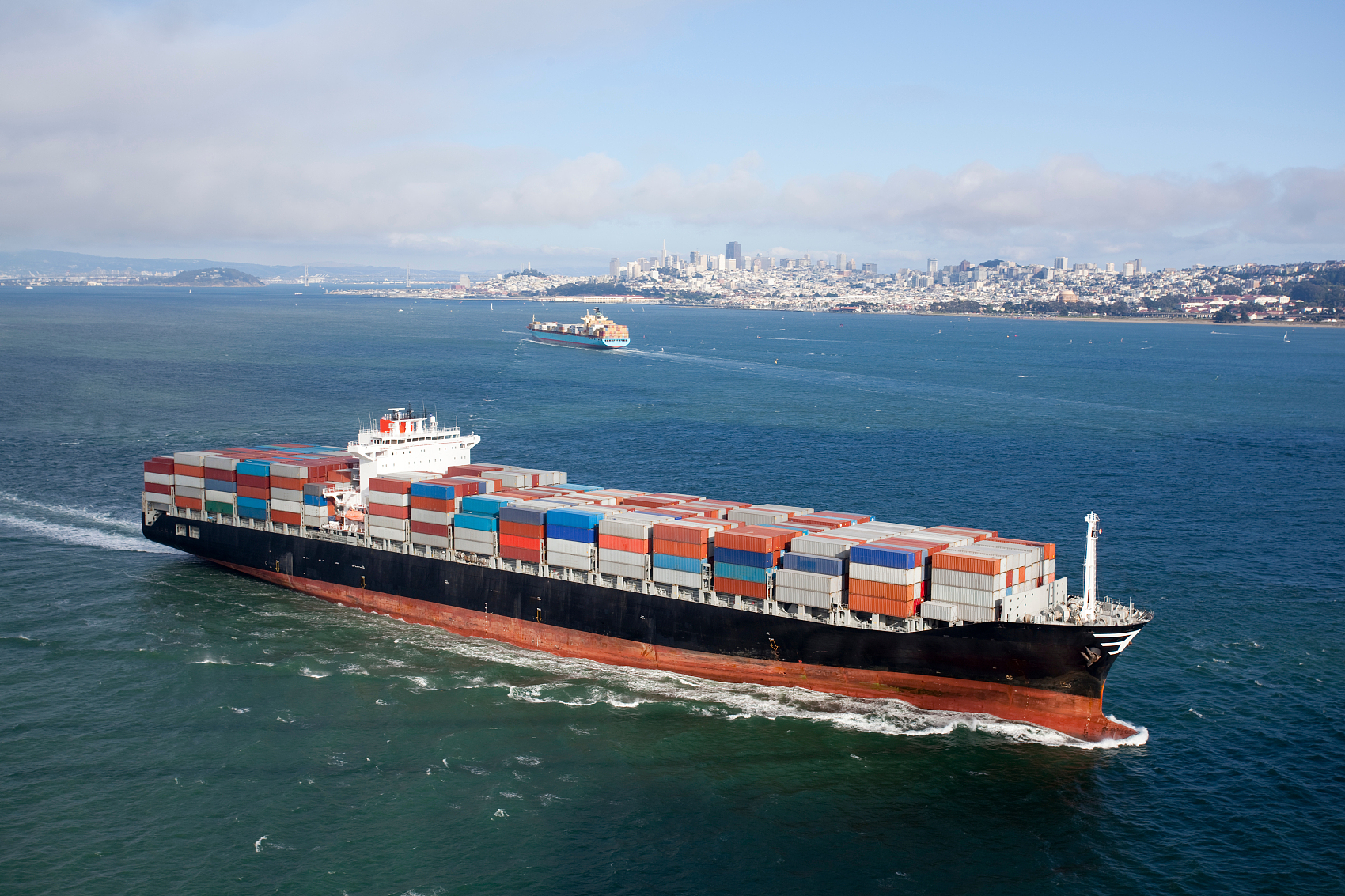
Budget priority: If cost is your primary concern, sea freight via the Open Top FCL best route for auto parts from China to Italy is the recommended choice. This method offers the lowest per-unit cost for heavy and oversized items. However, you must account for the longer lead times in your production planning.
Speed priority: For urgent replacements or assembly line shortages, rail freight or even air freight should be considered. These methods significantly reduce transit time but come at a much higher price point. Hybrid solutions like sea-air via Dubai can also offer a compromise for moderate urgency.
Cargo type considerations: Very large components that exceed the height of a standard container essentially require open-top or flat-rack equipment. For smaller, boxed spare parts, a standard door to door service using dry containers is more economical. Always consult with a logistics expert to match the equipment to your specific cargo dimensions.
Optimizing Your Auto Parts Logistics
Successfully navigating the Open Top FCL best route for auto parts from China to Italy requires a blend of strategic port selection and meticulous documentation. By understanding the advantages of open-top containers, importers can handle oversized cargo with confidence and efficiency.
Indeed, the choice of route and carrier significantly impacts both the bottom line and the reliability of the supply chain. Partnering with an experienced freight forwarder ensures that you remain competitive in the fast-paced automotive market while minimizing logistics risks.
Ultimately, the Open Top FCL best route for auto parts from China to Italy is one that balances cost, speed, and safety. Continuous monitoring of market trends and maintaining flexible logistics strategies will lead to long-term success in international trade.
Ready to streamline your logistics?
Streamline your automotive supply chain today by choosing the Open Top FCL best route for auto parts from China to Italy. Our team of logistics experts is ready to provide you with a customized quote and professional guidance for your next shipment. Contact us now to ensure your cargo arrives safely and on time.
Request Quote