

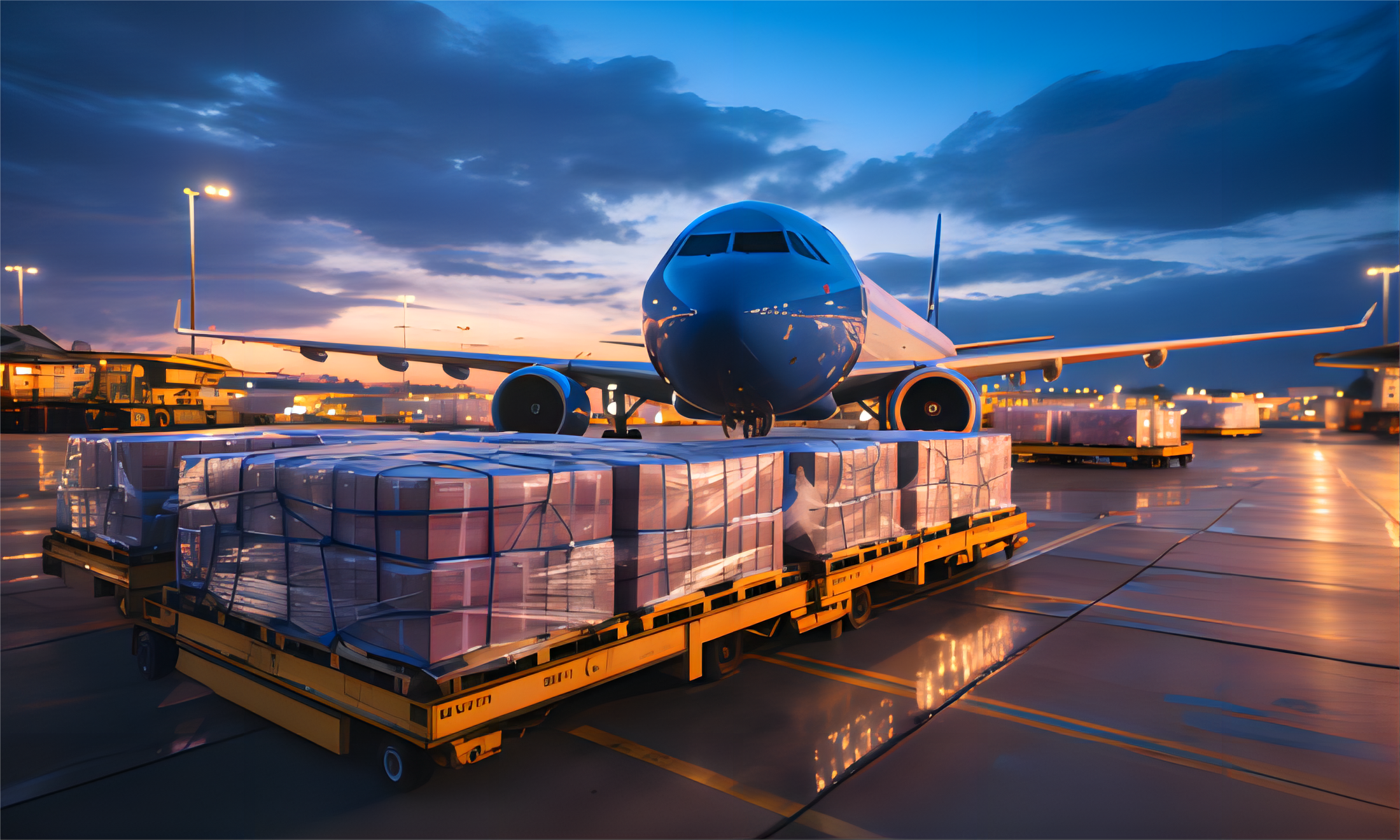
20GP FCL best route for auto parts from China to Belgium: A Complete Logistics Guide
Finding the 20GP FCL best route for auto parts from China to Belgium is a critical decision for automotive businesses seeking to optimize their supply chain. This specific shipping method offers the perfect balance of security and cost-effectiveness for heavy components like engine parts or brake systems. By partnering with a reliable partner like Top China Freight, you can navigate complex international waters with confidence and precision. This guide explores the most efficient maritime paths and alternative strategies to ensure your cargo arrives safely and on schedule.
How Does 20GP FCL Compare to Other Shipping Options?
Evaluating different transport methods is the first step in identifying the 20GP FCL best route for auto parts from China to Belgium. While air freight offers unmatched speed, it is often prohibitively expensive for heavy automotive components. Consequently, most importers rely on maritime solutions for their bulk needs.
Full Container Load (FCL) shipping provides a dedicated space for your goods, reducing the risk of damage during transit. In contrast, Less than Container Load (LCL) involves sharing space, which can lead to longer handling times at consolidation hubs. For shipments exceeding 15 cubic meters, the 20GP container usually emerges as the most economical choice.
Rail freight has also gained popularity as a middle-ground solution between sea and air. It offers faster transit than the ocean but costs significantly less than flying. However, sea freight remains the dominant force for high-volume automotive trade due to its massive capacity and lower carbon footprint per ton.
| Shipping Method | Cost Range (USD) | Transit Time | Best For |
|---|---|---|---|
| 20GP Sea FCL | $1,800 – $2,500 | 30-35 Days | Heavy Auto Parts |
| Rail Freight | $4,000 – $6,000 | 18-22 Days | Urgent Inventory |
| Air Freight | $15,000+ | 5-7 Days | Emergency Repairs |
| Sea LCL | $80 – $120/CBM | 35-40 Days | Small Batches |
Why 20GP FCL is the Best Route for Auto Parts
Choosing a 20GP container is particularly advantageous for the automotive sector because parts are often dense and heavy. This container size allows for high weight limits without the wasted volume often found in 40HQ containers. Furthermore, sea freight provides the stability required for sensitive mechanical components.
Security is another paramount concern when transporting high-value car components across continents. FCL shipments are sealed at the factory and only opened at the final destination or customs. This process minimizes the risk of theft or tampering during the long journey from China to Europe.
Cost predictability helps manufacturers maintain their margins in a competitive market. By securing a fixed rate for a full container, businesses can better forecast their landed costs. Additionally, FCL avoids the extra handling fees associated with LCL de-consolidation at Belgian ports.
Primary Sea Routes from China to Belgian Ports
Major Chinese ports like Shanghai, Ningbo, and Shenzhen serve as the primary gateways for shipping to Europe. The route typically passes through the South China Sea, the Indian Ocean, and the Suez Canal. Most vessels then navigate the Mediterranean and the Atlantic before reaching the North Sea.
Antwerp is the leading destination for automotive cargo due to its extensive specialized infrastructure. It handles millions of vehicles and parts annually, offering seamless connections to the European hinterland. Alternatively, the Port of Zeebrugge provides excellent facilities for roll-on/roll-off cargo and containerized parts alike.
Transit times usually range between 30 and 38 days depending on the specific port of departure. Direct services from Shanghai to Antwerp are generally the fastest options available. Meanwhile, transshipment via hubs like Singapore or Piraeus might offer lower rates but add several days to the schedule.
Optimizing Your Automotive Supply Chain
Efficiency in the automotive industry depends on precise timing and inventory management. Therefore, selecting the right freight forwarder is essential for coordinating the 20GP FCL best route for auto parts from China to Belgium. Professional movers can help you avoid common pitfalls like port congestion or equipment shortages.
Utilizing a customs brokerage service ensures that all import duties and taxes are calculated correctly. Belgium has strict regulations regarding automotive safety and environmental standards. Consequently, accurate documentation is vital to prevent costly delays at the border.
Implementing a just-in-time delivery model requires high visibility into your shipment’s location. Modern tracking technologies allow you to monitor your container’s progress across the ocean in real-time. This data enables you to adjust production schedules and manage customer expectations effectively.
| Departure Port | Arrival Port | Avg. Transit | Service Type |
|---|---|---|---|
| Shanghai | Antwerp | 32 Days | Direct |
| Ningbo | Zeebrugge | 34 Days | Direct |
| Shenzhen | Antwerp | 30 Days | Direct |
| Qingdao | Antwerp | 38 Days | Transshipment |
Case Study 1: Shanghai to Antwerp 20GP FCL
A Belgian automotive wholesaler needed to transport 18 tons of brake discs and pads from Shanghai. They opted for a 20GP FCL shipment to ensure maximum protection for the heavy, palletized goods. The cargo was loaded at a factory in Suzhou and trucked to the Port of Shanghai for departure.
Shipping details included a direct route via a major carrier with a 33-day sea transit time. The total cost breakdown showed $2,150 for ocean freight and $850 for local charges and documentation. As a result, the landed cost per unit remained well within the client’s budget.
Key insight: By using a 20GP container instead of LCL, the client saved 15% on total logistics costs. They also avoided the 5-day delay typically associated with de-consolidation in Antwerp. This efficiency allowed them to restock their warehouse just in time for the peak autumn season.
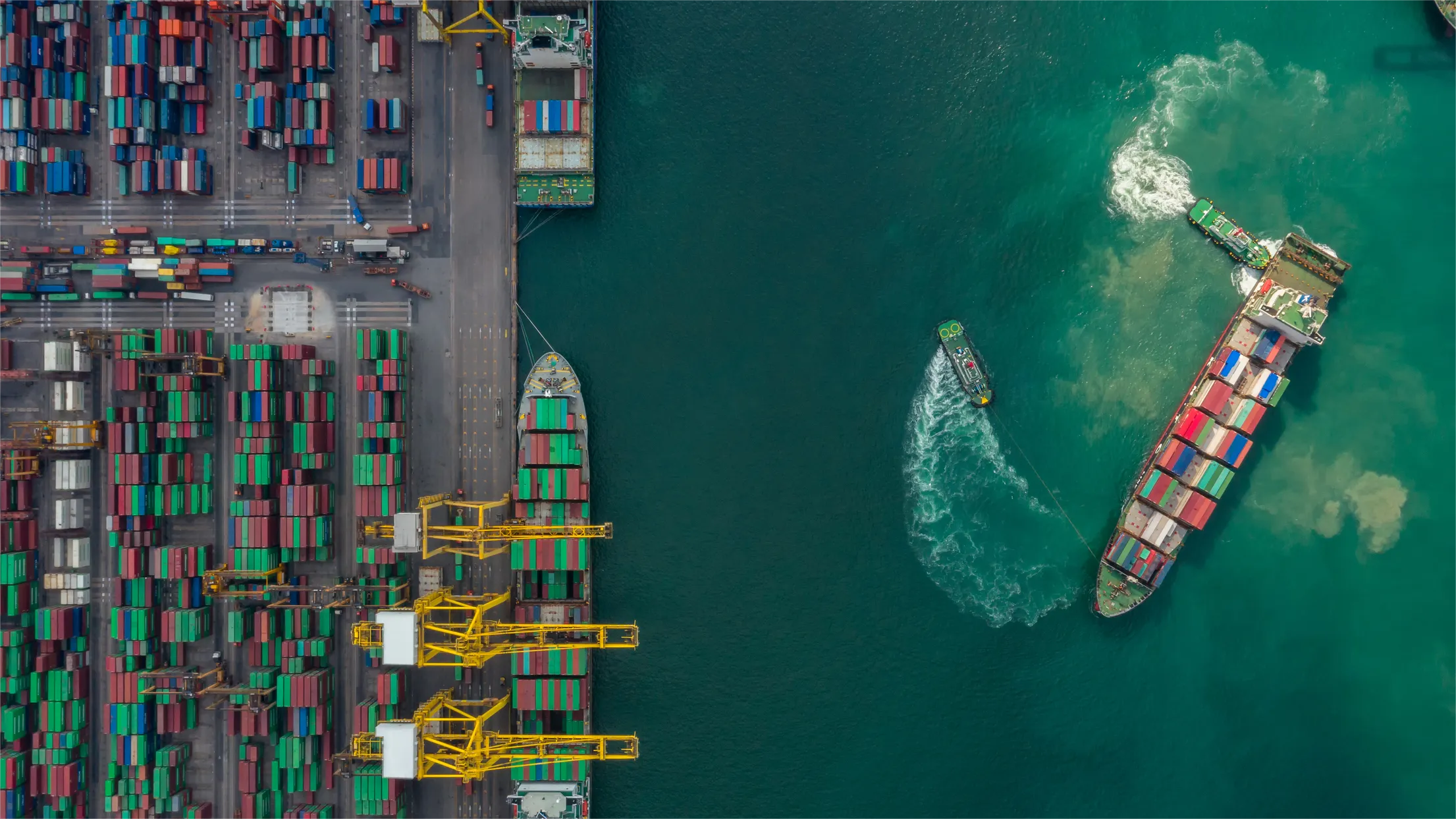
Case Study 2: Shenzhen to Zeebrugge for Engine Components
An engine manufacturer required a reliable solution for high-precision aluminum components. They chose the 20GP FCL best route for auto parts from China to Belgium starting from the Port of Shenzhen. This route was selected for its proximity to the factory and frequent sailing schedules.
The shipment faced a minor delay due to Suez Canal congestion but still arrived within 35 days. Ocean freight costs were $2,300, with an additional $900 for customs clearance and inland delivery to Ghent. Despite the slight delay, the cargo arrived in perfect condition without any moisture damage.
Key insight: High-quality moisture-absorbing desiccants were placed inside the container to protect the aluminum parts. This small investment prevented oxidation during the humid ocean voyage. The client now uses this standardized protocol for all their European imports.
Which Option Should You Choose? Decision Framework
Determining the best shipping strategy requires a clear understanding of your business priorities. If your primary goal is cost reduction, sea freight remains the undisputed champion for heavy auto parts. However, if you are facing a production line shutdown, rail freight might be a necessary alternative.
Budget priority: Recommend 20GP Sea FCL for shipments over 15 CBM or 10 tons. This method provides the lowest cost per kilogram for bulky automotive items. It is ideal for regular inventory replenishment where lead times are manageable.
Speed priority: Recommend Rail Freight or Sea-Air hybrid solutions if the deadline is under 25 days. While more expensive, these options can prevent the massive financial losses associated with factory downtime. Always weigh the increased freight cost against the potential cost of lost production.
Volume thresholds: For very small shipments under 5 CBM, LCL is more appropriate. However, once you reach 12-15 CBM, the price gap between LCL and a full 20GP container narrows significantly. At this point, the security of FCL usually outweighs the minor savings of LCL.
Alternative Strategies and Cost-Saving Tips
Smart shippers often look for ways to further reduce their expenses without compromising on quality. One effective strategy is to consolidate multiple smaller orders from different suppliers into a single 20GP container. This approach maximizes space utilization and spreads fixed costs across more units.
Choosing a door-to-door shipping service can also simplify your logistics and reduce hidden fees. These all-inclusive packages often include trucking, customs, and port handling, providing a single point of accountability. Furthermore, they allow your team to focus on core business activities rather than managing multiple vendors.
Note: Freight rates are subject to change based on fuel costs, carrier capacity, and seasonal demand. Typical rates as of early 2025 suggest a stabilization of prices, but it is always wise to request a current quote. Planning your shipments at least 4-6 weeks in advance can help you secure better rates and guaranteed equipment.
Final Thoughts on Shipping Auto Parts to Belgium
Selecting the 20GP FCL best route for auto parts from China to Belgium is a strategic move that can significantly enhance your business efficiency. By focusing on the Port of Antwerp and utilizing full container loads, you ensure the safety and cost-effectiveness of your shipments. Remember to consider factors like transit time, port selection, and customs compliance when planning your route.
Whether you are importing brake systems, engine components, or body parts, the right logistics partner makes all the difference. Stay informed about market trends and maintain flexibility in your shipping strategy to navigate the evolving global trade landscape. With careful planning and the right tools, your China-to-Belgium shipping operations will become a competitive advantage for your company.
Ready to streamline your logistics?
Are you ready to optimize your automotive supply chain with the 20GP FCL best route for auto parts from China to Belgium? Our team of logistics experts is standing by to provide you with a customized quote and professional guidance. Contact Top China Freight today to streamline your international shipping process and reduce your landed costs. Visit our website to Send Inquiry and start your journey toward hassle-free logistics.
Request Quote