Open Top FCL Transit Time for Auto Parts from China to Miami: A Comprehensive Guide
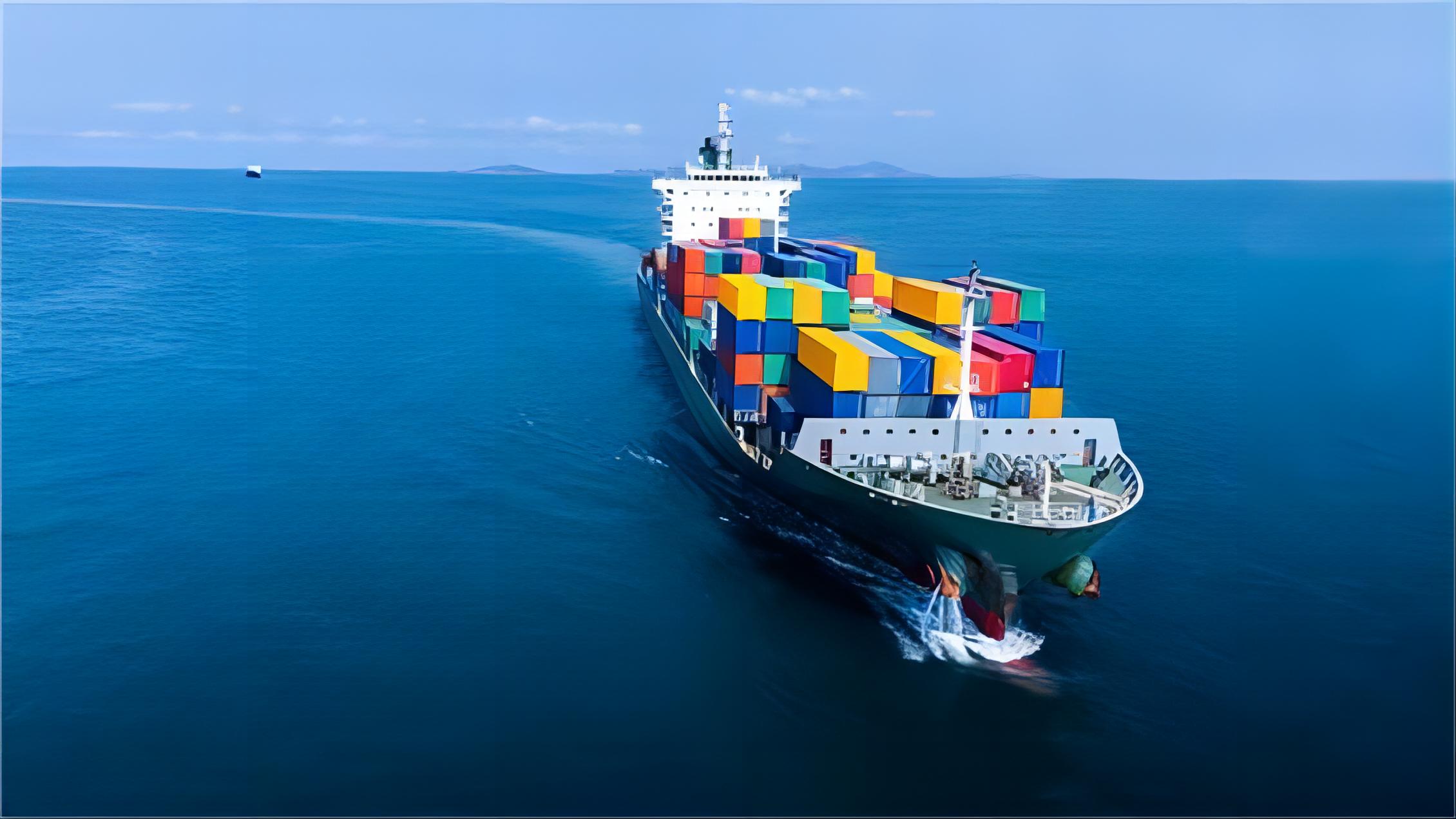
Navigating the complexities of international logistics requires a deep understanding of specific equipment and route efficiencies. Shippers looking for the most reliable Top China Freight solutions often prioritize the Open Top FCL transit time for auto parts from China to Miami to ensure supply chain stability. Because oversized components like engine blocks and chassis frames cannot fit in standard containers, specialized equipment becomes essential for your automotive business success.
What is Open Top FCL and Why is it Essential for Auto Parts?
Shipping specialized car parts from China often involves items that exceed the height of a standard dry van container. Open top containers feature a removable tarpaulin roof instead of a solid top, allowing for overhead loading via crane. This flexibility makes them the primary choice for heavy machinery transport to Miami and other major Florida hubs.
Moreover, utilizing sea freight with open top equipment ensures that your oversized cargo remains secure during the long transpacific journey. Consequently, automotive manufacturers rely on these containers to move large-scale body frames and industrial components that require top-down handling. Most logistics professionals agree that this method balances cost-efficiency with the specific physical requirements of heavy automotive freight.
Analyzing Open Top FCL Transit Time for Auto Parts from China to Miami
The standard Open Top FCL transit time for auto parts from China to Miami typically ranges between 35 and 45 days. Several factors influence this duration, including the specific port of loading in China and the current congestion levels at the Panama Canal. Specifically, shipments originating from northern ports like Tianjin may take slightly longer than those departing from Shenzhen or Guangzhou.
Additionally, the choice between a direct service and a transshipment route significantly impacts your delivery schedule. Direct routes to the United States East Coast are faster but often command a higher premium in the current 2025 market. Understanding these timelines helps importers manage inventory levels and meet the demands of the North American automotive aftermarket.
| Origin Port | Destination Port | Average Transit (Days) | Service Type |
|---|---|---|---|
| Shenzhen | Miami | 34-38 | Direct |
| Shanghai | Miami | 38-42 | Direct |
| Ningbo | Miami | 40-45 | Transshipment |
| Qingdao | Miami | 42-48 | Transshipment |
Key Factors Influencing Your Shipping Schedule to North America
Environmental conditions and seasonal demand play a critical role in determining how quickly your goods arrive in North America. For instance, the hurricane season in the Atlantic can cause significant delays for vessels approaching the Florida coastline. Furthermore, peak season surcharges and space constraints during the late Q3 period often lead to longer booking lead times.
Logistics trends for 2025 suggest that port efficiency in Miami has improved, yet inland transportation remains a variable factor. Carriers must also navigate the draft restrictions of the Panama Canal, which can occasionally force vessels to take longer alternate routes. Shippers should account for at least five days of buffer time to accommodate these unpredictable maritime variables.

How Does Open Top FCL Compare to Other Shipping Options?
Choosing between different transport modes requires an objective analysis of cost versus speed for your automotive supply chain. While air freight offers the fastest delivery, the cost for oversized auto parts is usually prohibitive for standard commercial operations. In contrast, sea freight remains the most economical way to move large volumes of heavy components across the globe.
Indeed, for shipments under 15 cubic meters, some might consider LCL shipping, but open top equipment is almost exclusively reserved for FCL movements due to the nature of the cargo. Meanwhile, Roll-on/Roll-off (RORO) services are an alternative for fully assembled vehicles but lack the protection and flexibility that a container provides for individual parts. Therefore, the open top container remains the gold standard for high-value, oversized automotive components.
| Shipping Method | Cost Range (USD) | Transit Time | Best For |
|---|---|---|---|
| Open Top FCL | $4,500 – $6,500 | 35-45 Days | Oversized Parts |
| Standard FCL | $3,500 – $5,500 | 32-40 Days | Standard Parts |
| Air Freight | $15,000+ | 5-10 Days | Urgent Needs |
| RORO Service | $2,000 – $4,000 | 40-50 Days | Whole Vehicles |
Which Option Should You Choose for Your Auto Parts?
Decision making for your logistics strategy should prioritize the physical dimensions and weight of your cargo first. If your auto parts exceed 2.3 meters in height, the Open Top FCL transit time for auto parts from China to Miami becomes a secondary concern to the necessity of the equipment itself. Budget-conscious importers should focus on sea freight, while those with strict deadlines might explore hybrid sea-air solutions.
Volume thresholds also dictate the most efficient method for your business. For instance, shipping more than six sets of heavy engine blocks usually justifies the cost of a full 40-foot open top container. Ultimately, the choice depends on your specific balance of speed, safety, and landed cost requirements in the Florida market.
Real Case Studies: Shipping Auto Parts from China to Miami
Case Study 1: Heavy Engine Block Export from Ningbo
Route: Ningbo, China to Miami, USA. Cargo: 12 Industrial Diesel Engines, 22 CBM, 18,000 kg. Container: 40ft Open Top FCL. Shipping Details: Major carrier via Panama Canal. Port of Loading: Ningbo. Port of Discharge: Miami. Route Type: Direct.
Cost Breakdown: Ocean Freight: $5,200. Origin Charges: $450. Destination Charges: $600. Customs and Duties: $1,200. Total Landed Cost: $7,450. Timeline: Booking to Loading: 5 days. Sea Transit: 39 days. Customs Clearance: 3 days. Total Door-to-Door: 47 days. Key Insight: Early booking allowed the shipper to secure a slot during a period of high equipment scarcity.
Case Study 2: Chassis Frame Logistics from Shenzhen
Route: Shenzhen, China to Miami, USA. Cargo: 8 Aluminum Chassis Frames, 15 CBM, 9,000 kg. Container: 20ft Open Top FCL. Shipping Details: Transshipment via Busan. Port of Loading: Shenzhen. Port of Discharge: Miami. Route Type: Transshipment.
Cost Breakdown: Ocean Freight: $4,100. Origin Charges: $380. Destination Charges: $550. Customs and Duties: $900. Total Landed Cost: $5,930. Timeline: Booking to Loading: 4 days. Sea Transit: 42 days. Customs Clearance: 2 days. Total Door-to-Door: 48 days. Key Insight: Transshipment was chosen to reduce costs by 15 percent despite the slightly longer transit time.

Navigating Customs and Documentation for Miami Imports
Successful importing requires meticulous attention to detail regarding customs brokerage and legal compliance. You must ensure that all commercial invoices and packing lists accurately reflect the specialized nature of the open top cargo. Furthermore, the ISF (Importer Security Filing) must be submitted at least 24 hours before the vessel departs the Chinese port to avoid heavy fines.
Customs officials in Miami are particularly vigilant about the classification of automotive components under the Harmonized Tariff Schedule (HTS). Because certain parts may be subject to Section 301 tariffs, verifying your HTS codes before shipping is essential. Professional documentation prevents costly delays that could otherwise extend your total transit time by weeks.
| Document Name | Responsibility | Purpose | Timeline |
|---|---|---|---|
| Bill of Lading | Carrier | Title to Goods | At Departure |
| Commercial Invoice | Shipper | Value Declaration | At Booking |
| Packing List | Shipper | Cargo Detail | At Loading |
| ISF 10+2 | Importer | Security Filing | 24h Pre-Sailing |
Cost-Saving Strategies for Oversized Auto Parts
Reducing your total expenditure involves more than just finding the lowest freight rate. By optimizing your packaging, you can often fit more components into a single open top container, thereby reducing the cost per unit. Additionally, choosing door to door service packages can consolidate various fees and provide better visibility over your total logistics spend.
Market data suggests that booking your shipments at least 3 to 4 weeks in advance can save up to 10 percent on ocean freight. Similarly, avoiding the Golden Week holiday in October helps you bypass the most extreme price hikes and equipment shortages. Note: Freight rates are subject to change based on fuel costs, carrier capacity, and seasonal demand. Contact us for a current quote tailored to your specific shipment.
Final Thoughts on Shipping Auto Parts to Miami
Mastering the Open Top FCL transit time for auto parts from China to Miami is a vital skill for any serious automotive importer. By understanding the variables of maritime routes and the benefits of specialized equipment, you can ensure your components arrive safely and on schedule. Whether you are moving heavy engines or delicate chassis frames, the right logistics partner makes all the difference in navigating the Pacific and Atlantic oceans. Stay informed about market trends and maintain a flexible strategy to thrive in the competitive North American market.
Ready to streamline your logistics?
Streamline your automotive supply chain with expert logistics support. Contact our team today to optimize your Open Top FCL transit time for auto parts from China to Miami and secure the most competitive market rates for your oversized cargo. Visit our website to request a personalized quote for your next shipment.
Request Quote