


40HQ FCL Demurrage Prevention for Medical Equipment from China to Czech Republic
Managing medical equipment logistics requires extreme precision and proactive planning to avoid unnecessary costs. When shipping a 40HQ FCL from China to the Czech Republic, demurrage fees can quickly erode your profit margins if not managed correctly. You should partner with Top China Freight to streamline your international supply chain operations and ensure timely delivery.
What is 40HQ FCL Demurrage and Why Does it Occur?
Demurrage refers to the charges that occur when a container remains inside the terminal beyond the allotted free time. For a 40HQ container, these daily fees can escalate rapidly, especially in busy European ports like Hamburg or Koper.
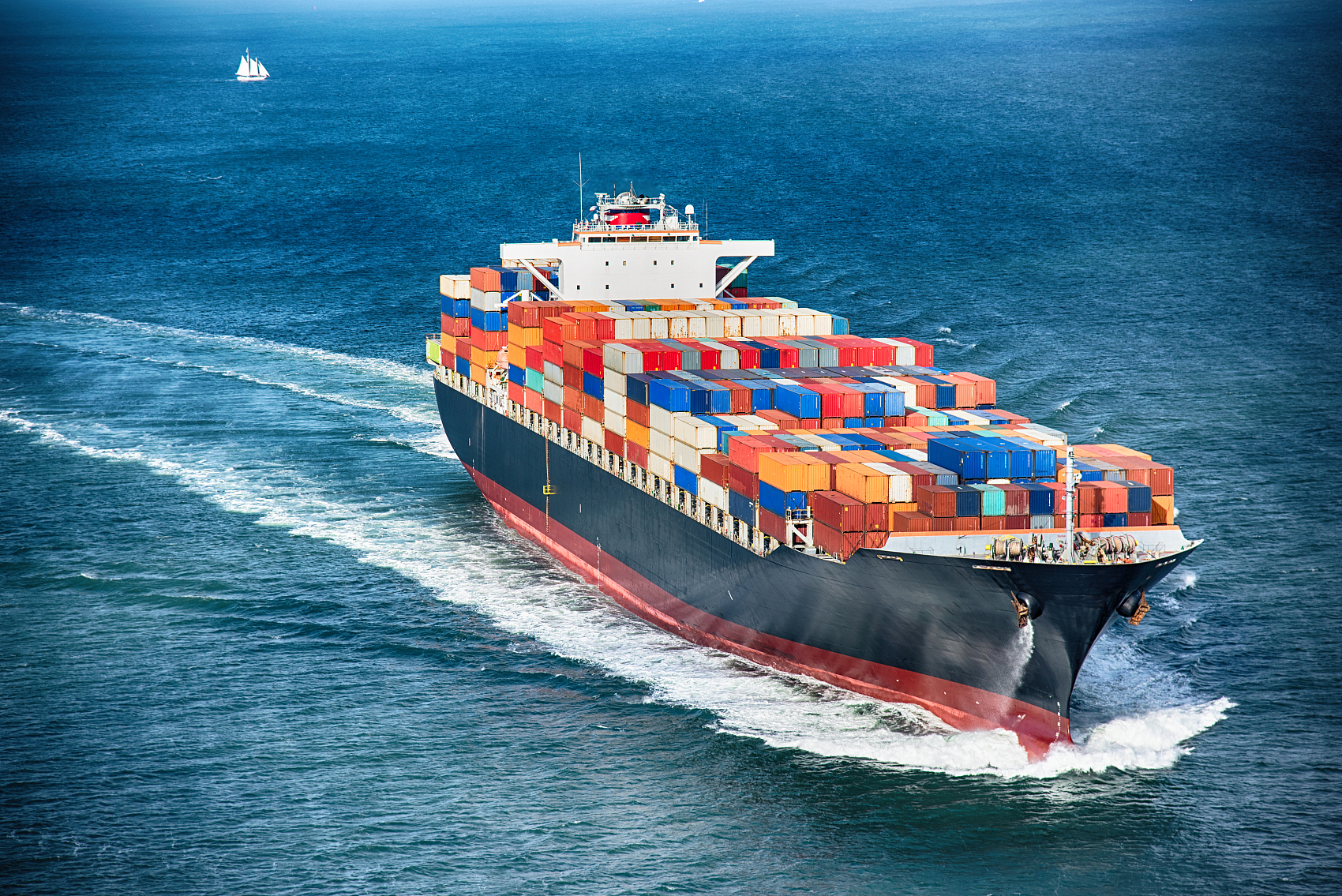
Consequently, importers often face these costs due to delayed customs clearance or missing documentation. Medical equipment is particularly susceptible to these delays because of strict regulatory requirements in the European Union.
Moreover, the Czech Republic has specific health authority oversight that can extend the inspection period. Understanding the difference between demurrage and detention is the first step in cost control.
Detention charges apply once the container is outside the port but has not been returned to the shipping line. Therefore, both fees represent significant risks to your shipping budget.

Why Medical Equipment is High Risk for Logistics Delays
Medical devices must comply with the European Union Medical Device Regulation (MDR) to enter the Czech market. Any discrepancy in CE certification or labeling can lead to the container being held at the port of entry.
Furthermore, the State Institute for Drug Control (SUKL) in the Czech Republic may require additional verification for certain classes of equipment. If your paperwork is not perfectly aligned, the container will sit in the terminal while you resolve the issues.
Indeed, specialized medical equipment like MRI machines or surgical robots requires specific handling instructions that can complicate the discharge process. As a result, any confusion at the terminal leads to immediate demurrage accumulation.
Planning for these contingencies is essential for successful 40HQ FCL demurrage prevention for medical equipment.
How Does Sea Freight Compare to Other Shipping Options?
Choosing the right mode of transport is a fundamental part of 40HQ FCL demurrage prevention for medical equipment. While sea freight is the most cost-effective for large volumes, it also has the highest risk of port-side delays.
Rail freight offers a middle ground with faster transit times but can suffer from congestion at border crossings. Air freight is the fastest but remains prohibitively expensive for full 40HQ volumes of heavy medical gear.
Additionally, the choice of port significantly impacts your risk of demurrage. Hamburg is efficient but often congested, while Koper offers a shorter inland route to the Czech Republic.
| Shipping Method | Cost Range (40HQ) | Transit Time | Best For |
|---|---|---|---|
| Sea Freight | $3,200 – $4,500 | 35-45 Days | Bulk hospital supplies |
| Rail Freight | $5,500 – $7,500 | 18-24 Days | Urgent medical devices |
| Air Freight | $25,000+ | 5-8 Days | High-value electronics |
| Sea-Rail Hybrid | $4,000 – $5,200 | 28-35 Days | Balanced cost/speed |
Strategic Planning for Czech Republic Imports
Navigating the logistics landscape of Central Europe requires a deep understanding of regional infrastructure. Most shipments to the Czech Republic arrive via the Port of Hamburg or the Port of Koper due to their excellent rail connections.
Alternatively, rail freight via the Silk Road route provides a direct path to terminals in Prague or Ceska Trebova. This method often bypasses the major maritime port congestion that leads to demurrage.
However, rail shipments must clear customs at the EU border, typically in Poland or Hungary. Consequently, you must ensure your customs agent is ready to act the moment the train arrives at the border terminal.
Note: Freight rates are subject to change based on fuel costs, carrier capacity, and seasonal demand. Contact us for a current quote tailored to your specific shipment.
Documentation Checklist for 40HQ FCL Demurrage Prevention for Medical Equipment
Incomplete documentation is the primary cause of demurrage for medical shipments from China. You must prepare all certificates before the vessel even leaves the Port of Shanghai or Ningbo.
Specifically, ensure that the Commercial Invoice, Packing List, and Bill of Lading are error-free. For medical goods, the CE Declaration of Conformity and the SUKL registration are non-negotiable requirements for Czech customs.
Furthermore, shipping from China to Europe involves strict adherence to Harmonized System (HS) codes. An incorrect code can lead to a secondary inspection, which almost guarantees demurrage fees.
| Document Name | Purpose | Source | Requirement |
|---|---|---|---|
| Bill of Lading | Title of goods | Carrier | Mandatory |
| CE Certificate | Safety compliance | Manufacturer | Mandatory |
| SUKL Registration | Czech health reg | Importer | Mandatory |
| MSDS | Battery/Chemical info | Manufacturer | If applicable |
Real-World Case Studies for Medical Equipment Shipping
Case Study 1: MRI Equipment from Shenzhen to Prague. A medical group imported two 40HQ containers of imaging equipment. By using a direct rail service, they avoided the 2024 port congestion in Hamburg and saved $1,200 in potential demurrage.
Case Study 2: Surgical Instruments from Shanghai to Brno. This shipment faced a 3-day delay due to a missing CE certificate. However, because the importer had negotiated 14 days of free time, they incurred zero demurrage fees.
These examples highlight why proactive negotiation and route selection are vital. Market data suggests that 15 percent of medical shipments face some form of regulatory delay upon arrival in the EU.
Case Study 1: MRI Equipment Logistics
Route: Shenzhen, China to Prague, Czech Republic
Cargo: MRI Machines and components, 65 CBM, 18,000 kg
Container: 40HQ FCL
Shipping Details: Major rail carrier via Malaszewicze. Port of Loading: Shenzhen Rail Terminal. Port of Discharge: Prague Terminal.
Cost Breakdown: Rail Freight: $6,200. Origin Charges: $450. Destination Charges: $550. Customs: $1,200. Total Landed Cost: $8,400.
Timeline: Booking to Loading: 4 days. Transit: 22 days. Customs: 2 days. Total Door-to-Door: 28 days.
Key Insight: Using rail freight bypassed maritime port congestion, ensuring 40HQ FCL demurrage prevention for medical equipment. Based on Q4 2024 market rates.
Case Study 2: Hospital Bed Shipment
Route: Shanghai, China to Brno, Czech Republic
Cargo: Adjustable Hospital Beds, 68 CBM, 12,500 kg
Container: 40HQ FCL
Shipping Details: Sea Freight via Koper. Port of Loading: Shanghai. Port of Discharge: Koper, Slovenia. Route: Direct.
Cost Breakdown: Ocean Freight: $3,800. Origin Charges: $350. Destination Charges: $600. Customs: $900. Total Landed Cost: $5,650.
Timeline: Booking to Loading: 5 days. Sea Transit: 32 days. Customs: 3 days. Total Door-to-Door: 40 days.
Key Insight: Pre-clearing customs at the port of Koper allowed for rapid rail transfer to Brno. Typical rates as of early 2025.
How Does 40HQ FCL Demurrage Prevention Compare to Other Options?
When considering 40HQ FCL demurrage prevention for medical equipment, you must weigh the cost of prevention against the cost of faster shipping methods. For instance, paying a premium for a carrier with 14 days of free time is often cheaper than paying demurrage on a low-cost carrier with only 5 days of free time.
While sea freight costs $3,000-4,200 for a 40HQ, air freight for the same volume would cost $20,000-30,000. Therefore, investing in better documentation and a reliable customs broker is the most economical way to ensure speed.
Moreover, LCL (Less than Container Load) shipping might seem like an alternative to avoid FCL demurrage. However, LCL often faces higher warehouse storage fees, which can be even more expensive than container demurrage.
| Strategy | Cost Impact | Risk Level | Primary Benefit |
|---|---|---|---|
| Standard Sea | Baseline | High | Lowest freight cost |
| Premium Sea | +$300 per 40HQ | Medium | Extended free time |
| Rail Freight | +$2,000 per 40HQ | Low | Predictable schedule |
| Air Freight | +$20,000+ | Minimal | Immediate delivery |

The Importance of Customs Brokerage in Preventing Delays
A specialized customs brokerage service is your best defense against terminal delays. They understand the nuances of Czech customs laws and can pre-file your entry before the vessel berths.
Consequently, this allows for immediate release of the 40HQ container, moving it out of the terminal before the free time expires. This is a critical component of 40HQ FCL demurrage prevention for medical equipment.
Furthermore, an experienced broker can help you navigate the complexities of VAT deferment in the Czech Republic. This improves your cash flow while ensuring that the cargo moves smoothly through the supply chain.
Which Option Should You Choose?
If your budget is the priority, choose sea freight via Koper with a carrier that offers at least 10 days of free time. This route is typically faster for the Czech Republic than the northern ports.
For speed priority, rail freight is the superior choice, as it avoids the unpredictability of sea port labor strikes and weather delays. Use door to door services to simplify the entire process.
When shipping high-value medical electronics, consider a hybrid solution that uses sea freight to a major hub followed by dedicated trucking to the final destination in Prague or Ostrava.
Mastering 40HQ FCL Demurrage Prevention for Medical Equipment
In summary, 40HQ FCL demurrage prevention for medical equipment requires a combination of early documentation, strategic route selection, and expert customs handling. By understanding the risks associated with Czech imports and EU regulations, you can avoid the heavy fees that often plague international shipping.
Indeed, the transition from China to the Czech Republic is complex, but with the right partners, it can be seamless. Always prioritize carriers that offer flexible free time and brokers who specialize in medical device compliance to protect your bottom line.
Ready to streamline your logistics?
Take control of your logistics costs today by implementing a robust 40HQ FCL demurrage prevention for medical equipment strategy. Contact Top China Freight for a personalized quote and expert guidance on your next shipment from China to the Czech Republic. Visit our website to start your inquiry: https://Top China Freight.com/contact-us/
Request Quote