

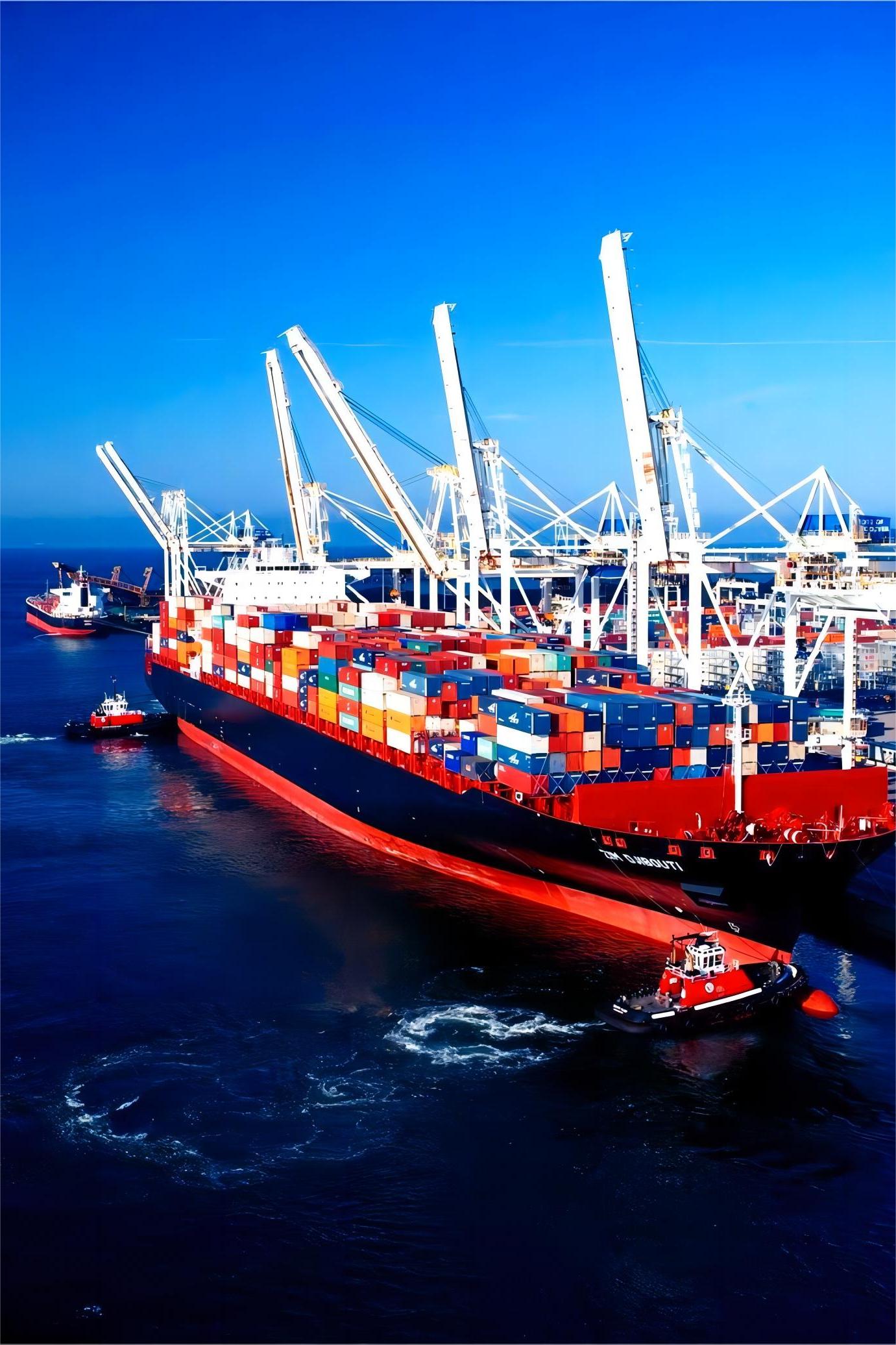
40HQ FCL space availability for electronics from China to Savannah
Finding consistent 40HQ FCL space availability for electronics from China to Savannah remains a top priority for US importers in the current market. Top China Freight provides the logistics expertise required to navigate these busy shipping lanes efficiently. Consequently, businesses can maintain their supply chain stability while ensuring that high-value electronic goods arrive on schedule at the Port of Savannah.

What determines 40HQ FCL space availability for electronics from China to Savannah?
Global trade dynamics significantly influence the current container market. Specifically, seasonal demand spikes during the pre-holiday rush often tighten the supply of 40HQ containers across major Chinese ports. Carriers prioritize high-value cargo like consumer electronics, yet space remains a premium commodity on direct routes to the US East Coast. Therefore, booking several weeks in advance is essential for securing your spot on a vessel.
Market fluctuations also play a critical role in equipment availability. For instance, when empty containers are slow to return from North America, exporters in Shanghai and Shenzhen face immediate shortages. Importers should consider sea freight as a long-term strategy rather than a last-minute solution. Additionally, the specific requirements for electronics, such as moisture control and security, mean that only high-quality 40HQ units are suitable for these shipments.
Port productivity in Georgia affects the entire rotation of shipping vessels. Savannah has expanded its capacity, but peak season congestion can still cause delays in vessel turnaround times. Consequently, carriers might adjust their schedules, which directly impacts the availability of future space. Understanding these interconnected factors allows businesses to plan their inventory cycles with greater precision and less risk.
Why is Savannah the preferred port for shipping electronics to Georgia?
Savannah offers an unrivaled gateway for reaching the Southeastern United States. Its proximity to major distribution centers makes it an ideal choice for companies focused on shipping from China to North America. Moreover, the port provides excellent rail and truck connectivity, ensuring that electronics reach their final destination quickly after clearing customs.
Infrastructure investments have transformed Savannah into a powerhouse for containerized trade. The Port of Savannah handles a massive volume of FCL shipments, providing specialized facilities for tech products. Furthermore, the local logistics ecosystem includes numerous bonded warehouses that cater specifically to high-value electronics. This specialized support reduces the risk of damage or theft during the final leg of the journey.
Efficiency at the terminal level translates to faster cargo release for importers. Unlike some West Coast ports that face chronic labor issues, Savannah maintains a reputation for reliable operations. Indeed, many electronics retailers prefer this route to avoid the uncertainty of transcontinental trucking from California. Choosing the right port is just as important as securing the container space itself.
How does 40HQ FCL compare to other shipping options?
Choosing between different shipping methods requires a careful analysis of cost, speed, and volume. While a 40HQ container provides the best value for large electronics orders, it may not be the fastest option. On the other hand, air freight offers rapid delivery for urgent product launches but at a significantly higher price point. Businesses must weigh these trade-offs based on their specific inventory needs and budget constraints.
Below is a detailed comparison of the primary shipping methods available for the China to Savannah route. This data reflects industry averages as of early 2025.
| Shipping Method | Cost Range | Transit Time | Best For |
|---|---|---|---|
| 40HQ FCL | $4,500 – $6,500 | 30 – 35 Days | Bulk electronics orders |
| LCL Shipping | $80 – $150 per CBM | 35 – 45 Days | Small tech components |
| Air Freight | $5 – $9 per KG | 5 – 8 Days | High-value prototypes |
| Sea-Air Hybrid | $2,500 – $4,000 | 15 – 20 Days | Mid-season restocking |
What are the transit times for electronics from major Chinese ports?
Transit times vary depending on the port of loading and the specific carrier service chosen. For example, direct services from Shanghai or Ningbo typically reach Savannah in about 30 to 34 days via the Panama Canal. However, if the vessel takes the Suez Canal route or experiences transshipment in Busan, the time can extend to 40 days or more. Importers should always verify the specific routing before confirming a booking.
Southern China ports like Shenzhen and Guangzhou also offer robust options for electronics exporters. Because many tech factories are located in the Pearl River Delta, these ports provide the most convenient loading points. Consequently, the total door-to-door time is often shorter when using these gateways, even if the sea transit remains similar to northern routes. Planning around these timelines is vital for meeting retail deadlines.
Note: Freight rates and transit times are subject to change based on fuel costs, carrier capacity, and seasonal demand. Contact us for a current quote tailored to your specific shipment.
| Origin Port | 20GP Rate | 40HQ Rate | Transit (Days) |
|---|---|---|---|
| Shanghai | $3,200 – $3,800 | 4,800 – $5,800 | 32 Days |
| Shenzhen | $3,000 – $3,600 | 4,600 – $5,600 | 30 Days |
| Ningbo | $3,150 – $3,750 | 4,750 – $5,750 | 33 Days |
| Qingdao | $3,400 – $4,000 | 5,000 – $6,200 | 36 Days |
Which option should you choose for your electronics shipment?
Selecting the right logistics strategy depends on several key criteria including budget, volume, and urgency. If your priority is cost-efficiency for a large volume of goods, 40HQ FCL is the clear winner. This method allows you to maximize the internal volume of the container, which is particularly beneficial for bulky electronics like computer monitors or home appliances. Furthermore, FCL shipments generally face fewer handling risks compared to LCL.
If you are shipping high-value items with a short shelf life, such as the latest smartphones, air freight might be necessary despite the cost. Alternatively, some businesses utilize Amazon FBA strategies to distribute inventory across multiple regions. This approach can mitigate the impact of a single port delay. Ultimately, a hybrid strategy often provides the best balance of speed and expenditure for growing tech brands.
Consider the following decision framework: For shipments over 15 CBM, always look for FCL space. For urgent stock-outs, split the shipment between air and sea. For consistent, predictable demand, secure long-term contracts with a reliable freight forwarder. These choices will define your competitive advantage in the US electronics market.
How to handle customs clearance for electronics in Savannah?
Navigating the legal requirements for importing electronics requires precision and expertise. Customs authorities in Savannah scrutinize tech imports for compliance with FCC regulations and safety standards. Therefore, working with a professional customs brokerage is highly recommended to avoid costly fines or seizures. Accurate documentation is the first step toward a successful import process.
Classification of goods using the correct HTS codes is another critical factor. Electronics often fall under complex categories that determine the applicable duty rates. Moreover, some products may be subject to Section 301 tariffs if they originate from China. An experienced broker will help you identify these costs upfront, allowing for better financial planning. Without a doubt, proactive compliance reduces the likelihood of intensive examinations at the port.
Importers must also ensure that all intellectual property rights are respected. Savannah customs officers are trained to identify counterfeit electronics that infringe on trademarks. Consequently, having your authorization letters and brand documentation ready is essential. By maintaining high standards of transparency, you can ensure your 40HQ container moves through the terminal without unnecessary interruptions.
Case Study 1: Shipping Smart Home Devices from Shenzhen
Route: Shenzhen, China to Savannah, USA. Cargo: Smart Home Devices, 65 CBM, 12,000 kg. Container: 40HQ FCL. Shipping Details: Major carrier via Panama Canal. Port of Loading: Yantian. Port of Discharge: Savannah. Route Type: Direct. Cost Breakdown: Ocean Freight: $5,200. Origin Charges: $450. Destination Charges: $600. Customs and Duties: $1,800. Total Landed Cost: $8,050. Timeline: Booking to Loading: 7 days. Sea Transit: 31 days. Customs Clearance: 2 days. Total Door-to-Door: 40 days. Key Insight: Early booking during the Q3 peak season ensured space availability despite a 15 percent market rate increase.
Case Study 2: Industrial LCD Screens from Ningbo
Route: Ningbo, China to Savannah, USA. Cargo: Industrial LCD Screens, 62 CBM, 15,500 kg. Container: 40HQ FCL. Shipping Details: MSC Service. Port of Loading: Ningbo-Zhoushan. Port of Discharge: Savannah. Route Type: Transshipment via Busan. Cost Breakdown: Ocean Freight: $4,900. Origin Charges: $400. Destination Charges: $550. Customs and Duties: $2,100. Total Landed Cost: $7,950. Timeline: Booking to Loading: 5 days. Sea Transit: 38 days. Customs Clearance: 3 days. Total Door-to-Door: 46 days. Key Insight: Choosing a transshipment route saved the client $600 in freight costs compared to direct service, though it added 6 days to the transit time.
What are the latest logistics trends for China to US East Coast routes?
As of early 2025, the shipping industry is seeing a shift toward more sustainable practices. Carriers are increasingly deploying eco-friendly vessels on the China to Savannah route to meet carbon reduction goals. Additionally, digital tracking technologies are becoming standard, providing importers with real-time visibility into their container’s location. This transparency is particularly valuable for high-stakes electronics shipments where timing is everything.
Another significant trend is the diversification of sourcing within China. While Shanghai remains a primary hub, more electronics manufacturing is moving to inland provinces. This shift requires complex multi-modal logistics to bring goods to the coast for export. Consequently, freight forwarders are expanding their inland networks to offer seamless door to door solutions. Adapting to these changes is necessary for any modern importer.
Geopolitical factors continue to influence freight rates and route availability. For instance, disruptions in other global maritime corridors can lead to vessel re-routing, which indirectly affects the capacity available for Savannah. Therefore, staying informed about global events is just as important as monitoring local port conditions. A flexible supply chain is a resilient supply chain in today’s volatile environment.
Final thoughts on securing 40HQ FCL space for electronics
Successfully managing 40HQ FCL space availability for electronics from China to Savannah involves a combination of early planning, port selection, and expert partnership. By understanding the factors that drive container availability, importers can navigate peak seasons and market fluctuations with confidence. Savannah remains a premier destination for electronics due to its robust infrastructure and strategic location.
Furthermore, the choice between FCL, LCL, and air freight should be guided by a clear understanding of your business goals. While 40HQ containers offer the best volume-to-cost ratio, flexibility remains key in a changing market. Working with a dedicated freight forwarder ensures that you have access to the latest market intelligence and the best available rates. Start planning your next shipment today to stay ahead of the competition.
Ready to streamline your logistics?
Securing 40HQ FCL space availability for electronics from China to Savannah requires a partner who understands the intricacies of global logistics. Contact Top China Freight today to receive a customized quote and expert guidance for your next shipment. Our team is ready to help you optimize your supply chain and ensure your electronics reach the US market on time and within budget. Visit our website to start your inquiry now.
Request Quote