
Flat Rack FCL sailing schedule for hardware tools from China to Europe: 2025 Guide
Finding a reliable Flat Rack FCL sailing schedule for hardware tools from China to Europe is a critical step for businesses dealing with oversized or heavy equipment. At Top China Freight, we specialize in managing complex logistics requirements that standard containers cannot accommodate. Consequently, understanding the nuances of flat rack shipping ensures your hardware tools arrive safely and on time. This guide provides a comprehensive overview of current schedules, pricing, and strategic alternatives to optimize your international supply chain.
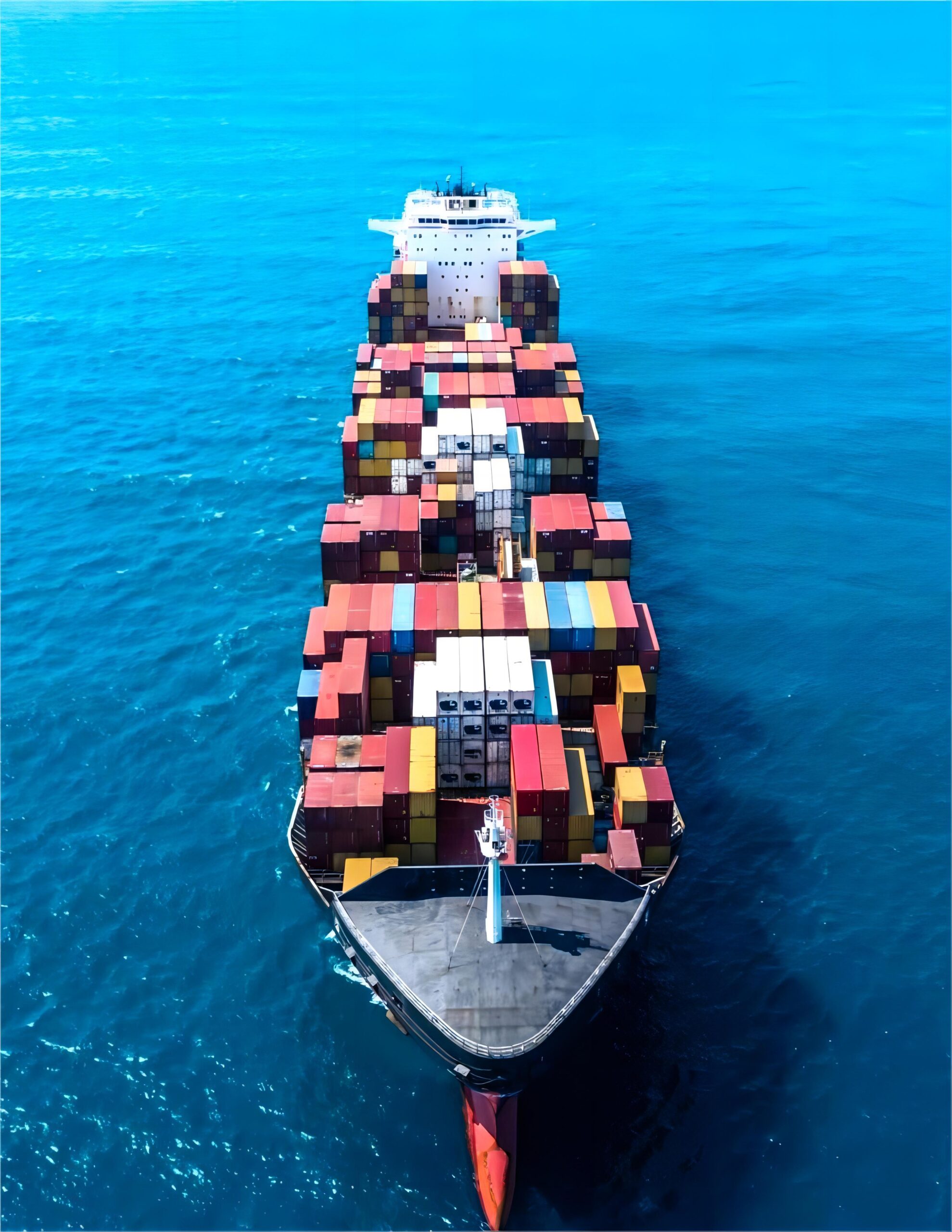
What is a Flat Rack FCL sailing schedule for hardware tools from China to Europe?
A Flat Rack FCL sailing schedule for hardware tools from China to Europe refers to the fixed departure and arrival dates for full container load shipments using flat rack equipment. These specialized containers lack side walls and a roof, making them ideal for bulky hardware like industrial lathes, heavy-duty presses, or large-scale tool sets. Moreover, because these items often exceed the dimensions of a standard dry van, the sailing schedule must account for specialized loading times.
Carriers typically release these schedules monthly to help importers plan their inventory cycles effectively. Furthermore, the FCL aspect means you have exclusive use of the flat rack, providing better security and control over your cargo. Shipping from major hubs like Shanghai or Shenzhen requires precise coordination with port authorities to ensure the oversized cargo meets the vessel departure window.
Logistics managers rely on these schedules to avoid costly storage fees at the port of loading. Additionally, knowing the exact transit time allows for better coordination with European distributors. Indeed, a well-planned schedule is the backbone of a successful hardware tool import business.
Why Choose Flat Rack FCL for Hardware Tools?
Hardware tools often come in irregular shapes and extreme weights that standard sea freight containers cannot handle. Specifically, flat racks offer the flexibility to load from the top or the sides, which is essential for heavy machinery. Consequently, this method reduces the risk of damage during the loading and unloading process.
Stability is another major advantage of choosing Flat Rack FCL for your tool shipments. Because the cargo is lashed directly to the reinforced steel base, it remains secure even during rough sea conditions in the Indian Ocean or the Mediterranean. Therefore, high-value hardware remains protected throughout the long journey from China to European ports.
Cost-effectiveness also plays a role when you have enough volume to fill a flat rack. While the freight rate per unit might be higher than a standard 40HQ, the ability to ship fully assembled machinery saves on labor costs at the destination. Moreover, FCL shipments generally face fewer delays compared to consolidated cargo.
How Does Flat Rack FCL Compare to Other Shipping Options?
Choosing the right method for shipping to Europe depends on your specific budget and timeline. While Flat Rack FCL is superior for oversized tools, other methods like Rail Freight or Air Freight offer different advantages. For instance, rail freight is often faster than sea but has stricter weight and dimension limits.
In contrast, air freight provides the fastest delivery but comes at a significant price premium that may not be sustainable for heavy hardware. Most businesses find that sea-based flat racks offer the best balance between capacity and cost. Nevertheless, it is important to evaluate all alternatives before booking your shipment.
| Shipping Method | Cost Range (USD) | Transit Time | Best For |
|---|---|---|---|
| Flat Rack FCL | $3,500 – $5,500 | 30-40 Days | Oversized/Heavy Tools |
| Standard FCL | $2,500 – $4,200 | 28-35 Days | Boxed/Palletized Tools |
| Rail Freight | $4,000 – $6,500 | 18-22 Days | Mid-sized Machinery |
| Air Freight | $15,000+ | 5-8 Days | Urgent Spare Parts |

Transit Time and Route Analysis for China to Europe
The Flat Rack FCL sailing schedule for hardware tools from China to Europe usually involves a transit time of 30 to 45 days. Major ports of loading include Shanghai, Ningbo, and Shenzhen, which offer the most frequent departures. On the other hand, European discharge ports like Rotterdam, Hamburg, and Felixstowe serve as the primary gateways for the continent.
Weather conditions and seasonal demand can influence these timelines significantly. For example, during the peak season from August to October, port congestion may add an extra week to the total door-to-door time. Therefore, booking at least 3-4 weeks in advance is highly recommended for flat rack equipment.
Direct routes are generally preferred to minimize handling, although transshipment via Singapore is common for certain carriers. Indeed, minimizing the number of times a flat rack is moved reduces the risk of lashing failure. Always check the specific vessel’s ETA to ensure it aligns with your delivery requirements.
| Origin Port | Destination Port | Avg. Transit (Days) | Frequency |
|---|---|---|---|
| Shanghai | Rotterdam | 32 Days | Weekly |
| Shenzhen | Hamburg | 35 Days | Bi-weekly |
| Ningbo | Antwerp | 34 Days | Weekly |
| Qingdao | Felixstowe | 38 Days | Weekly |
Cost Analysis for Shipping Hardware Tools via Flat Rack
Shipping costs for a Flat Rack FCL sailing schedule for hardware tools from China to Europe are influenced by several variables. Primarily, the ocean freight rate is the largest component, but you must also account for bunker adjustment factors and currency fluctuations. Furthermore, flat racks often incur ‘out-of-gauge’ (OOG) surcharges if the cargo exceeds the container dimensions.
As of early 2025, rates have stabilized but remain sensitive to global logistics trends. For instance, a 40ft flat rack from Shanghai to Northern Europe typically ranges between $3,800 and $5,200 depending on the carrier. Consequently, it is vital to obtain an all-in quote that includes lashing and securing fees.
To ensure a seamless experience, many importers opt for door to door service. This approach simplifies the budgeting process by combining ocean freight, trucking, and port charges into a single rate. Note: Freight rates are subject to change based on fuel costs, carrier capacity, and seasonal demand. Contact us for a current quote tailored to your specific shipment.
Essential Documentation and Customs Compliance
Importing hardware tools into Europe requires strict adherence to customs regulations and documentation. You must provide a detailed commercial invoice, a packing list, and a Bill of Lading. Additionally, hardware tools often require specific certifications, such as the CE mark, to prove compliance with European safety standards.
Navigating these requirements can be challenging without professional help. Utilizing a customs brokerage service ensures that your HS codes are classified correctly, preventing overpayment of duties. Moreover, accurate documentation speeds up the clearance process at the Port of Discharge.
Customs authorities may also inspect flat rack shipments to verify the lashing and security of the cargo. Therefore, ensuring that all wooden packaging is ISPM-15 certified is mandatory to avoid quarantine delays. Indeed, preparation is the key to avoiding unexpected storage costs at the European border.

Which Option Should You Choose?
Determining the best logistics strategy depends on your specific priorities. If your primary goal is cost-saving and you have a flexible timeline, the standard Flat Rack FCL sailing schedule for hardware tools from China to Europe via sea is the most logical choice. However, if you are facing a production deadline, rail freight might be a better alternative.
Consider the volume of your shipment as well. For multiple machines, FCL is almost always more economical than LCL. On the other hand, if you are shipping a single oversized tool, you might explore specialized breakbulk options if flat racks are unavailable. Always weigh the trade-offs between speed, safety, and total landed cost.
Decision Framework Criteria
Budget priority: Choose Sea Freight Flat Rack FCL for the lowest rates per CBM. Speed priority: Opt for Rail Freight or Sea-Air hybrid solutions to save 10-15 days. Cargo type: If the tool is sensitive to moisture, ensure it is professionally shrink-wrapped before being placed on the flat rack.
Real-World Case Studies
Analyzing real-world scenarios helps in understanding the practical application of the Flat Rack FCL sailing schedule for hardware tools from China to Europe. Below are two cases based on typical 2024-2025 market data.
Case Study 1: Industrial Lathe Shipment. Route: Shanghai to Hamburg. Cargo: 2 Large Lathes, 18 CBM, 12,000 kg. Container: 40ft Flat Rack. Ocean Freight: $4,200. Transit: 34 days. Key Insight: Professional lashing prevented movement during a storm in the Bay of Biscay.
Case Study 2: Heavy Press Export. Route: Shenzhen to Rotterdam. Cargo: Hydraulic Press, 12 CBM, 8,500 kg. Container: 20ft Flat Rack. Ocean Freight: $2,800. Transit: 31 days. Key Insight: Using a direct sailing schedule saved the client 6 days compared to a transshipment route.
Case Study Details
Case Study 1: Route: Shanghai, China to Hamburg, Germany. Timeline: Booking to Loading: 5 days; Sea Transit: 34 days; Customs: 2 days; Total: 41 days. Total Landed Cost: $5,800 (including local charges).
Case Study 2: Route: Shenzhen, China to Rotterdam, Netherlands. Timeline: Booking to Loading: 4 days; Sea Transit: 31 days; Customs: 3 days; Total: 38 days. Total Landed Cost: $4,100 (including local charges).
Final Thoughts on Shipping Hardware Tools
Securing a reliable Flat Rack FCL sailing schedule for hardware tools from China to Europe is essential for any serious importer. By understanding the transit times, cost structures, and equipment benefits, you can make informed decisions that protect your bottom line. Furthermore, partnering with an experienced freight forwarder like Top China Freight ensures that your oversized cargo is handled with the highest level of expertise.
Whether you are shipping a single heavy machine or a fleet of industrial tools, the right sailing schedule is your roadmap to success. Always stay updated on market trends and maintain close communication with your logistics provider to navigate the ever-changing global trade landscape.
Ready to streamline your logistics?
Streamline your hardware tool imports today. Contact us for a customized Flat Rack FCL sailing schedule for hardware tools from China to Europe and get a competitive quote in minutes. Visit our inquiry page to start: Send Inquiry
Request Quote