

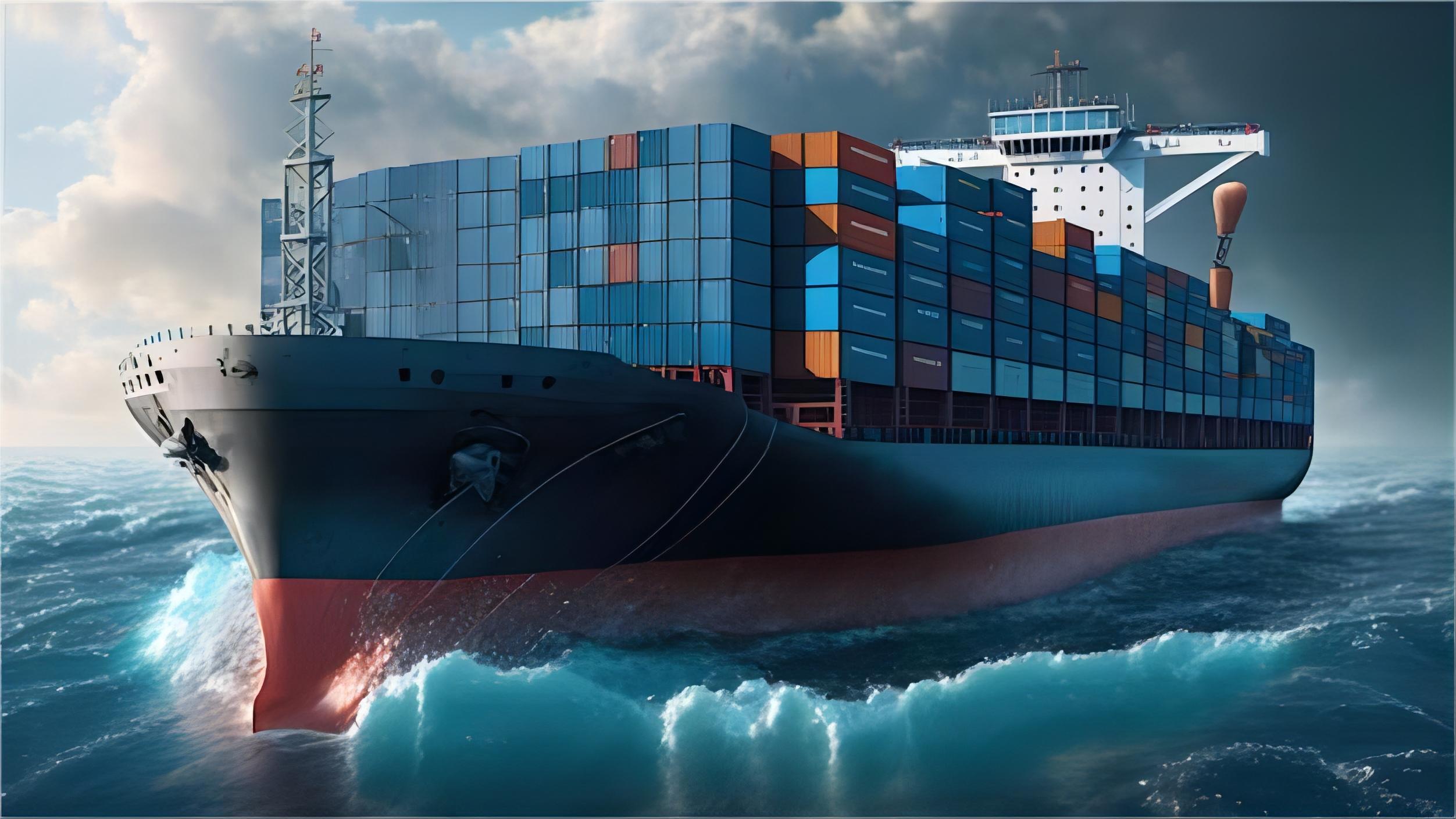
40GP FCL shipping cost for electronics from China to France: 2025 Guide
Finding a competitive 40GP FCL shipping cost for electronics from China to France is critical for modern importers. This comprehensive guide explores current market rates, transit schedules, and cost-saving strategies to optimize your electronics supply chain. We provide the data-driven insights you need to navigate international logistics successfully.

What is the average 40GP FCL shipping cost for electronics from China to France?
Current market data indicates that the standard sea freight cost for a 40GP container ranges between $2,800 and $3,800. These rates fluctuate based on the specific departure port in China and the arrival port in France, such as Le Havre or Marseille. Importers should also account for seasonal demand, which can drive prices higher during the peak shipping months of August through October.
Electronics often require additional care, though they generally fit within standard container pricing unless they involve hazardous materials like large lithium batteries. Furthermore, the 40GP container offers a cost-effective balance between volume and price for large-scale shipments. Consequently, many businesses prefer this container size over the 20GP when shipping high volumes of consumer electronics.
Note: Freight rates are subject to change based on fuel costs, carrier capacity, and seasonal demand. Contact us for a current quote tailored to your specific shipment.
| Route | 20GP Cost | 40GP Cost | 40HQ Cost |
|---|---|---|---|
| Shenzhen to Le Havre | $1,900 – $2,400 | $2,900 – $3,700 | $3,100 – $4,100 |
| Shanghai to Marseille | $2,000 – $2,500 | $3,000 – $3,800 | $3,200 – $4,200 |
| Ningbo to Dunkirk | $1,850 – $2,350 | $2,850 – $3,650 | $3,050 – $4,000 |
Key factors influencing the 40GP FCL shipping cost for electronics from China to France
Fuel surcharges represent a significant portion of the total ocean freight expense, often changing monthly based on global oil prices. Additionally, port congestion at major hubs like Shanghai or Ningbo can lead to unexpected delays and surcharges. Carriers may also apply Peak Season Surcharges (PSS) during the lead-up to the Chinese New Year or the European holiday season.
Currency fluctuations between the US Dollar and the Euro also impact the final landed cost for French importers. Moreover, the choice of carrier plays a role, as premium lines offer faster transit times but charge higher rates. Meanwhile, smaller carriers might provide lower prices but with less frequent sailing schedules or longer routes.
Specific handling requirements for sensitive electronics can also add to the base shipping rate. For instance, if your cargo requires specialized moisture control or enhanced security tracking, you will likely see additional fees. Therefore, it is vital to specify your cargo type clearly when requesting a quote to avoid hidden costs later.
How does 40GP FCL compare to other shipping options?
While sea freight is the most common method, rail freight serves as a viable middle ground for electronics. Rail transport is typically faster than the ocean but more expensive, making it ideal for products with a shorter shelf life. In contrast, air freight remains the fastest but most costly option, usually reserved for high-value prototypes or urgent restocking.
Direct sea routes are generally more expensive than transshipment options via Singapore or Port Klang. However, direct routes save approximately 5 to 7 days of transit time and reduce the risk of cargo damage during handling. Consequently, the choice between direct and transshipment depends on your specific balance of budget and speed requirements.
Hybrid solutions like sea-air combinations are also gaining popularity for electronics logistics. These strategies involve shipping by sea to a hub like Dubai and then completing the journey via air. This approach offers a compromise that is faster than sea alone while remaining significantly cheaper than pure air freight.
| Shipping Method | Cost Range | Transit Time | Best For |
|---|---|---|---|
| Sea (40GP FCL) | $2,800 – $3,800 | 30 – 40 Days | Bulk Electronics |
| Rail Freight | $4,500 – $6,500 | 18 – 25 Days | Time-Sensitive |
| Air Freight | $15k – $25k | 5 – 8 Days | High-Value/Urgent |
| LCL (per CBM) | $60 – $110 | 35 – 45 Days | Small Batches |

Understanding the transit time for 40GP containers to French ports
Transit times from China to France typically range from 30 to 45 days depending on the specific port pair and route. For example, a direct shipment from Shenzhen to Marseille is usually faster than a route from Tianjin to Le Havre. Furthermore, weather conditions and seasonal port congestion can add several days to the estimated arrival time.
Booking your shipment at least 2 to 3 weeks in advance is highly recommended to secure space on the desired vessel. Indeed, during peak seasons, container equipment shortages can cause significant delays if not planned properly. Therefore, maintaining a flexible delivery schedule helps mitigate the impact of unforeseen logistics challenges.
Market data suggests that as of early 2025, transit times have stabilized following the disruptions of previous years. Nevertheless, importers should stay informed about geopolitical events that might affect major shipping lanes like the Suez Canal. Staying proactive in communication with your freight forwarder is the best way to manage these risks.
| Origin Port | Destination Port | Direct Transit | Transshipment |
|---|---|---|---|
| Shenzhen | Le Havre | 32 Days | 38 – 42 Days |
| Shanghai | Marseille | 30 Days | 36 – 40 Days |
| Ningbo | Fos-sur-Mer | 31 Days | 37 – 41 Days |
| Qingdao | Le Havre | 35 Days | 42 – 45 Days |
Customs duties and import taxes for electronics in France
Navigating customs brokerage is a critical step in determining the total landed cost of your electronics. France, as part of the European Union, applies a Common External Tariff to goods imported from China. Most consumer electronics carry a 0% to 14% duty rate, depending on the specific HS code classification.
Value Added Tax (VAT) in France is generally set at 20% and is calculated based on the CIF (Cost, Insurance, and Freight) value plus the duty. Additionally, some electronics may be subject to environmental taxes or WEEE (Waste Electrical and Electronic Equipment) regulations. Consequently, accurate documentation is essential to avoid fines or delays at the border.
Importers must ensure that all products comply with CE marking and other EU safety standards. Failure to provide the correct certificates of conformity can lead to the seizure of the entire container. Therefore, verifying compliance during the manufacturing stage in China is a prerequisite for a smooth import process.
Real-world case studies for 40GP FCL shipping
Case Study 1: Consumer Electronics from Shenzhen to Le Havre. A French retailer imported 40GP of smartphones and tablets in Q3 2024. The carrier used was a major line with a direct route. Ocean Freight: $3,200. Origin Charges: $450. Destination Charges: $600. Total Landed Cost (excluding tax): $4,250. Transit Time: 33 days. Key Insight: Early booking secured a competitive rate before the October peak.
Case Study 2: Electronic Components from Ningbo to Marseille. A manufacturer shipped 40GP of circuit boards via transshipment through Singapore. Ocean Freight: $2,950. Origin Charges: $400. Destination Charges: $550. Total Landed Cost: $3,900. Transit Time: 41 days. Key Insight: Choosing transshipment saved $300 but increased the timeline by 8 days compared to direct service.
Case Study 3: High-End Audio Equipment from Shanghai to Paris via Door-to-Door. This shipment utilized a full logistics package including inland drayage. Ocean Freight: $3,400. Door-to-Door Surcharges: $1,200. Transit Time: 38 days. Key Insight: Integrated logistics reduced administrative overhead for the importer despite the higher upfront service cost.

Cost-saving strategies for shipping electronics from China
Optimizing your packaging can significantly reduce the 40GP FCL shipping cost for electronics from China to France by maximizing container utilization. If you can fit more units into a single container, the freight cost per unit drops substantially. Furthermore, consider using door to door services to consolidate various logistics steps into one predictable fee.
Negotiating long-term contracts with freight forwarders can provide stability in an otherwise volatile market. While spot rates might occasionally be lower, contract rates protect you from sudden price spikes during peak seasons. Additionally, shipping during the off-peak months of March through June often results in the lowest available freight rates.
Consolidating shipments from multiple suppliers into a single 40GP container is another effective strategy. This method, known as buyer’s consolidation, allows you to avoid the higher costs associated with multiple LCL shipments. In summary, careful planning and volume consolidation are the most reliable ways to lower your international shipping expenses.
Which shipping option should you choose?
Budget priority: If your primary goal is to minimize costs, sea freight in a 40GP container is the undisputed winner for large volumes. This method provides the lowest cost per cubic meter for bulk electronics. However, you must be able to accommodate the 30 to 40-day lead time within your inventory management strategy.
Speed priority: When you need to launch a product or fulfill urgent orders, rail freight or air freight are the better choices. Rail offers a balanced solution that is faster than sea but much cheaper than air. Meanwhile, air freight should be reserved for high-margin electronics where the speed of delivery outweighs the high transportation cost.
Volume considerations: If your shipment is less than 15 CBM, LCL (Less than Container Load) might be more economical. However, once you exceed 15-20 CBM, the cost of a 20GP or 40GP FCL container usually becomes more efficient. Always calculate the break-even point between LCL and FCL before making a final booking decision.
Logistics trends affecting China to France shipping in 2025
The shift toward sustainable logistics is influencing how electronics are shipped to Europe. Many carriers are introducing eco-friendly vessels and carbon offset programs to meet new EU environmental regulations. Consequently, importers may see ‘green surcharges’ appearing on their freight invoices as the industry transitions to cleaner fuels.
Digitalization is also streamlining the documentation process, with electronic bills of lading becoming the industry standard. This trend reduces the risk of lost paperwork and speeds up customs clearance at French ports. Moreover, real-time tracking technology now allows importers to monitor their 40GP containers with unprecedented precision throughout the journey.
Regionalization of supply chains is another trend to watch, though China remains the primary hub for electronics manufacturing. Some companies are diversifying their shipping routes to include more Mediterranean ports to avoid northern European congestion. Staying adaptable to these shifts will be essential for maintaining a competitive edge in the French electronics market.
Final Thoughts on Shipping Electronics to France
Successfully managing the 40GP FCL shipping cost for electronics from China to France involves balancing speed, budget, and compliance. By understanding the factors that influence freight rates and utilizing the right shipping methods, you can significantly improve your bottom line. Whether you choose sea, rail, or air, the key is proactive planning and choosing a partner that understands the nuances of the China-France trade lane.
Ultimately, staying informed about market trends and customs requirements will ensure your electronics reach the French market efficiently. Use the data and strategies provided in this guide to make informed decisions for your next shipment. Remember that the cheapest rate is not always the best value if it comes with excessive delays or risks.
Ready to streamline your logistics?
Optimizing your 40GP FCL shipping cost for electronics from China to France requires expert knowledge and a reliable logistics partner. Contact Top China Freight today to receive a customized quote and streamline your international supply chain. Visit https://Top China Freight.com/ to learn more about our professional shipping solutions.
Request Quote