

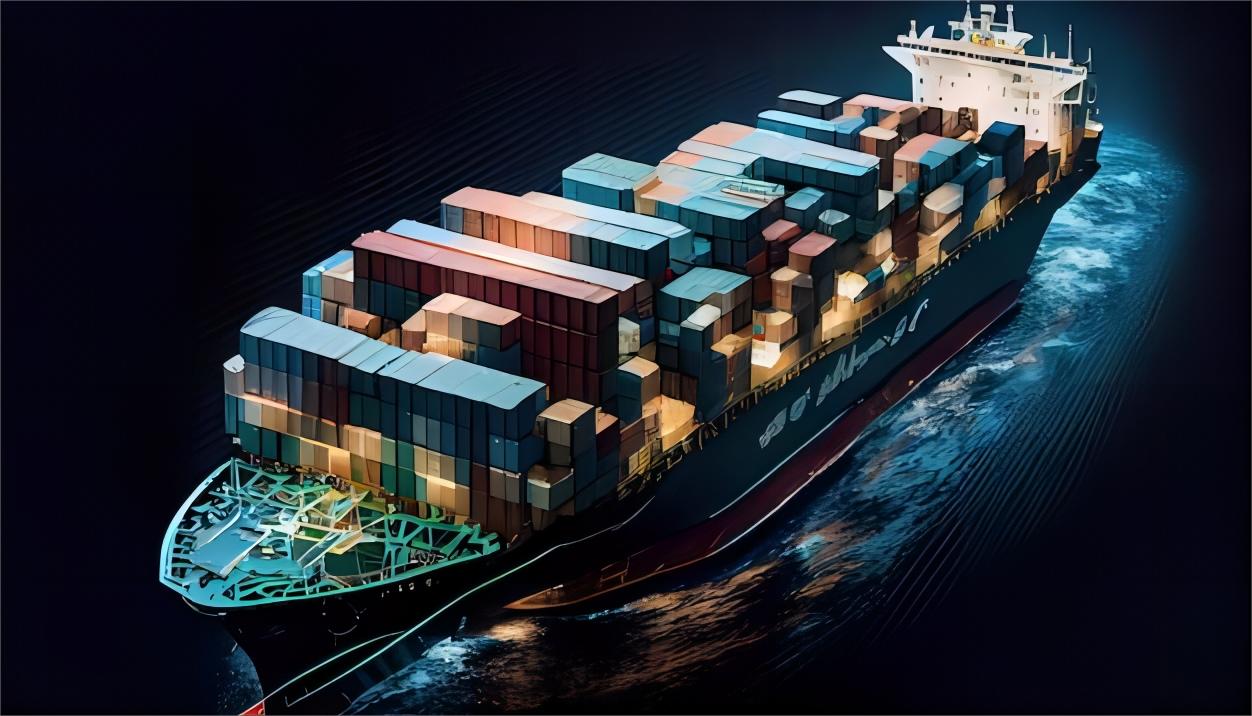
40HQ FCL Best Route for Auto Parts from China to Portugal
Navigating the 40HQ FCL best route for auto parts from China to Portugal requires a deep understanding of maritime logistics and supply chain management. Businesses looking for reliable solutions can trust Top China Freight to manage their global shipping needs efficiently. This guide explores how to optimize your shipping strategy for maximum efficiency and cost-effectiveness.
Why the 40HQ FCL Best Route for Auto Parts from China to Portugal Matters
Auto parts are often bulky or heavy, making container selection critical for cost-efficiency. A 40HQ container provides additional height compared to standard units, allowing for better stacking of engines or body panels.

Consequently, selecting the right route ensures that these high-value goods arrive without damage. Importers must balance the trade-off between speed and expense when planning their delivery schedule.
Furthermore, the global supply chain for automotive components relies on precision timing. Any delay in the 40HQ FCL best route for auto parts from China to Portugal can disrupt assembly lines or retail stock levels.
How Does Sea Freight Compare to Other Shipping Options?
Choosing sea freight is usually the most economical choice for large volumes of automotive cargo. While air freight is faster, the cost per kilogram for heavy metal parts is often prohibitive for most business models.
Therefore, most importers prioritize ocean routes for their regular inventory replenishment. Sea freight offers the capacity needed for full container loads while maintaining lower freight rates compared to express alternatives.
In addition, rail options have emerged as a viable middle ground for those shipping to Europe. However, maritime shipping remains the dominant method for Portugal due to its extensive coastline and major port infrastructure.
| Shipping Method | Cost Range | Transit Time | Best For |
|---|---|---|---|
| Sea Freight (40HQ) | $3,200 – $4,800 | 35-45 Days | Bulk Auto Parts |
| Rail Freight | $5,500 – $7,500 | 22-28 Days | Mid-value Components |
| Air Freight | $15,000+ | 5-8 Days | Urgent Spare Parts |
| LCL Sea Freight | $80 – $150/CBM | 40-50 Days | Small Shipments |
Key Ports and Transit Times for the 40HQ FCL Route
The journey usually begins at major Chinese hubs like Shanghai, Ningbo, or Shenzhen. These ports offer the highest frequency of departures and competitive pricing due to high carrier competition.
From there, vessels typically transit through the Suez Canal, which is the most direct maritime path to the Mediterranean. Finally, they reach Portuguese ports such as Sines or Leixoes after a journey across the North Atlantic.
Typical transit times range from 35 to 45 days depending on the specific carrier and weather conditions. Meanwhile, port congestion in either China or Europe can occasionally extend these timelines by several days.
Navigating Customs Documentation for Auto Parts
Importing auto parts into the European Union requires strict adherence to regulatory standards and precise documentation. You must prepare a detailed commercial invoice, a comprehensive packing list, and a valid Bill of Lading.
Moreover, certain components may require specific certifications to prove compliance with EU safety and environmental standards. Utilizing professional customs brokerage services can prevent costly delays at the Portuguese border.
Indeed, incorrect HS codes are a leading cause of shipment holds and fines. Consequently, working with experts ensures your cargo handling meets all legal requirements from the moment it leaves China.
Alternative Strategies for Urgent Automotive Shipments
In some cases, the 40HQ FCL best route for auto parts from China to Portugal might be too slow for emergency repairs. When time is of the essence, sea-air hybrid solutions can offer a compromise between cost and speed.
Alternatively, smaller shipments might benefit from door to door LCL services rather than a full container. This approach allows businesses to maintain leaner inventory levels without committing to a full 40HQ load.
Moreover, some logistics trends suggest that using transshipment hubs in North Africa can occasionally bypass congestion in Northern Europe. However, this strategy requires careful coordination with an experienced freight forwarder.
Which Option Should You Choose for Your Auto Parts?
Deciding on the best shipping strategy depends largely on your budget priority and inventory needs. If you are moving high volumes of heavy parts like engines or transmissions, the 40HQ FCL is almost always the best choice.
On the other hand, if you are shipping lightweight electronics or sensors, air freight might be justified by the reduction in transit time. You should also consider the seasonal variations in freight rates which typically peak in the third quarter.
To summarize, the 40HQ FCL best route for auto parts from China to Portugal offers the most stable and predictable solution for the majority of automotive importers.
Real Case Studies: China to Portugal Auto Parts Logistics
Case Study 1: Reliable Engine Component Delivery. Origin: Shenzhen, China. Destination: Leixoes, Portugal. Cargo: 1,800 kg of engine blocks. Container: 40HQ FCL. Carrier: Maersk. Port of Loading: Shenzhen. Port of Discharge: Leixoes. Route Type: Direct via Suez. Ocean Freight: $3,950. Origin Charges: $450. Destination Charges: $600. Customs: $1,200. Total Landed Cost: $6,200. Timeline: 38 days door-to-door. Key Insight: Early booking secured a lower rate during the peak season.
Case Study 2: Bulk Body Panel Shipment. Origin: Ningbo, China. Destination: Sines, Portugal. Cargo: 12,000 kg of car doors and panels. Container: 40HQ FCL. Carrier: COSCO. Port of Loading: Ningbo. Port of Discharge: Sines. Route Type: Transshipment via Tangier. Ocean Freight: $4,200. Origin Charges: $500. Destination Charges: $550. Customs: $1,500. Total Landed Cost: $6,750. Timeline: 42 days. Key Insight: Transshipment was used to avoid congestion at larger European ports.
Note: Freight rates are subject to change based on fuel costs, carrier capacity, and seasonal demand. Contact us for a current quote tailored to your specific shipment.

Mastering Your Auto Parts Logistics
Successfully managing the 40HQ FCL best route for auto parts from China to Portugal involves careful planning and the right partnerships. By understanding the nuances of port selection, container types, and customs requirements, you can significantly reduce your landed costs.
Furthermore, staying informed about current logistics trends and market rates allows you to adapt your strategy as global conditions change. Whether you choose direct sea freight or explore alternative rail options, the goal remains consistent: safe and timely delivery.
In conclusion, prioritizing the 40HQ FCL best route for auto parts from China to Portugal ensures that your supply chain remains robust and your customers stay satisfied.

Ready to streamline your logistics?
Optimizing your 40HQ FCL best route for auto parts from China to Portugal is essential for maintaining a competitive edge in the automotive industry. Contact our expert team today to receive a customized quote and streamline your international logistics. Send Inquiry: Visit https://Top China Freight.com/
Request Quote