

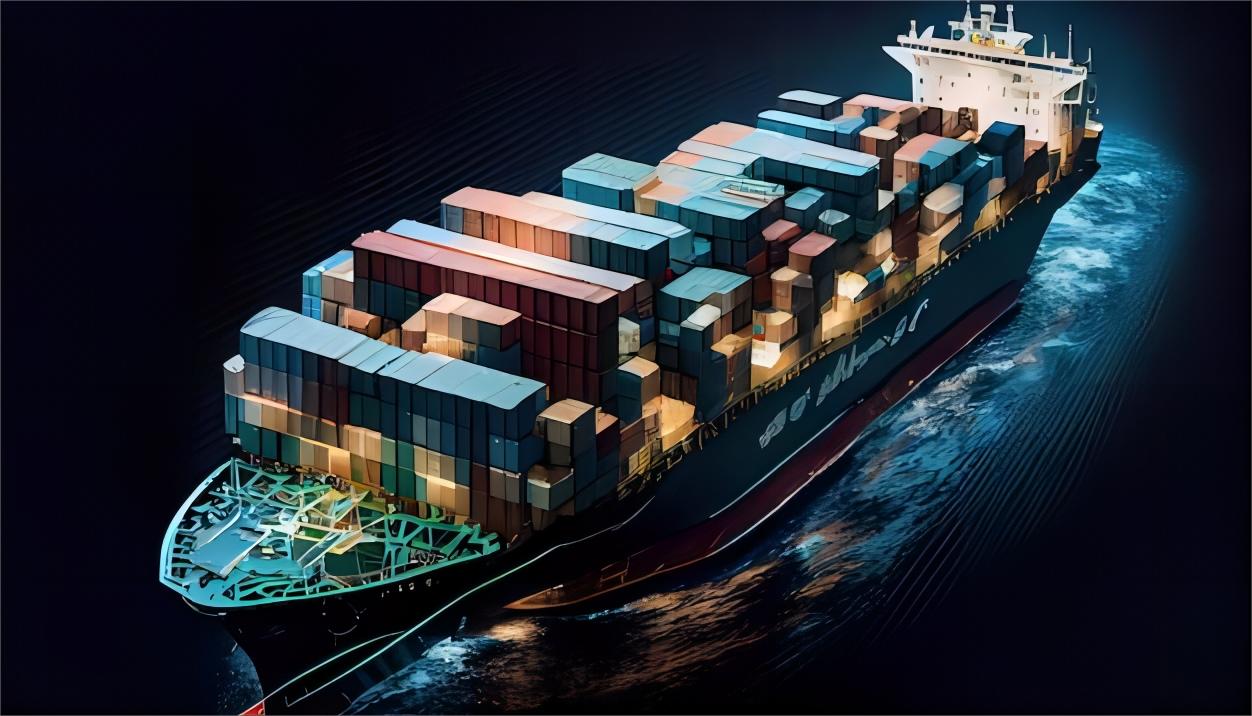
Flat Rack FCL transit time for hardware tools from China to Denmark
Navigating the complexities of international logistics requires a deep understanding of specific shipping methods and durations. If you are importing heavy or oversized equipment, knowing the Flat Rack FCL transit time for hardware tools from China to Denmark is vital for your project planning. At Top China Freight, we specialize in managing these specialized shipments to ensure your industrial tools arrive safely and on schedule. This guide explores the variables affecting delivery times and provides actionable insights for your supply chain.

What Determines the Flat Rack FCL transit time for hardware tools from China to Denmark?
Shipping oversized hardware tools involves unique challenges that differ significantly from standard containerized cargo. Consequently, the transit time is influenced by factors ranging from port efficiency to the specific dimensions of your out-of-gauge equipment. Most direct maritime routes from major Chinese hubs to Danish ports typically span between 30 and 45 days.
Furthermore, the complexity of securing flat rack containers can sometimes lead to longer preparation periods at the port of origin. Carriers must ensure that the weight distribution and lashing meet strict maritime safety standards before the vessel departs. Therefore, you should always account for an additional five to seven days for specialized cargo handling and documentation.
Logistics providers often suggest booking your space at least two weeks in advance to secure a spot on a vessel. Because flat rack containers occupy more space than standard units, carrier availability can fluctuate based on seasonal demand. Planning ahead helps you avoid unexpected delays during the peak shipping season from August to October.
How Does Flat Rack FCL Compare to Other Shipping Options?
Choosing the right shipping method depends heavily on your budget, cargo dimensions, and urgency. While sea freight remains the most cost-effective solution for heavy hardware tools, alternatives like air or rail might be suitable for smaller components. Understanding these trade-offs is essential for optimizing your landed costs and delivery speed.
Specifically, flat rack FCL is the gold standard for items that do not fit into standard 20ft or 40ft dry containers. In contrast, Less than Container Load (LCL) shipping is only viable for smaller hardware items that can be palletized. If your tools exceed standard height or width limits, the flat rack option provides the necessary flexibility for safe transport.
Moreover, rail freight offers a middle ground between sea and air in terms of both cost and speed. However, rail transport for oversized cargo from China to Europe involves complex transshipment processes at border crossings. Consequently, many importers prefer the reliability of ocean transit for their most valuable hardware assets.
| Shipping Method | Cost Range | Transit Time | Best For |
|---|---|---|---|
| Flat Rack Sea FCL | $3,200 – $5,500 | 32-45 Days | Oversized Machinery |
| Standard Sea FCL | $2,200 – $3,800 | 30-40 Days | Boxed Hardware |
| Rail Freight | $4,500 – $7,000 | 18-24 Days | Medium-Weight Tools |
| Air Freight | $15,000+ | 5-9 Days | Urgent Spare Parts |
Typical Transit Times by Port of Origin
Geographical location plays a significant role in determining the total duration of your shipment from China. For instance, departures from Northern Chinese ports like Tianjin may take slightly longer than those from Southern hubs like Shenzhen. Carriers operate different loops, and some include more transshipment stops in Southeast Asia or the Middle East.
Additionally, the choice of the destination port in Denmark affects the final delivery date. While Aarhus and Copenhagen are the primary gateways, smaller regional ports might require feeder vessel services from larger hubs like Hamburg or Rotterdam. This extra leg can add three to five days to the overall schedule.
Significantly, direct services are becoming more common as trade between China and Scandinavia grows. Importers should verify whether their chosen carrier offers a direct call to Danish ports or if the cargo will be transshipped. Transshipment often introduces risks of delay if the connecting vessel is overbooked or delayed by weather.
| Origin Port | Destination Port | Average Days | Service Type |
|---|---|---|---|
| Shanghai | Aarhus | 34-38 Days | Direct/Transship |
| Ningbo | Copenhagen | 35-40 Days | Transshipment |
| Shenzhen | Aarhus | 32-36 Days | Direct Service |
| Qingdao | Copenhagen | 38-44 Days | Feeder Service |

Managing Customs and Documentation for Hardware Imports
Efficiently navigating the customs brokerage process is critical to avoiding port storage fees. Danish customs authorities require precise documentation, including commercial invoices, packing lists, and certificates of origin. For specialized hardware tools, you may also need to provide technical specifications to justify the HS code classification.
Moreover, hardware tools often fall under specific European safety regulations and environmental standards. Ensuring your Chinese supplier provides the necessary CE marking documentation will prevent your cargo from being held at the border. Consequently, working with an experienced broker can streamline this process and reduce the risk of costly inspections.
Indeed, the Flat Rack FCL transit time for hardware tools from China to Denmark can be extended by simple administrative errors. Double-checking all paperwork before the vessel departs China is the best way to ensure a smooth clearance process upon arrival. This proactive approach saves time and maintains the integrity of your delivery schedule.
Case Study 1: Shipping Heavy Industrial Lathes to Aarhus
Route: Shanghai, China to Aarhus, Denmark
Cargo: Industrial Lathes, 18 CBM, 12,500 kg
Container: 40ft Flat Rack (OOG)
Shipping Details:
– Carrier: Maersk Line
– Port of Loading: Shanghai Yangshan
– Port of Discharge: Aarhus
– Route Type: Direct service via Suez Canal
Cost Breakdown:
– Ocean Freight: $4,200
– Origin Charges: $450
– Destination Charges: $600
– Customs and Duties: $1,200
– Total Landed Cost: $6,450
Timeline:
– Booking to Loading: 6 days
– Sea Transit: 35 days
– Customs Clearance: 2 days
– Total Door-to-Door: 43 days
Key Insight: Using a direct service minimized the risk of damage during transshipment for these sensitive high-precision tools.
Case Study 2: Urgent Hardware Tool Distribution to Copenhagen
Route: Shenzhen, China to Copenhagen, Denmark
Cargo: Professional Power Tool Sets, 25 CBM, 8,000 kg
Container: 40ft High Cube Flat Rack
Shipping Details:
– Carrier: COSCO Shipping
– Port of Loading: Yantian
– Port of Discharge: Copenhagen (via Rotterdam)
– Route Type: Transshipment via Rotterdam
Cost Breakdown:
– Ocean Freight: $3,850
– Origin Charges: $400
– Destination Charges: $550
– Customs and Duties: $950
– Total Landed Cost: $5,750
Timeline:
– Booking to Loading: 5 days
– Sea Transit: 38 days
– Customs Clearance: 3 days
– Total Door-to-Door: 46 days
Key Insight: Despite a transshipment in Rotterdam, the total transit time remained within the expected window due to efficient feeder coordination.

Strategies to Optimize Your Shipping Schedule
Reliability in your supply chain often stems from selecting a comprehensive door to door service. This approach allows a single logistics partner to manage every step, from the factory floor in China to your warehouse in Denmark. By eliminating multiple handovers, you reduce the likelihood of communication gaps that cause delays.
Additionally, monitoring global maritime trends is essential for predicting potential disruptions. Events such as port strikes, weather anomalies, or shifts in fuel prices can impact both rates and schedules. Staying informed allows you to adjust your inventory levels and manage customer expectations more effectively.
Finally, consider the benefits of shipping during the off-peak season to secure better rates and faster processing. While the Flat Rack FCL transit time for hardware tools from China to Denmark is relatively stable, the speed of port operations increases when volumes are lower. This strategy is particularly effective for non-urgent restocking of hardware inventory.
Which Option Should You Choose? Decision Framework
Deciding on the best shipping method requires balancing several competing priorities. If your primary goal is cost reduction and you are moving oversized machinery, flat rack sea freight is the logical choice. However, if you are shipping standard-sized hardware tools that can fit in a box, a standard container will save you approximately 20-30% in freight costs.
Furthermore, consider the urgency of your project requirements. For urgent replacement parts or critical tools needed for a construction deadline, air freight is the only viable option despite the high cost. For most routine commercial imports, the 35-day maritime transit time is acceptable when factored into long-term planning.
Ultimately, you should evaluate the physical characteristics of your cargo. Flat racks are specifically designed for heavy loads and items with unusual dimensions. Using the wrong container type to save money can lead to cargo damage or rejection by the carrier, resulting in much higher expenses in the long run.
The Role of Logistics Partners in Europe
Partnering with experts in shipping from China to Europe provides a significant competitive advantage. Local knowledge of Danish port regulations and inland transport networks ensures that the final leg of the journey is as efficient as the ocean crossing. This expertise is particularly valuable when coordinating the delivery of heavy hardware tools that require specialized unloading equipment.
Significantly, a good logistics partner will provide real-time tracking and regular updates. This transparency allows you to plan your warehouse labor and prepare for the arrival of new stock. Without a doubt, clear communication is the foundation of a successful international shipping operation.
Note: Freight rates are subject to change based on fuel costs, carrier capacity, and seasonal demand. Contact us for a current quote tailored to your specific shipment. We are here to help you navigate the complexities of global trade.
Final Thoughts on Shipping Hardware to Denmark
Successfully managing the Flat Rack FCL transit time for hardware tools from China to Denmark requires a combination of early planning and expert execution. By understanding the factors that influence maritime schedules, you can build a more resilient and predictable supply chain. Whether you are moving massive industrial machinery or specialized hardware sets, choosing the right container and route is the first step toward success.
Moreover, the integration of professional logistics services ensures that your cargo remains safe and compliant throughout its journey. As market conditions evolve, staying adaptable and informed will help you maintain a competitive edge in the Danish market. Trust Top China Freight to handle your oversized cargo with the care and precision it deserves.

Ready to streamline your logistics?
Ready to streamline your hardware tool imports? Contact Top China Freight today for a customized quote and expert guidance on your next shipment. Our team is standing by to optimize your Flat Rack FCL transit time for hardware tools from China to Denmark. Send Inquiry: info@Top China Freight.com
Request Quote