

Reefer FCL shipping from China to Poland: The Complete Logistics Guide
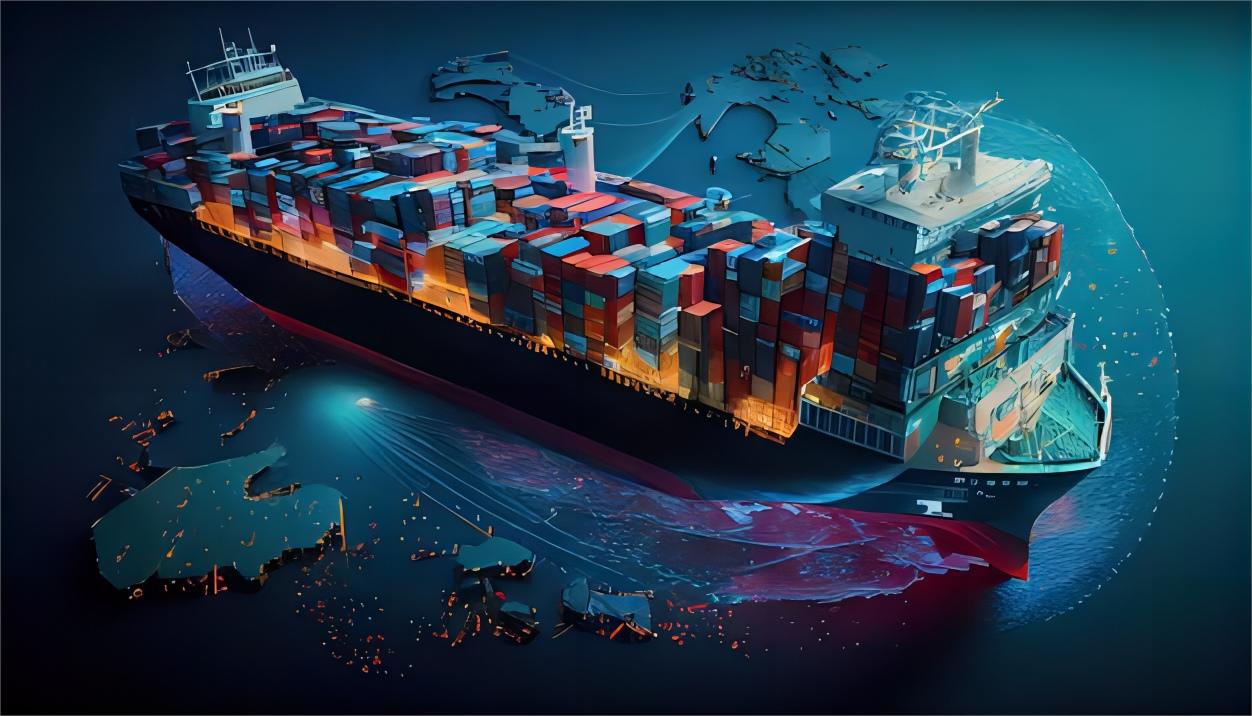
Navigating the complexities of Reefer FCL shipping from China to Poland requires a specialized approach to maintain the integrity of temperature-sensitive goods. Importers must balance cost-efficiency with strict climate control to ensure products like pharmaceuticals and perishables arrive in perfect condition. At Top China Freight, we provide comprehensive solutions tailored to the unique demands of the Polish market. This guide explores everything from transit routes to cost-saving strategies for your cold chain logistics.
Why Choose Reefer FCL shipping from China to Poland?
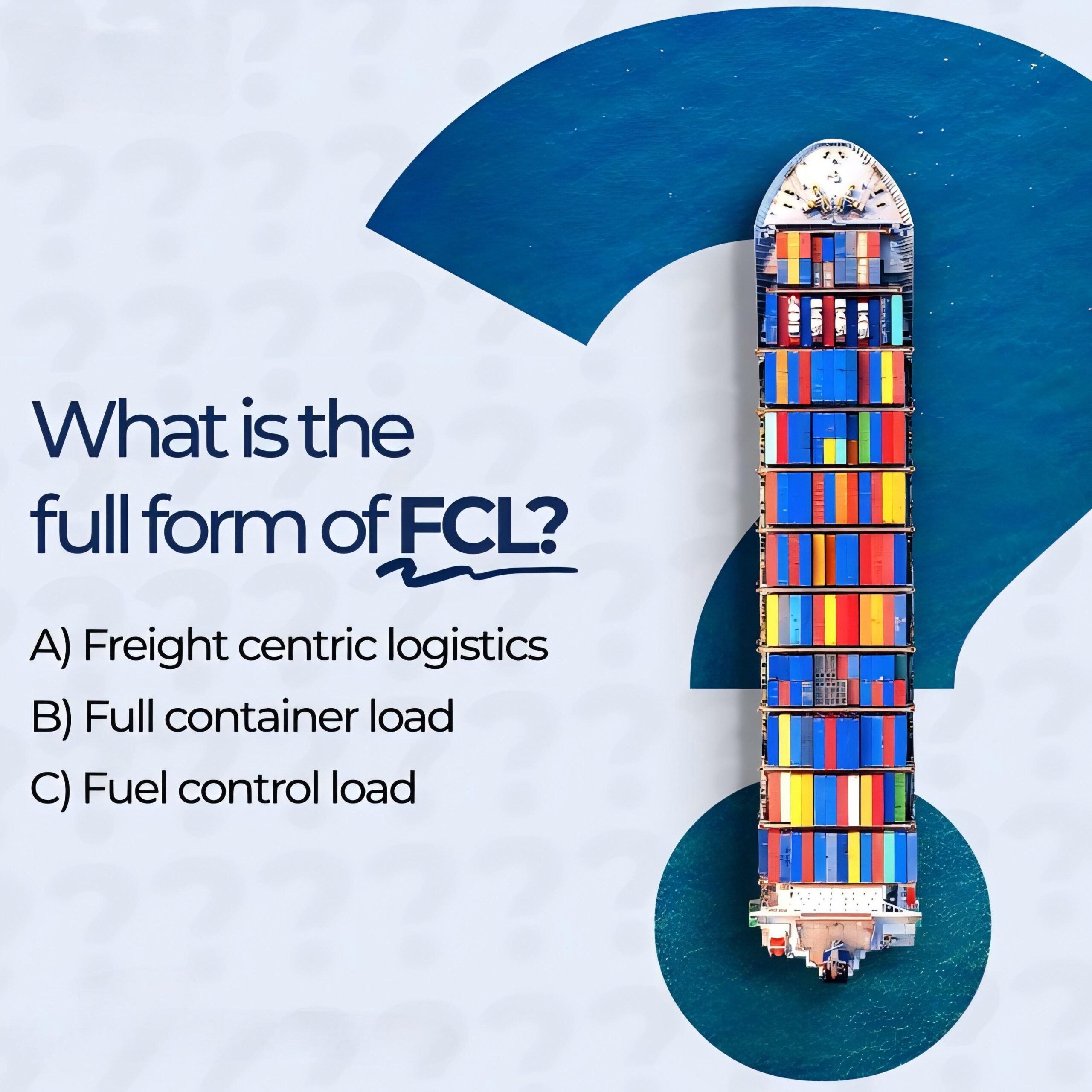
Choosing Reefer FCL shipping from China to Poland offers unparalleled security for high-value, temperature-sensitive inventory. Full Container Load (FCL) shipments ensure that your goods are not co-loaded with other cargo, which significantly reduces the risk of contamination. Furthermore, having a dedicated container allows for precise temperature and humidity settings tailored specifically to your product requirements.
Consequently, businesses can maintain a strict cold chain from the factory door in China to the warehouse in Poland. This method is particularly beneficial for large volumes that justify the cost of an entire 20ft or 40ft refrigerated unit. Additionally, FCL shipments often experience faster transit times because they avoid the consolidation and deconsolidation processes associated with LCL freight.
Moreover, the structural integrity of a reefer container provides a robust shield against external environmental fluctuations during the long journey. Therefore, importers of frozen meat, fresh produce, and delicate chemicals often prefer this method to safeguard their investments. Indeed, the reliability of FCL service is a cornerstone of modern international food and medicine trade.
Key Temperature Controlled Cargo Types
Specifically, several industries rely heavily on Reefer FCL shipping from China to Poland to sustain their supply chains. The pharmaceutical sector, for instance, requires exact temperature ranges to preserve the efficacy of vaccines and medicines. Meanwhile, the food industry utilizes these containers for everything from frozen seafood to fresh exotic fruits.
In addition, certain high-tech electronics and chemical compounds are sensitive to extreme heat or humidity. As a result, using refrigerated containers prevents thermal degradation and moisture damage during the transit through different climate zones. Naturally, each cargo type requires a specific Pre-Trip Inspection (PTI) to ensure the reefer unit is functioning perfectly before loading.
Notably, the Polish market has seen an increase in demand for specialized Chinese agricultural products and processed foods. Consequently, understanding the specific settings for your cargo is essential for a successful import operation. You should always consult with your logistics provider to determine the optimal set-point for your specific goods.
How Does Reefer FCL Compare to Other Shipping Options?
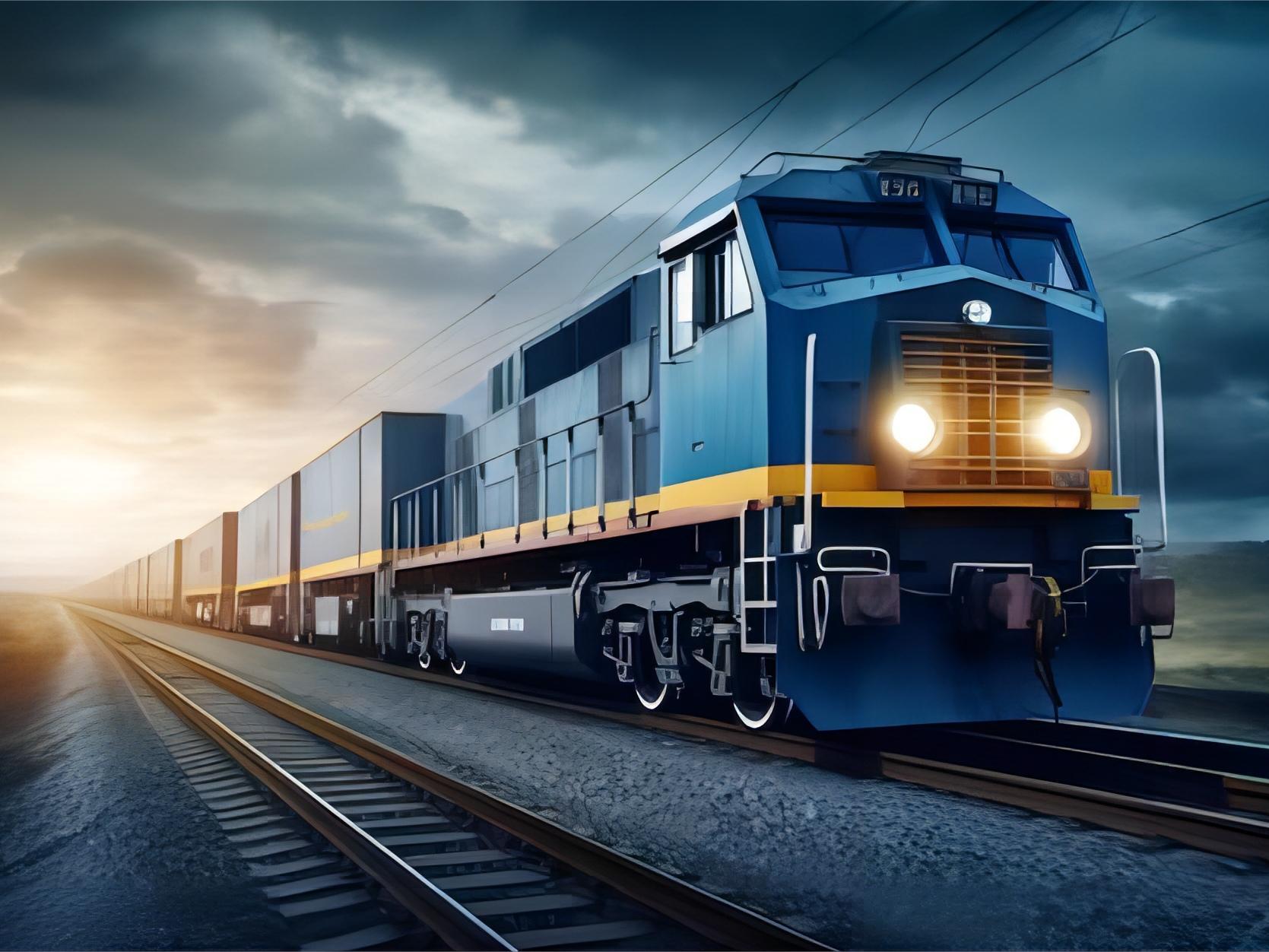
When planning your logistics, it is vital to compare Reefer FCL shipping from China to Poland against alternative methods. While sea freight is the most common choice for large volumes, other modes offer different advantages. For example, rail freight provides a faster middle-ground for urgent shipments moving across the Eurasian land bridge.
On the other hand, air freight remains the quickest option but comes with significantly higher costs and limited capacity for heavy refrigerated loads. Therefore, the choice often depends on your budget, the shelf life of the product, and the total volume of the shipment. To summarize, FCL sea freight is generally the most cost-effective for bulk perishables with a longer shelf life.
In contrast, rail transport is becoming increasingly popular for goods that need to reach Poland in nearly half the time of sea freight. However, rail infrastructure for reefers requires consistent power supply points along the route, which can influence availability. Ultimately, a thorough comparison helps you choose the strategy that aligns with your delivery schedule and profit margins.
| Shipping Method | Cost Range (USD) | Transit Time | Best For |
|---|---|---|---|
| Sea Freight FCL | $3,500 – $6,000 | 35-45 Days | Bulk frozen goods |
| Rail Freight FCL | $7,000 – $10,000 | 18-24 Days | Urgent food/pharma |
| Air Freight | $15,000+ | 3-7 Days | High-value vaccines |
| Sea-Rail Hybrid | $5,000 – $8,000 | 25-30 Days | Balanced cost/speed |
Transit Time and Route Analysis
The transit time for Reefer FCL shipping from China to Poland varies significantly based on the chosen port of loading and the final destination. Most sea shipments originate from major hubs like Shanghai, Ningbo, or Shenzhen. From these ports, vessels typically travel through the Suez Canal before reaching the Baltic Sea.
Indeed, the primary gateway for Polish sea imports is the Port of Gdansk, which features the Deepwater Container Terminal (DCT). Another viable option is the Port of Gdynia, which handles a significant portion of refrigerated containers. Typically, the sea voyage takes between 35 and 45 days, depending on weather conditions and port congestion.
Alternatively, rail routes usually enter Poland through the Malaszewicze border crossing. This route is much faster, often delivering cargo to Warsaw or Lodz within 20 days. Nevertheless, importers must account for potential delays at the border due to gauge changes and customs inspections. Planning for these timelines is crucial for maintaining inventory levels in the Polish market.
Cost Factors in Temperature-Controlled Logistics
Understanding the pricing structure for Reefer FCL shipping from China to Poland is essential for accurate budgeting. Freight rates are influenced by seasonal demand, fuel surcharges, and the availability of refrigerated equipment. Generally, reefer containers cost 50% to 100% more than standard dry containers due to the electricity consumption and specialized maintenance required.
Furthermore, origin charges in China, such as terminal handling and documentation fees, must be factored into the total landed cost. In Poland, destination charges include port fees, customs clearance, and inland haulage to your warehouse. It is also important to remember that electricity connection fees at the terminal can add to the daily storage costs if the cargo is not cleared quickly.
Note: Freight rates are subject to change based on fuel costs, carrier capacity, and seasonal demand. Contact us for a current quote tailored to your specific shipment. For instance, rates typically increase during the peak season from August to October as retailers prepare for the winter holidays. Consequently, booking in advance can often secure better pricing and guaranteed equipment availability.
Customs Brokerage and Regulatory Compliance
Navigating the legal requirements for Reefer FCL shipping from China to Poland involves strict adherence to EU regulations. Since Poland is a member of the European Union, all imports must comply with harmonized standards for food safety and health. Therefore, utilizing a professional customs brokerage service is highly recommended to avoid costly delays.
Specifically, you will need a commercial invoice, a packing list, and a Bill of Lading for every shipment. For food products, a Health Certificate and a Veterinary Certificate are often mandatory. Additionally, the EORI number is a prerequisite for any business importing goods into the Polish territory. Without these documents, your cargo may be held at the port, risking the integrity of the cold chain.
Moreover, the customs process in Poland is thorough, especially for refrigerated goods that may require physical inspection by the Sanepid or Veterinary Inspectorate. Consequently, ensuring all paperwork is accurate and submitted electronically in advance is a best practice. Indeed, proactive compliance is the most effective way to minimize transit times and avoid unnecessary storage fees.
| Document Type | Required For | Source | Purpose |
|---|---|---|---|
| Commercial Invoice | All Shipments | Seller/Exporter | Value declaration |
| Packing List | All Shipments | Seller/Exporter | Cargo details |
| Health Certificate | Food/Produce | Chinese Authorities | Safety compliance |
| Bill of Lading | All Shipments | Carrier | Title of goods |

Comprehensive Door to Door Logistics
To truly streamline your supply chain, consider a door to door service for your Reefer FCL shipping from China to Poland. This holistic approach handles every step of the journey, from picking up the container at the factory in Ningbo to delivering it to your facility in Krakow. By using a single provider, you reduce the risk of communication gaps and ensure consistent monitoring of the temperature.
Furthermore, integrated logistics solutions often include inland trucking using specialized refrigerated trailers. This ensures that the cold chain remains unbroken even after the container leaves the port or rail terminal. In addition, many providers offer real-time GPS and temperature tracking, allowing you to monitor your cargo’s status from your smartphone.
Consequently, businesses can focus on their core operations while experts manage the complexities of international shipping. This service is particularly valuable for companies without a dedicated logistics department. To summarize, door-to-door solutions provide peace of mind and operational efficiency for high-stakes refrigerated imports.
Real-World Case Studies for Polish Imports
Case Study 1: Frozen Seafood from Qingdao to Gdansk
Route: Qingdao, China to Gdansk, Poland. Cargo: Frozen Squid, 22,000 kg. Container: 40HQ Reefer. Shipping Method: Sea Freight via COSCO. Port of Loading: Qingdao. Port of Discharge: Gdansk. Route Type: Direct.
Cost Breakdown: Ocean Freight: $4,800. Origin Charges: $450. Destination Charges: $600. Customs and Duties: $1,200. Total Landed Cost: $7,050. Timeline: Booking to Loading: 4 days. Sea Transit: 38 days. Customs Clearance: 2 days. Total Door-to-Door: 44 days.
Key Insight: Based on Q4 2024 market rates, the shipment was successful due to early booking, which secured a reefer unit during a period of equipment shortage. The use of a direct sea route minimized the risk of temperature fluctuations during transshipment.
Case Study 2: Fresh Ginger from Shenzhen to Warsaw via Rail
Route: Shenzhen, China to Warsaw, Poland. Cargo: Fresh Ginger, 18,500 kg. Container: 40HQ Reefer. Shipping Method: Rail Freight. Port of Loading: Shenzhen Terminal. Port of Discharge: Warsaw Hub. Route Type: Transshipment via Malaszewicze.
Cost Breakdown: Rail Freight: $8,200. Origin Charges: $350. Destination Charges: $500. Customs and Duties: $900. Total Landed Cost: $9,950. Timeline: Booking to Loading: 5 days. Rail Transit: 19 days. Customs Clearance: 3 days. Total Door-to-Door: 27 days.
Key Insight: Typical rates as of early 2025 suggest that rail is the superior choice for semi-perishables like ginger, which benefit from the 50% reduction in transit time compared to sea freight, despite the higher cost.
Decision Framework: Which Option Should You Choose?
Determining the best strategy for Reefer FCL shipping from China to Poland requires evaluating your specific business priorities. If your primary goal is cost reduction and you are shipping non-urgent frozen goods, sea freight is the logical choice. However, if you are dealing with seasonal produce or pharmaceutical products with strict expiration dates, the speed of rail freight justifies the extra expense.
Moreover, consider the volume of your shipments. For those moving more than 15 cubic meters, a full container is almost always more economical than trying to find refrigerated LCL options, which are rare on this route. Additionally, evaluate the reliability of the cold chain infrastructure at your chosen entry point in Poland.
In conclusion, a balanced approach often involves using sea freight for baseline inventory and rail freight for urgent restocks. By diversifying your shipping methods, you can mitigate the risks of port strikes or rail disruptions. Always work with a logistics partner who can provide real-time market intelligence and flexible routing options.
Success in Cold Chain Logistics
To summarize, successful Reefer FCL shipping from China to Poland depends on meticulous planning, correct documentation, and choosing the right transport mode. Whether you prioritize the cost-effectiveness of sea freight or the speed of rail, maintaining a consistent temperature is the most critical factor.
By understanding the costs, transit times, and regulatory requirements, you can build a resilient supply chain that delivers high-quality goods to the Polish market. Remember to stay informed about market trends and leverage the expertise of professional freight forwarders to navigate the complexities of international trade. With the right strategy, your temperature-sensitive imports will thrive in the competitive European landscape.

Ready to streamline your logistics?
Ready to optimize your cold chain? Secure the most reliable Reefer FCL shipping from China to Poland today by contacting our expert team for a customized quote. Visit our inquiry page to get started: Send Inquiry link
Request Quote