

40GP FCL Transit Time for Lighting from China to Long Beach
Shipping lighting products across the Pacific requires meticulous planning and a deep understanding of maritime schedules. Many businesses rely on Top China Freight to manage their complex supply chains effectively. Determining the 40GP FCL transit time for lighting from China to Long Beach is the first step in ensuring your inventory arrives on schedule. This guide explores every factor that influences your delivery timeline from the factory floor to the California warehouse.
Understanding the 40GP FCL Transit Time for Lighting from China to Long Beach
Maritime logistics between China and the United States West Coast generally follow a predictable pattern. However, the specific 40GP FCL transit time for lighting from China to Long Beach can fluctuate based on the port of departure. Specifically, shipments from Shenzhen usually arrive faster than those originating from northern ports like Qingdao. Most direct sailings take between 14 and 18 days once the vessel leaves the Chinese coast.
Importers must also account for the time spent on land before the ship departs. Consequently, the total door-to-door timeline often spans 25 to 35 days. Therefore, you should coordinate with your suppliers to ensure cargo is ready well before the scheduled sailing date. Efficient coordination prevents unnecessary delays at the origin port.
Why Choose FCL for Shipping Lighting Fixtures?
Selecting a Full Container Load (FCL) offers significant advantages for fragile items like LED panels and chandeliers. Because your goods occupy the entire 40GP container, the risk of damage from other shippers’ cargo disappears. Furthermore, sea freight in FCL format typically involves less handling at the port of discharge. This streamlined process results in a faster overall transit time compared to Less than Container Load (LCL) options.
Cost efficiency remains another primary driver for choosing the 40GP container size. Although the upfront price is higher, the cost per cubic meter is significantly lower than smaller containers. Businesses shipping large volumes of lighting fixtures find this method the most economical for long-term growth. Meanwhile, the security of a sealed container provides peace of mind during the long ocean voyage.
How Does Sea Freight Compare to Other Shipping Options?
Evaluating different transport modes helps you balance speed and budget requirements. While ocean freight is the standard for bulk orders, air freight serves as a vital alternative for urgent product launches. For instance, a plane can deliver lighting components in 5 days, whereas a ship requires nearly three weeks. Nevertheless, the high cost of air transport makes it unsuitable for heavy or bulky lighting fixtures.
Choosing the right method depends on your specific business needs and inventory cycles. Below is a detailed comparison of the primary shipping methods available for the China to USA route.
| Shipping Method | Cost Range | Transit Time | Best For |
|---|---|---|---|
| Sea Freight (FCL) | $2,500 – $3,500 | 14-18 Days | Bulk Lighting Orders |
| Sea Freight (LCL) | $150 – $300/CBM | 22-28 Days | Small Shipments |
| Air Freight | $5 – $9 / KG | 3-7 Days | Urgent Samples |
| Express Courier | $8 – $12 / KG | 2-5 Days | Small Spare Parts |
Key Factors Affecting Your Shipping Schedule
Weather conditions in the Pacific Ocean play a significant role in maritime delays. Large storms or typhoons can force vessels to change course, adding several days to the journey. Additionally, port congestion at Long Beach remains a critical factor for many importers. When the terminal is busy, ships may wait at anchor for several days before they can unload their 40GP containers.
Labor strikes or equipment shortages at the port can also disrupt the expected timeline. Consequently, savvy importers always build a buffer of 5 to 7 days into their logistics plans. Utilizing a door to door service can help mitigate these risks by providing better end-to-end visibility. Your freight forwarder will handle the transition from the port to your final warehouse destination.
Real-World Case Studies: Lighting Shipments to California
Reviewing actual shipping data provides a realistic expectation of what you might encounter. These examples are based on market rates and transit times observed in late 2024 and early 2025. Each case highlights how different origins and cargo types impact the final delivery.
Case Study 1: Shenzhen to Long Beach. Cargo: LED Ceiling Panels, 65 CBM. Container: 40GP. Carrier: COSCO. Sea Transit: 15 days. Customs Clearance: 3 days. Total Door-to-Door: 24 days. Total Landed Cost: $3,150. Key Insight: Direct sailing from Shenzhen saved 4 days compared to transshipment routes.
Case Study 2: Ningbo to Long Beach. Cargo: Decorative Chandeliers, 58 CBM. Container: 40GP. Carrier: Maersk. Sea Transit: 18 days. Customs Clearance: 4 days. Total Door-to-Door: 29 days. Total Landed Cost: $3,400. Key Insight: Seasonal congestion at Ningbo added 3 days to the origin handling time.
Case Study 3: Shanghai to Long Beach. Cargo: Industrial High Bay Lights, 62 CBM. Container: 40GP. Carrier: MSC. Sea Transit: 17 days. Customs Clearance: 2 days. Total Door-to-Door: 26 days. Total Landed Cost: $3,250. Key Insight: Efficient documentation preparation allowed for rapid customs release upon arrival.
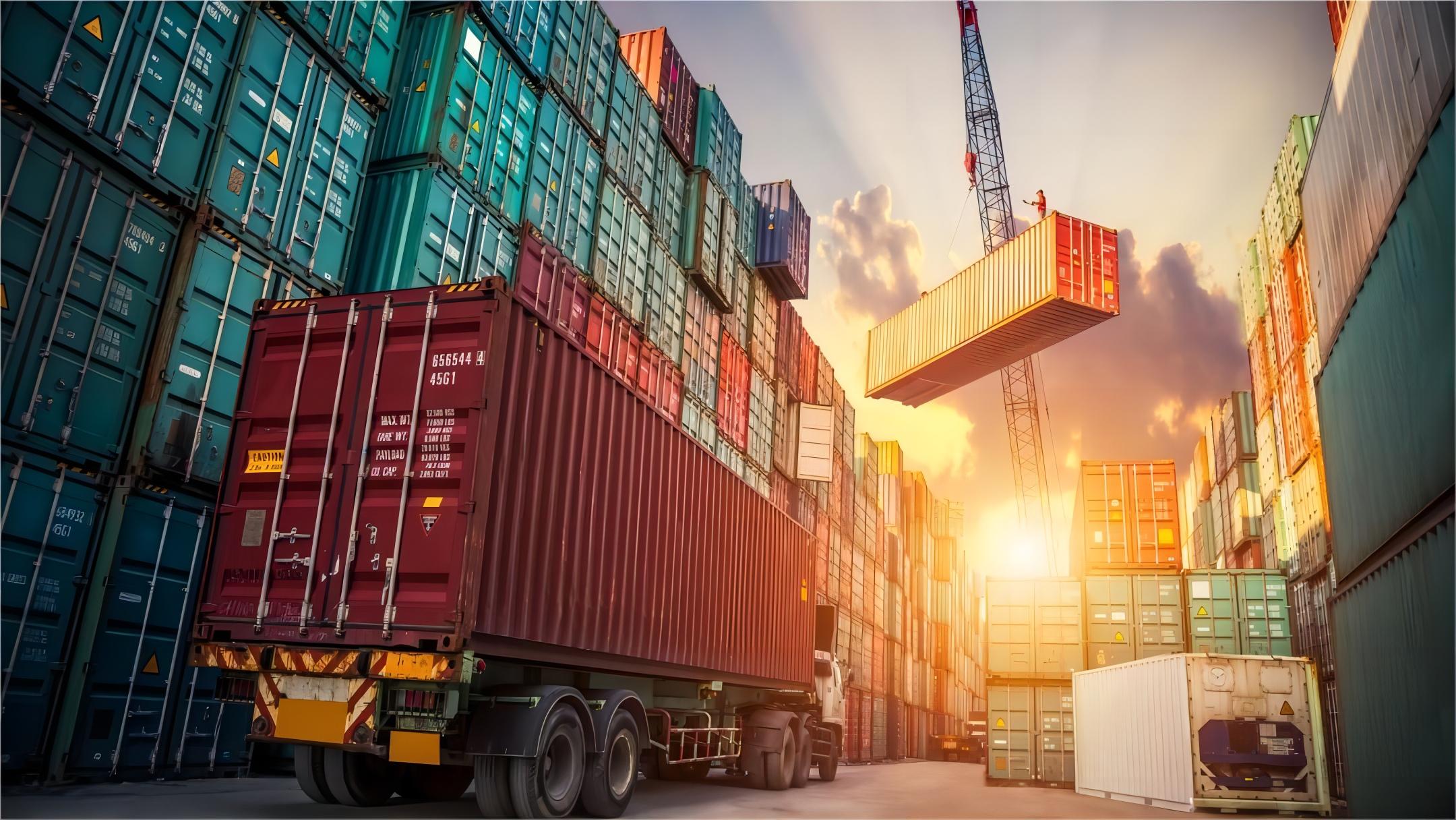
Market Intelligence: Current Trends in Trans-Pacific Logistics
As of early 2025, freight rates from China to the US West Coast have stabilized following previous years of volatility. Industry benchmarks suggest that a 40GP container currently costs between $2,500 and $3,500 depending on the carrier. However, rates typically increase by 15% to 25% during the peak season from August to October. Importers should book their space at least 3 to 4 weeks in advance during these high-demand periods.
Technological advancements are also improving tracking capabilities for lighting shipments. Most major carriers now offer real-time GPS monitoring for containers, allowing you to see exactly where your goods are in the Pacific. Furthermore, the shift toward sustainable shipping is leading to the introduction of more fuel-efficient vessels. These trends suggest a more reliable and transparent future for international trade.
Customs Brokerage and Compliance for Lighting Imports
Navigating the legal requirements for importing lighting into the United States is essential for avoiding delays. You must ensure that all products meet UL or ETL safety standards to pass inspection. Additionally, hiring a professional customs brokerage service ensures that your paperwork is filed correctly and on time. Incorrect HS codes or missing commercial invoices can lead to expensive fines and prolonged storage fees at the port.
Documentation preparation should begin as soon as the vessel departs from China. Specifically, you will need the Bill of Lading, Packing List, and Commercial Invoice ready for the arrival at Long Beach. Notably, some lighting products may be subject to Section 301 tariffs, which can significantly impact your total landed cost. Always verify the current duty rates with your logistics partner before finalizing your purchase orders.
Which Shipping Option Should You Choose?
Deciding on the best shipping strategy requires a clear understanding of your business priorities. If your primary goal is cost reduction and you have high inventory volumes, the 40GP FCL remains the superior choice. Conversely, if you are testing a new product line with limited stock, LCL might be more appropriate despite the higher unit cost. Many e-commerce sellers also utilize Amazon FBA services to streamline their distribution once the goods reach California.
Budget priority: Choose Sea Freight FCL for the lowest cost per unit. Speed priority: Opt for Air Freight to meet tight deadlines. Cargo type: Use FCL for fragile lighting to minimize handling. Volume threshold: Switch from LCL to FCL once your shipment exceeds 15-20 cubic meters for better value.
Final Thoughts on Shipping Lighting from China
Managing the 40GP FCL transit time for lighting from China to Long Beach is a vital skill for any successful importer. By understanding the nuances of port selection, seasonal trends, and customs requirements, you can significantly reduce your logistics headaches. Remember that while the ocean journey takes about two weeks, the entire process requires careful coordination. Partnering with an experienced freight forwarder will help you navigate these complexities with confidence and efficiency.
Ready to streamline your logistics?
If you are ready to optimize your supply chain and secure the best 40GP FCL transit time for lighting from China to Long Beach, contact our experts today. We provide tailored logistics solutions that ensure your cargo arrives safely and on time. Visit our contact page to request a free, no-obligation quote for your next shipment. Send Inquiry: Visit https://Top China Freight.com/contact-us/
Request Quote