


Open Top FCL Detention Prevention for Auto Parts from China to Long Beach
Navigating the complexities of international logistics requires a proactive approach to avoid unnecessary expenses. Importers frequently face significant challenges when managing Open Top FCL detention prevention for auto parts from China to Long Beach. By partnering with Top China Freight, you can streamline your supply chain and eliminate costly delays at the port terminal. This guide provides actionable strategies to ensure your oversized cargo moves efficiently through the California gateway.
What is Open Top FCL and Why Is It Used for Auto Parts?
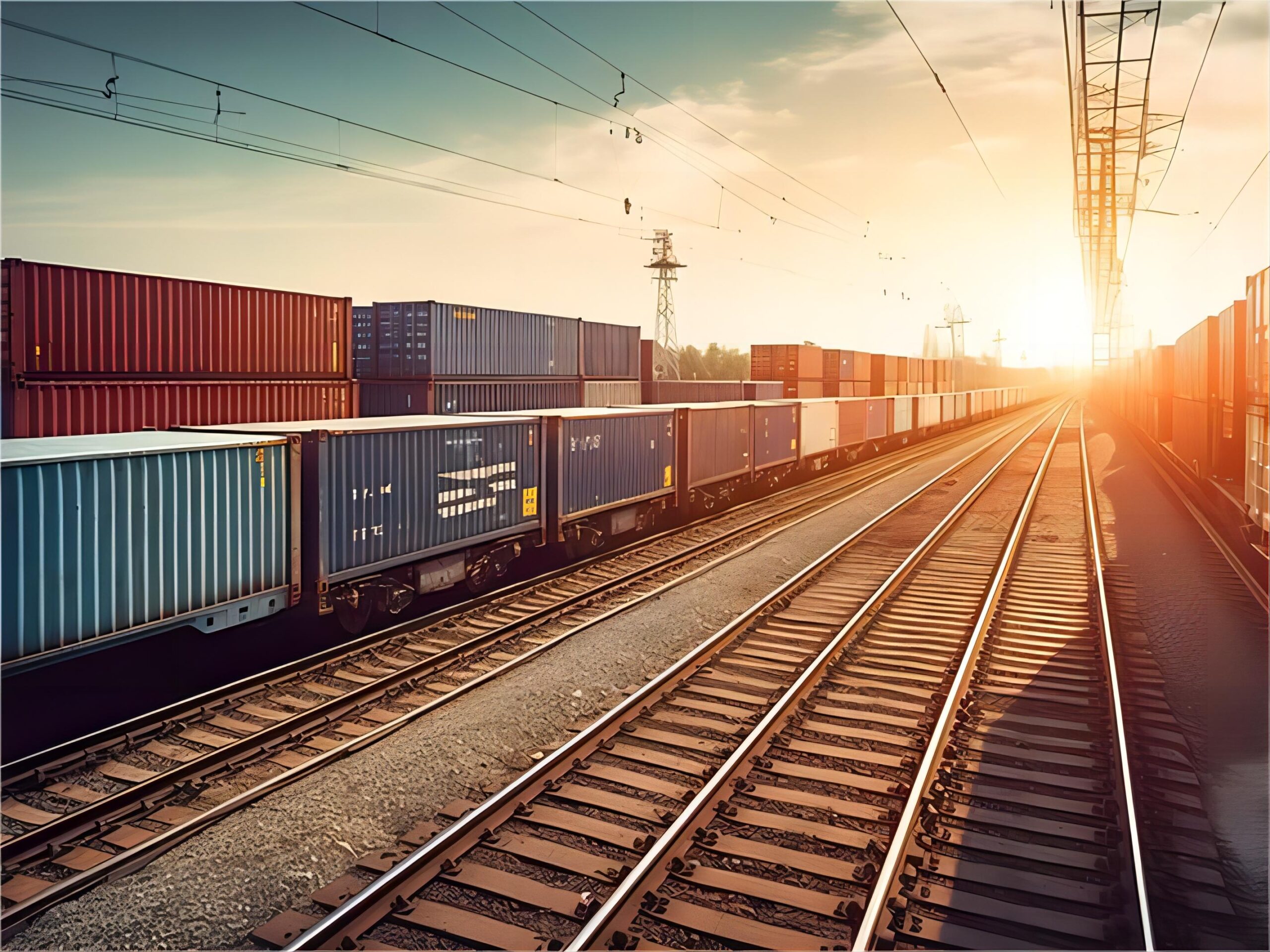
Open top containers feature a removable tarpaulin roof instead of a solid top, which allows for the loading of oversized cargo from above. Specifically, this equipment is essential for heavy automotive components like engine blocks, chassis frames, and large stamping machines that cannot fit into standard dry vans. Consequently, using an open top container simplifies the handling of bulky items during the loading process in China.
Moreover, choosing the right equipment prevents damage to sensitive mechanical parts during transit. Therefore, many manufacturers in Shanghai and Ningbo prefer this method for high-value automotive exports. However, the specialized nature of these containers often leads to tighter delivery schedules and higher potential for detention fees if not managed correctly.
Understanding Detention and Demurrage in Long Beach Logistics
Demurrage refers to the fees charged by the terminal when a container remains at the port beyond the allowed free time. In contrast, detention occurs when the equipment is kept by the importer outside of the port after the free period has expired. Furthermore, sea freight operations in Long Beach are currently facing high demand, which makes equipment turnaround critical for carriers.
Consequently, importers must return the empty open top container to the designated yard within the agreed window to avoid daily penalties. Since open top units are in shorter supply than standard 40HQ containers, carriers often apply stricter enforcement of these rules. Accordingly, understanding these logistics trends is the first step toward effective cost management.
Common Causes of Detention for Auto Parts Shipments
Port congestion remains a primary driver of delays for shipments arriving from China to the USA West Coast. Meanwhile, a lack of available drayage trucks in the Long Beach area can prevent the timely pickup of cargo from the terminal. Additionally, incomplete documentation often stalls the release of goods, forcing the container to sit idle for extended periods.
Indeed, auto parts often require specific safety certifications that must be verified before the cargo can leave the port. Without a doubt, failing to coordinate the final delivery schedule with the warehouse can lead to a backlog of containers. Therefore, synchronization between all parties in the supply chain is vital for success.
How Does Open Top FCL Compare to Other Shipping Options?
Evaluating different transportation modes is essential for optimizing your logistics budget and meeting delivery deadlines. While open top containers offer specialized loading capabilities, they come with unique cost structures compared to standard FCL or LCL options. For instance, the freight rates for open top units typically include an out-of-gauge surcharge if the cargo exceeds the container height.
Furthermore, you should consider the trade-offs between speed and cost when selecting a route. Although air freight is faster, the weight of heavy auto parts usually makes it cost-prohibitive for large volumes. Consequently, sea freight remains the industry standard for trans-Pacific automotive logistics.
| Shipping Method | Cost Range (USD) | Transit Time | Best Application |
|---|---|---|---|
| Open Top FCL | 4,500 – 6,500 | 16 – 22 Days | Oversized/Heavy Parts |
| Standard 40HQ | 2,800 – 3,800 | 14 – 18 Days | Boxed General Parts |
| Flat Rack | 5,500 – 8,000 | 18 – 25 Days | Extra Wide Machinery |
| LCL Shipping | 80 – 150/CBM | 25 – 35 Days | Small Spare Parts |
Step-by-Step Strategies for Open Top FCL Detention Prevention
Implementing a robust pre-pull strategy allows you to move the container to a secure yard before the terminal free time expires. Therefore, you should negotiate extended free time with the carrier during the booking stage in China. Moreover, ensuring that your drayage provider has experience with open top equipment is crucial for a smooth transfer.
Additionally, you must maintain a clear delivery schedule with your destination warehouse to ensure they are ready for unloading. Consequently, providing the warehouse with a 48-hour notice can prevent bottlenecks and equipment idling. To summarize, proactive communication across the supply chain eliminates the most common causes of detention fees.
Note: Freight rates are subject to change based on fuel costs, carrier capacity, and seasonal demand. Contact us for a current quote tailored to your specific shipment.
The Role of Customs Brokerage in Avoiding Delays
Navigating the regulatory requirements for automotive imports is a complex task that requires professional expertise. Specifically, utilizing a dedicated customs brokerage service ensures that all ISF filings and entry documents are submitted accurately. Furthermore, errors in classification can lead to intensive examinations by U.S. Customs and Border Protection.
Meanwhile, these inspections often take several days, during which detention and demurrage charges continue to accumulate. However, pre-clearing your cargo while it is still in transit from China can significantly reduce the time spent at the Port of Long Beach. Accordingly, expert document management is a cornerstone of detention prevention.
| Document Type | Responsibility | Timeline | Impact of Error |
|---|---|---|---|
| ISF 10+2 Filing | Importer/Broker | 24hrs Pre-Loading | Heavy Fines/Holds |
| Bill of Lading | Carrier | At Departure | Release Delays |
| Commercial Invoice | Supplier | Pre-Arrival | Valuation Issues |
| Packing List | Supplier | Pre-Arrival | Inspection Risk |
Which Option Should You Choose? Decision Framework
Choosing the most efficient shipping method depends on your specific cargo dimensions and budget priorities. If your auto parts are significantly oversized and require top-loading, Open Top FCL is usually the most cost-effective choice for North America trade routes. On the other hand, if the parts can be dismantled, a standard 40HQ container might save you thousands in surcharges.
Specifically, you should prioritize speed if you are fulfilling urgent production orders for an assembly plant. In contrast, if you are managing a steady inventory flow, opting for a carrier with longer free-time allowances may be more beneficial. Ultimately, your decision should align with your long-term supply chain stability goals.
Case Studies: Real-World Scenarios from China to USA West Coast
Case Study 1: Heavy Engine Block Export. Route: Shanghai, China to Long Beach, USA. Cargo: Heavy Engine Blocks, 22 CBM, 18,000 kg. Container: 40ft Open Top FCL. Carrier: COSCO. Ocean Freight: 5,200 USD. Origin Charges: 450 USD. Destination Charges: 600 USD. Customs: 1,200 USD. Total Landed Cost: 7,450 USD. Timeline: 18 days sea transit, 24 days total door-to-door. Key Insight: Pre-clearing customs saved 4 days of terminal storage.
Case Study 2: Stamping Machine Import. Route: Ningbo, China to Long Beach, USA. Cargo: Stamping Machines, 15 CBM, 12,000 kg. Container: 20ft Open Top FCL. Carrier: Maersk. Ocean Freight: 3,800 USD. Origin Charges: 350 USD. Destination Charges: 500 USD. Customs: 900 USD. Total Landed Cost: 5,550 USD. Timeline: 16 days sea transit, 22 days total. Key Insight: Using a pre-pull strategy avoided 800 USD in detention fees.
Based on Q3 2024 market rates and typical transit times for the China-USA West Coast corridor.
Managing Logistics Trends and Port Congestion in 2025
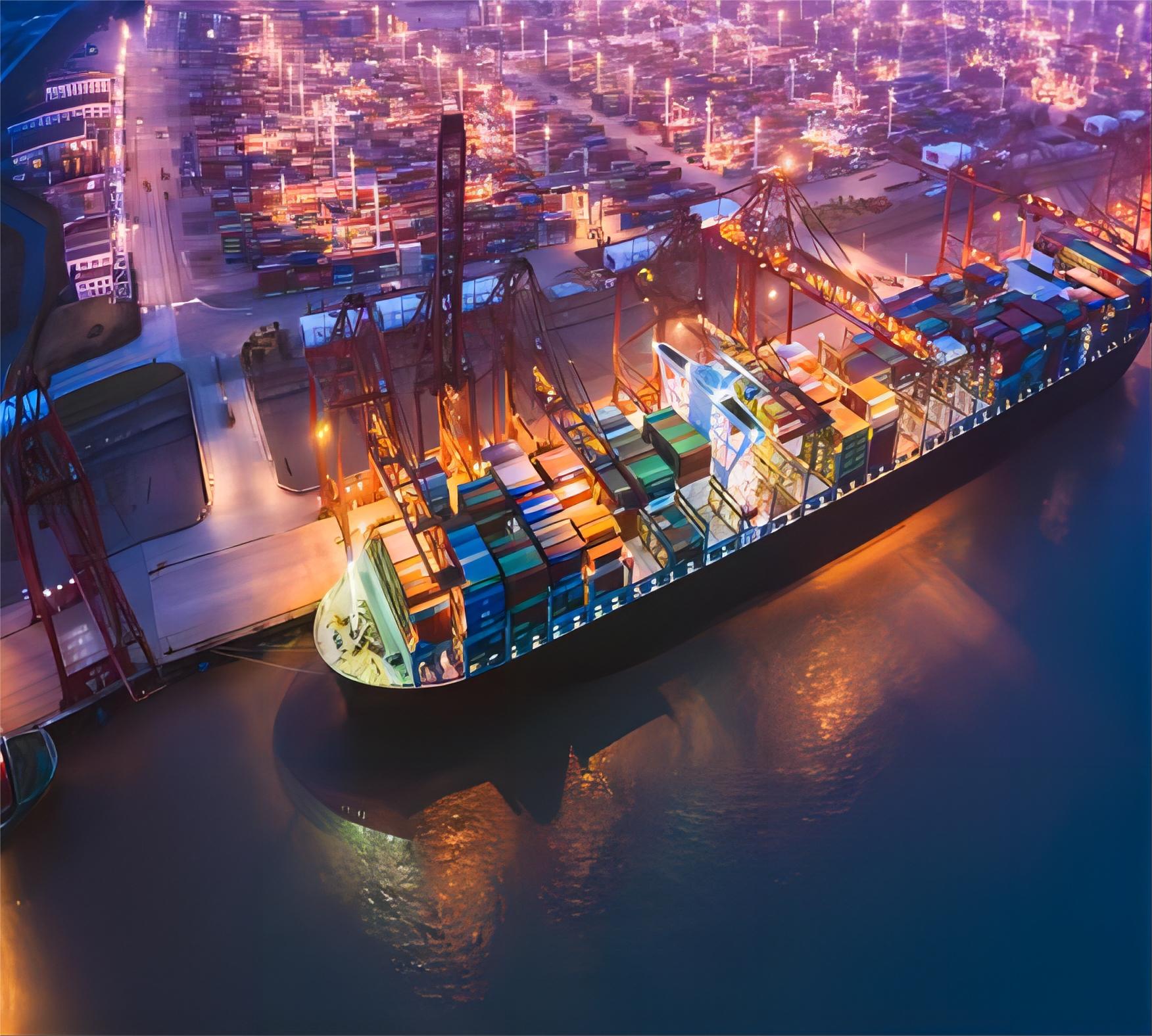
Staying informed about the latest logistics trends allows you to adapt your shipping strategy to changing market conditions. As of early 2025, freight rates have remained relatively stable, but seasonal spikes during the Golden Week and Lunar New Year still occur. Therefore, booking your open top containers at least three weeks in advance is highly recommended.
Furthermore, monitoring the labor situation at the Port of Long Beach helps you anticipate potential disruptions. Consequently, having a secondary drayage partner on standby can provide the flexibility needed to move cargo quickly during peak periods. Indeed, resilience is built through preparation and expert market intelligence.
Mastering Your Automotive Supply Chain
Successfully managing Open Top FCL detention prevention for auto parts from China to Long Beach requires a blend of technical knowledge and proactive planning. By focusing on document accuracy, carrier negotiations, and drayage coordination, you can significantly reduce your total landed costs. Furthermore, utilizing a <a href=”https://Top China Freight.com/services/door-to-door/”>door to door</a> service can further simplify the process by centralizing all logistics responsibilities.
Ultimately, the goal is to create a predictable and efficient flow of goods that supports your business growth. Therefore, start implementing these detention prevention strategies today to secure your competitive advantage in the automotive market. Professional logistics management is not just about moving cargo; it is about protecting your profitability.

Ready to streamline your logistics?
Eliminate the stress of shipping delays and protect your bottom line today. Our team specializes in Open Top FCL detention prevention for auto parts from China to Long Beach, ensuring your cargo arrives on time without hidden costs. Visit our website to request a personalized quote and optimize your automotive supply chain. Send Inquiry: https://Top China Freight.com/contact-us/
Request Quote