

40GP FCL Best Route for Lighting from China to Italy Guide
Finding the 40GP FCL best route for lighting from China to Italy is essential for businesses looking to minimize shipping costs while maintaining a steady supply chain. Navigating the complexities of international logistics requires a deep understanding of Mediterranean shipping lanes and container optimization. At Top China Freight, we specialize in streamlining these global trade routes to ensure your lighting products arrive safely and on schedule. This comprehensive guide explores the most efficient corridors for transporting high-volume lighting equipment from Chinese manufacturing hubs to Italian ports.
What is the 40GP FCL Best Route for Lighting from China to Italy?
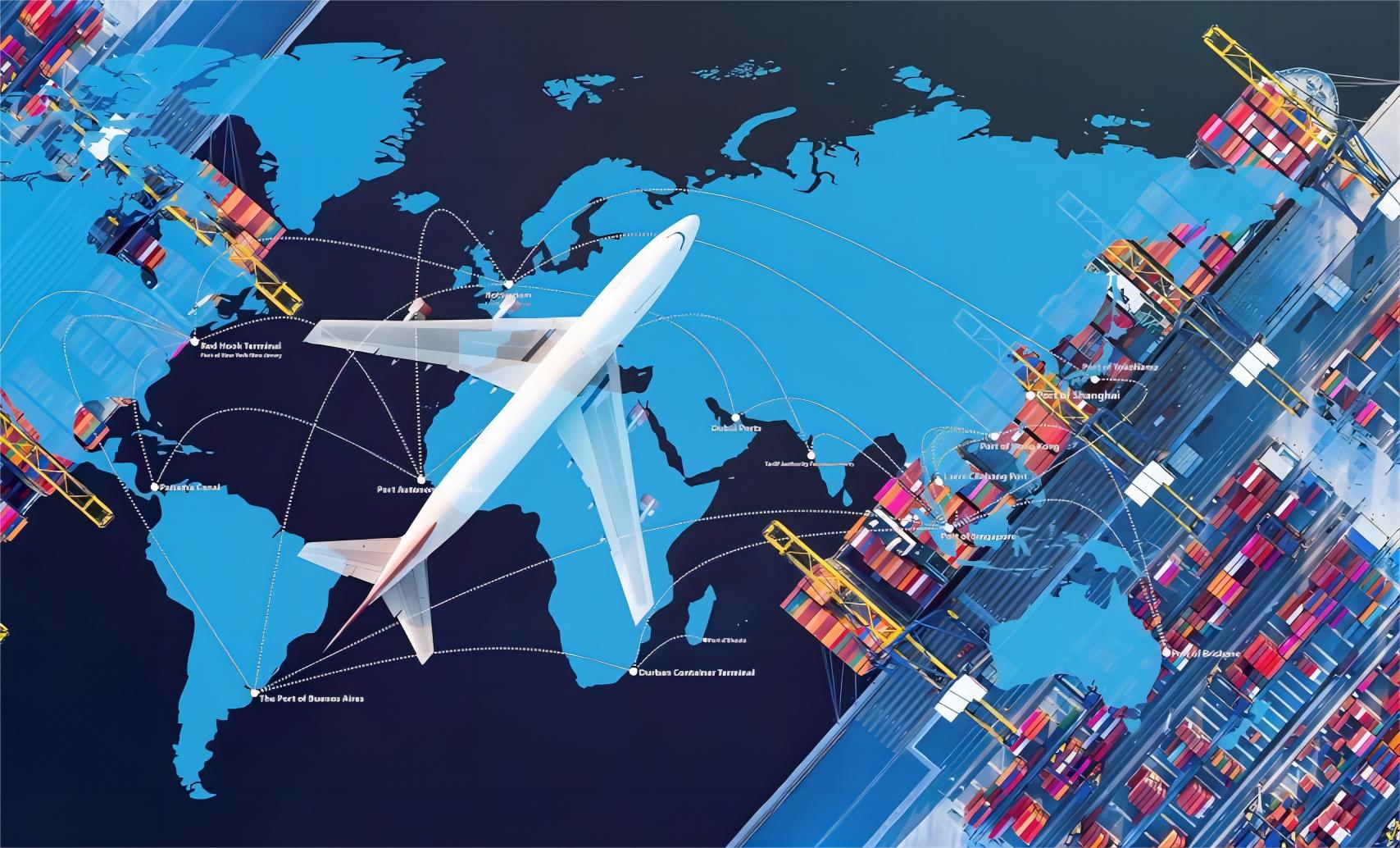
Determining the most effective path for your cargo involves evaluating the balance between ocean freight rates and total transit time. For lighting products, which are often voluminous but relatively light, the 40GP container offers an ideal compromise between space and cost-efficiency. Most shipments originate from major ports like Ningbo or Shenzhen and travel through the Suez Canal to reach Italian destinations.
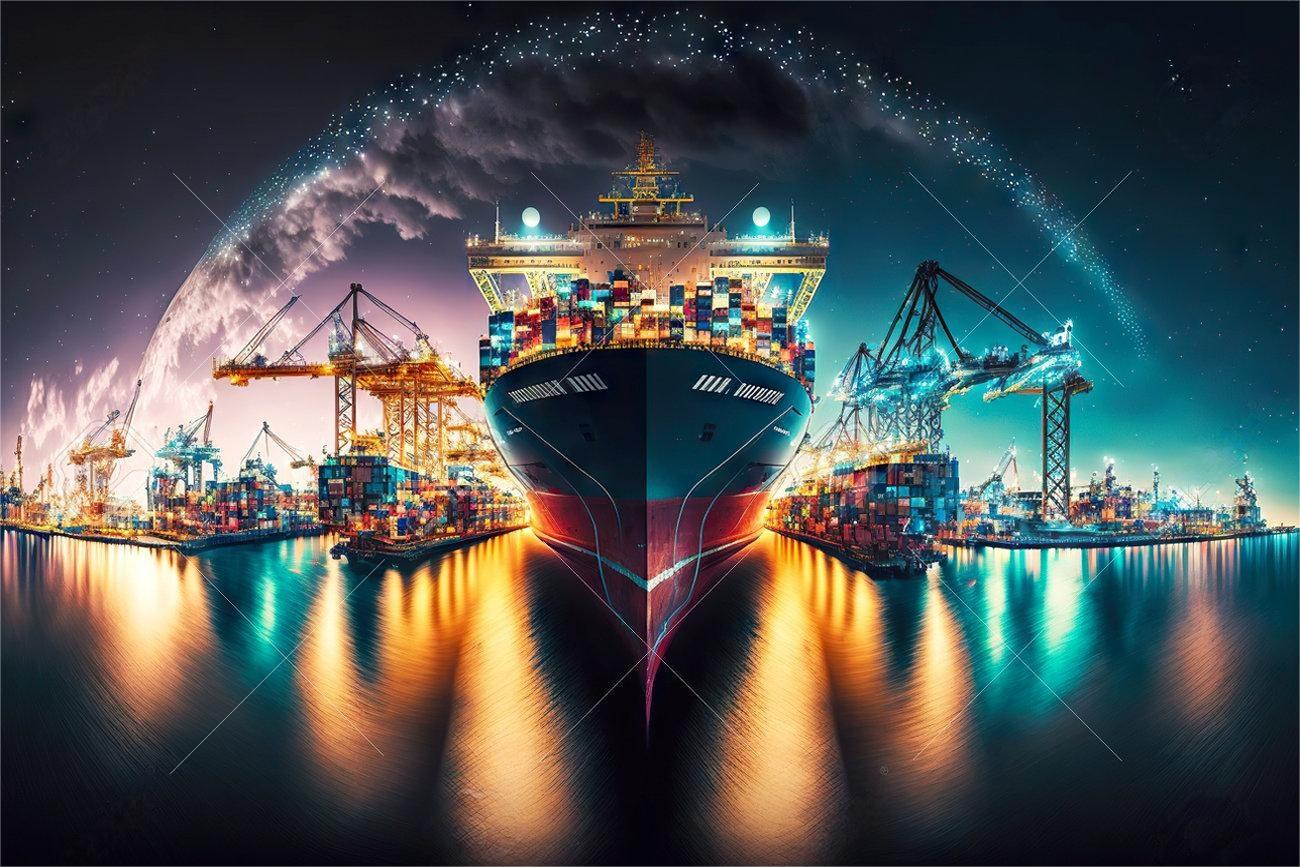
Choosing a direct route to the Port of Genoa or the Port of La Spezia often serves as the 40GP FCL best route for lighting from China to Italy due to the proximity to northern industrial hubs. These ports provide excellent infrastructure for handling fragile lighting fixtures and large-scale LED components. Consequently, selecting the right carrier can significantly reduce the risk of transshipment delays in hubs like Singapore or Port Said.
Furthermore, the southern route through the Mediterranean remains the primary choice for Italian importers. Carriers such as MSC and COSCO offer frequent sailings that cater specifically to the high demand for electronics and lighting goods. Therefore, shippers must stay updated on current port congestion levels to ensure their delivery schedule remains predictable and reliable.
How Does 40GP FCL Compare to Other Shipping Options?
Comparing different logistics modes is vital for optimizing your budget and meeting tight project deadlines in the lighting industry. While sea freight remains the most popular choice for bulk orders, other methods offer distinct advantages depending on the urgency. For instance, air freight provides unparalleled speed but comes with significantly higher costs that might erode profit margins.
Additionally, rail freight has emerged as a viable middle ground for those shipping to northern Italy. This method typically saves about two weeks compared to traditional ocean routes, although it is subject to geopolitical stability along the Eurasian corridor. In contrast, sea freight via 40GP containers provides the lowest cost per cubic meter for large lighting installations.
To summarize the options, businesses must weigh the trade-offs between speed and expense. While a 40GP container might take 35 days to arrive, the financial savings over air or express services are substantial for non-urgent inventory replenishment. Accordingly, most lighting distributors prioritize sea routes for their primary stock while using faster methods only for emergency replacements.
| Shipping Method | Cost Range (40GP) | Transit Time | Best For |
|---|---|---|---|
| Sea Freight (FCL) | $2,800 – $4,200 | 30-40 Days | Bulk Lighting Orders |
| Rail Freight | $4,500 – $6,500 | 18-24 Days | Mid-range Urgency |
| Air Freight | $15,000+ | 5-8 Days | High-Value Samples |
| LCL Sea | $50 – $120/CBM | 35-45 Days | Small Shipments |
Major Ports and Transit Times for Italy Shipments
Selecting the correct departure and arrival ports is a critical step in defining the 40GP FCL best route for lighting from China to Italy. Most lighting manufacturers are located in the Pearl River Delta or near Ningbo, making Shenzhen and Shanghai the primary gateways for export. These ports offer the most competitive freight rates due to the high volume of traffic moving toward Europe.
Italian ports like Trieste and Venice serve the eastern and central regions, while Genoa remains the dominant entry point for the west. Transit times vary based on whether the vessel is a direct service or includes multiple stops along the way. Specifically, a direct vessel from Shanghai to Genoa typically completes the journey in approximately 32 to 35 days under normal maritime conditions.
Moreover, seasonal weather patterns and peak shipping periods can influence these timelines significantly. Shippers should account for potential delays during the winter months or around the Chinese New Year when capacity becomes limited. Indeed, booking at least 3-4 weeks in advance is recommended to secure space on the fastest available vessels.
| Origin Port | Destination Port | Transit Days | Service Type |
|---|---|---|---|
| Ningbo | Genoa | 32-34 | Direct |
| Shenzhen | La Spezia | 30-33 | Direct |
| Shanghai | Trieste | 35-38 | Transshipment |
| Qingdao | Naples | 38-42 | Transshipment |
Customs Documentation and Compliance for Lighting
Navigating the regulatory landscape is essential for avoiding costly delays at the Italian border. Lighting products must comply with strict EU safety standards, including CE marking and RoHS certification. Failure to provide the correct documentation can lead to cargo seizures or heavy fines from customs authorities. Consequently, partnering with a professional customs brokerage service is often the safest path for importers.
Furthermore, the commercial invoice must clearly state the Harmonized System (HS) codes for each type of lighting fixture. Accurate valuation of the cargo is also mandatory to ensure the correct calculation of VAT and import duties. Meanwhile, Italian customs are known for their meticulous inspections of electrical goods to ensure consumer safety within the Eurozone.
To facilitate a smooth transition, ensure all certificates of origin and packing lists are prepared well before the vessel arrives. Additionally, having a clear understanding of the EORI number requirements for Italian businesses will prevent administrative bottlenecks. As a result, proactive document management remains a cornerstone of efficient international logistics.
| Document Name | Purpose | Required By | Timing |
|---|---|---|---|
| Bill of Lading | Title of Goods | Carrier/Customs | At Departure |
| Commercial Invoice | Duty Calculation | Italian Customs | Before Arrival |
| CE Certificate | Safety Compliance | EU Regulators | Pre-shipment |
| Packing List | Cargo Verification | Port Authorities | At Loading |
Real Case Studies: Lighting Shipments to Italy
Examining real-world scenarios helps illustrate the practical application of the 40GP FCL best route for lighting from China to Italy. In our first example, a Milan-based retailer imported a full container of LED streetlights from Ningbo. By utilizing a direct sea route to Genoa, they managed to keep their landed costs within budget while meeting a strict installation deadline.
Case Study 1: LED Infrastructure Project. Route: Ningbo to Genoa. Cargo: LED Streetlights, 65 CBM. Container: 40GP. Shipping Details: Direct via MSC. Ocean Freight: $3,450. Origin/Dest Charges: $850. Customs: $1,200. Total Landed Cost: $5,500. Timeline: 34 days door-to-door. Key Insight: Direct routing avoided transshipment delays in Singapore.
Case Study 2: Decorative Lighting Boutique. Route: Shenzhen to Venice. Cargo: High-end Chandeliers, 60 CBM. Container: 40GP. Shipping Details: Transshipment via Port Said. Ocean Freight: $3,200. Origin/Dest Charges: $900. Customs: $2,500. Total Landed Cost: $6,600. Timeline: 42 days. Key Insight: Transshipment was cheaper but added 8 days to the schedule.
Based on early 2025 market rates, these cases demonstrate the importance of choosing between cost and speed. Note: Freight rates are subject to change based on fuel costs, carrier capacity, and seasonal demand. Contact us for a current quote tailored to your specific shipment.
Logistics Trends Impacting China to Italy Routes in 2025
Staying informed about industry shifts is vital for maintaining a competitive edge in the lighting market. As of Q1 2025, freight rates from China to Europe have stabilized after the 2024 Red Sea disruptions, though volatility remains a factor. Many carriers are now implementing greener shipping technologies to comply with new international environmental regulations.
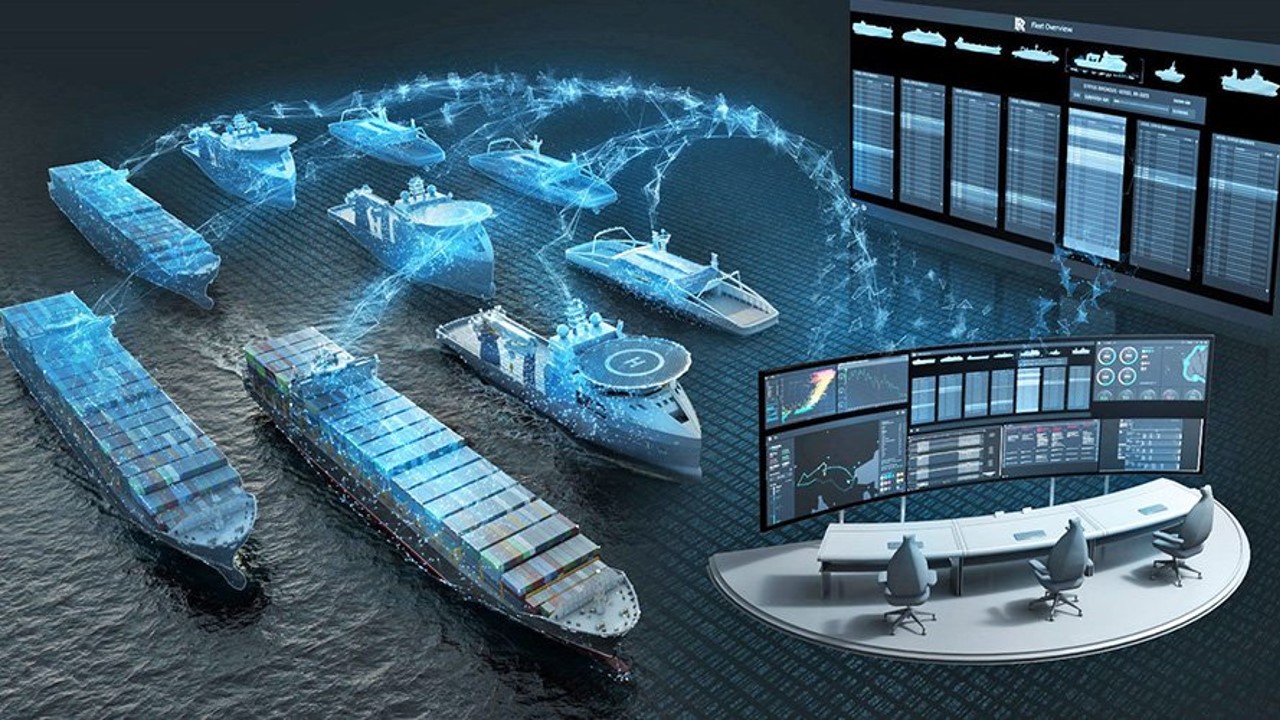
Moreover, the digital transformation of the supply chain is allowing for better real-time tracking of 40GP containers. Importers can now monitor their lighting shipments with greater precision, reducing the uncertainty associated with long-distance sea travel. Nevertheless, global logistics trends suggest that fuel surcharges may fluctuate, impacting the final cost of the 40GP FCL best route for lighting from China to Italy.
Additionally, the shift toward near-shoring in some industries has not yet significantly reduced the demand for Chinese lighting. China remains the primary global hub for LED innovation and manufacturing capacity. Consequently, the maritime route between these two nations continues to be a vital artery for the global lighting trade.
Which Option Should You Choose for Your Lighting Business?
Choosing the right logistics strategy depends heavily on your specific business goals and inventory requirements. If your priority is absolute cost minimization, then a standard 40GP sea freight shipment remains the gold standard. However, for those needing a more comprehensive solution, a door to door service can simplify the entire process by handling every step from the factory to your warehouse.
Furthermore, businesses with high-value decorative lighting might consider hybrid solutions or premium sea services that offer guaranteed loading. This ensures that fragile items are handled with more care and spend less time sitting in congested ports. In contrast, large-scale commercial lighting projects often benefit from the high volume capacity of the 40GP container.
Ultimately, the decision should be based on a thorough analysis of your landed costs and the urgency of your stock needs. Most successful importers maintain a flexible strategy, using sea freight for 90% of their volume and keeping air or rail options open for market spikes. Indeed, balancing these variables is the key to long-term success in the Italian lighting sector.
Summary of Shipping Lighting via 40GP FCL to Italy
Selecting the 40GP FCL best route for lighting from China to Italy involves a strategic choice between various ports and carriers. While the traditional sea route through the Suez Canal remains the most cost-effective, importers must remain vigilant regarding documentation and compliance. By understanding the nuances of transit times and port operations, businesses can significantly improve their operational efficiency.
Moreover, the use of 40GP containers provides the necessary space for voluminous lighting products while keeping freight rates manageable. As logistics trends continue to evolve in 2025, staying adaptable and informed will be the greatest asset for any Italian lighting importer. Trusting experienced professionals to handle your cargo ensures that your products reach their destination in perfect condition and on time.

Ready to streamline your logistics?
Optimizing your 40GP FCL best route for lighting from China to Italy is simple with the right logistics partner. Whether you need competitive rates or expert customs guidance, our team is ready to assist. Contact us today to receive a customized quote and streamline your lighting supply chain. Send Inquiry
Request Quote