


FCL Shipping for Machinery from China to Norway: The Complete Guide
Shipping heavy equipment across continents demands a strategic approach to logistics and cost management. Businesses often prefer FCL shipping for machinery from China to Norway due to its security and efficiency. By partnering with Top China Freight, you can streamline your supply chain and ensure your industrial assets arrive safely. This guide explores everything from container selection to customs clearance in the Norwegian market.
How Does FCL Shipping Compare to Other Shipping Options?
Choosing the right transport method is the first step in optimizing your machinery logistics. Furthermore, FCL shipping for machinery from China to Norway provides a dedicated space that minimizes handling risks. Consequently, your sensitive calibration tools and heavy components remain undisturbed throughout the journey.
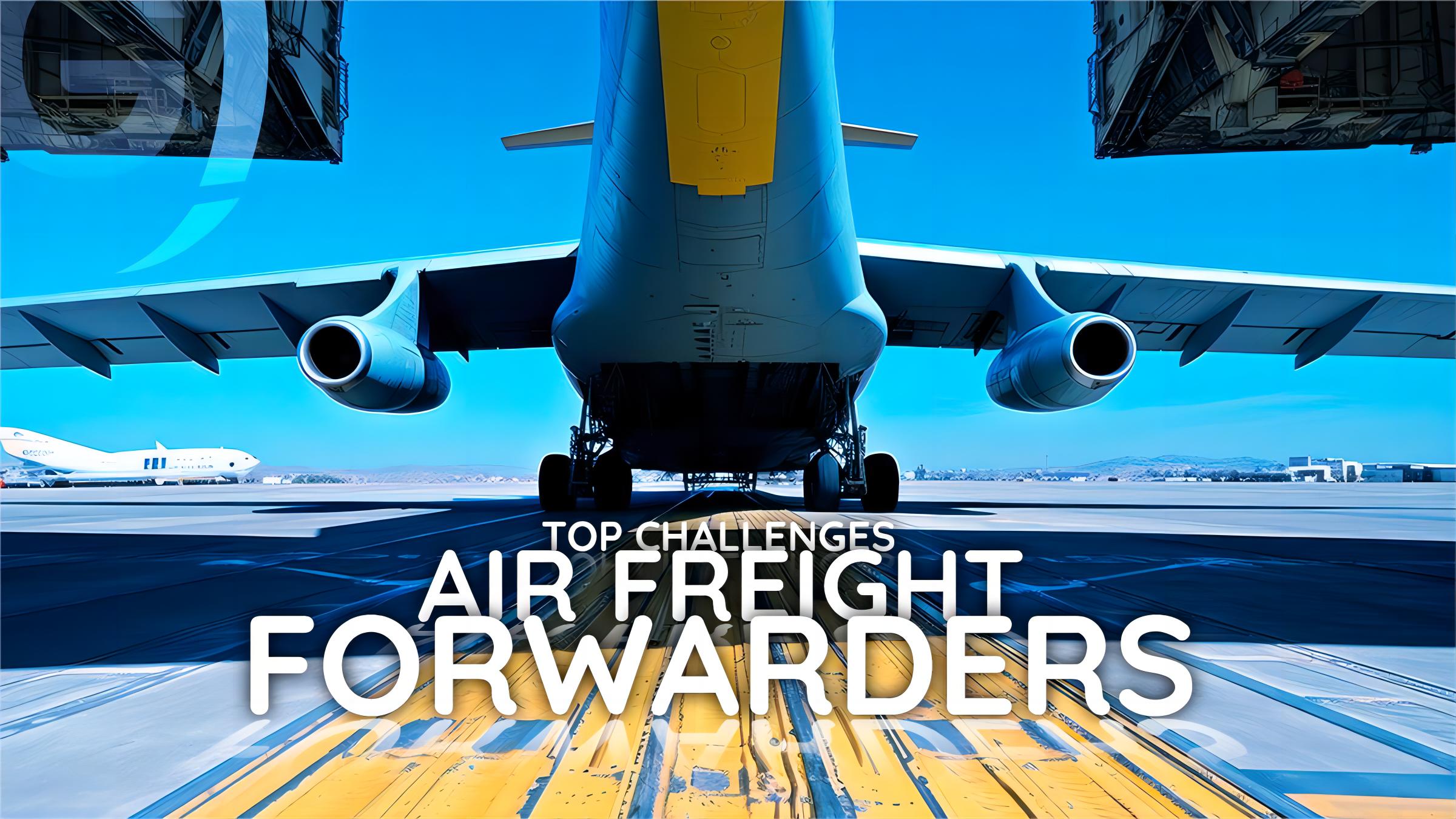
In contrast, other methods like LCL or air freight serve different business needs. For example, sea freight remains the most cost-effective choice for bulky industrial units. Meanwhile, rail freight offers a middle ground in terms of speed and price for inland destinations.
However, air freight is usually reserved for urgent spare parts rather than complete production lines. Therefore, understanding the trade-offs between cost and speed is essential for maintaining your project deadlines. Specifically, FCL allows for better control over the loading and sealing process at the origin.
| Shipping Method | Cost Range | Transit Time | Best For |
|---|---|---|---|
| FCL Sea Freight | $2,200 – $4,500 | 35-45 Days | Large Machinery |
| LCL Sea Freight | $80 – $150/CBM | 40-50 Days | Small Components |
| Air Freight | $5 – $9/kg | 5-9 Days | Urgent Spare Parts |
| Rail Freight | $3,000 – $5,500 | 20-28 Days | Time-Sensitive Cargo |
Key Advantages of FCL Shipping for Machinery from China to Norway
Security is perhaps the most significant benefit of utilizing full container loads. Moreover, since the container is sealed at the factory, the risk of theft or damage during transit is greatly reduced. Additionally, you avoid the delays often associated with consolidating cargo from multiple shippers.
Efficiency also plays a major role in the preference for FCL services. Because the entire container belongs to you, the unloading process at Norwegian ports like Oslo or Bergen is much faster. Consequently, your machinery reaches the final installation site with fewer logistical bottlenecks.
Cost predictability is another factor that businesses value highly. In addition to stable freight rates, FCL shipments often incur lower port handling fees compared to LCL. Indeed, for shipments exceeding 15 cubic meters, the per-unit cost of FCL becomes significantly more attractive.
Alternative Strategies for Small Shipments
If you are only shipping small machinery parts, consider using express service for maximum speed. This approach is particularly effective for high-value electronic components that require door-to-door delivery. Furthermore, express options provide real-time tracking that is vital for urgent repairs.
Another strategy involves hybrid logistics, such as sea-air combinations. For instance, you could ship the main body of a machine via FCL and send critical sensors via air. This method balances your total landed cost while ensuring the machine can be commissioned immediately upon arrival.
Estimating Shipping Costs and Transit Times
Market conditions significantly influence the final price you pay for international transport. For example, peak seasons in late Q3 often see a price surge of 20% or more due to increased demand. Therefore, booking your shipment at least 3-4 weeks in advance is highly recommended.
Transit times are also subject to weather conditions and port congestion. Generally, a direct vessel from Shanghai to Oslo takes approximately 38 days under normal circumstances. Nevertheless, transshipment through major hubs like Hamburg or Rotterdam might add another 5-7 days to the schedule.
| Container Type | Est. Cost (USD) | Max Payload | Volume Capacity |
|---|---|---|---|
| 20GP Container | $1,900 – $2,600 | 28,000 kg | 33 CBM |
| 40GP Container | $3,200 – $4,100 | 26,000 kg | 67 CBM |
| 40HQ Container | $3,500 – $4,600 | 26,000 kg | 76 CBM |
Price Disclaimer
Note: Freight rates are subject to change based on fuel costs, carrier capacity, and seasonal demand. Contact us for a current quote tailored to your specific shipment. Market data suggests that rates for 2025 have stabilized compared to the volatility of previous years.
Essential Documentation and Customs Procedures
Navigating the regulatory landscape in Norway requires meticulous attention to detail. Specifically, you must provide a detailed commercial invoice and a comprehensive packing list. Furthermore, machinery often requires specific CE certification to meet European safety standards.
Using a professional customs brokerage service can prevent costly delays at the border. These experts ensure that your HS codes are correctly classified, which directly impacts the duties and taxes you owe. Consequently, you can avoid penalties and ensure a smooth transition through Norwegian customs.
In addition to standard documents, you may need a Certificate of Origin. This document verifies where the machinery was manufactured and can sometimes lead to preferential tariff rates. Indeed, having all paperwork ready before the vessel departs China is a best practice for experienced importers.
Real-World Case Studies: Machinery Logistics
Examining real-world scenarios helps in understanding the complexities of international shipping. These examples highlight the importance of planning and choosing the right partners for Europe bound cargo. Each case reflects typical market rates as of early 2025.
Case Study 1: Industrial CNC Machines Route: Shanghai, China to Oslo, Norway Cargo: 3 CNC Milling Units, 45 CBM, 12,000 kg Container: 40HQ Shipping Details: – Carrier: Maersk – Port of Loading: Shanghai – Port of Discharge: Oslo – Route Type: Direct Cost Breakdown: – Ocean Freight: $3,850 – Origin Charges: $450 – Destination Charges: $600 – Total Landed Cost: $4,900 Timeline: – Booking to Loading: 5 days – Sea Transit: 39 days – Customs Clearance: 2 days – Total Door-to-Door: 46 days Key Insight: Early booking allowed the client to secure a lower rate before the October peak season.
Case Study 2: Construction Excavator Route: Qingdao, China to Bergen, Norway Cargo: Hydraulic Excavator, 22 CBM, 18,000 kg Container: 20GP Shipping Details: – Carrier: COSCO – Port of Loading: Qingdao – Port of Discharge: Bergen – Route Type: Transshipment via Rotterdam Cost Breakdown: – Ocean Freight: $2,400 – Origin Charges: $380 – Destination Charges: $550 – Total Landed Cost: $3,330 Timeline: – Booking to Loading: 7 days – Sea Transit: 44 days – Customs Clearance: 3 days – Total Door-to-Door: 54 days Key Insight: Professional lashing and securing inside the container prevented damage during heavy North Sea swells.

Which Option Should You Choose? Decision Framework
Deciding on the best logistics path depends on your specific priorities and cargo volume. If budget is your primary concern, FCL sea freight remains the undisputed leader for large shipments. However, if you are facing a production shutdown, the speed of air freight justifies the higher expense.
Volume thresholds also play a critical role in your decision. For instance, if your machinery occupies more than 15 cubic meters, FCL is almost always more economical than LCL. Moreover, door to door services provide the most convenience by handling the entire journey from the factory floor to your warehouse.
Consider the nature of your cargo as well. Fragile or highly calibrated machinery benefits from the reduced handling of FCL. Consequently, you spend less on protective packaging compared to LCL shipments where cargo is frequently moved. In addition, always factor in the cost of insurance to protect your investment.
Summary of Machinery Shipping to Norway
In summary, successful FCL shipping for machinery from China to Norway relies on careful planning and expert execution. By understanding the costs, transit times, and documentation requirements, you can significantly reduce your logistics risks. Furthermore, choosing the right container type and shipping partner ensures your equipment arrives ready for operation.
Consequently, businesses that prioritize professional customs brokerage and secure sea freight often see the best return on investment. As global supply chains continue to evolve, staying informed about market trends will help you maintain a competitive edge. Therefore, take the next step in securing your machinery transport today.
Ready to streamline your logistics?
Ready to optimize your FCL shipping for machinery from China to Norway? Contact Top China Freight today for a customized quote and expert logistics support. Visit our website to learn more and start your inquiry.
Request Quote