


China FCL Supply Chain Solution to Portugal: The Ultimate Guide
Navigating the complexities of international trade requires a robust China FCL supply chain solution to Portugal to ensure your cargo arrives safely and on time. Business owners often face challenges with fluctuating freight rates and complex customs regulations when importing goods from Asian manufacturing hubs. Consequently, partnering with a reliable logistics expert like Top China Freight provides the necessary stability and expertise to streamline your entire shipping process. This guide explores every critical aspect of Full Container Load logistics to help you maximize efficiency and reduce overhead costs.
Why Choose a China FCL Supply Chain Solution to Portugal?
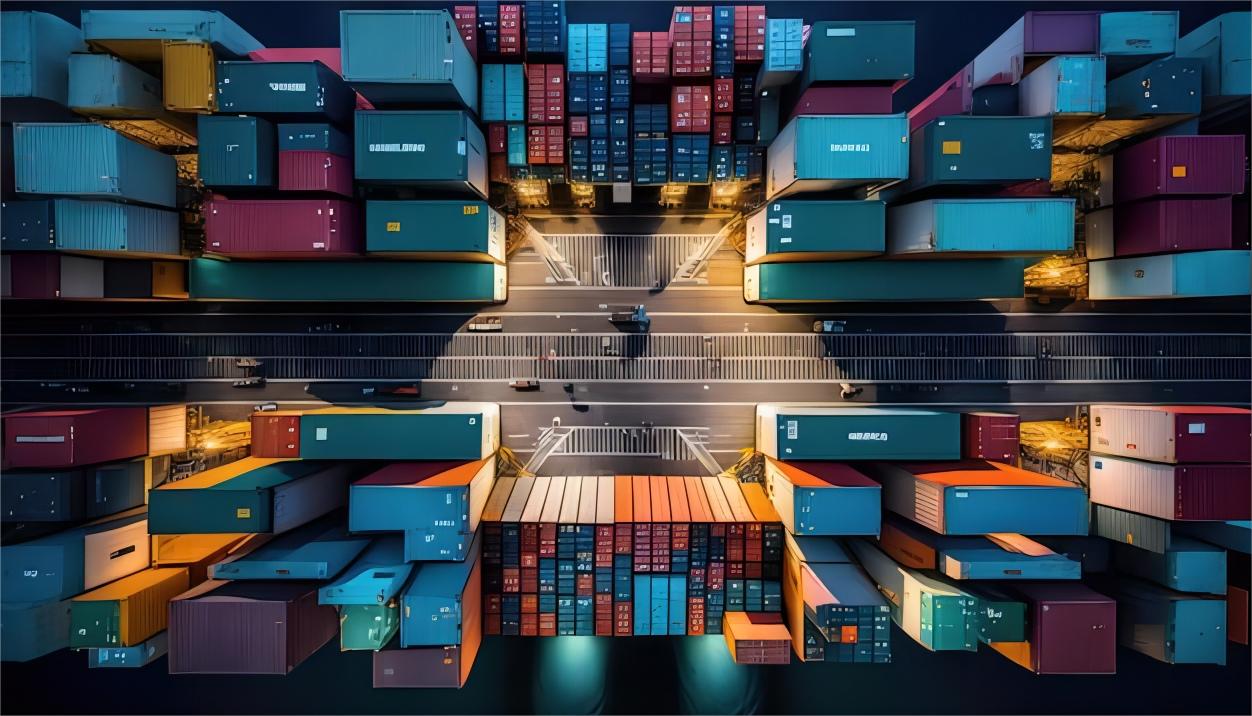
Choosing a dedicated China FCL supply chain solution to Portugal offers unparalleled security for high-volume shipments by providing exclusive use of a container. Furthermore, this method significantly reduces the risk of damage or loss since the cargo remains sealed from the point of origin until it reaches the final destination. Business entities frequently prefer this option because it allows for better control over the loading and unloading schedules.
Additionally, FCL shipping is often more cost-effective than Less than Container Load options when your volume exceeds fifteen cubic meters. Indeed, the simplified handling processes at the port result in faster processing times and fewer delays during transit. Therefore, importers can maintain leaner inventory levels by relying on the predictable schedules offered by major ocean carriers.
Moreover, the direct nature of FCL transport minimizes the number of touchpoints your goods experience throughout the journey. Consequently, fragile or high-value items benefit from the reduced physical handling associated with consolidated shipments. Without a doubt, establishing a consistent FCL strategy is essential for any company looking to scale its operations between China and the Portuguese market.
How Does FCL Compare to Other Shipping Options?
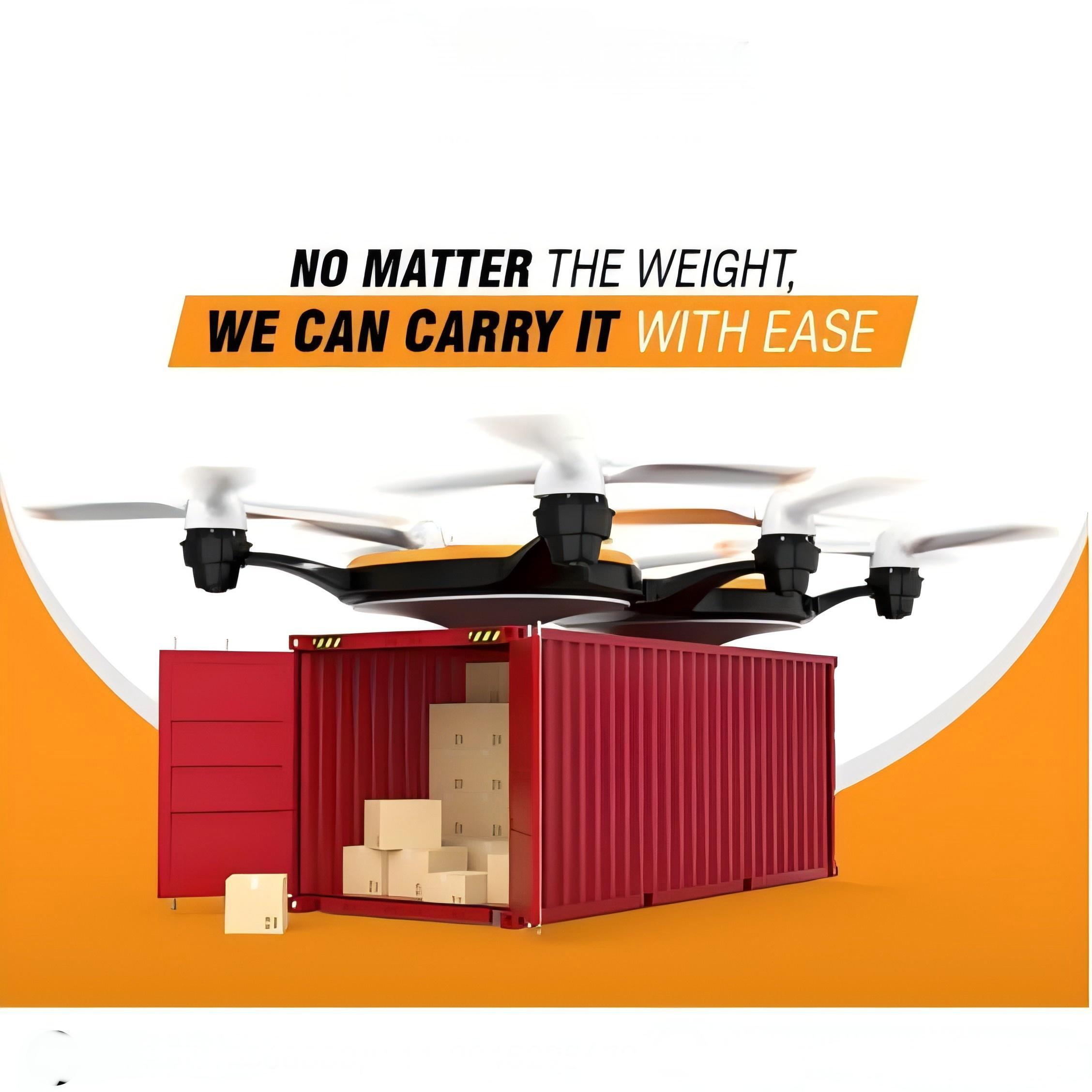
Comparing different transport modes is vital for selecting the most efficient China FCL supply chain solution to Portugal based on your specific needs. While sea freight remains the standard for bulk goods, other alternatives like air or rail might be suitable for urgent or specialized cargo. However, each method involves trade-offs between speed, cost, and reliability that you must carefully evaluate.
For instance, air freight offers the fastest delivery but comes with significantly higher costs that can erode profit margins on low-value items. Meanwhile, rail freight through the New Silk Road provides a middle ground in terms of both price and transit time, though it is subject to geopolitical stability. Specifically, FCL ocean shipping provides the highest capacity and lowest cost per unit for large-scale imports.
Nevertheless, some businesses may find that a hybrid approach better suits their fluctuating demand throughout the fiscal year. In contrast to standard ocean routes, sea-air combinations can bridge the gap during peak seasons when container space is limited. Accordingly, understanding these distinctions helps in crafting a resilient logistics strategy.
| Shipping Method | Cost Range | Transit Time | Best For |
|---|---|---|---|
| FCL Sea Freight | $2,500 – $4,500 | 30 – 40 Days | Bulk goods and large volumes |
| LCL Sea Freight | $80 – $150/CBM | 35 – 45 Days | Small shipments under 15CBM |
| Air Freight | $5 – $9 / kg | 5 – 8 Days | Urgent or high-value cargo |
| Rail Freight | $3,000 – $5,000 | 18 – 25 Days | Time-sensitive industrial parts |
Which Shipping Method Should You Choose for Portugal?
Deciding on the right method depends largely on your budget priorities and the nature of your products. If your primary goal is cost minimization, the China FCL supply chain solution to Portugal via ocean transit is undoubtedly the superior choice. On the other hand, if you are launching a new product and need it on shelves within a week, air transport is the only viable option.
Regarding cargo type, heavy machinery and raw materials are almost exclusively shipped via FCL containers due to weight and volume constraints. Furthermore, the volume threshold for switching from LCL to FCL is typically around 15 to 18 cubic meters. Consequently, analyzing your typical order size will help you determine which container type, such as a 20GP or 40HQ, is most economical.
Moreover, you should consider the seasonal impact on freight availability and pricing when making your decision. For example, during the pre-Chinese New Year rush, container prices can double, making rail options more attractive. Therefore, maintaining a flexible mindset allows you to pivot between methods as market conditions change.
Major Ports Involved in the China to Portugal Route
Exploring the major departure points in China is the first step in optimizing your China FCL supply chain solution to Portugal. Most shipments originate from massive hubs like Shanghai, Ningbo-Zhoushan, or Shenzhen due to their extensive carrier networks. Additionally, these ports offer daily departures and advanced cargo handling facilities that ensure your container is loaded efficiently.
Meanwhile, when shipping to Europe, the primary Portuguese ports of entry are Lisbon, Leixoes, and Sines. Specifically, the Port of Sines is a deep-water hub that handles the largest container vessels and offers excellent connectivity to the rest of the Iberian Peninsula. Consequently, selecting the port closest to your final warehouse can significantly reduce inland drayage costs.
Furthermore, the infrastructure at these ports plays a crucial role in the speed of customs clearance and final delivery. For instance, Leixoes serves the northern industrial heartland near Porto, making it ideal for textile and manufacturing imports. In contrast, Lisbon is the preferred destination for consumer goods destined for the capital and southern regions.
Understanding Costs for China FCL Supply Chain Solution to Portugal
Analyzing the cost structure is essential for maintaining a profitable China FCL supply chain solution to Portugal. Freight rates are generally divided into ocean freight, origin charges, and destination fees, each of which can vary based on the carrier. Furthermore, fuel adjustment factors and peak season surcharges can add several hundred dollars to your total invoice during busy periods.
Regarding container types, the 40HQ is often the best value for lightweight but voluminous goods like furniture or electronics. Conversely, the 20GP container is better suited for heavy items such as stone or metal components that reach weight limits before filling the space. Consequently, your choice of equipment directly impacts the landed cost of your goods.
In addition to basic freight, you must account for insurance, customs brokerage fees, and local delivery charges. For example, port congestion in Europe can lead to demurrage and detention fees if your container is not picked up promptly. Therefore, budgeting for these contingencies is a vital part of professional logistics management.
| Container Type | Shenzhen to Lisbon | Ningbo to Leixoes | Shanghai to Sines |
|---|---|---|---|
| 20GP Container | $1,900 – $2,400 | $2,000 – $2,500 | $1,850 – $2,350 |
| 40GP Container | $3,100 – $3,800 | $3,200 – $3,900 | $3,000 – $3,700 |
| 40HQ Container | $3,300 – $4,100 | $3,400 – $4,200 | $3,200 – $4,000 |
What Customs Documents Are Required for Portugal Imports?
Managing documentation is perhaps the most critical component of a successful China FCL supply chain solution to Portugal. Without the correct paperwork, your cargo could face lengthy delays or even seizure by the Portuguese Tax and Customs Authority. Therefore, utilizing a professional customs brokerage service is highly recommended for first-time importers.
Initially, you will need a commercial invoice that clearly states the value, quantity, and description of the goods. Additionally, a detailed packing list and a Bill of Lading are mandatory for every ocean shipment entering the European Union. Furthermore, obtaining a Certificate of Origin may be necessary to benefit from specific trade agreements or to comply with import regulations.
Moreover, all businesses importing into Portugal must have a valid EORI number registered within the EU. Consequently, ensuring your registration is active before the ship arrives will prevent unnecessary storage fees at the port. In summary, meticulous attention to detail in the documentation phase is the key to a smooth customs clearance process.
How to Manage Transit Times from China to Portugal
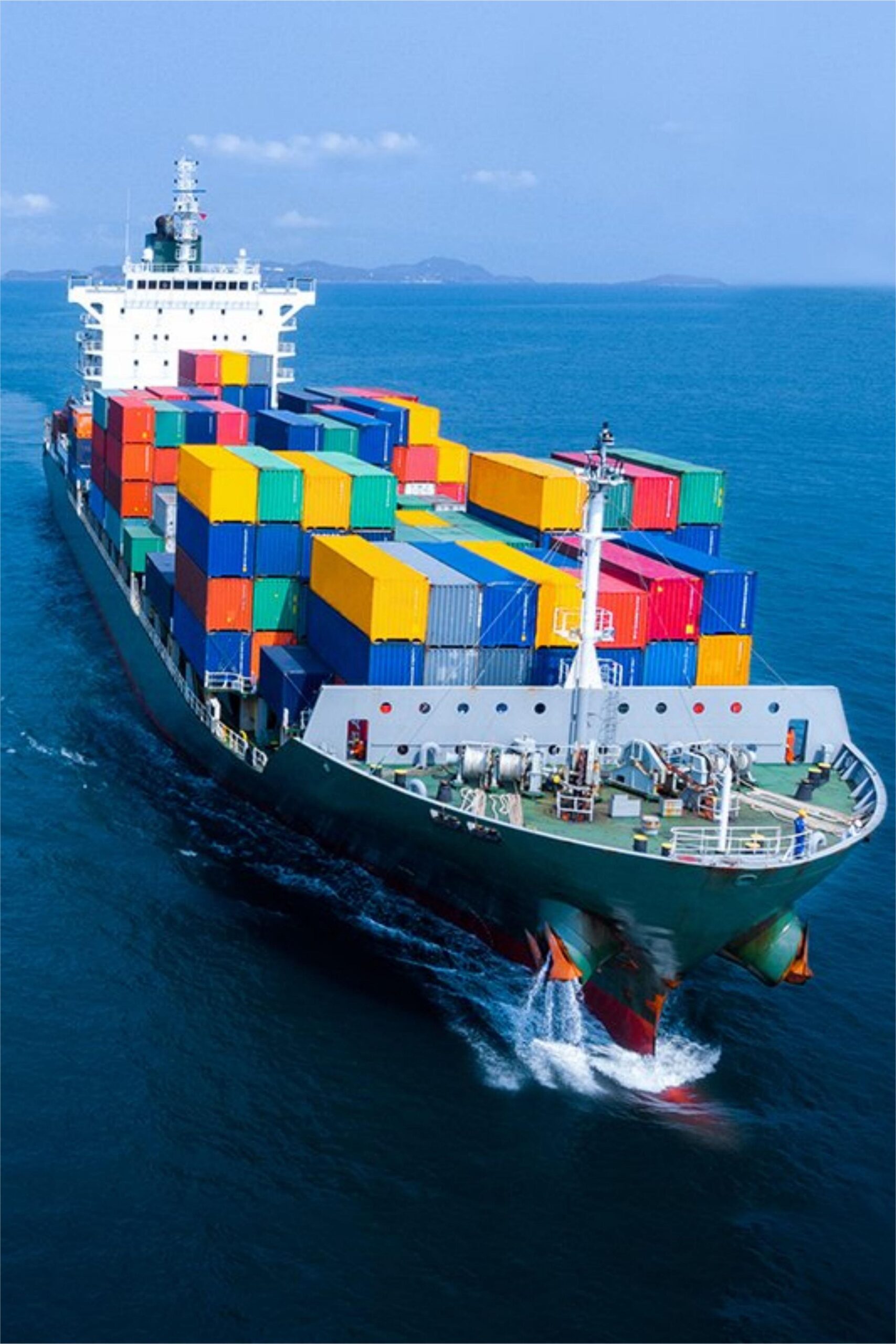
Tracking your shipment’s progress is easier when you understand the factors affecting the China FCL supply chain solution to Portugal timeline. Typically, the sea voyage from major Chinese ports to Portugal takes between 30 and 40 days, depending on the route and transshipment points. However, choosing door to door services can simplify the process by including the time needed for inland transport.
For instance, direct routes from Shenzhen to Sines are generally faster than those requiring transshipment in Singapore or Algeciras. Additionally, weather conditions and port congestion can occasionally add several days to the estimated arrival date. Therefore, it is wise to build a buffer of at least one week into your supply chain planning to account for these variables.
Meanwhile, the time required for customs clearance in Portugal usually ranges from two to five business days. Specifically, if your documentation is perfect and your cargo does not require physical inspection, the process is very efficient. Consequently, digital tracking tools provided by your freight forwarder allow you to monitor these milestones in real-time.
Real Case Studies: Successful FCL Shipments to Portugal
Reviewing real-world examples can provide valuable insights into the practical application of a China FCL supply chain solution to Portugal. These cases highlight how different businesses navigate the challenges of international logistics to achieve their goals. Furthermore, they demonstrate the importance of selecting the right container type and port for specific cargo needs.
Case Study 1: Electronics Distribution Route: Shenzhen, China to Lisbon, Portugal Cargo: Consumer Electronics, 65 CBM, 12,000 kg Container: 40HQ Shipping Details: – Carrier: COSCO – Port of Loading: Shenzhen – Port of Discharge: Lisbon – Route Type: Direct Cost Breakdown: – Ocean Freight: $3,450 – Origin Charges: $450 – Destination Charges: $600 – Customs and Duties: $4,200 – Total Landed Cost: $8,700 Timeline: – Booking to Loading: 4 days – Sea Transit: 32 days – Customs Clearance: 2 days – Total Door-to-Door: 38 days Key Insight: Using a 40HQ allowed the client to maximize volume for lightweight goods, reducing the cost per unit significantly.
Case Study 2: Industrial Machinery Import Route: Ningbo, China to Leixoes, Portugal Cargo: Spare Parts, 25 CBM, 18,500 kg Container: 20GP Shipping Details: – Carrier: Maersk – Port of Loading: Ningbo – Port of Discharge: Leixoes – Route Type: Transshipment via Algeciras Cost Breakdown: – Ocean Freight: $2,100 – Origin Charges: $380 – Destination Charges: $550 – Customs and Duties: $2,800 – Total Landed Cost: $5,830 Timeline: – Booking to Loading: 6 days – Sea Transit: 38 days – Customs Clearance: 3 days – Total Door-to-Door: 47 days Key Insight: Despite the transshipment delay, the 20GP container was the perfect fit for the heavy weight of the machinery parts.
Tips for Optimizing Your Supply Chain Strategy
Optimizing your China FCL supply chain solution to Portugal requires a proactive approach to logistics management and vendor relations. Firstly, you should consolidate your orders whenever possible to fill a full container and avoid the higher per-unit costs of LCL. Additionally, booking your shipments at least three to four weeks in advance can help you secure better rates and guaranteed space.
Furthermore, maintaining a strong relationship with a local freight forwarder provides you with access to market intelligence and better negotiation power with carriers. For example, they can advise you on when to use spot rates versus long-term contracts based on current market trends. Consequently, you can avoid the price spikes that often occur during the golden week or other major holidays.
Finally, always ensure that your cargo is packed and labeled according to international standards to prevent damage and customs issues. Indeed, investing in high-quality pallets and shrink-wrapping can save thousands of dollars in potential insurance claims. Therefore, a holistic focus on quality and planning is the foundation of a resilient supply chain.
Final Thoughts on FCL Logistics to Portugal
Implementing a professional China FCL supply chain solution to Portugal is a strategic move that can significantly enhance your business competitiveness. By understanding the nuances of port selection, cost structures, and customs requirements, you can build a more predictable and efficient import operation. Furthermore, the stability provided by FCL shipping allows for better long-term planning and customer satisfaction.
As market conditions evolve in 2025, staying informed about logistics trends and maintaining flexible strategies will be more important than ever. Whether you are shipping electronics, machinery, or textiles, the right logistics partner can make all the difference in your success. Ultimately, a well-managed supply chain is not just a cost of doing business but a powerful tool for growth in the global marketplace.
Ready to streamline your logistics?
Streamline your international logistics today with a customized China FCL supply chain solution to Portugal. Our team of experts is ready to provide you with competitive rates and reliable service for all your container shipping needs. Visit our website to request a quote and see how we can optimize your cargo flow. Send Inquiry: https://Top China Freight.com/
Request Quote