


Open Top FCL tracking for hardware tools from China to Europe: Comprehensive Logistics Guide
Open Top FCL tracking for hardware tools from China to Europe is a vital component for businesses transporting oversized or heavy industrial equipment. Navigating the complexities of international logistics requires a reliable partner like Top China Freight to ensure your cargo arrives safely and on schedule. This guide provides actionable insights into monitoring your shipments, understanding freight rates, and optimizing your global supply chain for maximum efficiency.
Why Choose Open Top Containers for Hardware Tools?
Open top containers are specifically designed for cargo that is too tall or bulky to fit into standard shipping units. Hardware tools such as industrial lathes, heavy-duty presses, and large-scale drilling equipment often require top-loading via cranes. Consequently, using an open top container allows for seamless sea freight operations without the risk of damaging sensitive machinery.
Moreover, these containers feature removable tarpaulins that protect the equipment from environmental factors during transit. Shippers benefit from the flexibility of loading from above, which is often the only viable method for heavy hardware components. Therefore, choosing the right container type is the first step in ensuring a successful delivery to the European market.
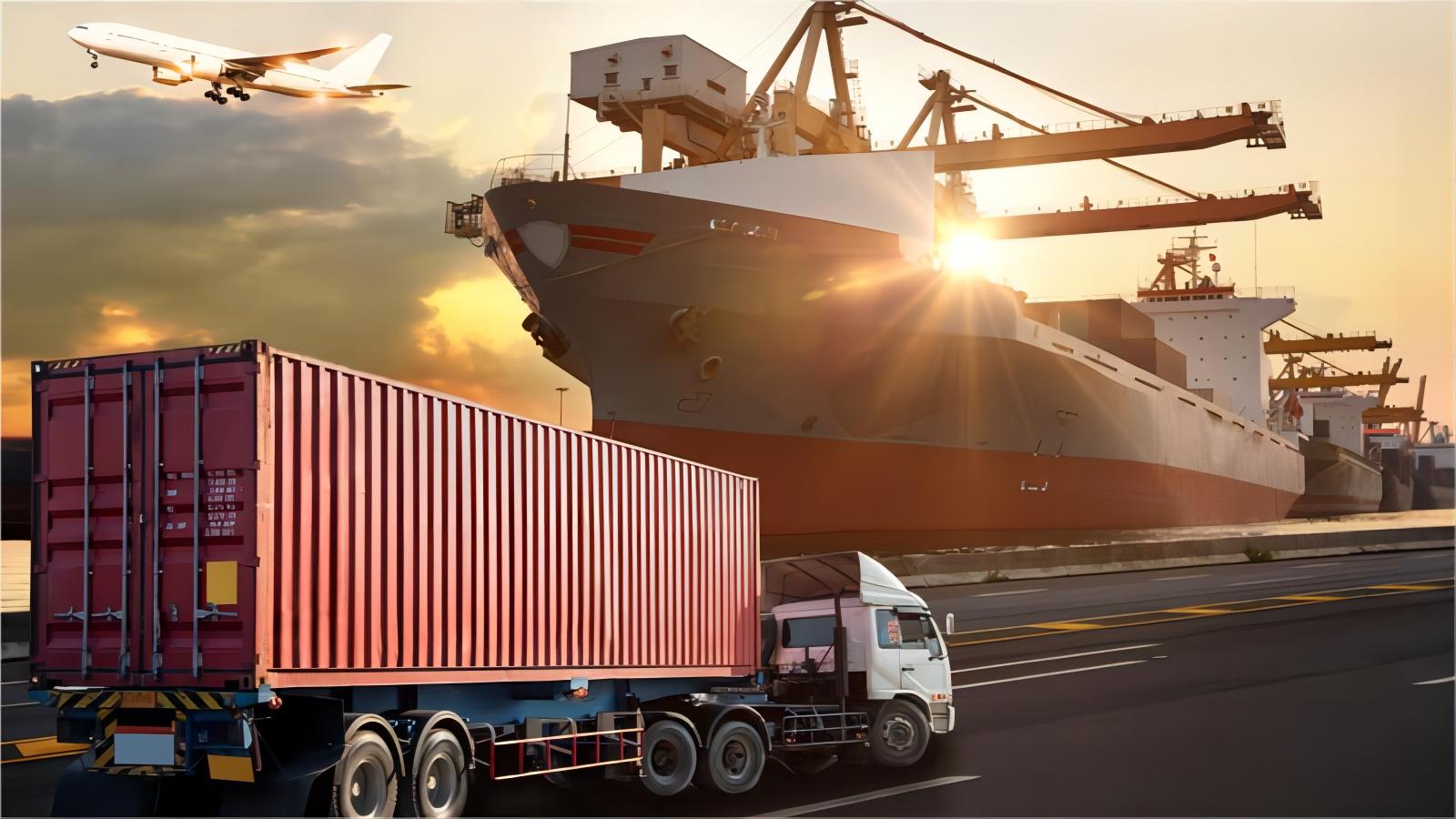
How Does Open Top FCL tracking for hardware tools from China to Europe Work?
Tracking your shipment involves using a combination of container numbers and Bill of Lading details provided by the carrier. Modern logistics platforms allow you to monitor the real-time position of your hardware tools as they move from major Chinese ports to European hubs. Indeed, having access to accurate data helps managers anticipate potential delays and adjust their distribution schedules accordingly.
Furthermore, advanced tracking systems integrate satellite data to provide precise coordinates of the vessel. This level of transparency is essential for high-value hardware shipments that require strict adherence to project timelines. Consequently, importers can provide their clients with reliable updates throughout the entire transit process.
How Does Open Top FCL Compare to Other Shipping Options?
Comparing different transport modes is essential for finding the most cost-effective solution for your business. While Open Top FCL is ideal for oversized items, other methods like rail freight might offer faster transit times for specific inland destinations in Europe. Understanding the trade-offs between cost, speed, and cargo capacity will help you make an informed decision.
Additionally, businesses must consider the physical constraints of each method. Air freight is significantly faster but often prohibitively expensive for heavy hardware tools. On the other hand, sea freight remains the most economical choice for large-scale industrial imports from China.
| Shipping Method | Cost Range | Transit Time | Best For | Limitations |
|---|---|---|---|---|
| Open Top FCL (Sea) | $3,500 – $5,500 | 30-40 Days | Oversized heavy tools | Longer transit times |
| Standard FCL (Sea) | $2,800 – $4,200 | 28-35 Days | Boxed hardware | Height restrictions |
| Rail Freight | $4,500 – $7,000 | 18-22 Days | Urgent industrial parts | Weight limits per wagon |
| Air Freight | $15,000+ | 5-8 Days | Small critical tools | High cost for weight |
Understanding Shipping Costs and Freight Rates for 2025
Freight rates for shipping from China to Europe are influenced by seasonal demand and fuel surcharges. As of early 2025, market data suggests that rates have stabilized, although peak seasons still see a 15-25% increase in pricing. Specifically, the complexity of handling open top containers often incurs additional surcharges compared to standard dry vans.
Moreover, the total landed cost includes origin charges, ocean freight, and destination fees. Importers should also account for potential customs duties and VAT when calculating their overall budget. To summarize, obtaining a detailed quote that breaks down every expense is crucial for maintaining healthy profit margins.
Typical Rates for China to Europe Routes (Estimated Q1 2025)
Note: Freight rates are subject to change based on fuel costs, carrier capacity, and seasonal demand. Contact us for a current quote tailored to your specific shipment.
| Route | 20GP Container | 40GP Container | 40HQ Container | Avg. Transit |
|---|---|---|---|---|
| China to Germany | $1,900 – $2,600 | $2,900 – $3,900 | $3,100 – $4,300 | 32 Days |
| China to Netherlands | $1,850 – $2,550 | $2,850 – $3,850 | $3,050 – $4,250 | 30 Days |
| China to Poland | $2,000 – $2,800 | $3,200 – $4,200 | $3,500 – $4,500 | 35 Days |
Which Option Should You Choose? Decision Framework
Selecting the right shipping strategy depends on your specific business priorities and cargo dimensions. If your primary concern is budget and you are shipping non-urgent hardware, sea freight via Open Top FCL is undoubtedly the best choice. However, if your project in Europe faces strict deadlines, rail freight offers a faster alternative despite the higher cost.
Furthermore, consider the physical nature of your hardware tools. Equipment that exceeds 2.5 meters in height MUST use an open top container or a flat rack. Without a doubt, verifying your cargo dimensions before booking will prevent costly delays and re-loading fees at the port of origin.
Navigating Customs and Documentation Requirements
Successful importing requires meticulous attention to paperwork and compliance with European Union regulations. Utilizing a professional customs brokerage service can streamline the clearance process and prevent your hardware from being held at the port. Indeed, missing or incorrect documents are the leading cause of logistics delays in the China-Europe corridor.
Additionally, hardware tools often fall under specific HS codes that determine the applicable duty rates. Providing an accurate commercial invoice and packing list is essential for the customs authorities to assess your shipment correctly. Consequently, working with experts ensures that all regulatory requirements are met before the vessel reaches its destination.
| Document Type | Required For | Purpose | Issuer |
|---|---|---|---|
| Bill of Lading | All Shipments | Title of goods | Carrier |
| Commercial Invoice | Customs Clearance | Valuation of cargo | Exporter |
| Packing List | Cargo Handling | Detailed contents | Exporter |
| Certificate of Origin | Duty Assessment | Proof of source | Chamber of Commerce |
Case Studies: Hardware Tool Shipments to Europe
Reviewing real-world examples provides valuable context for your own shipping planning. These cases illustrate the typical costs and timelines associated with Open Top FCL tracking for hardware tools from China to Europe. Specifically, these scenarios highlight how proactive monitoring and expert logistics management lead to successful delivery outcomes.
Case Study 1: Industrial Press Shipment. Route: Shanghai, China to Hamburg, Germany. Cargo: Heavy hydraulic press, 28 CBM, 15,000 kg. Container: 40HQ Open Top. Shipping Details: Direct sea freight via Maersk. Cost Breakdown: Ocean Freight $4,200, Origin Charges $450, Destination Charges $600, Total Landed Cost $5,250. Timeline: 34 days door-to-door. Key Insight: Using a 40HQ open top allowed for overhead crane loading, saving 2 days in labor costs.
Case Study 2: CNC Machinery Export. Route: Ningbo, China to Rotterdam, Netherlands. Cargo: 3 CNC machines, 45 CBM total. Container: 2 x 20GP Open Top. Shipping Details: Transshipment via Singapore. Cost Breakdown: Ocean Freight $5,100 total, Customs $800, Total Landed Cost $5,900. Timeline: 38 days total. Key Insight: Splitting the cargo into two 20GP units provided better weight distribution on the European road transport leg.
Alternative Strategies for Hardware Logistics
Standard sea freight is not the only way to move heavy equipment across the globe. For instance, a hybrid sea-air solution can be used to transport critical components quickly while keeping the bulk of the shipment on the water. This approach balances the need for speed with the necessity of cost control for large-scale industrial projects.
Another effective strategy involves using door to door services to simplify the entire supply chain. By consolidating trucking, shipping, and customs into a single contract, businesses reduce the risk of communication gaps between different service providers. Therefore, end-to-end solutions are often the most efficient way to manage complex hardware tool logistics.
Mastering Your Hardware Logistics Strategy
To summarize, successful Open Top FCL tracking for hardware tools from China to Europe depends on choosing the right container, monitoring real-time data, and ensuring customs compliance. By understanding the differences between shipping methods and leveraging market trends, you can build a more resilient supply chain. Furthermore, partnering with experienced freight forwarders allows you to focus on your core business while your cargo is handled by experts.
Ultimately, the goal is to achieve a balance between transit speed and shipping costs. Whether you choose sea, rail, or a hybrid approach, staying informed about the latest logistics developments will give you a competitive edge in the European market. Start planning your next shipment today to ensure your hardware tools arrive safely and efficiently.
Ready to streamline your logistics?
Managing Open Top FCL tracking for hardware tools from China to Europe requires precision and industry expertise. Our team at Top China Freight is ready to help you optimize your shipping routes and reduce costs. Contact us today for a personalized quote and professional guidance on your next hardware shipment. Visit https://Top China Freight.com/ for more information.
Request Quote