


20GP FCL insurance for solar panels from China to Florida: Complete Guide
Shipping renewable energy equipment requires specialized protection to ensure financial safety during long ocean voyages. Securing 20GP FCL insurance for solar panels from China to Florida protects your high-value cargo from unforeseen maritime risks and physical damage. This comprehensive guide explores how to navigate the complexities of marine cargo insurance while optimizing your logistics strategy for the Sunshine State.

Why Do You Need 20GP FCL Insurance for Solar Panels from China to Florida?
Solar panels are fragile and expensive, making them highly susceptible to damage during the long journey across the Pacific or Atlantic. Specifically, the vibration of the vessel and the pressure of stacked containers can cause micro-cracks in the PV cells. Consequently, standard carrier liability often falls short of covering the total replacement value of your equipment. Therefore, purchasing a dedicated insurance policy is essential for peace of mind and financial security.
Moreover, the route from China to Florida involves navigating complex maritime corridors like the Panama Canal or the Suez Canal. These areas present unique risks including congestion, mechanical failures, or even extreme weather events like hurricanes. Additionally, the high value of solar modules makes them a potential target for theft during port handling or inland transport. Indeed, a robust insurance policy ensures that your project budget remains intact despite these external variables.
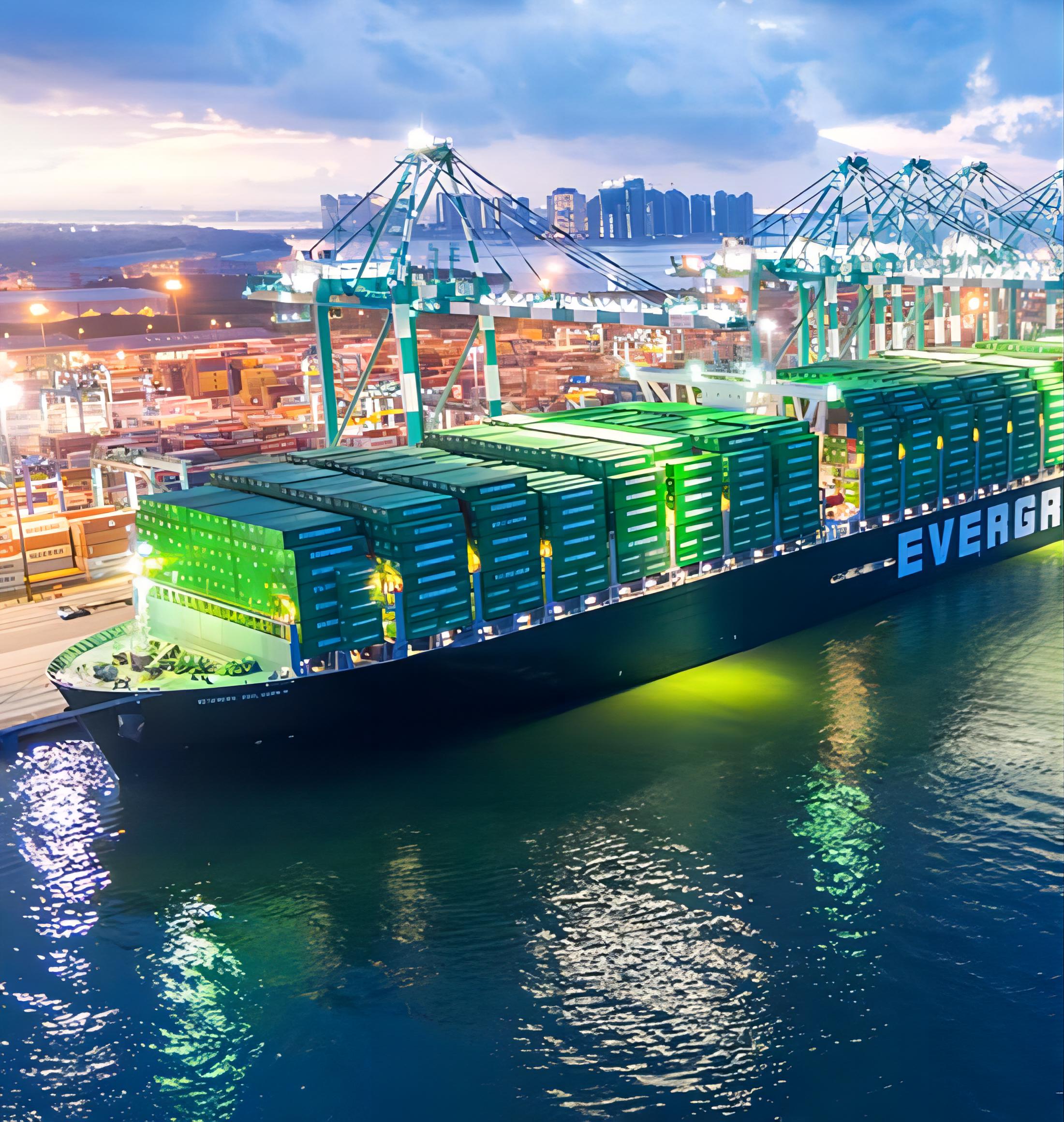
Furthermore, many commercial lenders and investors require proof of comprehensive marine insurance before releasing funds for renewable energy projects. Without a valid certificate of insurance, you might face delays in financing or contract breaches with your stakeholders. Meanwhile, the cost of the premium is relatively low compared to the potential loss of an entire 20GP container. As a result, savvy importers view insurance as a strategic investment rather than a mere administrative expense.
How Much Does 20GP FCL Insurance for Solar Panels from China to Florida Cost?
Insurance premiums for solar panels are typically calculated as a percentage of the total CIF value, which includes the cost of goods, insurance, and freight. Generally, these rates range from 0.1 percent to 0.5 percent depending on the coverage scope and the insurer. For instance, a container with a cargo value of 50,000 USD might incur an insurance fee of approximately 150 to 250 USD. However, these rates can fluctuate based on the quality of your packaging and the reputation of the carrier.
Additionally, some insurers offer lower rates if you have a history of low claim ratios or if you use specialized racking systems for your PV modules. In contrast, shipping during peak hurricane season in the Atlantic might lead to slightly higher premiums due to increased environmental risks. Nevertheless, the competitive nature of the insurance market allows for flexible pricing for regular shippers. Accordingly, it is always wise to request multiple quotes to ensure you are receiving the best value for your specific route.
Note: Freight rates and insurance premiums are subject to change based on fuel costs, carrier capacity, and seasonal demand. Contact us for a current quote tailored to your specific shipment.
| Cargo Value (USD) | Premium Rate (Est.) | Insurance Cost | Coverage Type |
|---|---|---|---|
| $30,000 | 0.30% | $90 | All-Risk |
| $60,000 | 0.25% | $150 | All-Risk |
| $100,000 | 0.20% | $200 | All-Risk |
| $250,000 | 0.15% | $375 | All-Risk |
Understanding Coverage Types for Solar Panel Shipments
Choosing the right level of coverage is critical when securing 20GP FCL insurance for solar panels from China to Florida. Most professionals opt for All-Risk coverage, which is the most comprehensive option available in the market. Specifically, this policy covers all causes of physical loss or damage except for those explicitly excluded in the fine print. Therefore, it provides the broadest protection against the unique vulnerabilities of glass-based energy products.
On the other hand, some importers might consider Free of Particular Average or With Average policies to save on costs. However, these options usually only cover total losses or damage resulting from specific major accidents like shipwrecks or fires. Consequently, they often exclude the most common types of damage seen in solar shipping, such as breakage from rough handling. In addition, these limited policies might not cover theft or pilferage, leaving significant gaps in your risk management strategy.
Specifically, you should look for clauses that cover concealed damage, as micro-cracks are often not visible until the panels are tested on-site. Furthermore, ensure your policy includes a General Average clause, which protects you from sharing the costs if the vessel must sacrifice cargo to save the ship. Without a doubt, the complexity of maritime law makes a comprehensive All-Risk policy the safest choice for any Florida-bound solar project.
How Does 20GP FCL Compare to Other Shipping Options?
When planning your logistics, it is vital to compare sea freight in full containers against other viable methods. A 20GP container is often the ideal size for smaller solar installations or residential projects in Florida. Specifically, FCL shipping offers better security because the container is sealed at the factory and remains unopened until it reaches its destination. In contrast, LCL shipments involve more handling, which significantly increases the risk of glass breakage.
Furthermore, air freight is an alternative for extremely urgent components or high-tech solar cells. While air transport is much faster, the costs are often ten times higher than ocean freight for the same volume. Consequently, air shipping is rarely used for entire container loads of standard PV modules. Additionally, the environmental impact of air freight is much higher, which may conflict with the green goals of a solar energy company.
Moreover, the choice between different Florida ports like Miami, Jacksonville, or Port Everglades can affect your insurance and transit time. Specifically, direct routes to Miami might have slightly higher freight rates but offer lower transit risks compared to transshipment routes. Therefore, you must weigh the benefits of speed and security against your total landed cost. Ultimately, the 20GP FCL remains the industry standard for balancing cost-efficiency with cargo safety.
| Shipping Method | Cost Range | Transit Time | Risk Level |
|---|---|---|---|
| 20GP FCL Sea | $3,000 – $4,500 | 30-40 Days | Low |
| LCL Sea | $150 – $300/CBM | 35-45 Days | Medium |
| Air Freight | $12,000 – $18,000 | 5-9 Days | Very Low |
| 40HQ FCL Sea | $4,500 – $6,500 | 30-40 Days | Low |
Case Study: Shipping Solar Panels to Orlando via Port of Miami
Case Study 1: Commercial Solar Array Transit
Route: Shenzhen, China to Miami, USA
Cargo: Tier 1 Monocrystalline Solar Panels, 28 CBM, 18,000 kg
Container: 20GP
Shipping Details:
– Carrier: COSCO Shipping
– Port of Loading: Yantian
– Port of Discharge: Port of Miami
– Route Type: Direct via Panama Canal
Cost Breakdown:
– Ocean Freight: $3,250
– Origin Charges: $450
– Destination Charges: $600
– Insurance Premium: $185
– Total Landed Cost: $4,485
Timeline:
– Booking to Loading: 5 days
– Sea Transit: 32 days
– Customs Clearance: 3 days
– Total Door-to-Door: 40 days
Key Insight: Using a 20GP allowed for easier inland transport to the Orlando site compared to a 40HQ container.
Case Study 2: Residential PV Kit Distribution
Route: Ningbo, China to Jacksonville, USA
Cargo: Solar Inverters and Panels, 24 CBM, 12,500 kg
Container: 20GP
Shipping Details:
– Carrier: Maersk
– Port of Loading: Ningbo-Zhoushan
– Port of Discharge: Jacksonville (JAXPORT)
– Route Type: Transshipment via Savannah
Cost Breakdown:
– Ocean Freight: $3,400
– Origin Charges: $400
– Destination Charges: $750
– Insurance Premium: $210
– Total Landed Cost: $4,760
Timeline:
– Booking to Loading: 7 days
– Sea Transit: 38 days
– Customs Clearance: 4 days
– Total Door-to-Door: 49 days
Key Insight: All-risk insurance was crucial as the transshipment increased handling risks in Savannah.
Essential Documentation for Insurance and Customs
Accurate documentation is the foundation of a successful insurance claim and smooth customs brokerage. Specifically, you must ensure that the Bill of Lading, Commercial Invoice, and Packing List all reflect the same quantities and values. Any discrepancies in these documents can lead to a denial of your insurance claim or significant delays at the Port of Miami. Furthermore, the insurance certificate should be issued before the vessel departs from the loading port in China.
Additionally, you should keep a detailed record of the container seal numbers and photos of the loading process at the factory. These records serve as vital evidence if the container arrives with a broken seal or visible external damage. Moreover, if you are importing solar panels, you must comply with specific U.S. customs regulations regarding anti-dumping and countervailing duties. Consequently, having a professional broker ensures that all tariffs are calculated correctly, preventing legal complications.
Indeed, the insurance policy usually requires a survey report if the damage exceeds a certain threshold. Therefore, you should have a pre-arranged contact for a local surveyor in Florida who can inspect the goods upon arrival. This proactive approach speeds up the claim process and ensures that you receive your compensation promptly. In summary, meticulous paperwork is your best defense against both logistical hurdles and financial losses.
Choosing the Right Freight Forwarder for Florida Deliveries
Selecting an experienced partner is vital when navigating the complexities of 20GP FCL insurance for solar panels from China to Florida. A specialized freight forwarder can manage the entire process, from factory pickup in China to door to door delivery at your Florida warehouse. Specifically, they have established relationships with major insurance providers, allowing them to secure better rates and more comprehensive coverage for your cargo.
Furthermore, a good forwarder understands the specific geographical challenges of shipping to North America, including seasonal port congestion. They can advise you on the best arrival ports based on your final destination in Florida, whether it is Tampa, Orlando, or Jacksonville. Additionally, they provide real-time tracking, so you always know the status of your high-value solar equipment. Meanwhile, they handle the communication with the carrier, saving you time and reducing administrative stress.
Specifically, you should look for a provider that offers integrated insurance solutions as part of their shipping package. This integration ensures that there are no gaps in coverage between the different stages of the journey. Moreover, their experience with solar panel claims can be invaluable if you encounter any issues during transit. Ultimately, the right logistics partner acts as an extension of your team, ensuring that your solar project remains on track and within budget.
Which Option Should You Choose?
Deciding on the best shipping and insurance strategy depends on your specific project requirements and risk tolerance. If your primary goal is budget optimization, choosing a 20GP FCL with a standard All-Risk policy offers the best balance of cost and protection. Specifically, this setup is ideal for shipments where the total cargo value is under 100,000 USD. However, if speed is your absolute priority, air freight might be necessary despite the high cost and increased insurance premiums.
For large-scale utility projects, you might consider switching to 40HQ containers to maximize volume efficiency. Nevertheless, the 20GP container remains the superior choice for sites with limited access or for smaller residential distributions. Additionally, you should always choose a direct route if the budget allows, as this minimizes the number of times the container is handled. Consequently, lower handling leads to a lower probability of micro-cracks and glass breakage in your PV modules.
In contrast, if you are shipping small batches of replacement panels, LCL might seem attractive, but the insurance costs will be higher due to the increased risk. Therefore, we generally recommend consolidating your orders into a full 20GP container whenever possible. This strategy not only reduces your freight rate but also simplifies the insurance and customs clearance process. In conclusion, a well-planned FCL shipment is the most resilient way to transport solar panels from China to Florida.
Final Thoughts on Solar Panel Shipping Insurance
Securing 20GP FCL insurance for solar panels from China to Florida is a critical component of any successful import strategy. By understanding the risks, costs, and coverage types, you can protect your business from the financial impact of transit damage. Specifically, an All-Risk policy provides the comprehensive safety net needed for fragile PV modules.
Moreover, working with an experienced freight forwarder simplifies the complex process of maritime logistics and documentation. This ensures that your solar panels arrive at their Florida destination on time and in perfect condition. In summary, comprehensive insurance is not just a cost, but a vital safeguard for the future of your renewable energy projects.
Ready to streamline your logistics?
Protect your renewable energy investment today by securing the best 20GP FCL insurance for solar panels from China to Florida. Our team of logistics experts is ready to provide you with a tailored quote that meets your specific needs and budget. Visit https://Top China Freight.com/ to request your free freight and insurance consultation now.
Request Quote