

China FCL Factory Pickup to Denmark: Complete Shipping Guide
Managing a China FCL factory pickup to Denmark requires a deep understanding of international logistics and precise coordination between multiple parties. This comprehensive guide provides the essential insights needed to navigate the complexities of transporting full container loads from Chinese manufacturing hubs to Danish ports. Therefore, partnering with an experienced provider like Top China Freight ensures your supply chain remains efficient and cost-effective throughout the entire journey.
What is China FCL Factory Pickup to Denmark?
Full Container Load (FCL) shipping represents the most efficient method for transporting large volumes of goods from Chinese factories to Danish businesses. Consequently, this service involves the carrier picking up a dedicated container directly from the manufacturer’s premises and transporting it to the port of loading.
Importers often prefer this method because it offers greater security and faster transit times compared to shared container options. Moreover, the factory pickup model simplifies the initial leg of the journey by removing the need for the supplier to arrange local transportation to a warehouse.
Historically, Danish companies have utilized this strategy to maintain better control over their inventory and reduce the risk of damage during handling. Indeed, having a single point of contact for the entire pickup and shipping process significantly reduces administrative burdens for the buyer.
How Does China FCL Factory Pickup to Denmark Compare to Other Shipping Options?
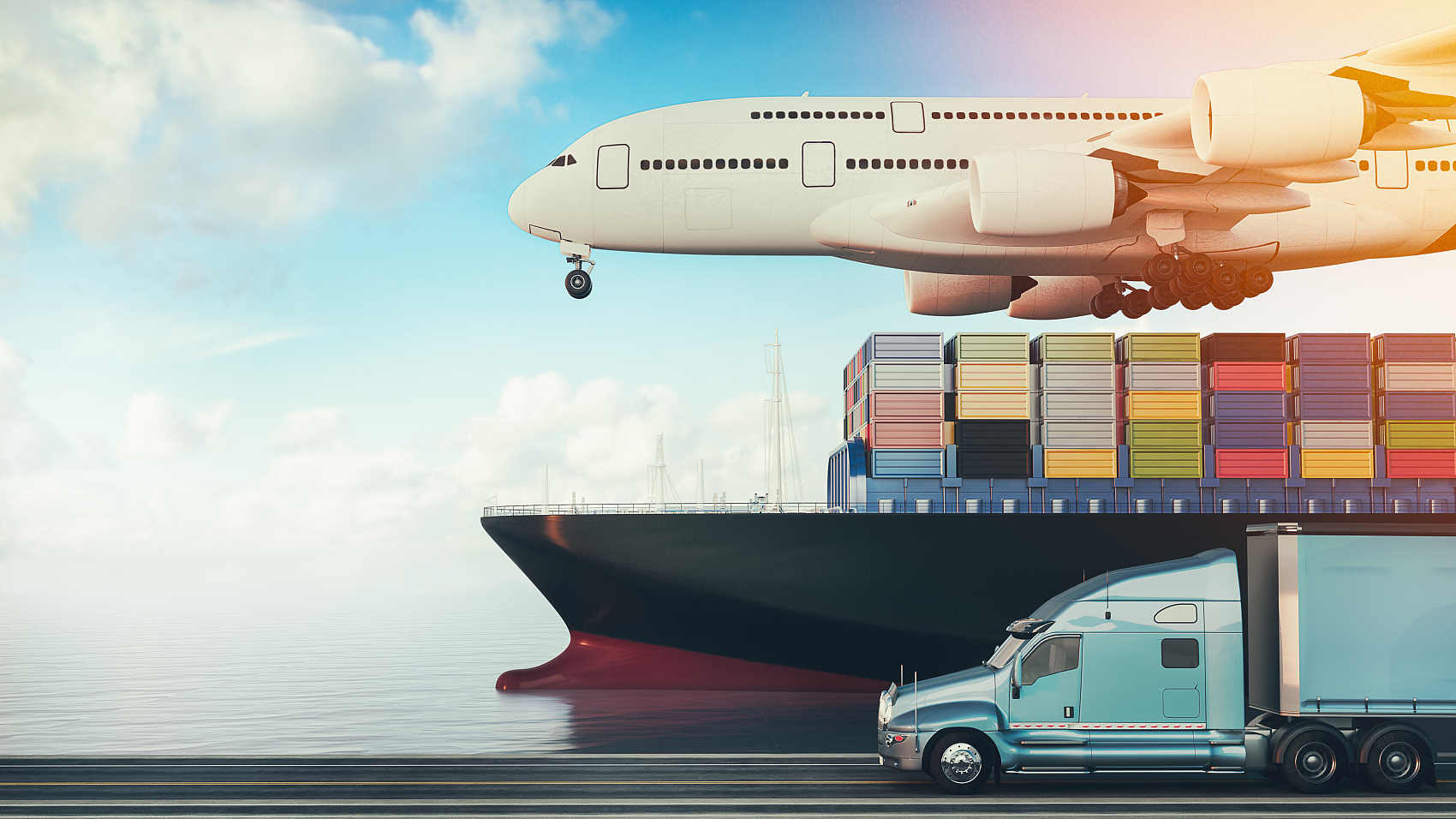
Understanding the differences between shipping methods is crucial for optimizing your logistics budget and meeting delivery deadlines. Generally, sea freight remains the standard for FCL shipments due to its balance of capacity and affordability.
Although air freight offers unmatched speed, the cost for a full container equivalent would be prohibitively expensive for most commodities. In contrast, rail freight provides a middle ground, though it is often subject to different geopolitical constraints and infrastructure availability.
Specifically, for shipments under 15 CBM, Less than Container Load (LCL) might seem cheaper, but it involves more handling and longer processing times at both ends. Meanwhile, the direct factory pickup for FCL ensures that the container is sealed at the origin and only opened at the destination.
| Shipping Method | Cost Range | Transit Time | Best For |
| Sea Freight FCL | $2,200 – $4,500 | 30 – 45 Days | High Volume Goods |
| Air Freight | $15,000 – $25,000 | 5 – 8 Days | Urgent/High Value |
| Rail Freight | $4,000 – $7,000 | 18 – 25 Days | Time-Sensitive Bulk |
| LCL Shipping | $80 – $150/CBM | 35 – 50 Days | Small Shipments |
Understanding the Cost of China FCL Factory Pickup to Denmark
Navigating the pricing structure for international shipping requires a clear breakdown of all potential charges involved in the door-to-door process. Furthermore, the total landed cost includes the ocean freight, origin handling charges, and the specific fees associated with picking up the container from the factory.
Shipping rates fluctuate based on seasonal demand, fuel surcharges, and current carrier capacity in the global market. Additionally, you must account for customs brokerage fees and Danish import duties which are calculated based on the cargo value.
Typical rates as of early 2025 show that 40HQ containers are currently the most cost-effective option for high-volume importers. Nevertheless, always request a detailed quote to avoid hidden fees such as demurrage or detention charges at the Port of Aarhus or Copenhagen.
| Route | 20GP Container | 40GP Container | 40HQ Container |
| Shenzhen to Aarhus | $1,900 – $2,600 | $3,100 – $4,000 | $3,300 – $4,400 |
| Ningbo to Copenhagen | $2,000 – $2,700 | $3,200 – $4,100 | $3,400 – $4,500 |
| Shanghai to Billund | $2,100 – $2,800 | $3,300 – $4,200 | $3,500 – $4,600 |
| Qingdao to Fredericia | $2,050 – $2,750 | $3,250 – $4,150 | $3,450 – $4,550 |
Transit Times and Delivery Schedules for Denmark Cargo
When planning your inventory, accounting for the total lead time from the factory floor to your Danish warehouse is essential. Despite the efficiency of modern vessels, the sea transit from major Chinese ports to Northern Europe usually takes between 32 and 40 days.
Efficiency at the port of loading and the speed of customs clearance significantly impact the final delivery date. For instance, direct routes from Shanghai to Copenhagen are generally faster than transshipment routes via Singapore or Rotterdam.
Reliability in scheduling is often influenced by weather conditions and port congestion during peak seasons like the Chinese New Year. Consequently, we recommend booking your container at least three weeks in advance to secure space on the desired vessel.
Essential Customs Documents for Danish Imports
Finally, the success of your shipment depends heavily on the accuracy of your documentation and compliance with EU regulations. Many importers face delays because of missing certificates or incorrectly declared HS codes on the commercial invoice.
Specifically, the Danish Customs Agency (Toldstyrelsen) requires a complete set of documents before they release the cargo for domestic delivery. Therefore, ensuring your supplier provides accurate packing lists and certificates of origin is a critical step in the process.
Documentation accuracy prevents unnecessary inspections and helps in claiming preferential tariff rates if applicable. Without a doubt, working with a professional who understands the specific requirements for Denmark will save you time and money.
| Document Name | Purpose | Required By | Importance |
| Commercial Invoice | Value Declaration | Customs | Critical |
| Packing List | Cargo Detail | Port Authority | High |
| Bill of Lading | Title to Goods | Carrier | Mandatory |
| EORI Number | EU Registration | Danish Customs | Essential |
Step-by-Step Process for Factory Pickup in China
Reliability starts with a well-coordinated pickup process where the empty container arrives at the factory on time for loading. To begin, the freight forwarder coordinates with the manufacturer to confirm the cargo is ready and the container size is appropriate.
Because the driver must adhere to strict port cut-off times, the loading process must be efficient and well-documented. Using a door to door service model allows the forwarder to manage the trucking, export clearance, and ocean transit seamlessly.
Since the factory is often located in inland provinces, the domestic trucking leg can take several days depending on the distance to the port. Once loaded, the container is sealed with a high-security bolt seal to ensure integrity during the long voyage to Denmark.
Real-World Case Studies: Shipping to Denmark
Every shipment offers unique challenges that highlight the importance of expert logistics management. While some shipments proceed without a hitch, others require active problem-solving to overcome port delays or documentation errors.
If you are looking for evidence of successful delivery, consider these recent examples from our logistics operations. These cases reflect actual market conditions and typical costs for Danish importers during the 2024-2025 period.
Freight logistics is ultimately about results, and these case studies demonstrate how we handle the complexities of the China to Denmark route. Success in these scenarios was achieved through proactive communication and careful planning.
Case Study 1: Electronics from Shenzhen to Copenhagen
CASE STUDY 1: High-Value Electronics Distribution +———————————————————+ | Route: Shenzhen, China to Copenhagen, Denmark | | Cargo: Consumer Electronics, 68 CBM, 14,000 kg | | Container: 40HQ FCL | | | | Shipping Details: | | – Carrier: Maersk Line | | – Port of Loading: Yantian | | – Port of Discharge: Copenhagen | | – Route Type: Direct | | | | Cost Breakdown: | | – Ocean Freight: $3,850 | | – Origin Charges: $450 | | – Destination Charges: $550 | | – Customs & Duties: $1,200 | | – Total Landed Cost: $6,050 | | | | Timeline: | | – Booking to Loading: 4 days | | – Sea Transit: 34 days | | – Customs Clearance: 2 days | | – Total Door-to-Door: 40 days | | | | Key Insight: Direct booking saved 5 days of transit. | +———————————————————+
Case Study 2: Furniture from Ningbo to Aarhus
CASE STUDY 2: Retail Furniture Import +———————————————————+ | Route: Ningbo, China to Aarhus, Denmark | | Cargo: Flat-pack Furniture, 28 CBM, 8,500 kg | | Container: 20GP FCL | | | | Shipping Details: | | – Carrier: COSCO Shipping | | – Port of Loading: Ningbo | | – Port of Discharge: Aarhus | | – Route Type: Transshipment via Hamburg | | | | Cost Breakdown: | | – Ocean Freight: $2,100 | | – Origin Charges: $380 | | – Destination Charges: $420 | | – Customs & Duties: $950 | | – Total Landed Cost: $3,850 | | | | Timeline: | | – Booking to Loading: 5 days | | – Sea Transit: 38 days | | – Customs Clearance: 3 days | | – Total Door-to-Door: 46 days | | | | Key Insight: Transshipment was $300 cheaper than direct.| +———————————————————+
Which Option Should You Choose for Your Business?
Success in international trade depends on choosing the logistics strategy that aligns with your specific business goals. High priority should be given to FCL when your volume exceeds 15-20 CBM, as the cost per unit becomes significantly lower than LCL.
Cost-saving strategies often involve choosing transshipment routes or booking during the off-peak season between March and June. On the other hand, if speed is your primary concern, consider a hybrid sea-air solution to reduce the total transit time by half.
Logistics experts recommend evaluating your supplier’s location relative to major ports to minimize domestic trucking costs. By shipping to Europe with a consolidated strategy, you can maximize your container utilization and improve your profit margins.
Market Intelligence and Trends for 2025
Today, the shipping industry is facing new challenges and opportunities driven by technological advancements and shifting trade patterns. Recent market data suggests that freight rates from China to Denmark have stabilized after the disruptions seen in 2024.
Global logistics trends indicate an increasing focus on sustainability and carbon footprint tracking for European imports. Furthermore, carriers are introducing more digital tools to provide real-time visibility into the container’s location during the long sea voyage.
Manufacturers in China are also adapting by moving closer to major port hubs to facilitate faster factory pickups. Consequently, staying informed about these trends allows Danish businesses to adapt their supply chains for better resilience and efficiency.
Mastering Your China FCL Factory Pickup to Denmark
Documentation and planning are the cornerstones of a successful international shipping operation from China to the Danish market. By understanding the nuances of FCL logistics, you can significantly improve your supply chain efficiency and reduce overall costs.
Danish businesses must remain proactive in managing their imports and choosing the right partners for their freight needs. Ultimately, a well-executed China FCL factory pickup to Denmark provides a competitive advantage in today’s fast-paced global economy.
China remains a vital manufacturing partner, and mastering the logistics between these two nations is key to long-term business growth. Trust in professional expertise to navigate the waves of international trade and deliver your goods with confidence.
Ready to streamline your logistics?
Streamline your China FCL factory pickup to Denmark today by requesting a personalized quote from our logistics experts. Our team at Top China Freight is ready to handle your complex shipping needs with precision and care. Contact us now to secure the best rates and ensure your cargo reaches its destination safely and on schedule.
Request Quote