


Reefer FCL space availability for solar panels from China to Illinois
Finding reliable Reefer FCL space availability for solar panels from China to Illinois remains a top priority for developers seeking to protect sensitive photovoltaic components from extreme thermal fluctuations. Top China Freight provides specialized logistics solutions to ensure your renewable energy equipment arrives in pristine condition at its destination. Consequently, understanding the nuances of temperature-controlled shipping is essential for maintaining product warranty and long-term efficiency during the long haul across the Pacific.
What is Reefer FCL space availability for solar panels from China to Illinois?
Reefer FCL space availability for solar panels from China to Illinois refers to the current capacity of carriers to provide refrigerated full container loads for photovoltaic modules. Specifically, these containers maintain a consistent internal temperature to prevent micro-cracks and delamination caused by extreme heat during the summer months. Moreover, Illinois serves as a massive hub for renewable energy, making this specific route highly competitive among global shippers.
Logistics providers must navigate tight schedules to secure these specialized units at major ports like Shanghai or Ningbo. Furthermore, the demand for high-efficiency solar panels often peaks during the spring, leading to limited equipment availability. Consequently, importers should book their space at least four weeks in advance to avoid delays in their project timelines.
Choosing a refrigerated container over a standard dry van offers a layer of insurance for high-value solar assets. While standard containers can reach internal temperatures of 60 degrees Celsius, reefers keep the cargo at a steady 25 degrees. Therefore, the investment in specialized space pays for itself by reducing the risk of cargo damage and insurance claims.
How Does Reefer FCL Compare to Other Shipping Options?
Analyzing the differences between shipping methods is crucial for optimizing your supply chain budget. Although sea freight remains the most common choice, the specific container type significantly impacts the landed cost. For instance, a reefer container typically costs 20 to 30 percent more than a standard 40HQ unit due to the energy consumption of the cooling unit.
Alternatively, some shippers consider LCL options for smaller test batches of panels. However, LCL does not offer the same level of temperature control as a dedicated Reefer FCL. In addition, air freight provides the fastest transit but is economically unfeasible for large-scale solar farm installations in the Midwest.
Strategic planning involves weighing the cost of potential panel degradation against the higher freight rates of refrigerated units. If your panels use sensitive thin-film technology, the reefer option is non-negotiable. On the other hand, traditional monocrystalline panels might survive in dry containers during cooler months, though the risk remains present.
| Shipping Method | Cost Range | Transit Time | Best For | Limitations |
|---|---|---|---|---|
| Reefer FCL | $4,500-6,500 | 30-40 Days | Sensitive PV Modules | Higher Cost |
| Standard FCL | $3,200-4,800 | 30-40 Days | Durable Panels | Heat Risk |
| Air Freight | $15,000+ | 5-8 Days | Urgent Repairs | Very Expensive |
| LCL Sea | $80-120/CBM | 35-45 Days | Small Samples | No Temp Control |
Why is space availability so tight for Illinois routes?
Illinois acts as a central gateway for the entire United States Midwest, which increases the strain on rail and trucking connections from West Coast ports. Consequently, when Reefer FCL space availability for solar panels from China to Illinois decreases, it is often due to congestion at the Port of Chicago or the rail ramps in Joliet. Moreover, carriers prioritize high-margin perishable goods like food and pharmaceuticals for reefer units, leaving solar shippers to compete for remaining slots.
Market data from early 2025 suggests that the surge in domestic solar incentives has tripled the volume of imports into the Chicago area. Furthermore, the limited number of refrigerated units circulating in the global pool creates a bottleneck during peak manufacturing seasons in China. Therefore, securing a contract with a freight forwarder who has direct carrier relationships is vital for guaranteed space.
Notably, seasonal weather patterns in the Pacific also affect the reliability of the delivery schedule. Winter storms can delay vessels by several days, which ripples through the entire supply chain. Meanwhile, the demand for clean energy continues to rise, ensuring that the competition for container space will remain fierce for the foreseeable future.
Current Freight Rates and Transit Times for 2025
Current market rates as of Q1 2025 show that shipping a 40HQ reefer from Shanghai to Chicago averages between 5,200 and 6,800 dollars. This price includes the ocean freight to a West Coast port like Long Beach and the subsequent rail transfer to Illinois. However, these rates can fluctuate based on fuel surcharges and seasonal demand spikes during the Golden Week holidays in China.
Transit times generally range from 32 to 42 days, depending on the efficiency of the intermodal transfer. Specifically, the water leg takes about 16 days, while the rail journey and terminal handling add another 15 to 20 days. Consequently, shippers must account for these timelines when planning project installation dates in the Illinois suburbs.
Note: Freight rates are subject to change based on fuel costs, carrier capacity, and seasonal demand. Contact us for a current quote tailored to your specific shipment. Additionally, choosing a direct sea route to the East Coast and trucking inland to Illinois is an alternative strategy if West Coast rail ramps are congested.
| Origin Port | Destination | Container Type | Est. Rate (USD) | Transit Days |
|---|---|---|---|---|
| Shanghai | Chicago, IL | 40HQ Reefer | $5,500 – $6,200 | 34-38 |
| Ningbo | Joliet, IL | 40HQ Reefer | $5,600 – $6,400 | 35-40 |
| Shenzhen | Chicago, IL | 40HQ Reefer | $5,800 – $6,700 | 38-42 |
| Qingdao | Chicago, IL | 40HQ Reefer | $5,400 – $6,100 | 36-40 |
Case Studies: Successful Solar Shipments to Illinois
Case Study 1: Large Scale Solar Farm in Rockford. Route: Shanghai to Chicago. Cargo: 2500 Mono-crystalline panels, 40HQ Reefer. Shipping Details: Major carrier via Long Beach. Cost Breakdown: Ocean Freight $5,400, Origin Charges $450, Destination Charges $800, Total Landed $6,650. Timeline: 36 days door-to-door. Key Insight: Early booking secured space during the pre-CNY rush.
Case Study 2: Commercial Rooftop Project in Peoria. Route: Ningbo to Joliet. Cargo: 800 Thin-film panels, 40HQ Reefer. Shipping Details: Direct rail service from Prince Rupert. Cost Breakdown: Ocean Freight $5,800, Customs $300, Rail/Trucking $1,200, Total Landed $7,300. Timeline: 32 days. Key Insight: Using the Canadian gateway avoided California port congestion.
Case Study 3: Residential Distributor in Naperville. Route: Shenzhen to Chicago. Cargo: Mixed PV modules, 20GP Reefer. Shipping Details: Transshipment via Busan. Cost Breakdown: Ocean Freight $4,200, Documentation $200, Local Delivery $600, Total Landed $5,000. Timeline: 45 days. Key Insight: Transshipment was 15% cheaper but added 10 days to the transit time.
The Importance of Customs Brokerage for Solar Imports
Navigating the complex regulations of the U.S. Customs and Border Protection is a critical step in the import process. Specifically, solar panels are often subject to anti-dumping duties and Section 201 safeguards which can significantly alter your final costs. Engaging a professional customs brokerage service ensures that all HTS codes are correctly applied and that your Reefer FCL space availability for solar panels from China to Illinois is not wasted by port holds.
Moreover, the Uyghur Forced Labor Prevention Act (UFLPA) requires rigorous documentation of the supply chain for all solar products entering the United States. Furthermore, failing to provide a clear trail of silicon sourcing can result in the seizure of your entire container. Therefore, your logistics partner must verify all compliance documents before the vessel departs from China.
Consequently, many importers choose to bundle their shipping and customs services to streamline communication. This approach reduces the risk of missed deadlines and ensures that the refrigerated unit is not left sitting on the dock consuming expensive electricity. In addition, a knowledgeable broker can help you navigate potential duty drawbacks or exemptions for specific renewable energy projects.
Optimizing Door to Door Logistics in Illinois
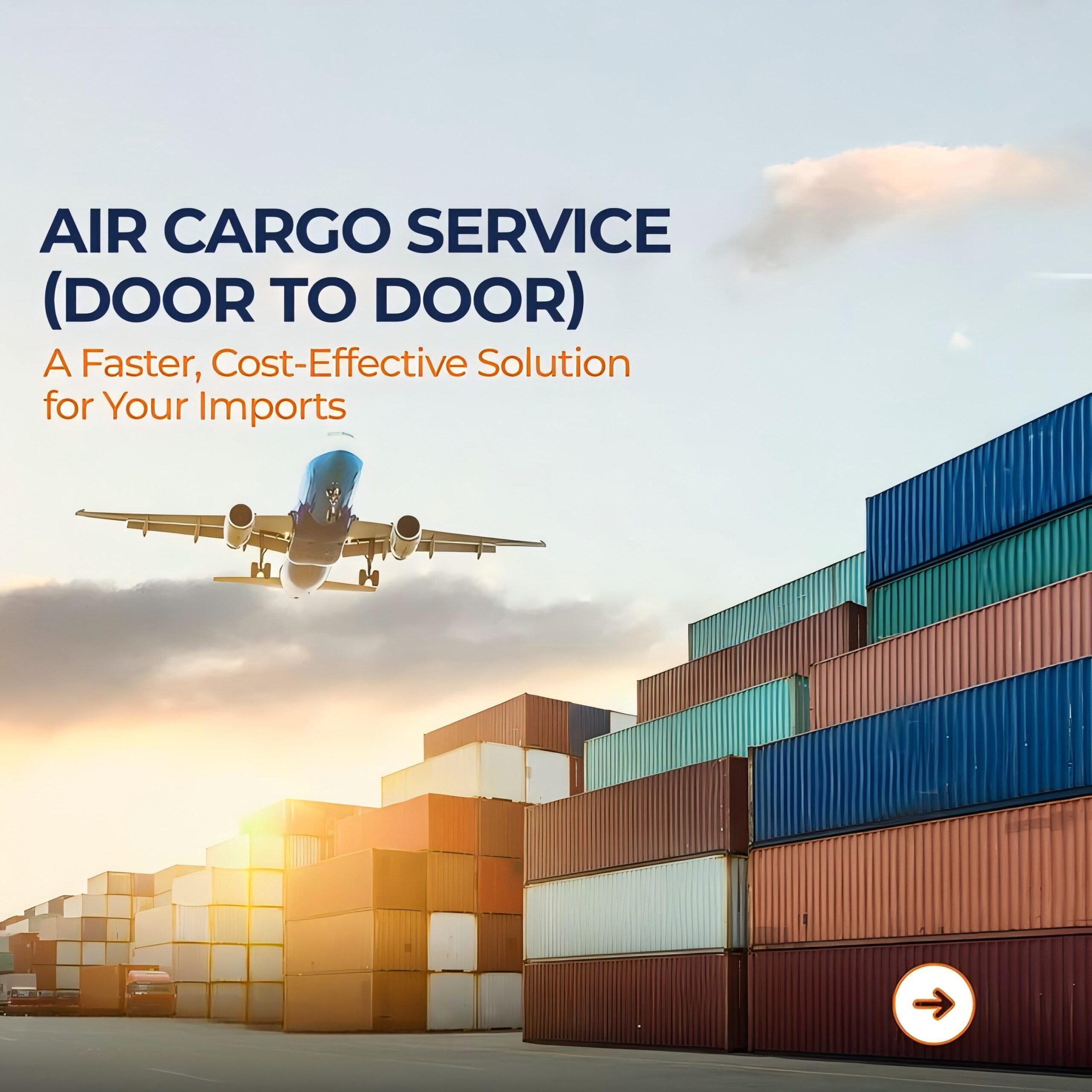
Once your container arrives at the rail ramp in Chicago or Joliet, the final leg of the journey begins. Efficient door to door service is essential for coordinating the arrival of specialized offloading equipment at the job site. Specifically, reefer containers are heavier and require specific chassis, which can sometimes be in short supply in the Midwest.
Furthermore, the delivery schedule must be synchronized with the installation crew to minimize detention and demurrage charges. If the site is not ready, the container must be stored at a facility with electrical plug-ins to maintain the temperature control. Consequently, real-time tracking and constant communication between the driver and the project manager are vital for a successful delivery.
Notably, Illinois weather can be unpredictable, with heavy snow or rain impacting the final mile delivery. Therefore, having a local logistics partner who understands the regional infrastructure can prevent last-minute complications. Meanwhile, the goal remains to keep the panels in a controlled environment until the very moment they are ready for installation.
Which Option Should You Choose? Decision Framework
Deciding on the best shipping strategy for North America depends on several factors, including budget, urgency, and panel sensitivity. If your primary goal is cost-saving and you are shipping during the winter, a standard 40HQ container might suffice. However, if you are shipping high-efficiency modules during the peak of summer, the Reefer FCL option is the only way to guarantee product integrity.
Budget priority: Choose standard FCL with thermal blankets as a middle-ground solution. Speed priority: Look for premium ocean services that offer expedited rail discharge in Chicago. Cargo type considerations: Always use reefers for thin-film or bifacial panels that are more susceptible to heat-induced micro-cracking. Volume thresholds: For shipments over 10 containers, negotiate a dedicated space allotment with the carrier to ensure consistent supply.
Ultimately, the best choice is one that balances risk and reward while keeping your solar project on schedule. Consequently, consulting with a freight expert who understands the Illinois market will provide the best results. Moreover, always ensure you have comprehensive cargo insurance that specifically covers thermal damage during transit.
Final Thoughts on Reefer FCL Space for Solar Panels
Securing Reefer FCL space availability for solar panels from China to Illinois is a complex but necessary task for modern renewable energy developers. By understanding the market trends, costs, and technical requirements of temperature-controlled shipping, you can protect your investment and ensure long-term performance. Consequently, the combination of early booking, strict compliance, and expert logistics partnership is the key to success in the competitive Illinois solar market.
Furthermore, as global supply chains continue to evolve, staying informed about carrier capacity and regional infrastructure will remain a competitive advantage. Therefore, prioritize quality and reliability in your shipping choices to power the future of clean energy in the Midwest without interruption.

Ready to streamline your logistics?
Ensure your renewable energy project stays on track by securing your Reefer FCL space availability for solar panels from China to Illinois today. Contact our expert team at Top China Freight for a customized quote and reliable logistics support. Visit our website to learn more about our specialized solar shipping solutions. See: https://Top China Freight.com/
Request Quote