


20GP FCL container shortage solution for textiles from China to Florida
Importers often face significant hurdles when securing equipment for small-volume textile shipments. Finding a reliable 20GP FCL container shortage solution for textiles from China to Florida is essential for maintaining a steady supply chain. Top China Freight provides professional logistics management to help you navigate these equipment deficits effectively. This guide explores strategic alternatives and cost-effective methods to ensure your cargo reaches Florida ports without delay.
Why is there a 20GP FCL container shortage for textiles from China to Florida?
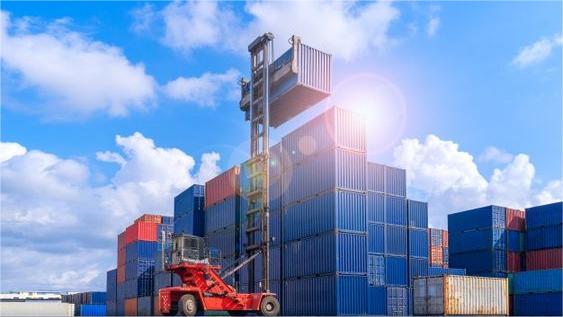
Global trade imbalances frequently lead to a lack of smaller 20-foot containers at major Chinese export hubs. Carriers often prioritize 40HQ containers because they offer better profit margins per slot on a vessel. Consequently, textile exporters in cities like Guangzhou or Shaoxing struggle to book the specific equipment they need.

Florida destinations like Miami or Port Everglades require long-haul transit through the Panama Canal or Suez Canal. During peak seasons, shipping lines often redirect 20GP units to shorter intra-Asia routes to maximize equipment turnover. This geographical preference leaves US East Coast importers searching for an immediate 20GP FCL container shortage solution for textiles from China to Florida.
Increased demand for consumer goods further exacerbates the equipment deficit. Furthermore, congestion at transshipment points can delay the return of empty 20GP units to China. Therefore, businesses must adopt flexible booking strategies to avoid production halts or missed delivery windows.
How does sea freight compare to other shipping options?
Selecting the right transport mode is the first step in addressing equipment scarcity. While sea freight remains the most common choice for textiles, other methods offer speed or reliability advantages. You must weigh the higher costs of air transport against the potential losses from inventory stockouts.
Moreover, the choice between FCL and LCL depends heavily on your current volume and the severity of the container shortage. In many cases, switching to a different container size or transport mode provides a faster path to Florida. Below is an objective analysis of the viable shipping methods for this specific trade lane.
| Shipping Method | Cost Range | Transit Time | Best For | Limitations |
|---|---|---|---|---|
| FCL (20GP/40HQ) | $3,500 – $6,500 | 30-40 Days | Bulk textiles | Equipment shortages |
| LCL (Consolidation) | $80 – $150/CBM | 35-45 Days | Small batches | Multiple handling |
| Air Freight | $5.50 – $9.00/kg | 5-8 Days | Urgent samples | High cost |
| Sea-Air Hybrid | $3.00 – $4.50/kg | 18-22 Days | Mid-range urgency | Complex logistics |
Exploring the 20GP FCL container shortage solution for textiles from China to Florida
One effective strategy involves utilizing 40HQ containers even if your cargo volume is relatively low. Although the base rate is higher, the availability of 40-foot units is generally much better than 20-foot units. Consequently, you can avoid weeks of waiting for a 20GP to become available at the loading port.
Alternatively, consider using a Non-Operating Reefer (NOR) as a 20GP FCL container shortage solution for textiles from China to Florida. These are refrigerated containers with the cooling units turned off, often offered at a discount to move them back to the US. Textile importers can benefit from this equipment because fabric rolls are not sensitive to the specific interior dimensions of an NOR.
Professional customs brokerage services can also assist in re-classifying shipments to take advantage of different equipment types. Indeed, flexibility in equipment choice is often the fastest way to bypass local shortages in Ningbo or Shanghai. Always communicate with your forwarder about your willingness to accept alternative container sizes.
What are the benefits of LCL consolidation for textile importers?
Less than Container Load (LCL) serves as a primary 20GP FCL container shortage solution for textiles from China to Florida. By sharing space with other shippers, you eliminate the need to secure a dedicated 20GP unit. This method is particularly useful for smaller textile boutiques or seasonal fashion collections.
Transit times for LCL are slightly longer due to the consolidation and deconsolidation processes at the ports. However, the reliability of booking is significantly higher because forwarders manage the large 40HQ containers themselves. Therefore, you are less likely to experience a rolled shipment due to equipment unavailability.
For those moving goods to residential or warehouse areas, door to door services can be integrated with LCL shipping. This ensures that your textiles move seamlessly from the factory floor in China to your final destination in Florida. In contrast to FCL, LCL allows for more frequent, smaller shipments which can improve your cash flow.
Strategic routing and Florida port selection
Choosing the right port of discharge in Florida can impact both your transit time and equipment availability. Miami is the largest hub, but it often faces higher congestion levels during peak textile seasons. Meanwhile, ports like Jacksonville or Tampa may offer smoother processing for specialized cargo.
Shipping from China to North America involves complex routing through different carrier alliances. Some carriers have better equipment pools in Northern China, while others dominate the Southern ports like Shenzhen. By diversifying your loading ports, you increase your chances of finding a 20GP unit.
Consulting with a logistics expert helps you determine if a transshipment route via Panama is faster than a direct West Coast rail-bridge. Although direct sea routes to Florida take longer, they often provide more stable equipment availability. Consequently, planning your delivery schedule 6-8 weeks in advance is highly recommended.
| Florida Port | Typical Transit | Congestion Level | Best For |
|---|---|---|---|
| Miami | 32-35 Days | High | Southern FL retail |
| Jacksonville | 36-40 Days | Medium | Distribution centers |
| Tampa | 38-42 Days | Low | Central FL markets |
| Port Everglades | 34-37 Days | Medium | Fashion wholesalers |
Real-world case studies for textile shipping
Analyzing past shipments provides valuable market intelligence for current importers. These examples demonstrate how different strategies were applied to overcome equipment shortages and high freight rates. Each case study reflects actual market conditions and common challenges faced on the China-Florida route.
Reviewing these scenarios helps you understand the total landed cost and the trade-offs between speed and price. Whether you are shipping high-end silk or bulk industrial fabrics, these insights are applicable to your supply chain.
Case Study 1: Overcoming equipment deficits with 40HQ substitution
Route: Shanghai, China to Miami, Florida. Cargo: Finished garments, 22 CBM, 4,500 kg. Container: 40HQ (Substituted for 20GP).
Shipping Details: The client could not secure a 20GP for three weeks. We suggested upgrading to a 40HQ which was available immediately. Carrier: COSCO. Port of Loading: Shanghai. Port of Discharge: Miami. Route Type: Direct via Panama Canal.
Cost Breakdown: Ocean Freight: $5,200. Origin Charges: $450. Destination Charges: $600. Customs and Duties: $1,200. Total Landed Cost: $7,450.
Timeline: Booking to Loading: 4 days. Sea Transit: 34 days. Customs Clearance: 2 days. Total Door-to-Door: 40 days. Key Insight: Choosing a larger container saved the client 15 days of waiting time.
Case Study 2: Utilizing LCL for small-batch textile imports
Route: Ningbo, China to Jacksonville, Florida. Cargo: Cotton fabric rolls, 12 CBM, 3,200 kg. Container: LCL Consolidation.
Shipping Details: Due to the 20GP FCL container shortage solution for textiles from China to Florida being scarce, the client opted for LCL. Carrier: Major consolidation service. Port of Loading: Ningbo. Port of Discharge: Jacksonville.
Cost Breakdown: Ocean Freight: $1,440 ($120/CBM). Origin Charges: $300. Destination Charges: $550. Customs and Duties: $900. Total Landed Cost: $3,190.
Timeline: Booking to Loading: 7 days. Sea Transit: 38 days. Customs Clearance: 3 days. Total Door-to-Door: 48 days. Key Insight: LCL provided a much lower total cost for a volume that didn’t fill a full container.
Which shipping option should you choose for your textiles?
Your decision should be based on a combination of budget, volume, and required delivery speed. If your budget is the priority and you have more than 15 CBM of cargo, waiting for a 20GP is ideal but risky. However, if speed is the priority, air freight or a 40HQ substitution is the better path.
Consider the nature of your textiles as well. High-value fashion items often justify the cost of Amazon FBA or express air services to meet seasonal launches. For bulk industrial textiles, sea freight remains the only viable long-term solution. Use the following criteria to guide your logistics strategy.
Budget priority: Choose LCL or wait for 20GP availability. Speed priority: Choose 40HQ substitution or Air Freight. Cargo type considerations: Use 40HQ for lightweight, high-volume fabrics. Volume thresholds: Switch from LCL to FCL when your volume exceeds 13-15 CBM.
Cost analysis and freight rate trends for 2025
As of early 2025, freight rates from China to Florida have remained relatively stable but higher than pre-2024 levels. Typical rates for a 20GP range from $2,500 to $3,500, while 40HQ units cost between $4,500 and $6,000. These prices fluctuate based on fuel surcharges and seasonal demand.
Market data suggests that rates typically increase by 15-25% during the August-October peak season. Therefore, textile importers should aim to ship early or secure long-term contracts with carriers. Furthermore, keep in mind that inland trucking costs in Florida can add another $500-$1,200 to your total landed cost.
Note: Freight rates are subject to change based on fuel costs, carrier capacity, and seasonal demand. Contact us for a current quote tailored to your specific shipment. Always verify the current market intelligence before finalizing your procurement budget.
Summary of the 20GP FCL container shortage solution for textiles from China to Florida
Navigating equipment shortages requires a proactive and flexible approach to logistics. By considering 40HQ substitutions, LCL consolidation, or alternative ports, you can maintain your textile supply chain’s integrity. Remember that the right 20GP FCL container shortage solution for textiles from China to Florida depends on your specific volume and urgency.
Partnering with an experienced freight forwarder ensures you have access to real-time market data and equipment pools. Stay ahead of seasonal trends and plan your shipments well in advance to avoid the pitfalls of container scarcity. With the right strategy, your textiles will arrive in Florida on time and within budget.

Ready to streamline your logistics?
Are you struggling to find a 20GP FCL container shortage solution for textiles from China to Florida? Our team specializes in securing equipment and optimizing routes for textile importers. Contact Top China Freight today for a customized quote and reliable shipping schedule. Send Inquiry:
Request Quote