

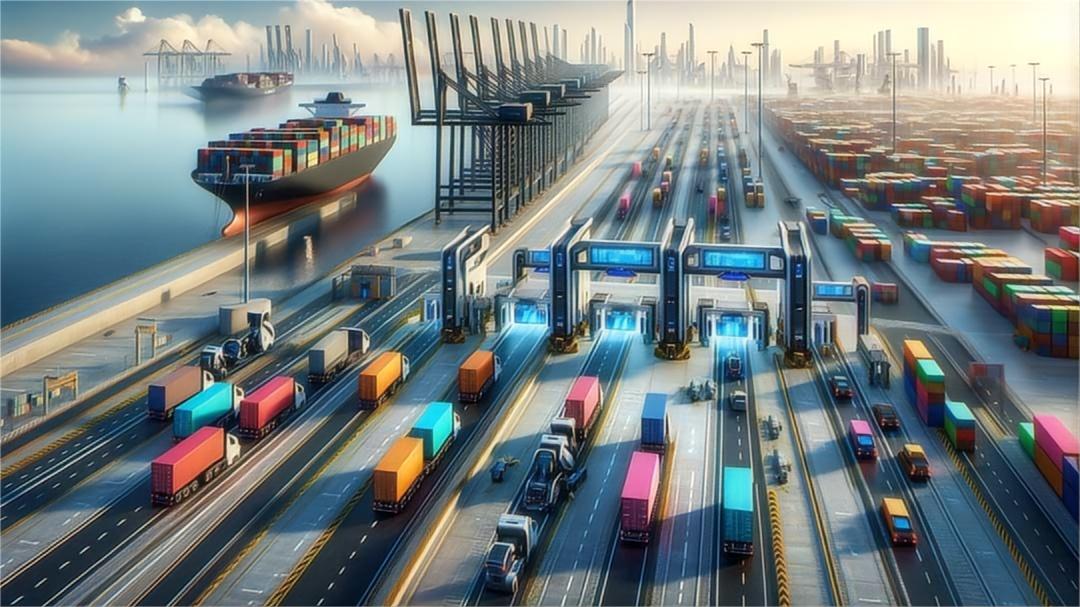
40HQ FCL Container Shortage Solution for Electronics from China to California
Shipping electronics requires precision and speed, yet the ongoing 40HQ FCL container shortage solution for electronics from China to California remains a significant hurdle for many importers. Navigating these logistics challenges requires a partner like Top China Freight to ensure your supply chain stays resilient. Therefore, understanding the root causes and implementing strategic workarounds is essential for maintaining your delivery schedules. This guide explores how to secure equipment and optimize transit times in a volatile market.
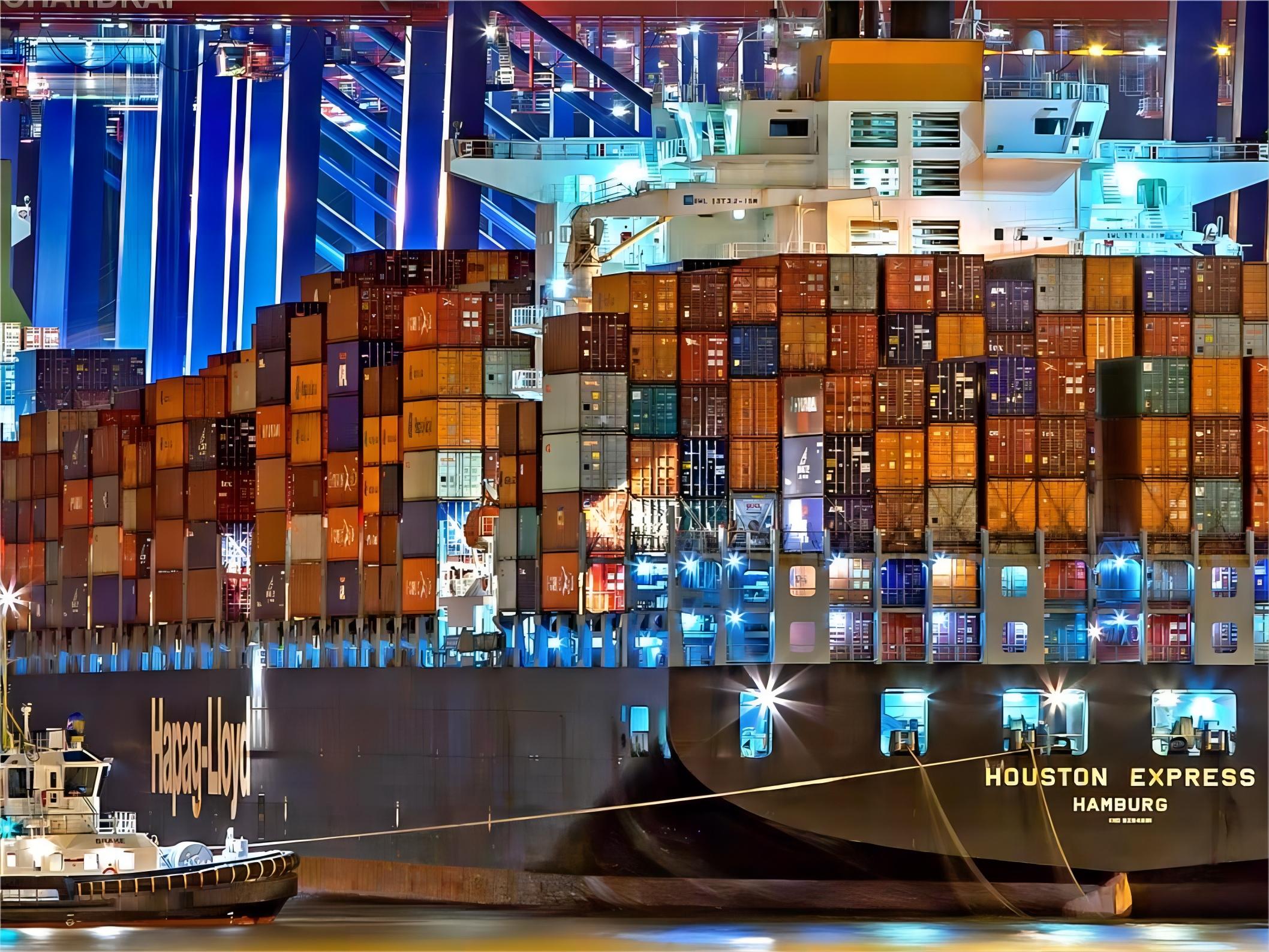
What is the 40HQ FCL Container Shortage Solution for Electronics from China to California?
The current logistics landscape often leaves electronics manufacturers struggling to find available high-cube containers. Consequently, businesses must adopt a proactive 40HQ FCL container shortage solution for electronics from China to California to avoid costly delays. This involves looking beyond traditional booking methods and exploring flexible equipment options.
Moreover, the demand for electronics typically peaks during the second half of the year, further straining the available supply of 40HQ units. Importers must understand that equipment imbalances at major Chinese ports like Shenzhen and Ningbo can fluctuate weekly. Therefore, staying informed about real-time equipment availability is the first step toward a successful shipment.
Additionally, the high value of electronics makes them sensitive to transit time variations and handling risks. As a result, many shippers are turning to premium sea freight services that guarantee equipment and space. These services often provide a more reliable 40HQ FCL container shortage solution for electronics from China to California than standard bookings.
Why Electronics Shippers Face Unique Challenges in Container Sourcing
Electronics are often lightweight but voluminous, making the 40HQ container the most cost-effective choice for maximizing space. However, when these units are in short supply, shippers must decide between waiting for a 40HQ or using multiple smaller containers. This decision directly impacts the total landed cost and the efficiency of the supply chain.
Furthermore, electronics require clean, dry, and secure environments to prevent damage from moisture or theft. High-cube containers offer the necessary volume and structural integrity for specialized packaging used in the tech industry. Nevertheless, the competition for these units is fierce among various industries, leading to frequent shortages.
Specifically, the route from China to the West Coast of the United States is one of the busiest in the world. This high volume often leads to equipment being stuck at destination ports in California rather than returning to China. Consequently, the lack of empty 40HQ containers at Chinese loading ports remains a persistent issue for electronics exporters.
Strategic Equipment Alternatives: 20GP and 40GP vs 40HQ
When the 40HQ FCL container shortage solution for electronics from China to California requires immediate action, using 40GP or 20GP containers is a viable alternative. While the internal height is lower, these standard units are often more readily available at the port. For example, two 20GP containers can sometimes be secured faster than a single 40HQ during peak shortages.
In addition, shippers should analyze their packing configurations to see if goods can fit into a standard 40GP container. Although you lose approximately 300 cubic feet of space, the trade-off is often a faster departure and more predictable schedule. Indeed, avoiding a two-week wait for a high-cube unit can save more in market opportunity than the extra freight cost.
To help you decide, consider the following comparison of standard container specifications used for electronics shipments.
| Container Type | Capacity (CBM) | Best For | Availability |
|---|---|---|---|
| 40HQ (High Cube) | 76 CBM | Voluminous tech goods | Often Limited |
| 40GP (General) | 67 CBM | Standard boxed goods | Generally Stable |
| 20GP (General) | 33 CBM | Dense/Heavy components | High Availability |
| 45HQ (Extra High) | 86 CBM | Ultra-high volume | Very Scarce |
How Does 40HQ FCL Compare to Other Shipping Options?
Choosing the right shipping method depends on your budget, volume, and urgency. While FCL is the standard, other options might serve as a temporary 40HQ FCL container shortage solution for electronics from China to California. For instance, LCL (Less than Container Load) allows you to ship smaller batches without waiting for a full container to become available.
On the other hand, North America bound shipments can also utilize air freight for high-priority product launches. Although the cost per kilogram is significantly higher, the transit time is reduced from weeks to days. This is particularly useful for high-value items like microchips or smartphones where time-to-market is critical.
Furthermore, some shippers utilize sea-air hybrid solutions to balance cost and speed. This involves shipping by sea to a hub like Dubai or Korea and then flying the goods to California. The following table provides an objective analysis of these alternatives for the China-California route.
| Shipping Method | Cost Range | Transit Time | Best For |
|---|---|---|---|
| Sea FCL (40HQ) | $2,800 – $3,800 | 14-18 Days | Bulk Electronics |
| Sea LCL | $50 – $100/CBM | 18-22 Days | Small Inventories |
| Air Freight | $5.00 – $8.50/KG | 3-7 Days | Urgent Tech |
| Express Service | $8.00 – $12.00/KG | 2-5 Days | Samples/Small Parts |
Which Option Should You Choose? Decision Framework
Determining the best 40HQ FCL container shortage solution for electronics from China to California requires a clear set of priorities. If your primary goal is budget, you should stick with sea freight but remain flexible with container types. Conversely, if your product launch date is fixed, air freight or premium ocean services are more appropriate.
Consider the following criteria for your decision-making process. For shipments over 15 CBM, FCL is usually more economical than LCL. However, if no 40HQ is available and your volume is 60 CBM, using a 40GP is a smarter choice than waiting indefinitely. Additionally, always factor in the cost of inventory holding when calculating the impact of shipping delays.
Ultimately, the choice depends on your specific cargo type and volume thresholds. High-density items like cables or batteries may fit better in a 20GP, whereas light items like empty computer cases require the volume of a 40HQ. Note: Freight rates are subject to change based on fuel costs, carrier capacity, and seasonal demand. Contact us for a current quote tailored to your specific shipment.
Case Study 1: Overcoming Shortages for Consumer Electronics
Case Study 1: Shenzhen to Los Angeles Tech Shipment. A leading manufacturer needed to ship 65 CBM of smartphones from Shenzhen to Los Angeles during a peak equipment shortage. The original plan for a 40HQ was delayed by three weeks due to lack of equipment.
Route: Shenzhen, China to Los Angeles, USA. Cargo: Smartphones, 65 CBM, 12,500 kg. Container: 40HQ. Shipping Details: Carrier: COSCO. Port of Loading: Shenzhen. Port of Discharge: Los Angeles. Route Type: Direct.
Cost Breakdown: Ocean Freight: $3,450. Origin Charges: $450. Destination Charges: $600. Customs and Duties: $1,200. Total Landed Cost: $5,700. Timeline: Booking to Loading: 5 days. Sea Transit: 15 days. Customs Clearance: 2 days. Total Door-to-Door: 22 days. Key Insight: By using a premium booking service, the shipper secured one of the few available 40HQ units in Shenzhen, avoiding a month-long backlog.
Case Study 2: Utilizing 40GP Substitution for Electronics Components
Case Study 2: Ningbo to Long Beach Component Delivery. A distributor of circuit boards faced a 40HQ shortage in Ningbo. Instead of waiting, they opted for a 40GP container, which was available for immediate loading.
Route: Ningbo, China to Long Beach, USA. Cargo: Circuit Boards, 58 CBM, 18,000 kg. Container: 40GP. Shipping Details: Carrier: Maersk. Port of Loading: Ningbo. Port of Discharge: Long Beach. Route Type: Direct.
Cost Breakdown: Ocean Freight: $3,100. Origin Charges: $400. Destination Charges: $550. Customs and Duties: $2,500. Total Landed Cost: $6,550. Timeline: Booking to Loading: 2 days. Sea Transit: 14 days. Customs Clearance: 3 days. Total Door-to-Door: 19 days. Key Insight: Choosing a 40GP allowed the cargo to depart on the next available vessel, saving 12 days of transit time compared to waiting for a 40HQ.
Ensuring Smooth Customs Clearance for California Imports
A robust 40HQ FCL container shortage solution for electronics from China to California must also address the complexities of customs. Navigating the regulations of the U.S. Customs and Border Protection (CBP) is vital to avoid additional delays at the Port of Los Angeles or Long Beach. Therefore, working with an experienced customs brokerage is highly recommended.
Moreover, electronics are often subject to specific duties and tariffs, such as Section 301 duties on Chinese goods. Ensuring that your HTS codes are accurate can prevent audits and costly penalties. Consequently, importers should prepare all documentation, including the commercial invoice and packing list, well in advance of the vessel’s arrival.
In addition, the ISF (Importer Security Filing) must be filed at least 24 hours before the cargo is loaded in China. Failure to comply with this requirement can lead to significant fines and cargo holds. Without a doubt, meticulous attention to detail during the documentation phase is just as important as securing the physical container.
| Document Name | Required By | Purpose | Timing |
|---|---|---|---|
| ISF (10+2) | U.S. Customs | Security Screening | 24hrs before loading |
| Commercial Invoice | All Parties | Value & Tax Basis | At time of booking |
| Packing List | Warehouse/CBP | Content Verification | At time of loading |
| Bill of Lading | Carrier | Contract of Carriage | After departure |
Leveraging Amazon FBA for Electronics Distribution in California
Many electronics sellers use California as a primary entry point for their Amazon FBA operations. Because of its proximity to major ports, California-based fulfillment centers offer faster delivery times to West Coast customers. However, Amazon has strict requirements for how containers are packed and labeled, which must be followed to avoid rejection.
Furthermore, when a 40HQ container is unavailable, sellers might consider shipping LCL directly to an Amazon warehouse. While this involves more handling, it can be a faster route to getting products back in stock. Additionally, some logistics providers offer transloading services, where goods are moved from sea containers to domestic trucks for final delivery.
Specifically, transloading can help bypass port congestion by moving goods quickly out of the terminal. This strategy is particularly effective when the 40HQ FCL container shortage solution for electronics from China to California involves using non-standard equipment that needs to be returned to the port quickly. Ultimately, a flexible distribution strategy is key to tech industry success.
Mastering Your Electronics Supply Chain
In conclusion, finding a 40HQ FCL container shortage solution for electronics from China to California requires a combination of flexibility, early planning, and expert partnerships. By considering alternative container sizes like 40GP and 20GP, you can avoid the bottlenecks that plague high-cube availability. Moreover, integrating air freight or LCL for urgent needs ensures that your customers are never left waiting.
As market conditions continue to evolve, staying informed about logistics trends and equipment availability will remain a competitive advantage. Partnering with a dedicated freight forwarder allows you to focus on your core business while the experts handle the complexities of global trade. Start optimizing your electronics shipping strategy today to ensure long-term growth and stability.
Ready to streamline your logistics?
Are you struggling to find equipment for your next tech shipment? Contact Top China Freight today for a reliable 40HQ FCL container shortage solution for electronics from China to California. Our team is ready to help you secure space and optimize your logistics costs. Visit our website to request a custom quote or See: Visit https://Top China Freight.com/ for more information. Send Inquiry link: Visit https://Top China Freight.com/
Request Quote