

40GP FCL Space Availability for Electronics: China to Germany
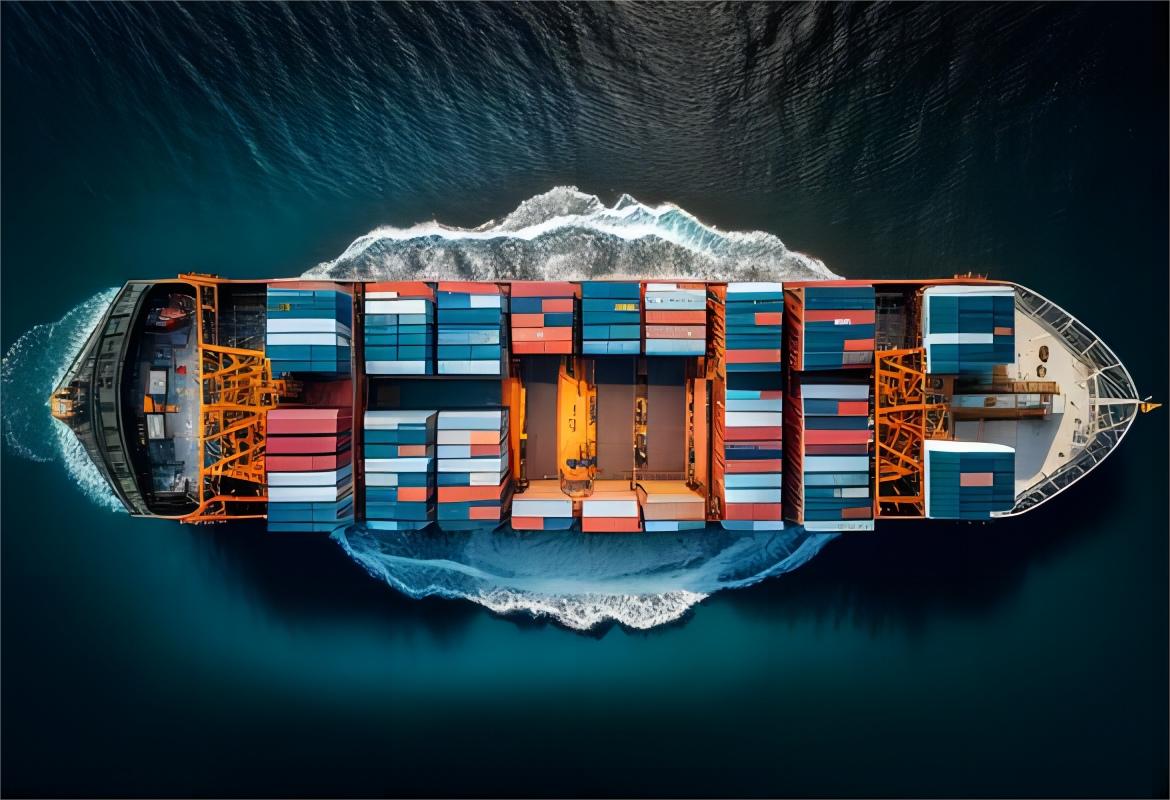
Finding reliable Top China Freight services is essential for modern businesses navigating international trade. Securing 40GP FCL space availability for electronics from China to Germany requires careful planning and deep market knowledge. This guide explores how to navigate current logistics challenges effectively while maintaining a stable supply chain for your high-value electronic components.
Understanding 40GP FCL Space Availability for Electronics from China to Germany
Consequently, shippers must understand that a 40GP container offers significant volume for bulk electronics. Most electronics manufacturers prefer sea freight because it provides the most cost-effective balance for large inventories. However, the current market for 40GP FCL space availability for electronics from China to Germany remains highly competitive due to fluctuating demand.
Furthermore, electronics require specific handling and environmental controls during transit to prevent damage. Shippers often choose the 40GP General Purpose container because it provides ample room for protective packaging and palletization. Nevertheless, securing space requires booking at least three to four weeks in advance of the planned departure date.
How Does 40GP FCL Compare to Other Shipping Options?
In addition to standard sea freight, businesses can explore rail freight as a viable alternative for faster delivery. While sea freight is the cheapest option, rail offers a middle ground in terms of both cost and speed. Specifically, rail transit from China to Germany takes approximately 18 to 22 days compared to 35 days by sea.
Moreover, air freight remains the fastest choice but carries a significantly higher price tag. This method is usually reserved for urgent prototypes or high-value small electronics that cannot wait for ocean transit. On the other hand, LCL shipping is suitable for smaller volumes but may face more delays during the consolidation and deconsolidation processes.
| Shipping Method | Cost Range | Transit Time | Best For |
|---|---|---|---|
| Sea Freight (40GP) | $2,800 – $3,800 | 30 – 40 Days | Bulk Electronics |
| Rail Freight | $4,500 – $6,000 | 18 – 22 Days | Mid-value Goods |
| Air Freight | $15,000 – $25,000 | 5 – 7 Days | Urgent Samples |
| LCL Shipping | $50 – $150/CBM | 35 – 45 Days | Small Inventories |
Factors Impacting 40GP FCL Space Availability for Electronics from China to Germany
Accordingly, several external factors influence how easily you can book a 40GP container. Seasonal peaks, such as the period leading up to the Golden Week in China, often cause a surge in demand. Consequently, space availability drops significantly during these times, leading to higher freight rates and potential rollovers.
Additionally, geopolitical events and port congestion in Europe can disrupt the regular flow of vessels. For instance, disruptions in the Red Sea have forced many carriers to reroute around the Cape of Good Hope. As a result, transit times have increased, and the overall capacity for the China-Germany route has become more constrained.
Key Routes and Transit Times for German Electronics Imports
Notably, most electronics shipments originate from major hubs like Shenzhen, Shanghai, and Ningbo. These ports offer the most frequent departures and the best 40GP FCL space availability for electronics from China to Germany. Most vessels arrive at German ports such as Hamburg, Bremerhaven, or Wilhelmshaven for efficient distribution.
Therefore, choosing the right port of loading can drastically affect your overall lead time. Many companies now opt for door to door services to simplify the complex logistics chain. This comprehensive approach ensures that the cargo is managed from the factory floor directly to the German warehouse.
| Origin Port | Destination Port | Average Transit | Service Type |
|---|---|---|---|
| Shenzhen | Hamburg | 28 – 32 Days | Direct |
| Shanghai | Bremerhaven | 32 – 35 Days | Direct |
| Ningbo | Wilhelmshaven | 35 – 38 Days | Transshipment |
| Qingdao | Hamburg | 35 – 40 Days | Direct |
Cost Analysis for Shipping Electronics in a 40GP Container
Indeed, understanding the total landed cost is vital for maintaining healthy profit margins in the electronics industry. Ocean freight is just one component of the total expenditure. Shippers must also account for terminal handling charges, documentation fees, and local delivery costs within Germany.
Consequently, market rates for a 40GP container typically fluctuate between $2,800 and $4,200 depending on the season. During the Q4 peak season, rates may increase by 20 percent or more. To avoid surprises, businesses should always request a comprehensive quote that includes all potential surcharges and fees.

Managing Customs and Documentation for Electronics
Furthermore, navigating the regulatory environment in Germany requires precise documentation and compliance. Using a professional customs brokerage service can prevent costly delays at the border. Electronics are subject to specific EU regulations, including CE marking and WEEE directives, which must be clearly documented.
Specifically, your paperwork must include a commercial invoice, a detailed packing list, and the bill of lading. In addition, certificates of origin may be required to benefit from specific trade agreements. Failure to provide accurate information can lead to container inspections and significant storage fees at the port of discharge.
| Document Name | Purpose | Required By | Importance |
|---|---|---|---|
| Bill of Lading | Title of Goods | Carrier/Customs | Critical |
| Commercial Invoice | Valuation | Customs | Critical |
| Packing List | Cargo Detail | Warehouse/Customs | High |
| CE Certificate | EU Compliance | Market Authority | Mandatory |
Real-World Case Studies for China-Germany Electronics Shipments
Case Study 1: Smart Home Devices from Shenzhen to Hamburg. A mid-sized retailer needed to secure 40GP FCL space availability for electronics from China to Germany during the late summer peak. By booking 25 days in advance with a major carrier, they secured a rate of $3,200. The cargo arrived in Hamburg after 33 days, including a smooth customs clearance process.
Case Study 2: Industrial Sensors from Shanghai to Wilhelmshaven. This shipment involved high-precision electronics that required extra padding. The total door-to-door transit took 42 days due to a brief transshipment delay in Singapore. Despite the delay, the total landed cost remained within the budget of $4,100, demonstrating the stability of shipping from China to Europe using 40GP containers.
Strategies to Secure 40GP FCL Space During Peak Seasons
Meanwhile, savvy importers use several strategies to ensure they do not lose space during high-demand periods. One effective method is to sign long-term service contracts with freight forwarders to lock in capacity. Another approach involves using multiple ports of loading to find the best available vessel schedules.
Moreover, maintaining flexibility with your delivery dates can help you secure a spot on a vessel that others might overlook. If your production schedule allows, shipping a week earlier or later can sometimes result in significant cost savings. Therefore, communication with your logistics partner is the most important factor in securing reliable space.
Optimizing Your Electronics Supply Chain
To summarize, managing 40GP FCL space availability for electronics from China to Germany requires a proactive approach and a deep understanding of market trends. By choosing the right shipping method and preparing documentation in advance, you can avoid common pitfalls and ensure timely delivery.
Ultimately, partnering with an experienced freight forwarder provides the expertise needed to navigate complex logistics landscapes. Whether you are shipping consumer gadgets or industrial components, securing consistent 40GP FCL space availability for electronics from China to Germany is the cornerstone of a successful import business.
Ready to streamline your logistics?
Are you struggling to find reliable 40GP FCL space availability for electronics from China to Germany? Contact our expert logistics team today to secure your container and get a competitive quote tailored to your specific needs. Visit our website to send an inquiry and streamline your international supply chain now.
Request Quote