Flat Rack FCL container shortage solution for lighting from China to Belgium: Expert Guide
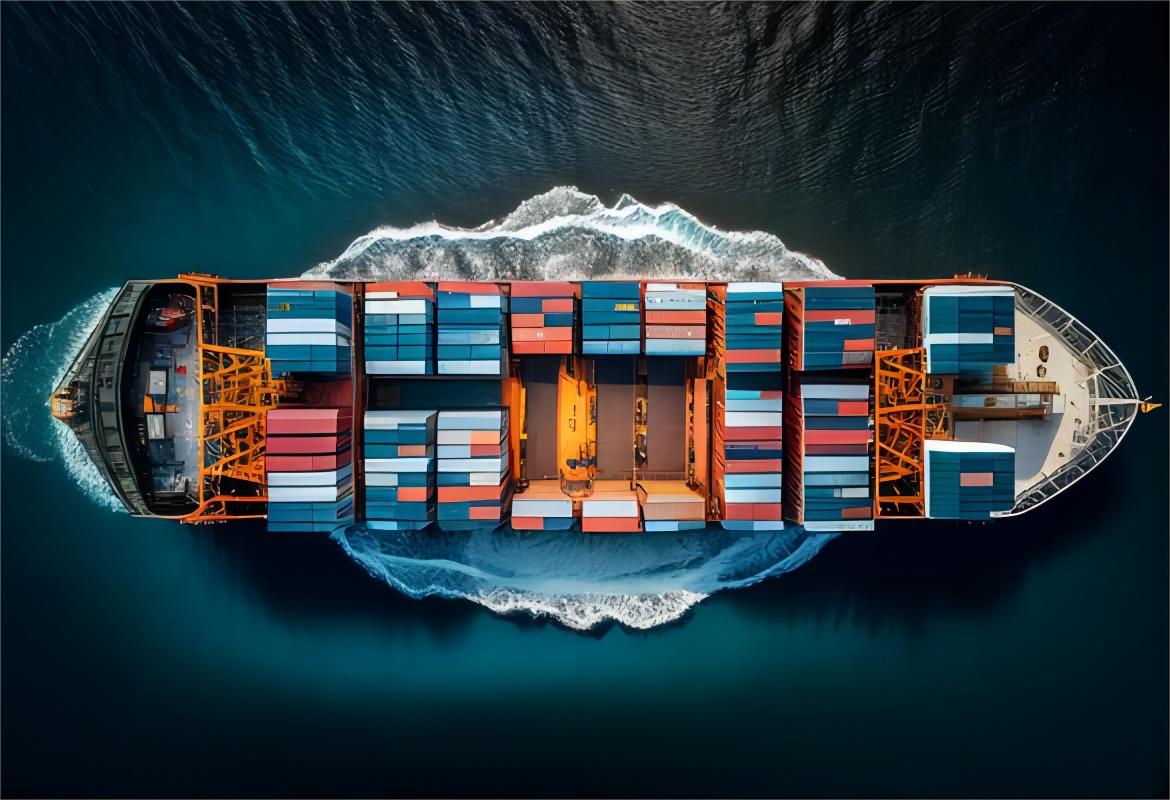
Finding a reliable Flat Rack FCL container shortage solution for lighting from China to Belgium is increasingly difficult for modern importers. Many businesses face significant delays due to the scarcity of specialized equipment at major shipping hubs like Shanghai and Ningbo. Consequently, partnering with Top China Freight allows you to navigate these equipment deficits with expert logistics planning and alternative routing strategies.
Understanding the Flat Rack FCL Container Shortage for European Routes
The current global logistics landscape often leaves lighting manufacturers struggling to secure specialized containers. Since flat racks are essential for oversized lighting fixtures that cannot fit into standard dry vans, any equipment imbalance leads to immediate bottlenecks. Moreover, the surge in infrastructure projects across Europe has increased the demand for these specific units.
Carriers often prioritize standard 40HQ containers because they are easier to stack and manage on large vessels. As a result, the availability of flat rack equipment fluctuates wildly depending on the season and port of origin. Businesses must understand that this shortage is not just a temporary glitch but a recurring challenge in the China-Belgium trade lane.
Developing a proactive strategy is the only way to ensure your lighting products reach Antwerp on time. This involves looking beyond traditional booking methods and exploring flexible equipment sourcing options. Additionally, maintaining close communication with freight forwarders helps in securing equipment as soon as it becomes available in the depot.
How Does Flat Rack FCL container shortage solution for lighting from China to Belgium Compare to Other Shipping Options?
When faced with a shortage, you must evaluate whether sea freight remains your best choice or if alternatives are more viable. Each method carries distinct trade-offs regarding cost, speed, and safety for fragile lighting components. For instance, while sea freight is generally more affordable, the lack of containers can push transit times beyond acceptable limits.
Comparing these options requires a detailed look at the total landed cost and the urgency of your delivery schedule. Some importers find that switching to breakbulk shipping is more effective for extremely large lighting installations. Meanwhile, others might opt for multi-modal solutions that bypass the most congested ports.
| Shipping Method | Cost Range | Transit Time | Best For | Limitations |
|---|---|---|---|---|
| Flat Rack FCL | $3,500 – $5,500 | 35-45 Days | Oversized Lighting | Equipment Scarcity |
| Breakbulk | $4,500 – $7,000 | 40-50 Days | Massive Projects | Complex Handling |
| Open Top FCL | $3,200 – $5,000 | 35-42 Days | Tall Fixtures | Width Constraints |
| LCL Consolidation | $150 – $300/CBM | 40-45 Days | Small Parts | Not for Oversized |
Technical Alternatives: Open Top Containers and Breakbulk Solutions
If a flat rack is unavailable, an open top container might be a suitable alternative for tall lighting crates. These units allow for overhead loading while maintaining the structural side walls of a standard container. However, this solution only works if your cargo does not exceed the standard width of 2.35 meters.
Breakbulk shipping represents another powerful Flat Rack FCL container shortage solution for lighting from China to Belgium. In this scenario, the lighting equipment is loaded directly into the hold of a vessel without being placed inside a container. Furthermore, this method is ideal for industrial street lighting or large stadium fixtures that exceed all standard container dimensions.
Choosing breakbulk requires specialized knowledge of cargo lashing and securing to prevent damage during sea transit. Consequently, you should ensure your logistics partner has experience in handling non-containerized goods. This approach often bypasses the equipment shortage entirely, though it may involve different port handling fees.
The Strategic Advantage of Rail Freight for Lighting Shipments
In recent years, rail freight has emerged as a reliable middle ground between sea and air transport. The Iron Silk Road connects major Chinese manufacturing hubs directly to European rail terminals such as Liege or Duisburg. Moreover, rail transit is often less affected by the specific container shortages that plague ocean carriers.
Transit times for rail are significantly shorter than sea freight, typically ranging from 18 to 22 days. This speed allows lighting companies to replenish their inventory in Belgium much faster than by boat. Additionally, the stability of rail transport reduces the risk of vibration damage to delicate glass or LED components.
While rail freight is more expensive than sea freight, the reduction in inventory carrying costs can offset the higher rates. Many importers utilize rail as a secondary strategy when ocean equipment is scarce. Indeed, having a diversified transport plan is essential for maintaining a consistent supply chain.
Navigating Customs and Compliance in the Belgian Market
Importing lighting into Belgium requires strict adherence to European Union safety and environmental standards. Professional customs brokerage services are vital for ensuring that all CE certifications and technical files are in order. Without correct documentation, your shipment may face expensive delays at the Port of Antwerp.
Customs officials in Belgium pay close attention to the valuation of goods and the accuracy of the Harmonized System codes used. Furthermore, specific anti-dumping duties may apply to certain types of lighting products manufactured in China. Therefore, verifying these details before the cargo leaves the factory is a critical step in your logistics process.
Properly classifying your oversized lighting fixtures ensures you pay the correct amount of duty and VAT. Additionally, preparing a comprehensive packing list that details the dimensions and weight of each component helps facilitate a smooth inspection. Consequently, a well-prepared shipment is much less likely to be flagged for manual review.
| Document Name | Purpose | Issuer | Requirement |
|---|---|---|---|
| Commercial Invoice | Value Declaration | Exporter | Mandatory |
| Packing List | Cargo Details | Exporter | Mandatory |
| CE Certificate | Safety Compliance | Manufacturer | Mandatory for EU |
| Bill of Lading | Title of Goods | Carrier | Mandatory |
Which Option Should You Choose? A Decision Framework
Selecting the right Flat Rack FCL container shortage solution for lighting from China to Belgium depends on three primary factors: budget, urgency, and cargo dimensions. If your budget is the priority and the cargo is slightly oversized, waiting for a flat rack remains the most economical choice. However, if the project deadline is approaching, you must consider faster alternatives.
For shipments that are extremely time-sensitive, a door to door service combining rail and truck might be the most effective route. This minimizes handling and ensures the lighting reaches the final installation site without unnecessary transfers. Meanwhile, industrial-scale projects should look toward breakbulk for maximum flexibility.
Large-scale lighting importers often benefit from a hybrid approach where the majority of the order moves via sea, while urgent components are sent via air or rail. This strategy balances cost and speed while mitigating the risks associated with equipment shortages. Always consult with your freight forwarder to determine the current availability of equipment before making a final booking.
Case Study 1: Large Decorative Chandeliers from Ningbo to Antwerp
Route: Ningbo, China to Antwerp, Belgium
Cargo: Custom decorative chandeliers, 18 CBM, 2,500 kg
Container: 20ft Flat Rack (initially planned), switched to 40ft Open Top
Shipping Details:
– Carrier/Service: Major carrier via direct sea route
– Port of Loading: Ningbo
– Port of Discharge: Antwerp
– Total Landed Cost: $4,850
Timeline:
– Booking to Loading: 12 days (due to flat rack shortage)
– Sea Transit: 34 days
– Total Door-to-Door: 52 days
Key Insight: By switching to an Open Top container when the Flat Rack was unavailable, the client saved 3 weeks of waiting time at the port.
Case Study 2: Industrial Street Lighting from Shenzhen to Zeebrugge
Route: Shenzhen, China to Zeebrugge, Belgium
Cargo: 500 sets of industrial street lights, 45 CBM, 8,000 kg
Container: 2 x 40HQ (standard) + 1 x 40ft Flat Rack (oversized poles)
Shipping Details:
– Carrier/Service: COSCO direct service
– Port of Loading: Shenzhen
– Port of Discharge: Zeebrugge
– Total Landed Cost: $12,400
Timeline:
– Booking to Loading: 7 days
– Sea Transit: 32 days
– Total Door-to-Door: 45 days
Key Insight: Splitting the shipment between standard HQ containers and a single flat rack for the poles optimized costs while ensuring the oversized components were handled correctly. This was based on Q4 2024 market rates.
Logistics Trends and Future Outlook for Shipping to Europe
The shipping industry is moving toward greater digitalization and real-time tracking of specialized equipment. As we look toward 2025, carriers are expected to invest more in specialized container fleets to meet the needs of the renewable energy and lighting sectors. Consequently, the severity of the Flat Rack FCL container shortage solution for lighting from China to Belgium may fluctuate as new equipment enters the market.
Sustainability is also becoming a major factor in Europe, with Belgian ports implementing stricter environmental regulations. Importers who choose eco-friendly transport options or optimized routing may find themselves with better access to berthing slots and equipment. Furthermore, the integration of AI in logistics planning is helping forwarders predict equipment shortages before they happen.
Staying informed about these trends allows you to adjust your procurement cycles and shipping schedules accordingly. It is also wise to maintain a buffer in your delivery timelines to account for potential port congestion or seasonal peaks. Indeed, the most successful importers are those who remain flexible and well-informed about the global freight market.
Solving the Equipment Shortage Challenge
Navigating the Flat Rack FCL container shortage solution for lighting from China to Belgium requires a combination of strategic planning and technical flexibility. By considering alternatives like open top containers, rail freight, or breakbulk shipping, you can avoid the delays that trap less-prepared competitors. Moreover, understanding the customs landscape in Belgium ensures your goods clear the port without expensive setbacks.
Ultimately, the key to success lies in partnering with an experienced logistics provider who can offer multiple routing options and equipment sources. As market conditions continue to evolve, staying adaptable will remain your greatest competitive advantage in the lighting industry. Note: Freight rates are subject to change based on fuel costs, carrier capacity, and seasonal demand. Contact us for a current quote tailored to your specific shipment.
Ready to streamline your logistics?
Are you struggling to find a Flat Rack FCL container shortage solution for lighting from China to Belgium? Contact the experts at Top China Freight today to secure your equipment and streamline your European supply chain. Visit our website to request a personalized quote and ensure your lighting products arrive on time and within budget.
Request Quote