

40GP FCL Tracking for Auto Parts from China to Ireland Guide
Managing international logistics requires precision and reliable data to ensure your supply chain remains efficient. When you partner with Top China Freight, you gain access to expert solutions designed to simplify the complexities of global trade. This guide explores the essential aspects of 40GP FCL tracking for auto parts from China to Ireland to help you optimize your shipping strategy.

Understanding 40GP FCL Tracking for Auto Parts from China to Ireland
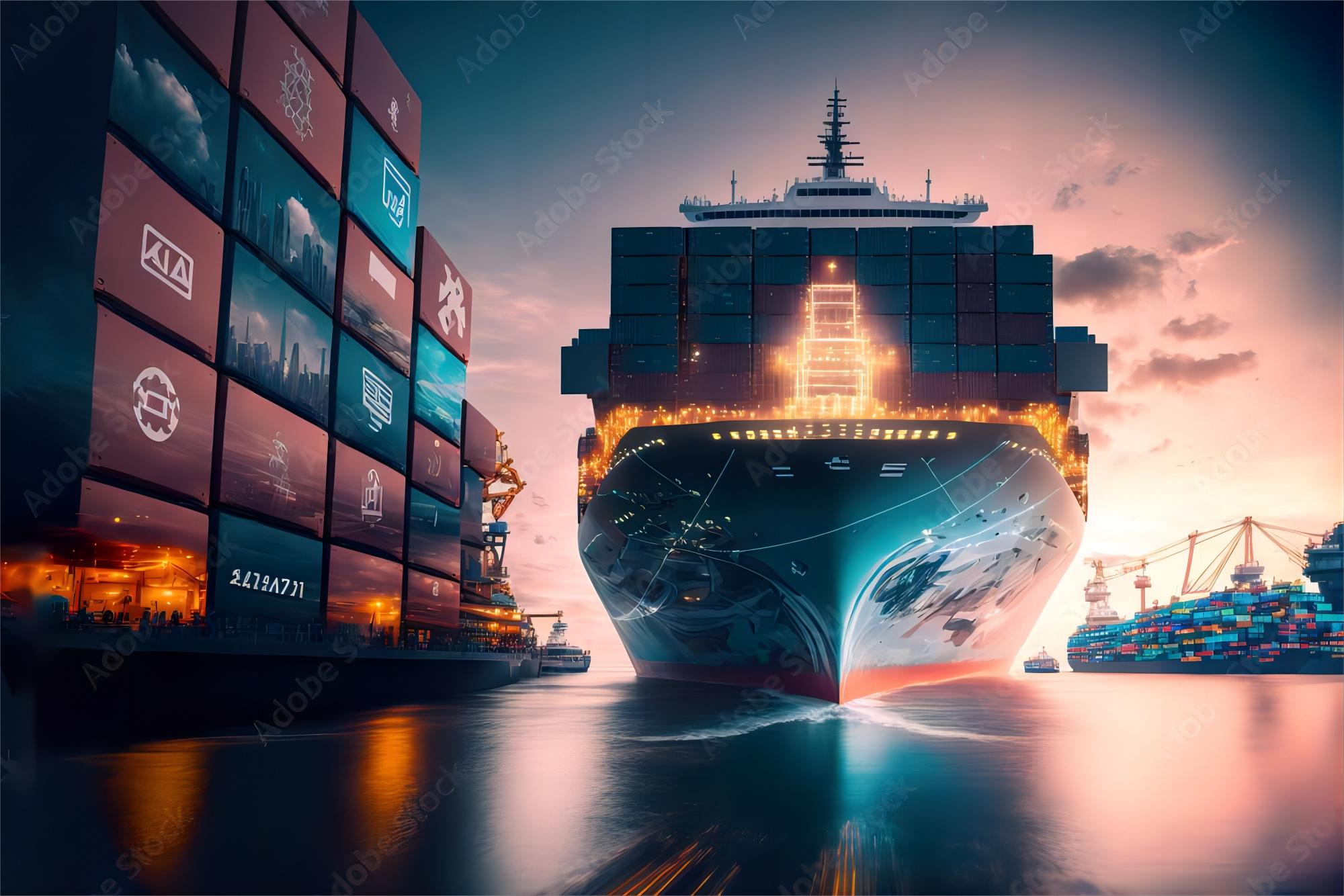
Specifically, 40GP FCL tracking for auto parts from China to Ireland involves monitoring the movement of a 40-foot General Purpose container from major Chinese ports to Irish destinations like Dublin or Cork. This process provides transparency and allows importers to anticipate arrival dates with high accuracy. Consequently, businesses can better manage their inventory levels and meet the demands of the local automotive aftermarket.
Moreover, the use of Full Container Load (FCL) services ensures that your vehicle parts are not co-mingled with other shippers’ goods, reducing the risk of damage. Utilizing sea freight remains the most cost-effective method for transporting high-volume automotive components over long distances. As a result, tracking becomes a vital tool for maintaining supply chain visibility and operational efficiency.
The Importance of Real-Time Visibility
Furthermore, real-time visibility allows logistics managers to react quickly to potential delays caused by weather or port congestion. Having access to precise location data ensures that all stakeholders remain informed throughout the transit period. Therefore, investing in robust tracking software or working with a transparent forwarder is essential for modern automotive logistics.
Why Choose 40GP FCL for Automotive Components?
Choosing a 40GP container offers a significant amount of space, which is ideal for bulky items such as engines, transmissions, or body panels. Indeed, the 40GP container provides approximately 67 cubic meters of space, making it a versatile choice for diverse cargo loads. Additionally, FCL shipments generally face fewer handling stages compared to Less than Container Load (LCL) options, which minimizes the likelihood of structural damage to sensitive parts.
Meanwhile, the security of a sealed container provides peace of mind when shipping high-value automotive electronics or precision-engineered components. Because the container remains closed from the point of origin to the final destination, the risk of theft or tampering is significantly lowered. Consequently, many Irish importers prefer this method for its balance of security and cost-efficiency.
Essential Documentation for Irish Customs Clearance
Navigating the legal requirements for importing goods into the European Union requires meticulous attention to detail. Specifically, you must provide a commercial invoice, a detailed packing list, and a Bill of Lading to facilitate smooth entry. Furthermore, hiring a professional for customs brokerage can prevent costly delays at the Irish border.
In addition, auto parts often require specific certifications to prove compliance with EU safety and environmental standards. For instance, certain components may need an E-mark certification to be legally sold or used within Ireland. Therefore, ensuring all paperwork is prepared well in advance of the vessel’s arrival is a critical step in the logistics process.
| Document Type | Purpose | Required By | Typical Format |
|---|---|---|---|
| Bill of Lading | Title of goods and contract of carriage | Carrier / Customs | Digital or Original Paper |
| Commercial Invoice | Valuation for duties and taxes | Irish Revenue | Standard Business Invoice |
| Packing List | Detailed breakdown of container contents | Port Authorities | Itemized Spreadsheet |
| Certificate of Origin | Verification of manufacturing source | Customs Clearance | Chamber of Commerce Doc |
How Does 40GP FCL Compare to Other Shipping Options?
While sea freight is the primary choice for many, it is important to analyze how it stands against alternatives like air or rail. For example, shipping from China to Europe via sea is significantly cheaper than air transport but takes much longer. On the other hand, air freight is reserved for urgent shipments where speed justifies the high expense.
In contrast, sea-rail hybrid solutions have emerged as a middle ground for those looking to balance cost and speed. However, for a direct island nation like Ireland, the final leg often requires a feeder vessel or ferry from mainland Europe. Consequently, the 40GP FCL remains the most stable and predictable method for large-scale automotive imports.
| Shipping Method | Cost Range (USD) | Transit Time | Best For |
|---|---|---|---|
| 40GP FCL Sea | $3,200 – $4,500 | 30 – 40 Days | Bulk auto parts, stock replenishment |
| Air Freight | $15,000 – $25,000 | 5 – 8 Days | Urgent repairs, high-value electronics |
| LCL Sea | $80 – $150 per CBM | 35 – 45 Days | Small trial orders, samples |
| Express Courier | $8 – $15 per kg | 3 – 5 Days | Small spare parts, sensors |
Transit Times and Route Planning for Ireland
Generally, the transit time from major Chinese hubs like Shanghai or Shenzhen to Dublin Port ranges between 30 and 40 days. Factors such as the specific shipping line, the number of transshipment stops, and current sea conditions can influence this duration. Moreover, choosing a door to door service can simplify the process by handling the inland haulage in both China and Ireland.
Specifically, most vessels will travel through the Suez Canal before reaching major European transshipment hubs like Rotterdam or Antwerp. From there, the container is loaded onto a smaller feeder vessel destined for Dublin, Cork, or Belfast. Therefore, understanding the full route is essential for accurate 40GP FCL tracking for auto parts from China to Ireland.
Cost Factors and Market Trends in 2025
As of early 2025, freight rates have remained relatively stable following the disruptions of previous years. However, seasonal demand during the lead-up to the Chinese New Year or the Q4 peak season can cause prices to fluctuate. Additionally, fuel surcharges and port handling fees contribute to the total landed cost of your automotive cargo.
To summarize, businesses should budget for both the ocean freight and the local destination charges in Ireland. These destination charges include terminal handling, documentation fees, and customs clearance costs. Without a doubt, maintaining a clear breakdown of these expenses is vital for accurate financial planning and pricing of your products.
| Cost Component | Estimated Range | Frequency | Notes |
|---|---|---|---|
| Ocean Freight | $3,200 – $4,200 | Per Container | Subject to monthly GRI |
| Origin THC | $150 – $300 | Per Shipment | Terminal handling in China |
| Irish Customs Duty | 3% – 10% | Of Cargo Value | Depends on HS Code |
| Irish VAT | 23% | Of Landed Cost | Standard Irish rate |

Real-World Case Studies for Auto Parts Shipping
Examining real-world examples provides valuable insight into the practicalities of international shipping. Below are two scenarios based on typical market conditions in late 2024 and early 2025.
Case Study 1: Shanghai to Dublin Route: Shanghai, China to Dublin, Ireland Cargo: Suspension kits and brake discs, 58 CBM, 18,000 kg Container: 40GP FCL Shipping Details: – Carrier: COSCO – Port of Loading: Shanghai – Port of Discharge: Dublin – Route Type: Transshipment via Rotterdam Cost Breakdown: – Ocean Freight: $3,650 – Origin Charges: $280 – Destination Charges: $450 – Customs Duties: $1,200 – Total Landed Cost: $5,580 Timeline: – Booking to Loading: 5 days – Sea Transit: 34 days – Customs Clearance: 2 days – Total Door-to-Door: 41 days Key Insight: Early booking allowed the importer to lock in a lower rate before the mid-month increase.
Case Study 2: Ningbo to Cork Route: Ningbo, China to Cork, Ireland Cargo: Engine components and gaskets, 62 CBM, 15,500 kg Container: 40GP FCL Shipping Details: – Carrier: Maersk – Port of Loading: Ningbo – Port of Discharge: Cork – Route Type: Direct to Europe with feeder to Cork Cost Breakdown: – Ocean Freight: $3,900 – Origin Charges: $310 – Destination Charges: $520 – Customs Duties: $2,100 – Total Landed Cost: $6,830 Timeline: – Booking to Loading: 7 days – Sea Transit: 38 days – Customs Clearance: 3 days – Total Door-to-Door: 48 days Key Insight: Using a feeder service directly to Cork saved on inland trucking costs from Dublin, despite a slightly longer transit time.
Which Option Should You Choose?
Determining the best shipping strategy depends on your specific business priorities and the nature of your cargo. If your primary goal is cost reduction and you are moving large volumes of stock, the 40GP FCL is the clear winner. However, if you are launching a new product line and only have a few pallets, express service might be more appropriate for initial samples.
Moreover, consider the urgency of your inventory needs. For stock replenishment where lead times are managed, sea freight is ideal. Conversely, if a production line in Ireland is halted due to a missing part, the high cost of air freight becomes a necessary investment to prevent further losses. Consequently, a hybrid approach often works best for growing automotive businesses.
Alternative Strategies for Cost Savings
Implementing cost-saving strategies can significantly improve your bottom line over time. For instance, consolidating shipments from multiple suppliers into a single 40GP container can reduce the per-unit shipping cost. Additionally, negotiating long-term contracts with freight forwarders can provide protection against sudden market volatility.
Furthermore, optimizing your packaging to maximize the use of the 67 CBM available in a 40GP container ensures you are not paying to ship air. Meanwhile, staying informed about tariff changes and trade agreements between China and the EU can help you take advantage of lower duty rates. Therefore, a proactive approach to logistics management is essential for long-term success.
Final Thoughts on Automotive Logistics
To summarize, successful 40GP FCL tracking for auto parts from China to Ireland requires a combination of reliable data, proper documentation, and strategic planning. By understanding the transit routes, cost structures, and customs requirements, you can navigate the complexities of international trade with confidence.
Indeed, the automotive industry relies on precision, and your logistics should be no different. Choosing the right container size and shipping method will ensure your business remains competitive in the Irish market. Whether you are shipping engines or small sensors, maintaining visibility over your cargo is the key to operational excellence.

Ready to streamline your logistics?
Streamline your automotive supply chain today with professional logistics support. Our team provides comprehensive 40GP FCL tracking for auto parts from China to Ireland to ensure your cargo arrives safely and on time. Visit Top China Freight to request a personalized quote and optimize your shipping strategy now. Send Inquiry: https://Top China Freight.com/contact-us/
Request Quote