

China FCL cargo inspection to Long Beach: The Complete Guide
Shipping goods from Asia to the United States requires a deep understanding of port protocols and security measures. Top China Freight specializes in managing every detail of your China FCL cargo inspection to Long Beach to ensure your supply chain remains uninterrupted. Navigating the complexities of US Customs and Border Protection can be daunting for many importers, yet proper preparation makes the process seamless.
What is China FCL Cargo Inspection to Long Beach?
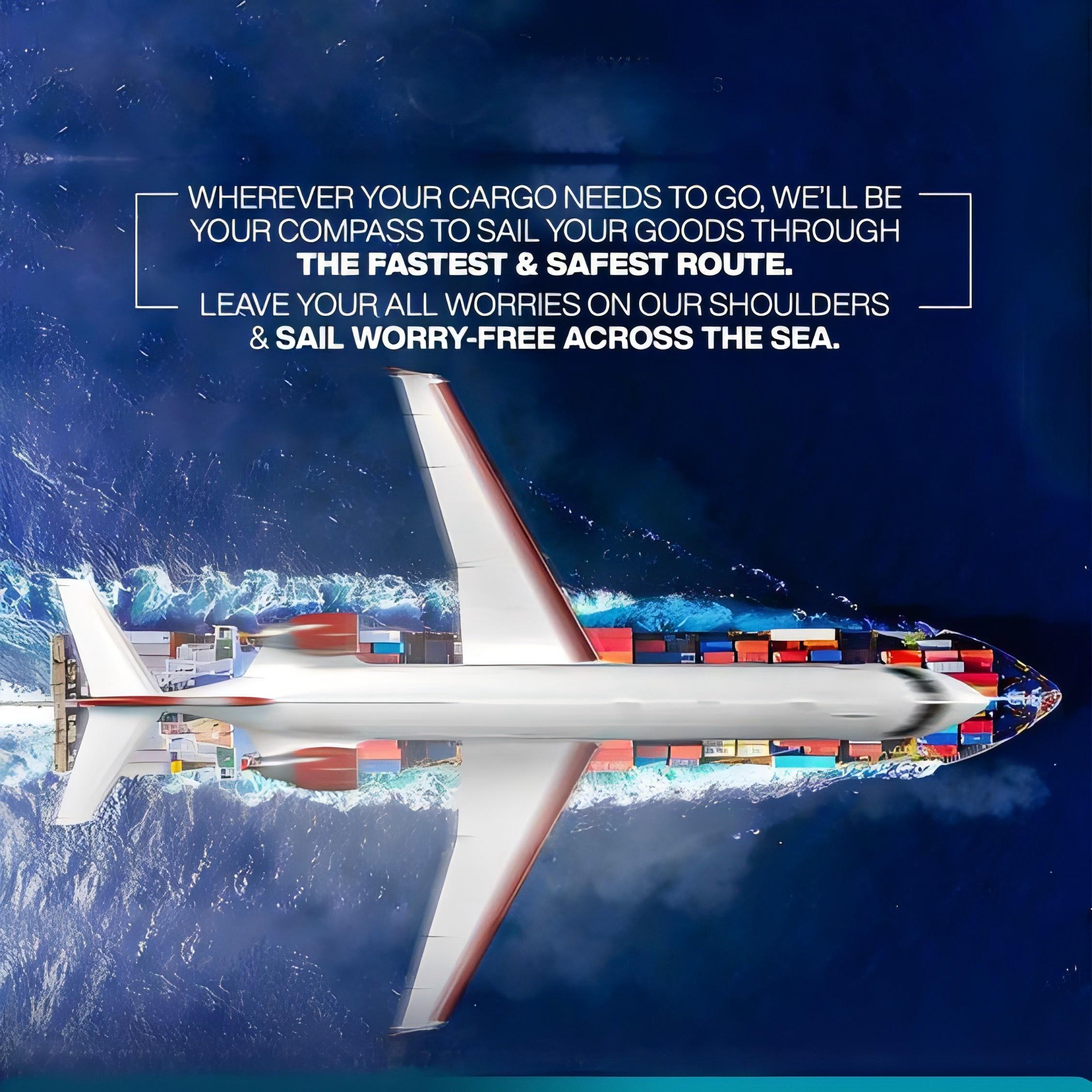
Full Container Load (FCL) shipping is the most common method for transporting large volumes of goods across the Pacific. When your container arrives at the Port of Long Beach, it may be selected for a China FCL cargo inspection to Long Beach by US Customs authorities. This process involves verifying that the contents match the manifest and comply with all safety regulations.
Moreover, the Port of Long Beach is one of the busiest gateways in the world, handling millions of TEUs annually. Consequently, the high volume of traffic necessitates rigorous security screenings to prevent the entry of prohibited items. Understanding these procedures is essential for maintaining an efficient sea freight strategy.
Furthermore, inspections can range from simple document reviews to intensive physical examinations of the entire container. While most shipments pass through without issue, being selected for an exam can add both time and cost to your delivery schedule. Therefore, working with experienced logistics partners is the best way to mitigate these potential hurdles.
Why Does China FCL Cargo Inspection to Long Beach Happen?
Customs officials use a variety of criteria to flag containers for examination, including the type of commodity and the shipper’s history. For instance, certain high-risk goods or new importers are more likely to undergo a China FCL cargo inspection to Long Beach. Additionally, random samplings are conducted to ensure overall compliance with trade laws.
Utilizing a professional customs brokerage service can significantly reduce the likelihood of errors that trigger flags. Indeed, accurate paperwork and transparent labeling are your first line of defense against unnecessary delays. Nevertheless, even the most compliant shippers must be prepared for the possibility of a government-mandated exam.
Meanwhile, technological advancements like X-ray scanners have made the initial screening process much faster than in previous decades. These non-intrusive inspections allow authorities to peer inside containers without breaking the seal. If the scan reveals discrepancies, a more thorough physical inspection will follow immediately.
How Does Sea Freight Compare to Other Shipping Options?
Choosing the right transportation mode depends on your budget, urgency, and cargo volume. While sea freight is the standard for FCL shipments to Long Beach, other alternatives exist for different business needs. For example, air freight offers unmatched speed but comes at a significantly higher price point.
In contrast, LCL (Less than Container Load) is suitable for smaller volumes but often faces longer processing times due to the consolidation and deconsolidation phases. To summarize, FCL remains the most cost-effective solution for large-scale importers who can fill an entire 20-foot or 40-foot container.
Below is a detailed comparison of the primary shipping methods available for the China to USA route.
| Shipping Method | Cost Range | Transit Time | Best For |
|---|---|---|---|
| FCL Sea Freight | $1,500 – $3,800 | 14 – 22 Days | Bulk goods and large inventory |
| LCL Sea Freight | $50 – $150 per CBM | 20 – 30 Days | Small shipments under 15 CBM |
| Air Freight | $5 – $12 per KG | 3 – 7 Days | High-value or urgent cargo |
| Express Service | $8 – $15 per KG | 2 – 5 Days | Samples and small parcels |
The Costs of China FCL Cargo Inspection to Long Beach
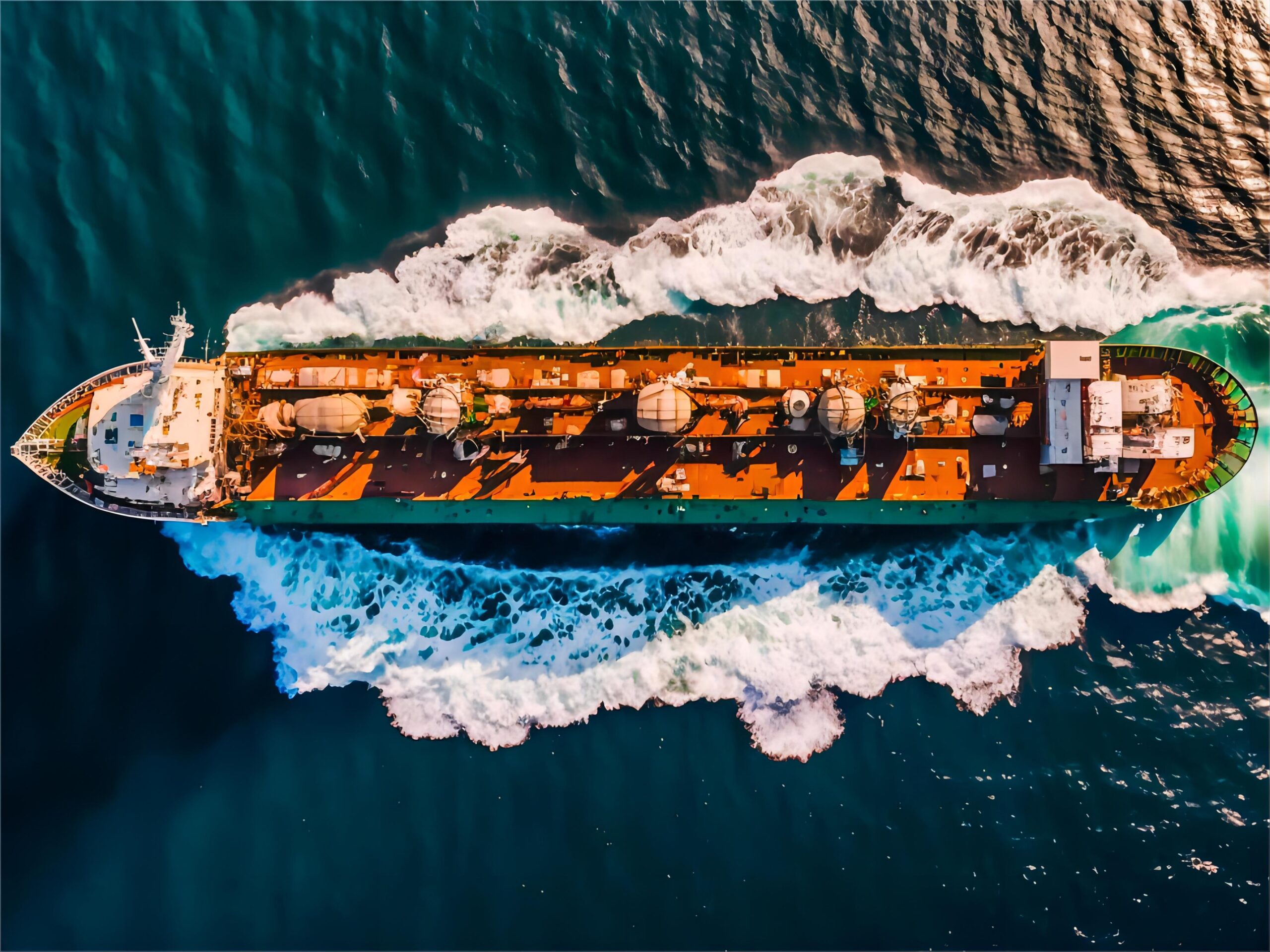
One of the most frustrating aspects of an inspection is the associated cost, which is always borne by the importer. For example, a basic VACIS (X-ray) exam might cost between $200 and $350, whereas an intensive exam can exceed $1,000. Additionally, you may incur storage fees if the container is held at the terminal for an extended period.
Consequently, budgeting for potential inspection fees is a wise practice for any business involved in door to door shipping. These costs are determined by the exam site operators and the labor required to unpack and repack your goods. Without a doubt, these expenses can impact your overall profit margins if not anticipated.
As of early 2025, market rates for container shipping have stabilized, but terminal handling and inspection fees remain variable. Typical container pricing for the China to Long Beach route is listed in the table below.
| Container Type | Typical Rate (USD) | Inspection Fee Est. | Capacity |
|---|---|---|---|
| 20GP Container | $1,500 – $2,200 | $200 – $1,500 | 33 CBM |
| 40GP Container | $2,500 – $3,500 | $300 – $2,500 | 67 CBM |
| 40HQ Container | $2,800 – $3,800 | $300 – $2,500 | 76 CBM |
Timeline and Transit Times for Long Beach Shipments
The transit time from major Chinese ports like Shanghai or Shenzhen to Long Beach is relatively fast compared to East Coast routes. Typically, the ocean voyage takes between 14 and 18 days depending on the carrier and weather conditions. However, a China FCL cargo inspection to Long Beach can add anywhere from 2 to 10 days to the total timeline.
Moreover, peak seasons such as the months leading up to the Lunar New Year or the Q4 holiday rush often see increased inspection rates. During these times, port congestion can exacerbate delays caused by customs exams. Therefore, planning your inventory arrivals well in advance is critical for maintaining stock levels.
Note: Freight rates and transit times are subject to change based on fuel costs, carrier capacity, and seasonal demand. Contact us for a current quote tailored to your specific shipment.
Essential Documents for US Customs Clearance
Proper documentation is the most effective way to ensure a smooth China FCL cargo inspection to Long Beach. If your paperwork is incomplete or inconsistent, the likelihood of a physical exam increases dramatically. For instance, the Commercial Invoice must clearly state the value, country of origin, and detailed description of all items.
Additionally, the Bill of Lading and Packing List must match the physical contents of the container exactly. When shipping to North America, you must also ensure compliance with ISF (Importer Security Filing) requirements. Failure to file the ISF at least 24 hours before the ship departs China can result in heavy fines and mandatory inspections.
Indeed, keeping a digital archive of all your shipping documents allows for quick responses if Customs requests additional information. This proactive approach often prevents a simple document query from escalating into a full physical inspection.
| Document Name | Required For | Key Information | Priority |
|---|---|---|---|
| Commercial Invoice | All Shipments | Value, Description, Origin | Critical |
| Packing List | All Shipments | Weight, Dimensions, Units | High |
| Bill of Lading | All Shipments | Carrier Info, Consignee | Critical |
| ISF (10+2) | US Ocean Imports | Security Data Points | Mandatory |
Case Studies: Navigating Long Beach Cargo Inspections
Real-world examples provide valuable insights into how the inspection process works and what it costs. Below are two scenarios based on typical market conditions in late 2024 and early 2025. These cases highlight the importance of preparation and the impact of unexpected customs holds.
Case Study 1: Electronics from Shenzhen to Long Beach. A tech company shipped a 40HQ container of consumer electronics. Although the paperwork was perfect, the container was flagged for a VACIS exam due to the high-value nature of the cargo. The scan was completed in 48 hours, adding only $300 to the total cost.
Case Study 2: Furniture from Ningbo to Long Beach. A retailer shipped a 20GP container of wooden furniture. Because the wood required specific phytosanitary certification that was missing, the container underwent an intensive exam. This resulted in a 7-day delay and over $1,800 in additional labor and storage fees.
Case Study 1: Routine Electronics Screening
Route: Shenzhen, China to Long Beach, USA
Cargo: Consumer Electronics, 65 CBM, 12,000 kg
Container: 40HQ
Shipping Details: Direct via Major Carrier
Cost Breakdown: Ocean Freight $3,200, VACIS Exam $320, Port Charges $450, Total $3,970
Timeline: Sea Transit 16 days, Inspection 2 days, Total 18 days
Key Insight: High-value goods are frequently scanned; budgeting for a VACIS exam is a best practice for electronics importers.
Case Study 2: Intensive Furniture Inspection
Route: Ningbo, China to Long Beach, USA
Cargo: Wooden Home Furniture, 28 CBM, 8,500 kg
Container: 20GP
Shipping Details: Direct Service
Cost Breakdown: Ocean Freight $1,850, Intensive Exam $1,200, Demurrage $600, Total $3,650
Timeline: Sea Transit 15 days, Inspection 8 days, Total 23 days
Key Insight: Missing certifications for natural materials can lead to intensive exams and significant storage costs.
Which Shipping Option Should You Choose?
Determining the best logistics strategy requires balancing cost against the risk of delays. If your priority is budget and you have a high volume of goods, FCL sea freight is the clear winner. However, if you are shipping time-sensitive inventory for Amazon FBA, you might consider a split strategy.
For instance, sending 20% of your stock via air freight ensures you stay in stock while the remaining 80% travels via FCL. This hybrid approach mitigates the impact of a potential China FCL cargo inspection to Long Beach. Additionally, for shipments under 15 CBM, LCL may be more economical despite the slower processing time.
Ultimately, the decision should be based on your specific SKU velocity and margin requirements. High-margin items can absorb the cost of air freight, whereas low-margin bulk goods must rely on the efficiencies of container shipping.
Strategies to Reduce Inspection Risks and Delays
While you cannot completely avoid the possibility of an exam, you can take steps to minimize the risk. First, ensure that your supplier in China is reputable and provides accurate packing lists. Second, always double-check that your HTS codes are correct to avoid misclassification issues.
Furthermore, joining programs like CTPAT (Customs-Trade Partnership Against Terrorism) can lead to fewer inspections over time. This voluntary program involves a rigorous audit of your supply chain security but offers significant benefits for frequent importers. Consequently, certified partners often enjoy faster processing at the Port of Long Beach.
Finally, maintain open communication with your freight forwarder throughout the transit. They can provide real-time updates on the status of your container and alert you immediately if a hold is placed. Being proactive allows you to resolve documentation issues before they lead to a physical examination.
Final Thoughts on Long Beach Cargo Logistics
Successfully managing a China FCL cargo inspection to Long Beach requires a combination of meticulous preparation and expert partnership. By understanding the different types of inspections and their associated costs, you can better protect your business from unexpected financial strain.
Moreover, leveraging the right shipping methods and staying informed about market trends will give you a competitive edge in the global marketplace. Whether you are a seasoned importer or new to the industry, the Port of Long Beach remains a vital link in your international supply chain.
Remember that while inspections are a standard part of international trade, they do not have to be a source of constant stress. With the right documentation and a proactive strategy, you can navigate the China FCL cargo inspection to Long Beach with confidence and efficiency.

Ready to streamline your logistics?
Ensure your next shipment is handled with precision and care. Contact Top China Freight today for a comprehensive quote and expert guidance on your China FCL cargo inspection to Long Beach. Visit our website to learn how we can optimize your Pacific trade routes.
Request Quote