

40GP FCL insurance for solar panels from China to Poland Guide
Shipping renewable energy equipment across continents requires meticulous planning and robust financial protection. Top China Freight specializes in managing these complex logistics requirements for global importers. Securing comprehensive 40GP FCL insurance for solar panels from China to Poland is the most effective way to safeguard your investment against transit risks. This guide explores the essential aspects of marine coverage and cost-saving strategies for your PV module shipments.
Why You Need 40GP FCL insurance for solar panels from China to Poland
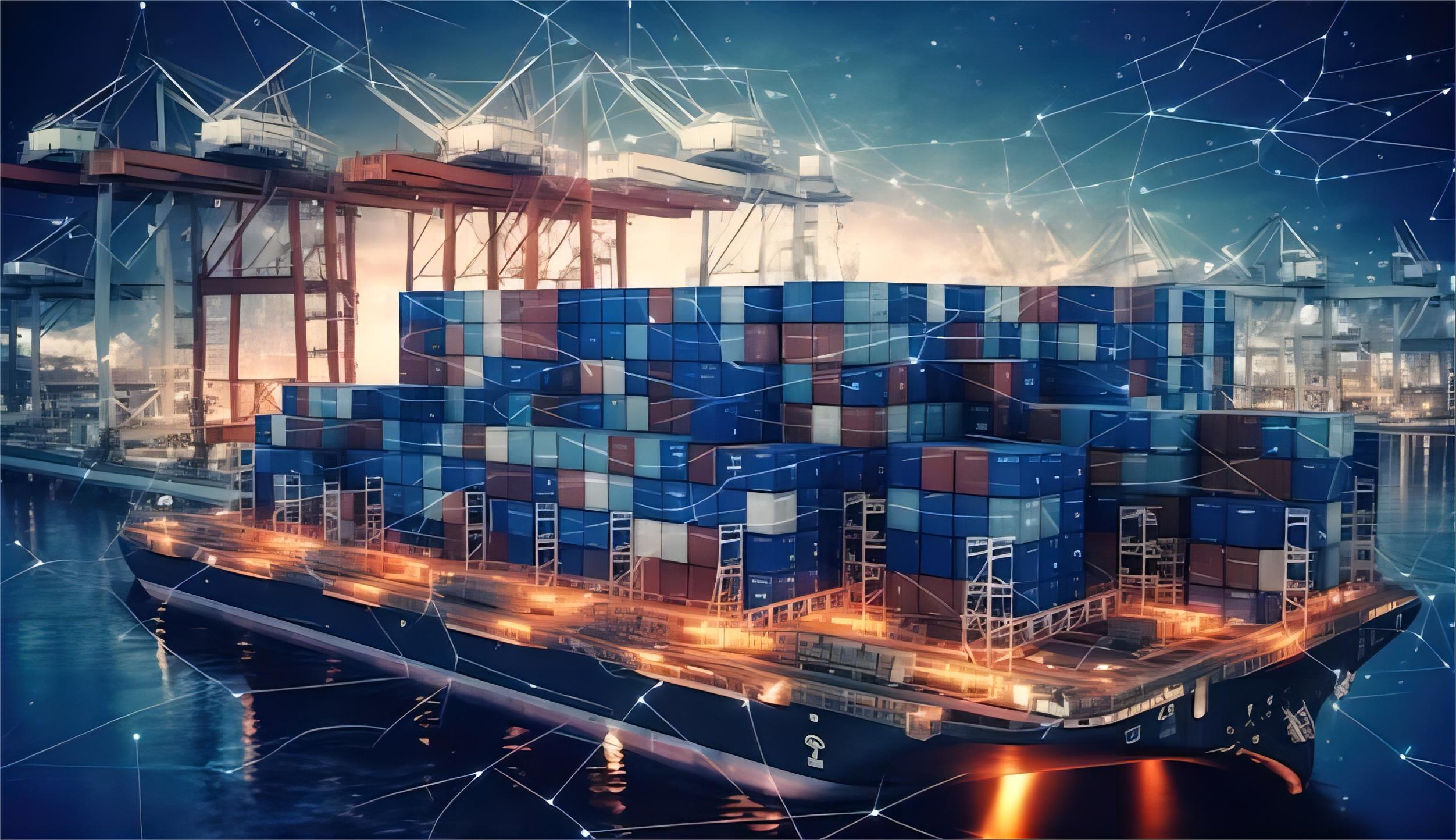
Solar panels are inherently fragile and represent a significant capital investment for any renewable energy project. Transporting these goods from Chinese manufacturing hubs to Polish ports involves thousands of miles of ocean travel and multiple handling stages. Consequently, the risk of micro-cracks, glass breakage, or water damage is a constant concern for importers.
Furthermore, maritime law often limits the liability of carriers to a fraction of the actual cargo value. Relying solely on the shipping line for compensation in the event of a total loss is rarely sufficient to cover the replacement costs. Therefore, private cargo insurance provides the necessary peace of mind for high-value PV module consignments.
Most insurance policies for this route cover a wide range of perils, including heavy weather, vessel accidents, and theft. Specifically, an all-risk policy ensures that your business is protected from the moment the container leaves the factory until it reaches its final destination in Poland. This comprehensive protection is vital for maintaining a healthy supply chain.
How Does Sea Freight Compare to Other Shipping Options?
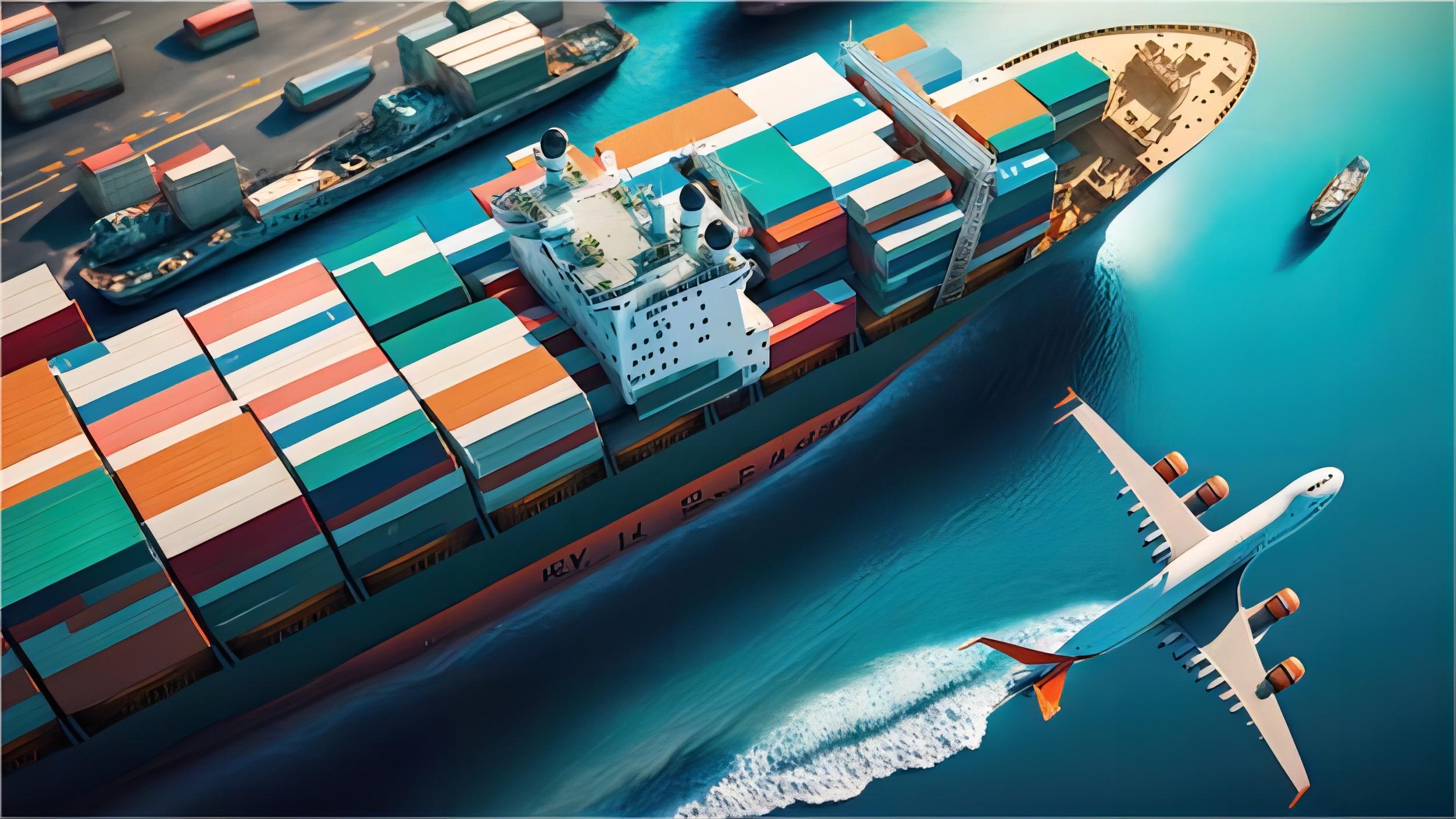
While sea freight is the standard for 40GP FCL shipments, other modes of transport exist for different needs. Understanding the trade-offs between cost, speed, and safety is crucial for optimizing your logistics strategy. Each method carries unique risks that influence the type of insurance coverage required.
Moreover, the choice of transport directly impacts your insurance premiums and overall landed costs. Sea freight typically offers the lowest rates for large volumes but involves the longest transit times. In contrast, alternative methods might be more suitable for urgent project deadlines despite the higher costs.
Market data suggests that over 85 percent of solar panels imported into Europe arrive via ocean containers. This dominance is due to the cost-efficiency of the 40GP and 40HQ container formats. However, fluctuating freight rates in early 2025 mean that importers must stay informed about current market trends.
| Shipping Method | Cost Range (USD) | Transit Time | Best For |
|---|---|---|---|
| Sea Freight FCL | $2,800 – $3,800 | 30-40 Days | Bulk PV Shipments |
| Rail Freight FCL | $4,500 – $6,000 | 18-24 Days | Urgent Projects |
| Air Freight | $15,000+ | 5-8 Days | Emergency Spares |
| Sea-Rail Hybrid | $3,500 – $4,800 | 25-32 Days | Balanced Delivery |
Key Factors Influencing Insurance Premiums for PV Modules
Insurance providers calculate premiums based on the total declared value of the cargo, which includes the cost of goods, freight, and a standard uplift. Additionally, the specific packaging methods used by the manufacturer can influence the risk assessment. Properly palletized and braced solar panels are less likely to suffer damage during transit.
Another critical factor is the choice of rail freight or sea routes, as different paths carry different environmental risks. For instance, rail transport through Central Asia involves different temperature fluctuations compared to the southern sea route via the Suez Canal. Insurers take these geographical variables into account when quoting rates.
Typically, premiums for 40GP FCL insurance for solar panels from China to Poland range from 0.1 percent to 0.5 percent of the insured value. Consequently, a container valued at 100,000 USD might cost between 100 and 500 USD to insure fully. This small investment prevents catastrophic financial exposure during the long journey.

Understanding the Role of Customs Brokerage in Insurance Claims
Professional customs brokerage services are essential for ensuring that all documentation is accurate for both clearance and potential insurance claims. If a claim arises, the insurer will require a complete set of documents, including the commercial invoice, packing list, and bill of lading. Any discrepancies in these documents can lead to delays or denials in the claims process.
Poland has specific regulations regarding the import of renewable energy components, particularly concerning VAT and duty exemptions. Notably, having a clear paper trail from the Chinese port of loading to the Polish port of discharge simplifies the surveyor’s job during a damage assessment. Accurate records are the backbone of a successful insurance payout.
In addition, your broker can help verify that the Incoterms used in your contract align with your insurance responsibilities. If you are buying on CIF terms, the seller provides the insurance, but the coverage may only be the minimum required. Often, it is safer for the importer to arrange their own coverage to ensure higher protection standards.
Real-World Case Studies for Solar Panel Logistics
Examining actual shipping scenarios helps illustrate the practical application of 40GP FCL insurance for solar panels from China to Poland. These cases highlight the importance of choosing the right partners and coverage levels. Professional management ensures that even when challenges arise, the financial impact is minimized.
Case Study 1: Shanghai to Gdansk. Cargo: 400 PV Modules in a 40GP. Method: Sea Freight. Cost: $3,200 freight plus $150 insurance. Transit: 33 days. Outcome: Rough seas caused minor shifting, but the all-risk insurance covered the replacement of 5 damaged panels without deductible issues.
Case Study 2: Shenzhen to Gdynia. Cargo: 450 PV Modules in a 40GP. Method: door to door shipping. Cost: $4,100 total. Transit: 38 days. Outcome: A forklift accident at the destination warehouse was fully covered because the policy included the inland transit leg.
Industry average for this route as of early 2025 suggests that transit times have stabilized. However, seasonal weather patterns in the North Sea can still cause delays and increased risk of cargo movement. Always ensure your policy includes ‘loading and unloading’ coverage to protect against warehouse mishaps.
Alternative Strategies and Decision Framework
Choosing between different logistics strategies depends on your project budget and time constraints. For most large-scale solar farms, shipping to Europe via sea freight is the most sustainable option. Nevertheless, some companies utilize hybrid solutions to manage inventory more effectively.
If you have a strict deadline, rail freight provides a faster alternative that is still more affordable than air transport. Consequently, you must ensure your insurance policy specifically mentions rail transit if you switch from the ocean route. Different transport modes require different risk clauses in the insurance contract.
Which option should you choose? If budget is the priority, select sea freight with a 40GP FCL. If speed is essential, choose rail. For maximum security, always opt for door-to-door service with a comprehensive all-risk insurance policy. This combination offers the best balance of cost-efficiency and risk mitigation.
| Priority | Recommended Option | Insurance Type | Expected Outcome |
|---|---|---|---|
| Lowest Cost | Sea Freight 40GP | Standard All-Risk | Maximum savings |
| Fastest Delivery | Rail Freight | Rail Specific All-Risk | Quick project start |
| Maximum Safety | Door-to-Door | Full Warehouse-to-Warehouse | Zero financial risk |

Essential Documentation for Solar Panel Insurance Claims
Successfully filing a claim for damaged solar panels requires immediate action and precise documentation. First, you must note any visible damage on the delivery receipt or proof of delivery. Subsequently, taking high-quality photographs of the container seals and the damaged goods inside the container is mandatory.
Insurers will also require a formal letter of protest sent to the carrier to hold them liable for the damage. Furthermore, a professional survey report is often needed for claims exceeding a certain value threshold. This report provides an independent assessment of the cause and extent of the damage.
Keep in mind that time is of the essence when reporting a loss. Most policies have a strict window, often 3 to 7 days, within which you must notify the insurance company. Delaying this notification can result in the claim being rejected or significantly reduced.
Securing Your Solar Supply Chain
In conclusion, navigating the complexities of international logistics requires a proactive approach to risk management. Securing 40GP FCL insurance for solar panels from China to Poland is not just an added expense but a critical component of a successful import strategy. By understanding the costs, coverage options, and documentation requirements, you can protect your business from unforeseen maritime perils.
As the demand for renewable energy continues to grow in Poland, choosing a reliable freight forwarding partner becomes increasingly important. Whether you prioritize cost or speed, ensuring your PV modules are fully insured provides the financial security needed to complete your projects on time and within budget.
Ready to streamline your logistics?
Protecting your renewable energy investment is our top priority at Top China Freight. Our team provides tailored logistics and 40GP FCL insurance for solar panels from China to Poland to ensure your cargo arrives safely. Contact us today for a competitive quote and expert guidance on your next shipment. Visit our service pages to learn more about our comprehensive shipping solutions. Send Inquiry: info@Top China Freight.com
Request Quote