20GP FCL freight rate for solar panels from China to Houston: 2025 Guide
Securing a competitive 20GP FCL freight rate for solar panels from China to Houston is essential for maintaining profitability in the renewable energy sector. Many importers struggle with fluctuating ocean freight costs and complex logistics requirements when moving sensitive solar equipment across the Pacific. By partnering with Top China Freight, you can navigate these challenges with expert guidance and streamlined shipping solutions tailored to your specific project needs.
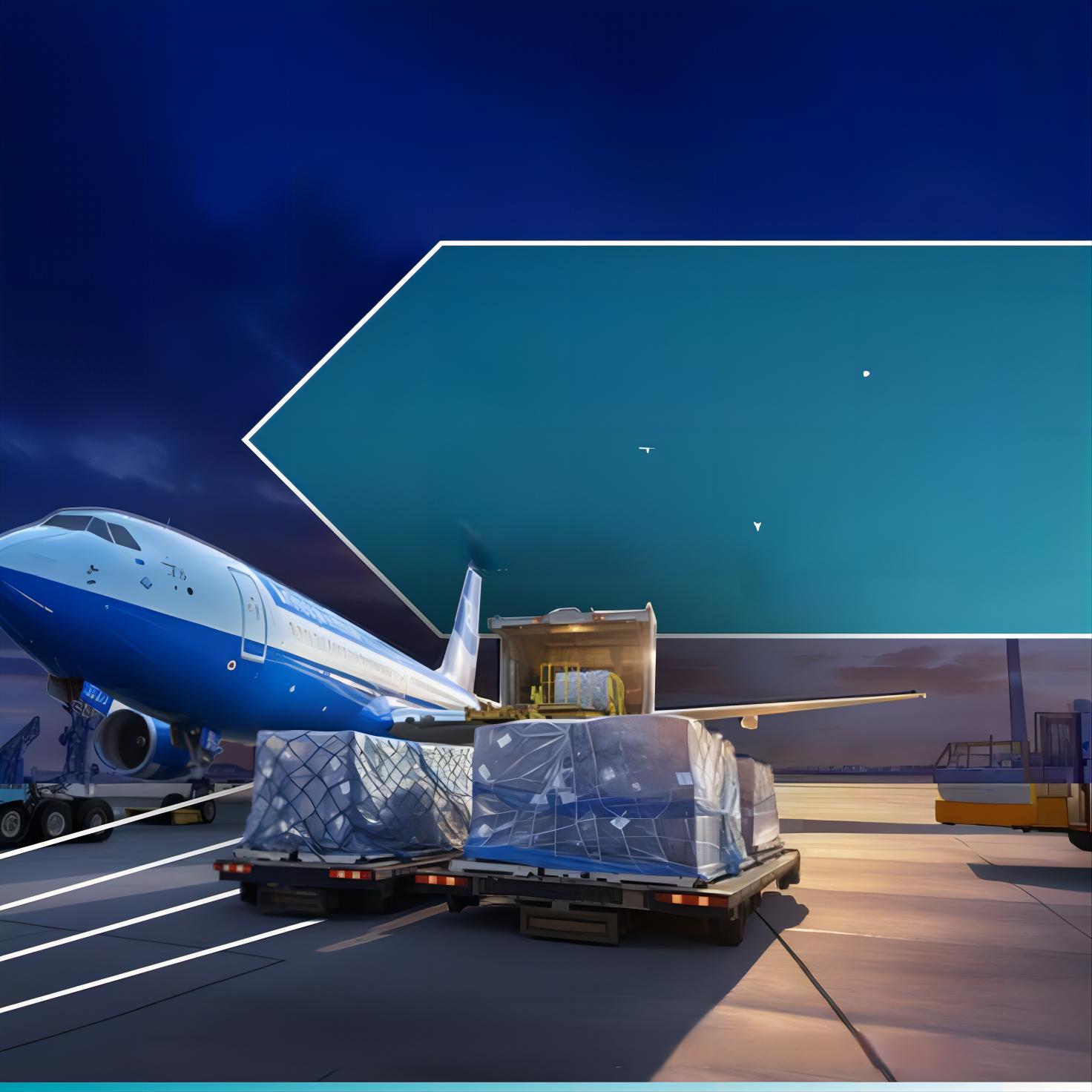
What Factors Determine the 20GP FCL Freight Rate for Solar Panels from China to Houston?
Multiple variables influence the final cost of shipping a full container load of solar modules. Market demand for clean energy products often leads to seasonal spikes in shipping volume, which directly impacts the available capacity on vessels heading to the United States. Consequently, the 20GP FCL freight rate for solar panels from China to Houston can fluctuate significantly between the first and fourth quarters of the year.
Fuel surcharges, also known as Bunker Adjustment Factors, play a significant role in determining the total ocean freight expense. Because the route from China to the Gulf Coast is lengthy, fuel price volatility can lead to weekly adjustments in carrier pricing. Additionally, port congestion at major hubs like Houston or transshipment points can result in extra surcharges that importers must account for in their budgets.
Equipment availability is another critical factor that determines the current market rate. Specifically, the supply of 20GP containers in manufacturing hubs like Ningbo or Shanghai affects how much carriers charge for booking. If there is a shortage of standard 20-foot containers, prices may rise even if the demand for vessel space remains relatively stable.
How Does 20GP FCL Compare to Other Shipping Options?
Choosing between different shipping methods requires a careful analysis of cost, speed, and safety. While a 20GP container offers a dedicated space for your cargo, other options like LCL or air freight might be suitable for smaller or more urgent shipments. However, for the bulk transport of solar panels, sea freight remains the most economical choice for most businesses.
Moreover, the safety of the cargo is a paramount concern when shipping fragile solar cells. FCL shipping minimizes handling because the container is sealed at the origin and only opened at the final destination. In contrast, Less than Container Load shipments involve multiple handling stages at CFS warehouses, which increases the risk of micro-cracks in the solar modules.
| Shipping Method | Cost Range | Transit Time | Best For |
|---|---|---|---|
| 20GP FCL | $2,800 – $3,800 | 30-35 Days | Standard bulk orders |
| 40HQ FCL | $3,800 – $5,200 | 30-35 Days | Large scale projects |
| LCL Shipping | $80 – $150 per CBM | 35-45 Days | Small sample batches |
| Air Freight | $5 – $9 per KG | 5-8 Days | Urgent replacements |

Understanding Transit Times for Shipping to North America
Navigating the timeline for shipping to North America involves understanding the specific routes available to the Gulf Coast. Most vessels traveling from China to Houston pass through the Panama Canal, which is the most direct water route for East Coast and Gulf shipments. Therefore, the transit time is generally longer than shipping to the West Coast ports like Los Angeles or Long Beach.
Typically, the sea transit from major Chinese ports to Houston takes between 30 and 38 days. Furthermore, factors such as weather conditions in the Pacific or canal transit delays can add several days to the schedule. Importers should also factor in an additional 5 to 7 days for cargo consolidation, loading, and terminal handling at both ends of the journey.
Direct services are available from ports like Shanghai and Shenzhen, which offer the most reliable schedules. Nevertheless, some carriers may utilize transshipment hubs in Busan or Panama, which can extend the total lead time but sometimes offer a lower 20GP FCL freight rate for solar panels from China to Houston.
| Origin Port | Route Type | Avg. Sea Transit | Total Door-to-Door |
|---|---|---|---|
| Shanghai | Direct (Panama Canal) | 32 Days | 42-45 Days |
| Shenzhen | Direct (Panama Canal) | 30 Days | 40-43 Days |
| Ningbo | Transshipment | 36 Days | 46-50 Days |
| Qingdao | Direct (Panama Canal) | 35 Days | 45-48 Days |
Case Study 1: Direct Shipping from Shanghai to Houston
A renewable energy installer required the transport of 200 high-efficiency solar modules for a residential project in Texas. Specifically, they chose a 20GP container to ensure the cargo remained undisturbed during the month-long voyage. By selecting a direct route from Shanghai, they minimized the risk of delays often associated with transshipment hubs.
The shipment utilized a major carrier with a reliable schedule through the Panama Canal. Consequently, the cargo arrived at the Port of Houston within 33 days of departure. This successful operation highlights the importance of choosing the right carrier for time-sensitive solar installations.
Shipment Details and Costs
Route: Shanghai, China to Houston, USA. Cargo: 200 Solar Modules, 18 CBM, 4,500 kg. Container: 20GP. Carrier: COSCO. Port of Loading: Shanghai. Port of Discharge: Houston. Route Type: Direct via Panama Canal.
Cost Breakdown: Ocean Freight: $3,150. Origin Charges: $450. Destination Charges: $600. Customs and Duties: $1,200. Total Landed Cost: $5,400. Timeline: Booking to Loading: 4 days. Sea Transit: 33 days. Customs Clearance: 3 days. Total Door-to-Door: 45 days. Key Insight: Direct routing provided the stability needed for a tight project deadline.
Case Study 2: Managing Transshipment Challenges from Shenzhen
Another client imported solar cells for a manufacturing facility located near Houston. Because they were looking for the lowest possible 20GP FCL freight rate for solar panels from China to Houston, they opted for a transshipment service via Busan. Although this route was slightly longer, the cost savings were significant for their high-volume operation.
In addition, the shipment faced a minor delay due to heavy congestion at the transshipment port. However, the use of a professional freight forwarder allowed for real-time tracking and proactive communication with the local warehouse. Eventually, the container arrived safely, demonstrating that cost-saving strategies can be effective when managed by experts.
Logistics Performance Summary
Route: Shenzhen, China to Houston, USA. Cargo: Solar Cells, 22 CBM, 5,200 kg. Container: 20GP. Carrier: MSC. Port of Loading: Shenzhen. Port of Discharge: Houston. Route Type: Transshipment via Busan.
Cost Breakdown: Ocean Freight: $2,850. Origin Charges: $400. Destination Charges: $550. Customs and Duties: $950. Total Landed Cost: $4,750. Timeline: Booking to Loading: 5 days. Sea Transit: 38 days. Customs Clearance: 4 days. Total Door-to-Door: 52 days. Key Insight: Choosing transshipment saved $300 in freight costs but required more flexible scheduling.

Customs Clearance and Documentation for Solar Panels
Importing solar equipment into the United States requires strict adherence to customs regulations and documentation standards. Specifically, solar panels are subject to various trade policies, including Section 201 duties and potentially Anti-Dumping or Countervailing Duties depending on the country of origin. Therefore, working with a specialist in customs brokerage is highly recommended to avoid costly penalties.
Essential documents include the Commercial Invoice, Packing List, and Bill of Lading. Furthermore, you must provide a Certificate of Origin and detailed technical specifications for the solar modules. Indeed, missing or inaccurate information in these documents can lead to extensive delays at the Port of Houston, resulting in high demurrage and detention fees.
Another critical aspect is the ISF (Importer Security Filing), which must be filed at least 24 hours before the vessel departs from China. Failure to file the ISF correctly can lead to automatic fines of $5,000 per shipment. Consequently, ensuring your logistics provider manages these filings is a vital step in the import process.
Which Option Should You Choose? A Decision Framework
Selecting the right shipping strategy depends on your project budget, timeline, and cargo volume. If your primary goal is to minimize the 20GP FCL freight rate for solar panels from China to Houston, you should consider booking well in advance and opting for transshipment routes. On the other hand, if you are working under a strict installation deadline, a direct service is the safest bet.
For small businesses importing their first few containers, a door to door service often provides the best value. This comprehensive solution covers everything from factory pickup in China to final delivery at your Houston warehouse. This approach simplifies the supply chain and allows you to focus on your core business operations while experts handle the logistics.
| Priority | Recommended Method | Key Benefit | Trade-off |
|---|---|---|---|
| Lowest Cost | 20GP Transshipment | Reduced ocean freight | Longer transit time |
| Fastest Delivery | Air Freight | Arrives in 1 week | Very high cost |
| Cargo Safety | 20GP/40GP FCL Direct | Minimal handling | Higher freight rate |
| Ease of Use | Door to Door | Hands-off logistics | Service fee premium |
How to Reduce Your Shipping Costs from China
Implementing cost-saving strategies can significantly improve your bottom line when importing renewable energy products. For instance, optimizing your packaging to fit more panels into a 20GP container can reduce the per-unit shipping cost. Additionally, negotiating annual contracts with freight forwarders can provide price stability during peak seasons when market rates typically soar.
Furthermore, consider using the Incoterm FOB (Free on Board) instead of CIF (Cost, Insurance, and Freight). By choosing FOB, you gain more control over the shipping process and can choose your own forwarder to secure a better 20GP FCL freight rate for solar panels from China to Houston. This transparency often leads to lower destination charges and more efficient customs handling.
Note: Freight rates are subject to change based on fuel costs, carrier capacity, and seasonal demand. Contact us for a current quote tailored to your specific shipment.
Final Thoughts on Shipping Solar Panels to Houston
Successfully managing the logistics of solar energy products requires a deep understanding of international trade routes and market trends. While the 20GP FCL freight rate for solar panels from China to Houston is a major expense, choosing the right shipping partner and route can mitigate these costs. By focusing on documentation accuracy and cargo safety, you can ensure a smooth transition from the factory to the project site.
Ultimately, the goal is to create a reliable supply chain that supports the growth of your business. Whether you choose direct shipping for speed or transshipment for cost savings, staying informed about current market conditions is key. We are here to help you navigate every step of the journey from China to the heart of Texas.
Ready to streamline your logistics?
Are you ready to optimize your solar supply chain? Contact us today to receive a customized quote and the most competitive 20GP FCL freight rate for solar panels from China to Houston. Our team is standing by to ensure your cargo arrives safely and on time. Visit our website to send an inquiry:
Request Quote