

Freight rate for FCL shipping from China to Germany: 2025 Guide
Navigating the complexities of international trade requires a clear understanding of the freight rate for FCL shipping from China to Germany to maintain healthy profit margins. Businesses often struggle with fluctuating ocean prices and seasonal surcharges that impact their bottom line. By partnering with Top China Freight, you can access transparent pricing and reliable logistics solutions tailored to your specific cargo needs.
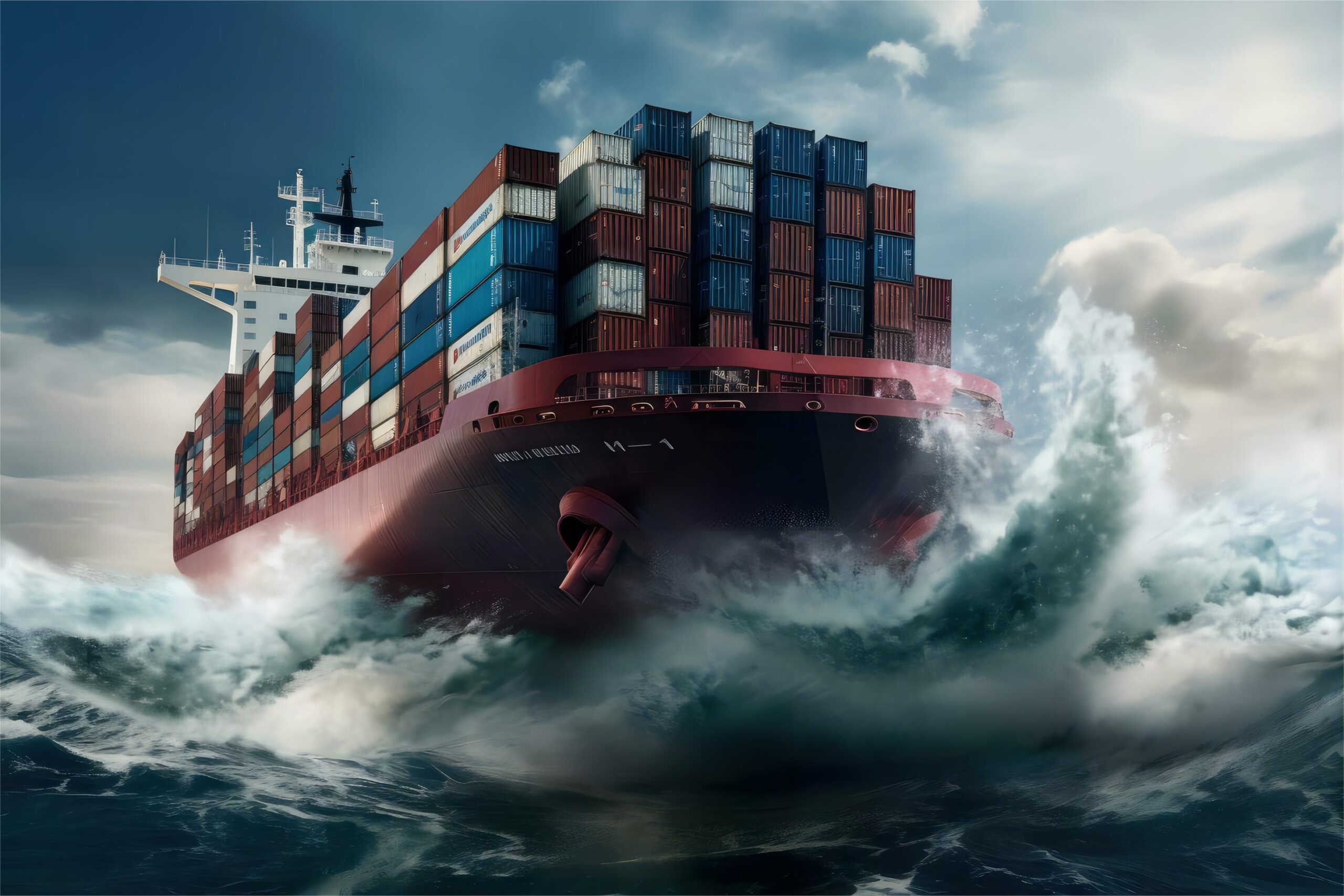
What Factors Determine the Freight Rate for FCL Shipping from China to Germany?
Several variables influence the final cost of moving a full container across the ocean. Firstly, the choice between a 20GP, 40GP, or 40HQ container significantly dictates the base ocean freight price. Additionally, fuel surcharges, known as Bunker Adjustment Factors, fluctuate based on global oil market trends and carrier policies.
Seasonal demand plays a critical role in pricing stability throughout the year. For instance, the period leading up to the Chinese New Year or the Q4 holiday rush typically sees a 20 to 30 percent spike in rates. Consequently, planning your sea freight bookings well in advance can help mitigate these predictable price hikes.
Port congestion and equipment availability also impact the daily market rates offered by major carriers. Meanwhile, local charges at both the origin and destination ports, such as terminal handling fees and documentation costs, must be factored into the total landed cost. Understanding these elements allows importers to better forecast their logistics expenses.
Average FCL Shipping Costs from China to Germany in 2025
Current market data suggests that shipping rates have stabilized in early 2025 following previous global disruptions. Specifically, the freight rate for FCL shipping from China to Germany for a standard 20ft container ranges between 1,800 and 2,500 USD depending on the departure port. On the other hand, 40ft high cube containers currently command prices between 3,000 and 4,200 USD.
Moreover, these rates vary based on the specific route taken and the carrier selected for the voyage. For example, direct services from Shanghai to Hamburg might be slightly more expensive than transshipment routes via Singapore. Nevertheless, the time saved by choosing a direct route often justifies the additional investment for time-sensitive inventory.
Note: Freight rates are subject to change based on fuel costs, carrier capacity, and seasonal demand. Contact us for a current quote tailored to your specific shipment.
| Container Type | Average Cost (USD) | Transit Time (Days) | Best For |
|---|---|---|---|
| 20GP Container | $1,800 – $2,500 | 30 – 35 Days | Heavy, dense cargo |
| 40GP Container | $2,800 – $3,800 | 30 – 35 Days | Voluminous goods |
| 40HQ Container | $3,000 – $4,200 | 30 – 35 Days | Maximum volume |

How Does FCL Compare to Other Shipping Options?
Choosing the right shipping method is essential for balancing speed and expenditure when shipping to Europe. While FCL is the gold standard for large volumes, rail and air freight offer distinct advantages for different business scenarios. Indeed, FCL remains the most cost-effective solution for shipments exceeding 15 cubic meters.
Rail freight has emerged as a powerful middle-ground alternative for many German importers. Specifically, rail freight can deliver goods in 15 to 20 days, which is nearly twice as fast as sea transport. However, the cost is typically 40 to 60 percent higher than ocean freight, making it ideal for high-value electronics or seasonal fashion items.
Air freight represents the premium end of the spectrum, offering delivery in just 5 to 7 days. Consequently, it is reserved for urgent shipments or low-volume, high-value products where the freight rate for FCL shipping from China to Germany would be too slow. To summarize, the decision depends on your specific inventory turnover requirements and budget constraints.
| Shipping Method | Cost Range | Transit Time | Limitations |
|---|---|---|---|
| FCL Sea Freight | Low ($2k-$4k) | 30-40 Days | Slowest speed |
| Rail Freight | Medium ($4k-$7k) | 15-22 Days | Limited capacity |
| Air Freight | High ($8k+) | 5-7 Days | Weight restricted |
| LCL Sea Freight | Low-Mid | 35-45 Days | Handling risks |
Which Option Should You Choose for Your Business?
Determining the best logistics strategy requires an analysis of your cargo volume and delivery deadlines. If your shipment occupies more than 70 percent of a 20ft container, FCL is almost always more economical than LCL. Furthermore, FCL provides better security since the container is sealed at the origin and remains unopened until it reaches its destination.
Budget priority usually dictates a preference for ocean freight during off-peak periods. Conversely, if you are facing a stock-out situation, the speed of rail or air might be necessary regardless of the higher price point. For instance, many retailers use a hybrid strategy, sending 80 percent of goods by sea and 20 percent by rail to ensure a steady supply chain.
Cargo type considerations also play a vital role in method selection. Fragile or temperature-sensitive goods may require the specialized handling found in refrigerated FCL containers. Therefore, you should evaluate the physical characteristics of your products before committing to a specific freight rate for FCL shipping from China to Germany.
Transit Times for FCL Shipments from China to Germany
The duration of your shipment depends largely on the specific ports of loading and discharge. Typically, vessels departing from Southern China ports like Shenzhen reach Hamburg or Bremerhaven in approximately 28 to 32 days. Meanwhile, shipments from Northern ports like Tianjin or Qingdao may take 35 to 40 days due to the additional sailing distance.
Weather conditions and seasonal typhoons in the South China Sea can occasionally cause minor delays in the schedule. Additionally, the efficiency of customs clearance at the German border affects the total door-to-door timeline. As a result, it is wise to add a buffer of 5 to 7 days when planning your inventory arrivals.
Direct routes are generally preferred to minimize the risk of damage during transshipment. Nevertheless, some carriers offer cheaper rates for indirect services that stop at multiple Mediterranean ports before heading north. These slower routes can reduce the freight rate for FCL shipping from China to Germany if your schedule is flexible.
Realistic Case Studies for China to Germany FCL Shipping
Case Study 1: Industrial Machinery from Shanghai to Hamburg. In late 2024, a German manufacturer imported a 40HQ container of CNC machines. The ocean freight cost was 3,650 USD with a transit time of 33 days. By using a direct carrier, they avoided the risks associated with transshipment and ensured the heavy equipment arrived in perfect condition.
Case Study 2: Consumer Electronics from Shenzhen to Duisburg via Rail. An electronics distributor needed to restock for the Black Friday sales event. They opted for a 40GP container via rail freight, costing 5,800 USD. The cargo arrived in 18 days, allowing them to meet market demand two weeks earlier than if they had chosen sea freight.
Case Study 3: Textile Goods from Ningbo to Bremen. A fashion retailer utilized a 20GP container for a seasonal collection. The total landed cost, including customs brokerage and local delivery, was approximately 2,900 USD. The shipment took 35 days door-to-door, fitting perfectly within their planned launch window for the spring season.

Customs Brokerage and Documentation for Germany Imports
Importing goods into Germany requires strict adherence to European Union customs regulations. Specifically, you must provide a commercial invoice, a detailed packing list, and a Bill of Lading to the authorities. Furthermore, an EORI number is mandatory for any business engaging in customs activities within the EU.
Incorrect documentation can lead to significant delays and additional storage fees at the port. Consequently, many successful importers utilize professional door to door services to handle the entire process. This approach ensures that all duties and taxes are calculated correctly, preventing unexpected financial surprises at the border.
Indeed, understanding the Harmonized System (HS) codes for your products is essential for determining the correct duty rates. Some products may also require specific certifications, such as CE marking for electronics or REACH compliance for chemicals. To summarize, thorough preparation of paperwork is just as important as securing a competitive freight rate for FCL shipping from China to Germany.
| Document Name | Purpose | Required By | Timeline |
|---|---|---|---|
| Bill of Lading | Title of goods | Carrier/Customs | At loading |
| Commercial Invoice | Value declaration | Customs | At booking |
| Packing List | Cargo details | Port/Customs | At loading |
| Certificate of Origin | Duty preference | Customs | Pre-arrival |

Cost-Saving Strategies for FCL Shipping
Reducing your logistics spend requires a proactive approach to container management and carrier negotiations. For instance, optimizing your packaging to maximize the internal volume of the container can lower your per-unit shipping cost. Additionally, choosing off-peak shipping windows, such as the period immediately following the Golden Week holiday, often yields lower rates.
Comparing quotes from multiple freight forwarders allows you to identify the most competitive freight rate for FCL shipping from China to Germany. Moreover, consolidating shipments from multiple suppliers into a single FCL container can eliminate the higher costs associated with LCL shipping. This strategy is particularly effective for businesses with a diverse supplier base in the same region.
Negotiating long-term contracts with carriers can also provide price stability in a volatile market. However, this is usually only feasible for high-volume shippers with consistent monthly requirements. For smaller businesses, staying flexible with departure ports and transit times remains the best way to secure the most affordable shipping solutions.
Mastering Your FCL Logistics from China to Germany
To summarize, finding the best freight rate for FCL shipping from China to Germany involves more than just looking at the base price. You must consider transit times, container types, and the reliability of your logistics partner to ensure long-term success. By evaluating sea, rail, and air options, you can create a balanced strategy that meets both your budget and your delivery goals.
Furthermore, staying informed about market trends and seasonal fluctuations allows you to make data-driven decisions for your business. Whether you are importing machinery, electronics, or textiles, the right FCL solution will provide the security and efficiency your supply chain requires. Partnering with a dedicated freight forwarder ensures that your cargo moves smoothly from the factory floor in China to your warehouse in Germany.
Ready to streamline your logistics?
Ready to optimize your supply chain and secure a competitive freight rate for FCL shipping from China to Germany? Contact our expert team today for a personalized quote and professional logistics advice. Visit Top China Freight to start your inquiry and experience seamless international shipping.
Request Quote