

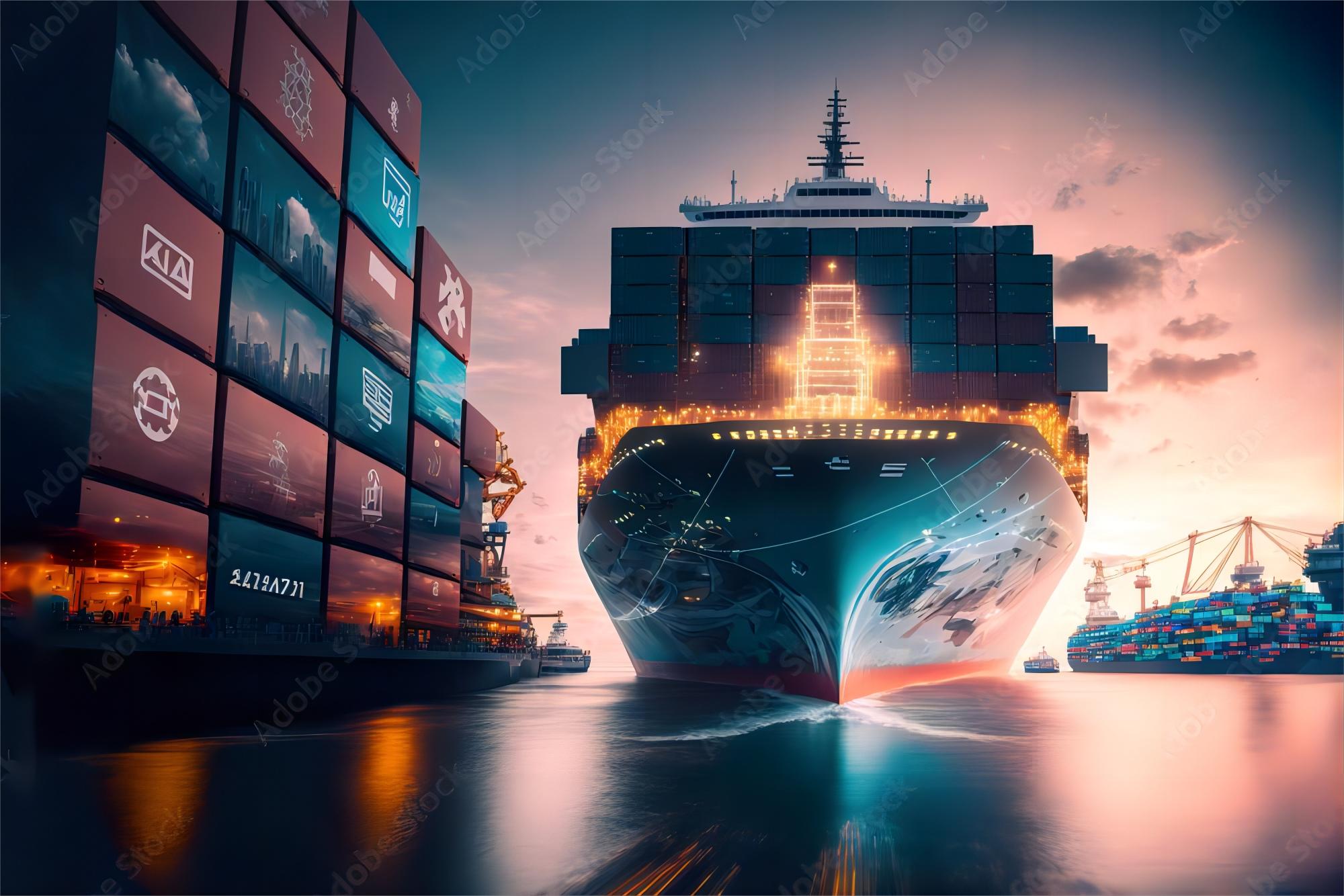
20GP FCL detention prevention for textiles from China to Italy: Expert Strategies
Managing international logistics requires precision, especially when handling high-value textile shipments across global trade routes. Understanding 20GP FCL detention prevention for textiles from China to Italy is essential for importers who want to maintain healthy profit margins. By partnering with a reliable partner like Top China Freight, businesses can navigate the complexities of Mediterranean shipping while avoiding unnecessary port penalties.

What is 20GP FCL Detention and Why Does It Occur?
Detention refers to the charges levied by shipping lines when a container is held by the merchant outside the port terminal beyond the agreed free time. Unlike demurrage, which applies to the time the container stays inside the terminal, detention starts once the box leaves the gate for unloading. For textile importers, these costs can accumulate rapidly if the delivery schedule is not strictly managed.
Textile shipments often face delays due to complex unloading requirements or labor shortages at Italian warehouses. Consequently, the 20GP container, which is the standard workhorse for fabric rolls and garments, may sit at a facility longer than the standard 5 to 7 days of free time. Without a proactive strategy for sea freight management, these daily fees can easily exceed several hundred euros per container.

Moreover, seasonal peaks in the fashion industry create bottlenecks at major Italian ports like Genoa and La Spezia. During these times, container availability drops and transport companies struggle to return empty equipment. Therefore, understanding the root causes of these delays is the first step toward effective prevention.
Why 20GP FCL detention prevention for textiles from China to Italy is Crucial?
Italy remains a global hub for high-quality fashion and textile manufacturing, importing massive volumes of raw materials from Chinese provinces like Zhejiang and Guangdong. The competitive nature of the Italian market means that even minor increases in shipping costs can impact the final retail price. Effective 20GP FCL detention prevention for textiles from China to Italy ensures that your landed cost remains predictable and competitive.
Additionally, the textile industry operates on strict seasonal timelines. A delay in returning a container often signals a delay in getting the product to the cutting room or the retail floor. If a shipment is stuck in detention, it usually means the supply chain has experienced a breakdown that could lead to missed sales opportunities. Indeed, the financial impact of detention is often secondary to the loss of market timing.
Furthermore, maintaining a good relationship with shipping lines depends on your ability to return equipment promptly. Carriers prioritize shippers who demonstrate efficiency in their logistics operations. By avoiding detention, you build a reputation as a reliable partner, which can lead to better freight rates and priority space allocations in the future.
How Does 20GP FCL Compare to Other Shipping Options?
Choosing the right equipment and service level is vital for managing costs and transit times. While the 20GP is ideal for heavy textile rolls, other options might be more suitable depending on your volume and urgency. For instance, high-volume apparel shipments often benefit from 40HQ containers to maximize space, although they face the same detention risks.
Below is a comparison of the primary shipping methods available for the China-to-Italy route. Each method offers different trade-offs regarding speed, cost, and the risk of secondary charges like detention.
| Shipping Method | Cost Range (2025) | Transit Time | Best For | Limitations |
|---|---|---|---|---|
| Sea Freight (20GP) | $1,800 – $2,500 | 30-35 Days | Heavy fabric rolls | High detention risk |
| Rail Freight | $4,500 – $6,000 | 18-22 Days | Urgent seasonal stock | Limited to inland hubs |
| Air Freight | $5.00 – $8.00/kg | 5-7 Days | High-end fashion | Very high cost |
| LCL Shipping | $80 – $150/CBM | 35-40 Days | Small boutiques | Longer handling time |

Which Option Should You Choose for Textile Imports?
Deciding between these methods requires a clear understanding of your budget and production schedule. If your priority is the lowest possible cost, sea freight remains the undisputed leader. However, you must account for the potential of detention by ensuring your customs brokerage is handled before the vessel even arrives at the Italian port.
If you are shipping high-value finished garments with a narrow launch window, rail freight offers a middle ground between sea and air. It reduces transit time by nearly two weeks, which can be critical for avoiding late-season markdowns. Nevertheless, the cost is significantly higher, so it should be reserved for products with higher margins.
For small shipments under 15 CBM, LCL is often more economical than a full 20GP container. While LCL avoids container detention (as the forwarder handles the equipment), it may incur higher warehouse storage fees if not cleared quickly. Consequently, the choice depends on the specific volume and the speed of your local distribution network.
Common Causes of Detention in the China-Italy Textile Route
Customs delays are perhaps the most frequent cause of detention for textiles. Italian customs authorities are particularly vigilant regarding textile composition, country of origin labeling, and anti-dumping duties. If your documentation is incomplete or inaccurate, the container will sit at your warehouse or a bonded facility while the issues are resolved, quickly exhausting your free time.
Inadequate warehouse planning also plays a significant role. If an Italian importer orders five 20GP containers but only has the labor to unload one per day, the remaining four will likely incur detention charges. To prevent this, you should coordinate closely with your door to door service provider to stagger deliveries according to your facility’s capacity.
Congestion at Italian inland terminals can also prevent the timely return of empty containers. In recent years, logistics trends have shown that truck driver shortages in Europe can make it difficult to find a carrier available to haul the empty box back to the port. Therefore, booking your return transport well in advance is a vital part of 20GP FCL detention prevention for textiles from China to Italy.
Strategies for 20GP FCL detention prevention for textiles from China to Italy
Requesting Extended Free Time
One of the most effective ways to mitigate risk is to negotiate for extended free time at the point of booking. While the standard is often 7 days, many carriers will grant 10 or 14 days of combined demurrage and detention if requested by an experienced freight forwarder. This buffer provides the necessary flexibility to handle unexpected customs inspections or warehouse delays.
Pre-Clearing Customs
Utilizing ‘Pre-clearing’ or ‘Pre-manifest’ filing allows the Italian customs office to review your textile shipment while it is still at sea. By resolving any discrepancies early, you can ensure that the container is ready for immediate transport upon arrival. This strategy is essential for maintaining a tight delivery schedule and avoiding the clock starting on your detention period.
Using SOC Containers
Shipper Owned Containers (SOC) are an alternative strategy for those with consistent high-volume routes. Since you own or lease the container independently of the shipping line, you do not pay detention fees to the carrier. However, this requires managing the logistics of the empty container yourself, which may only be cost-effective for specific supply chain models.
Case Studies: Successful Textile Logistics Management
Case Study 1: Fabric Import to Prato. Route: Ningbo, China to Florence, Italy. Cargo: 100% Polyester Fabric, 28 CBM, 18,000 kg. Container: 20GP. Shipping Details: Direct via COSCO to Port of Livorno. Cost Breakdown: Ocean Freight $2,100, Origin Charges $350, Destination Charges $450, Customs $1,200. Timeline: 32 days transit, 2 days clearance, 1 day unloading. Key Insight: By negotiating 14 days of free time, the importer avoided $600 in potential detention when the warehouse was temporarily closed.
Case Study 2: Fast Fashion Apparel to Milan. Route: Shenzhen, China to Milan, Italy. Cargo: Cotton T-shirts, 65 CBM. Container: 40HQ. Shipping Details: Rail freight via Xian to Melzo Terminal. Cost Breakdown: Rail Freight $5,800, Local Delivery $600. Timeline: 20 days transit, 3 days clearance. Key Insight: Choosing rail over sea allowed the client to meet a fashion week deadline that sea freight would have missed, despite the higher freight rates.
Note: Freight rates are subject to change based on fuel costs, carrier capacity, and seasonal demand. Contact us for a current quote tailored to your specific shipment.
Documentation Checklist for Smooth Italian Customs
To ensure 20GP FCL detention prevention for textiles from China to Italy, your paperwork must be flawless. Italian authorities require specific details that are often overlooked by inexperienced shippers. Missing a single certificate can result in weeks of delay.
Use the following checklist to verify your documents before the vessel departs from China. Ensuring these are in order will significantly reduce the risk of your container being held for inspection.
| Document Name | Required Details | Purpose | Responsible Party |
|---|---|---|---|
| Commercial Invoice | HS Codes, Fiber Content | Duty Valuation | Exporter |
| Packing List | Net/Gross Weight, Rolls | Cargo Verification | Exporter |
| Certificate of Origin | Form A or REX | Preferential Tariffs | Exporter/Chamber |
| Bill of Lading | Clean on Board | Title of Goods | Carrier/Forwarder |
Mastering Your Textile Supply Chain
In conclusion, 20GP FCL detention prevention for textiles from China to Italy is a multifaceted challenge that requires careful planning and expert execution. By understanding the causes of detention, negotiating better terms, and ensuring perfect documentation, you can significantly reduce your logistics expenses. Moreover, choosing the right shipping method for your specific needs ensures that your products arrive on time and within budget.
As market conditions evolve in 2025, staying informed about logistics trends and port conditions in Italy will remain vital. Partnering with a knowledgeable freight forwarder allows you to focus on your core business while the experts handle the complexities of international transport. Take control of your textile imports today and eliminate the hidden costs of container detention.
Ready to streamline your logistics?
Avoid costly delays and protect your margins with expert logistics support. Contact Top China Freight today for a customized quote and professional 20GP FCL detention prevention for textiles from China to Italy. Visit our website to learn more about our specialized textile shipping solutions.
Request Quote