

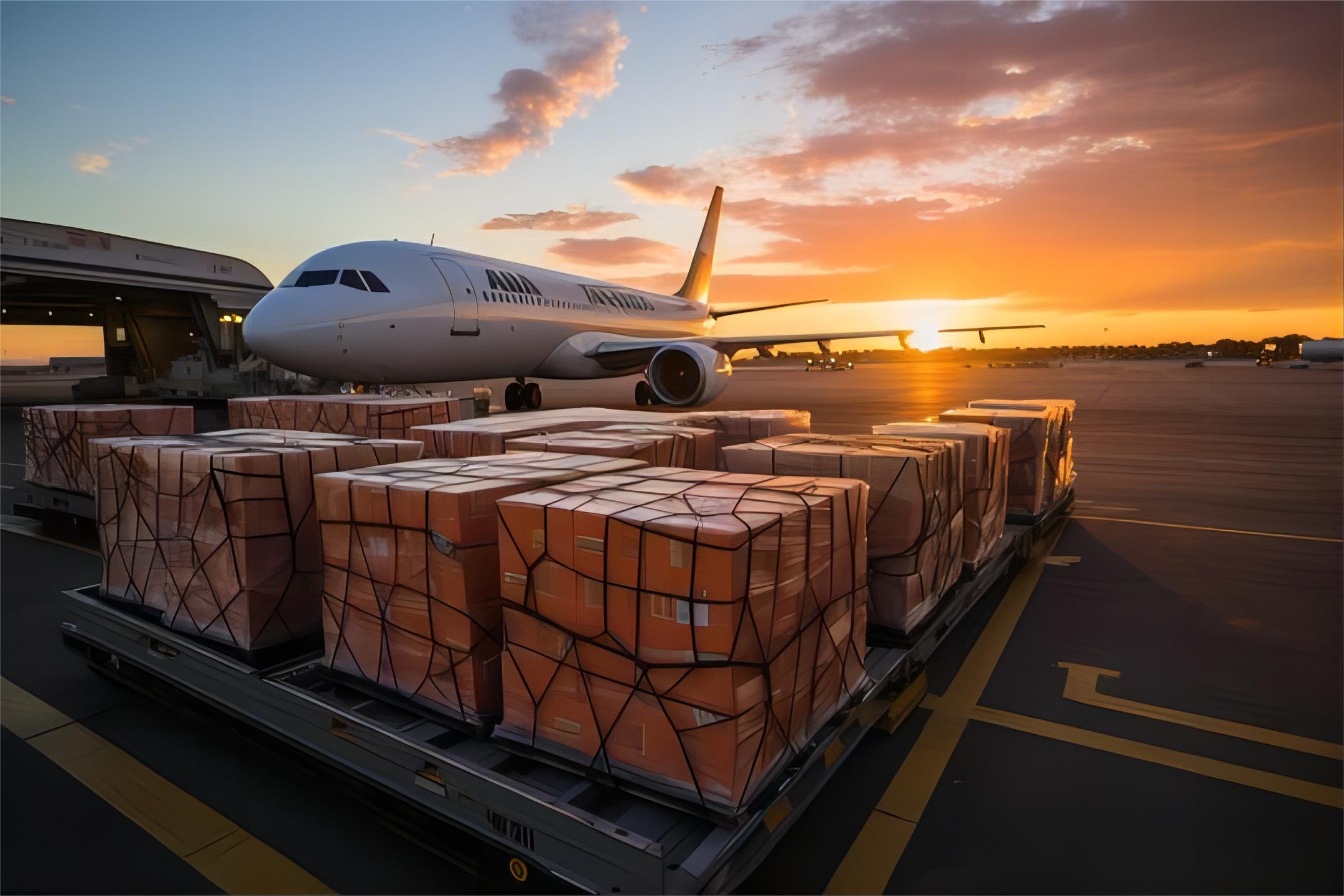
China FCL Cargo Inspection to Italy: The Complete Logistics Guide
Managing a China FCL cargo inspection to Italy requires a deep understanding of international maritime regulations and local customs requirements. At Top China Freight, we help businesses navigate these complexities to ensure their goods arrive safely and on schedule. By prioritizing quality control and compliance, you can avoid costly delays and protect your supply chain integrity during the long journey across the sea. This guide provides comprehensive insights into the inspection process, costs, and strategic alternatives for your Mediterranean trade routes.

Why is China FCL Cargo Inspection to Italy Essential?
Ensuring the quality and quantity of your goods before they leave the factory is the most effective way to prevent disputes with suppliers. When you opt for a Full Container Load (FCL), you are responsible for the entire contents, making a pre-shipment inspection vital for verifying that the cargo matches the purchase order. Furthermore, Italian customs authorities maintain strict standards for imported goods, particularly regarding safety, environmental impact, and intellectual property rights.
Consequently, failing to conduct a proper China FCL cargo inspection to Italy can lead to severe financial losses if the goods are rejected at the Port of Genoa or Naples. Many importers find that identifying defects at the source in China is significantly cheaper than dealing with returns or disposal in Europe. Therefore, professional inspection services act as a critical insurance policy for your international trade operations.
Additionally, the logistics landscape in 2025 demands higher transparency and traceability than ever before. Italian buyers increasingly expect detailed reports that confirm the ethical manufacturing and physical integrity of their products. By implementing a rigorous inspection routine, you strengthen your reputation as a reliable partner in the competitive European market.
How Does FCL Shipping Compare to Other Shipping Options?
Choosing the right transport mode depends heavily on your budget, volume, and urgency. While sea freight remains the most popular choice for bulk goods, other methods offer specific advantages depending on the scenario. For instance, if you are shipping smaller volumes that do not fill a 20ft container, Less than Container Load (LCL) might seem cheaper, but FCL offers better security and faster handling since the container is not opened during transit.
In contrast, businesses with urgent deadlines often turn to air freight to bridge the gap between China and Italy. Although the cost per kilogram is significantly higher, the transit time is reduced from weeks to just a few days. This is particularly useful for high-value electronics or fashion items destined for Milan’s retail centers. However, for the majority of industrial and consumer goods, FCL provides the best balance of cost and capacity.
Moreover, the development of the Silk Road rail links has introduced rail freight as a viable middle ground. Rail transport to Italy typically takes 18 to 22 days, which is faster than the sea route through the Suez Canal but more affordable than air transport. Nevertheless, FCL sea freight continues to dominate for large-scale manufacturing due to its massive economies of scale.
| Shipping Method | Cost Range (Est.) | Transit Time | Best For |
|---|---|---|---|
| FCL Sea Freight | $2,500 – $4,500 | 30-40 Days | Bulk goods, high volume |
| LCL Sea Freight | $80 – $150/CBM | 35-45 Days | Small shipments |
| Rail Freight | $4,000 – $6,000 | 18-22 Days | Mid-range urgency |
| Air Freight | $4.50 – $8.00/kg | 5-8 Days | Urgent, high-value |
Understanding the Inspection Process and Requirements
The process of a China FCL cargo inspection to Italy usually begins with a pre-shipment inspection (PSI) at the supplier’s warehouse. Inspectors check a random sample of the goods based on the AQL (Acceptable Quality Limit) standard to ensure they meet your specifications. Because Italian regulations are stringent, the inspection must also cover labeling requirements, such as CE marking for electronics or specific textile labels.
Following the physical check, the inspector verifies the packing list and ensures that the container is in good condition. It is essential to check for holes, odors, or moisture that could damage the cargo during the long sea voyage. Indeed, many cargo claims in Italy arise from container damage that could have been identified during the initial loading phase in China.
Once the goods arrive in Italy, they must pass through customs brokerage procedures. Italian customs may perform their own inspection if they suspect discrepancies in the documentation or if the cargo falls into a high-risk category. Having a detailed inspection report from the origin can often expedite this process by providing proof of compliance and accurate cargo descriptions.
What are the Current Freight Rates and Market Trends?
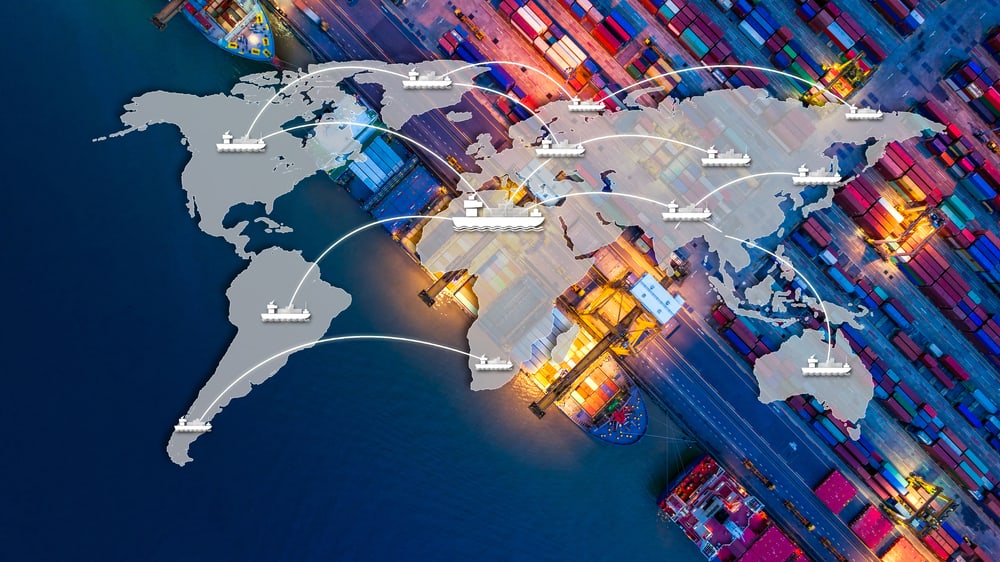
As of Q1 2025, freight rates from China to Europe have stabilized after the significant disruptions seen in previous years, though they remain sensitive to geopolitical shifts. Typical rates for a 40HQ container from Shanghai to La Spezia currently range between $3,500 and $4,800 depending on the carrier and seasonal demand. Specifically, rates often spike by 20% during the peak season from August to October as retailers prepare for the winter holidays.
Meanwhile, logistics trends indicate a shift toward greener shipping solutions and digital tracking. Many Italian importers are now requesting carbon footprint reports for their shipments to satisfy EU environmental reporting requirements. Consequently, choosing carriers that utilize LNG-powered vessels or offer carbon offset programs is becoming a competitive advantage for forward-thinking businesses.
Market data suggests that port congestion in major hubs like Ningbo and Shenzhen has eased, leading to more predictable delivery schedules. However, transit times can still vary based on the choice of direct routes versus transshipment through Singapore or Piraeus. Direct services generally cost more but save approximately 5 to 7 days of transit time, which can be crucial for inventory management.
| Route (China to Italy) | 20GP Container | 40HQ Container | Avg. Transit |
|---|---|---|---|
| Shenzhen to Genoa | $2,100 – $2,600 | $3,600 – $4,400 | 32 Days |
| Shanghai to Trieste | $2,300 – $2,800 | $3,800 – $4,700 | 35 Days |
| Ningbo to Naples | $2,200 – $2,700 | $3,700 – $4,500 | 34 Days |
| Qingdao to Venice | $2,400 – $2,900 | $4,000 – $4,900 | 38 Days |
Which Option Should You Choose for Your Italy Shipment?
Determining the best shipping strategy requires a clear assessment of your priorities regarding cost, speed, and cargo type. If your primary goal is budget optimization and you have a high volume of goods, FCL sea freight is almost always the most economical choice. Conversely, if you are testing a new product line with smaller quantities, LCL allows you to share container space and reduce initial investment.
Cargo type also plays a significant role in the decision-making process. For example, perishable goods or time-sensitive fashion collections may require the speed of air freight or the reliability of a door to door express service. For industrial machinery or heavy equipment, FCL remains the standard due to the specialized handling and space requirements involved.
Volume thresholds are another important factor to consider. Generally, once your shipment exceeds 15 cubic meters (CBM), the cost of a full 20ft container becomes comparable to LCL rates but offers much better protection. Therefore, we recommend analyzing your monthly shipping volumes to determine if consolidating smaller orders into a single FCL shipment could yield significant long-term savings.
Realistic Case Studies of China-Italy Shipments
Case Study 1: Solar Panel Components from Wuxi to Genoa. A renewable energy company required the transport of 2000kg of sensitive components. They chose FCL to minimize handling risks. By conducting a China FCL cargo inspection to Italy at the factory, they identified 5% defective units before loading, saving an estimated $12,000 in return logistics costs. The total landed cost was $4,200, with a transit time of 33 days.
Case Study 2: Luxury Furniture from Foshan to Milan. An Italian retailer imported a 40HQ container of high-end sofas. Due to the high value, they utilized a direct sea route to avoid transshipment damage. The inspection focused on moisture levels and packaging integrity. Despite a 3-day delay at the Suez Canal, the goods arrived in perfect condition. Total door-to-door time was 41 days, with a sea freight cost of $4,500 based on Q4 2024 rates.
Case Study 3: Fast Fashion from Guangzhou to Rome. A boutique chain used a hybrid sea-air solution during the peak season. The cargo was shipped via sea to Dubai and then flown to Rome to bypass Mediterranean port congestion. This reduced the transit time to 18 days compared to the standard 35 days, allowing the client to meet their seasonal launch deadline. While the cost was 40% higher than sea freight, the early market entry resulted in a 20% increase in sales.
Essential Documentation for Italian Customs Clearance
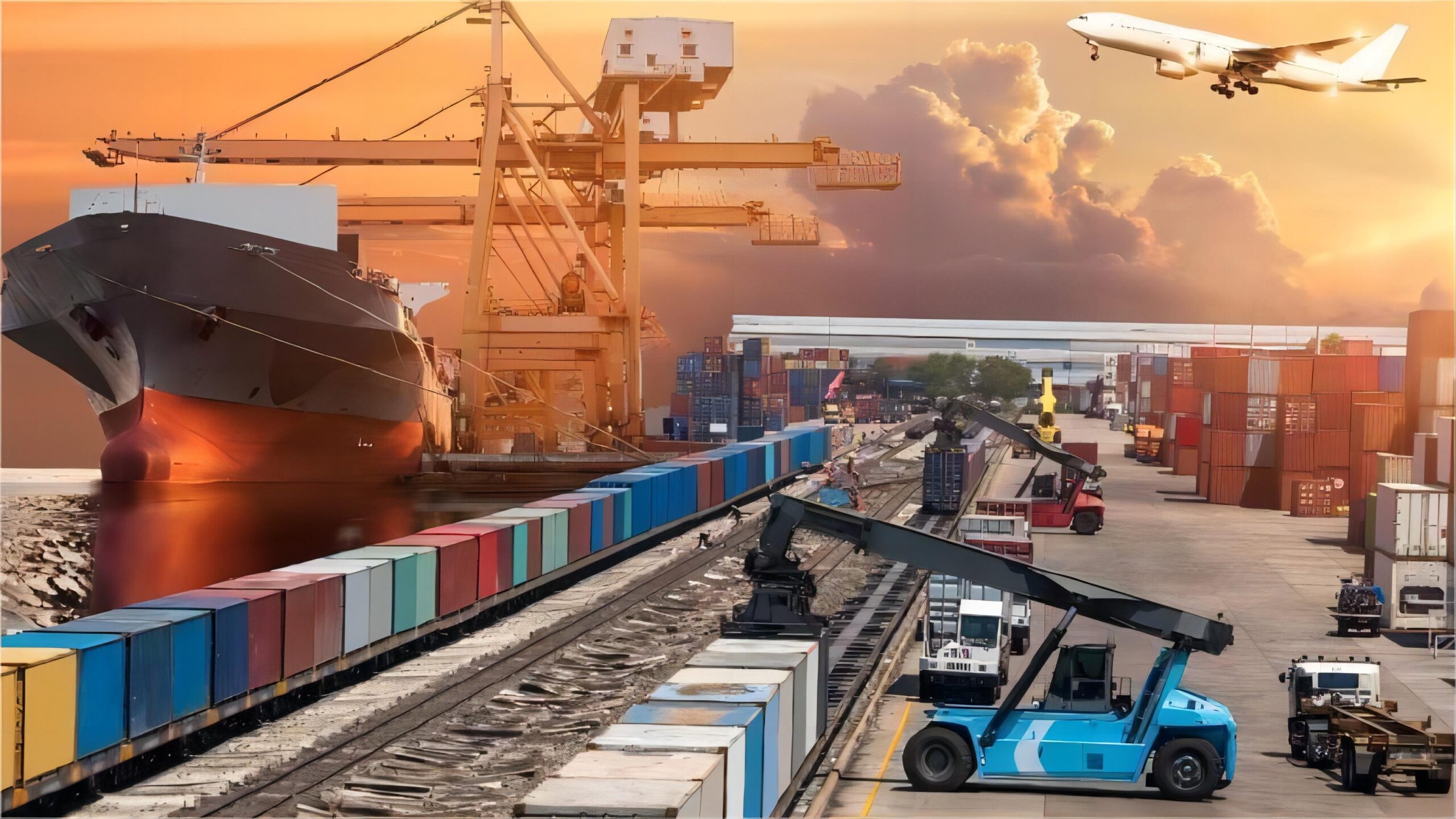
Preparing the correct paperwork is the most critical step in avoiding delays during the China FCL cargo inspection to Italy. You must provide a commercial invoice, a detailed packing list, and the Bill of Lading. Furthermore, a Certificate of Origin is often required to determine the applicable customs duties and ensure eligibility for any trade agreements between the EU and China.
Specifically for the Italian market, you must ensure that all technical documentation is available for products subject to CE marking. Italian officials are particularly vigilant about safety certifications for toys, electronics, and medical devices. Without these documents, your cargo could be detained indefinitely at the port, leading to significant demurrage and storage charges.
In addition to the standard documents, some products may require specific health or phytosanitary certificates. For instance, wooden packaging materials must be treated and stamped according to ISPM 15 standards. Working with an experienced freight forwarder who understands these nuances is the best way to ensure your documentation is flawless before the ship even leaves the Chinese port.
Final Thoughts on Shipping to Italy
Successfully managing a China FCL cargo inspection to Italy is a multifaceted process that combines quality control, regulatory compliance, and strategic logistics planning. By understanding the differences between shipping methods and staying informed about market trends, you can make decisions that protect your bottom line. Transitioning to a more structured inspection routine not only prevents immediate losses but also builds a more resilient supply chain for the future.
Ultimately, the goal is to ensure that your goods move seamlessly from the factory floor in China to the warehouse in Italy. While challenges like port congestion or customs audits will always exist, proper preparation and professional support can mitigate these risks. As you look forward to your next shipment, remember that a proactive approach to inspection and documentation is the key to long-term success in international trade.

Ready to streamline your logistics?
Streamlining your China FCL cargo inspection to Italy is easy when you partner with experts who understand the nuances of Mediterranean logistics. Whether you are shipping industrial equipment or consumer goods, our team provides tailored solutions to ensure compliance and efficiency. Visit our website today to request a personalized quote and discover how we can optimize your shipping strategy from China to Europe. Send Inquiry: https://Top China Freight.com/contact-us/
Request Quote