

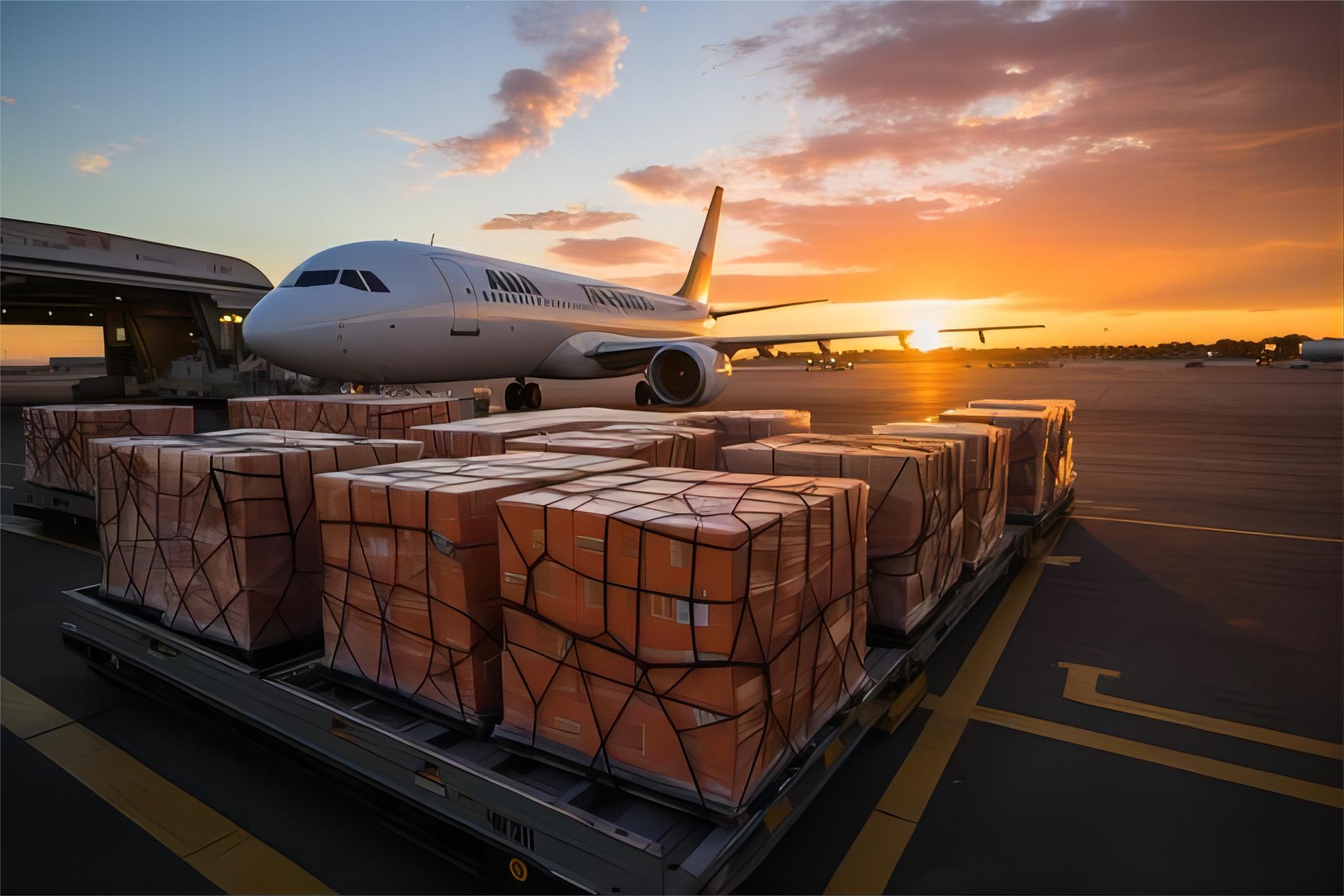
Reefer FCL insurance for lighting from China to UK: Complete Guide
Shipping high-value electronics requires specialized protection to ensure business continuity. Obtaining Top China Freight services ensures your Reefer FCL insurance for lighting from China to UK covers all potential transit risks. This guide explores how to safeguard your supply chain efficiently while maintaining product integrity during the long journey across the ocean.
Why You Need Reefer FCL insurance for lighting from China to UK
Lighting products are incredibly sensitive to humidity and temperature fluctuations. Standard dry containers often experience condensation, which can lead to electrical failure in LED components. Therefore, using a reefer container provides a stable environment for your cargo.
Insurance specifically for Reefer FCL shipments protects you against equipment breakdown. If the cooling unit fails during transit, the financial loss could be devastating without proper coverage. Consequently, importers must prioritize comprehensive insurance policies.
Furthermore, the maritime route from China to the UK involves multiple climate zones. A shipment might start in the humid heat of Shenzhen and arrive in the cold winds of Felixstowe. Indeed, insurance acts as a safety net against these environmental challenges.
Additionally, high-value lighting fixtures are prone to theft and handling damage. Professional insurance ensures that any physical loss is compensated quickly. This allows your business to recover and reorder stock without significant capital loss.
Technical Advantages of Reefer Units for Electronics
Reefer containers are not just for food; they are essential for sensitive electronics. These units maintain a consistent temperature range, preventing the expansion and contraction of delicate parts. As a result, the lifespan of the lighting components is preserved.
Moreover, advanced reefer units offer humidity control features. High humidity levels inside a container can cause corrosion on metal contacts and circuit boards. Meanwhile, the reefer system actively removes excess moisture from the air.
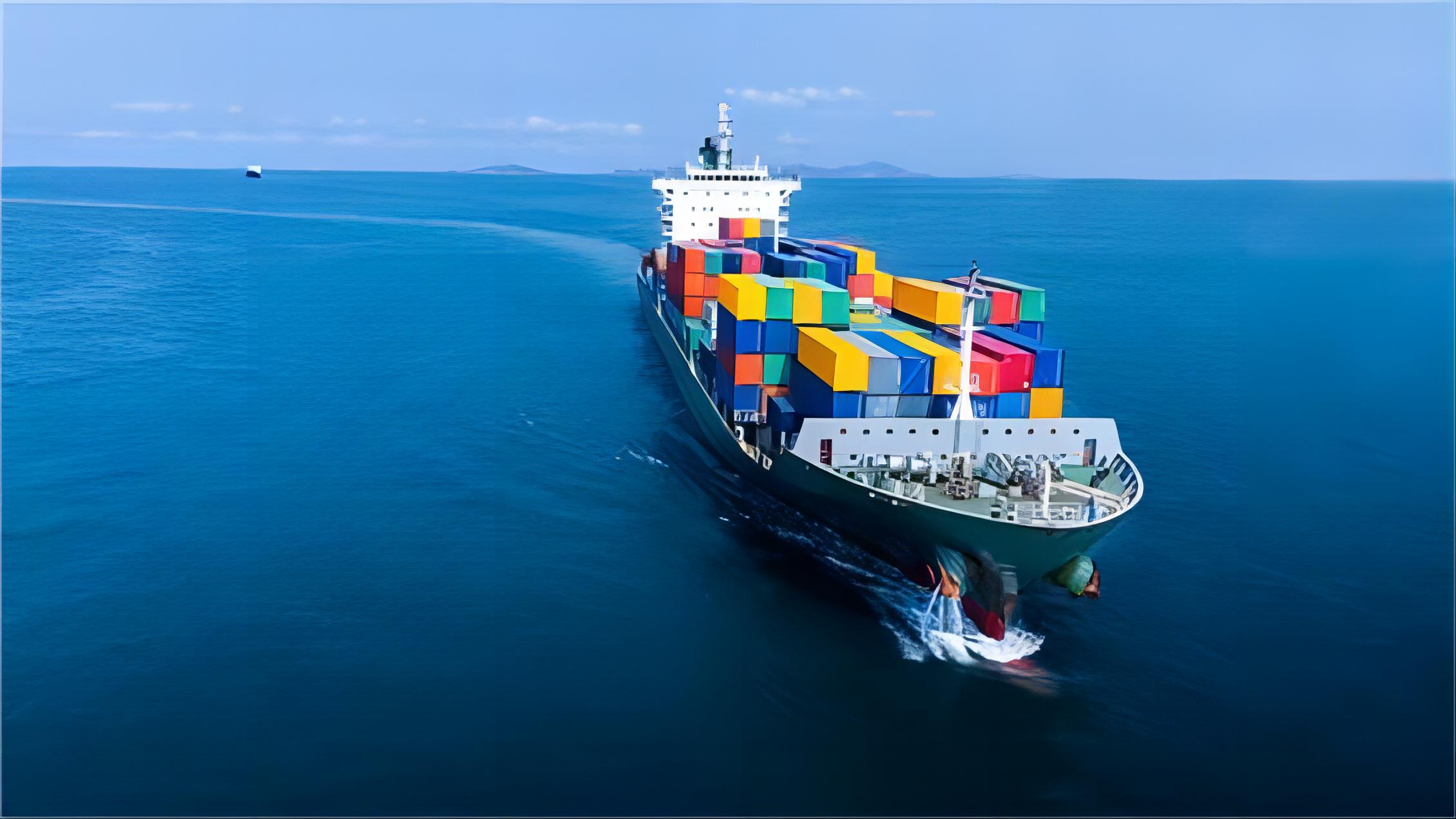
Choosing sea freight in a reefer container is a strategic move for large-scale lighting projects. It combines the volume capacity of ocean shipping with the protection of a controlled environment. Nevertheless, the complexity of these units makes insurance even more critical.
In addition, modern reefer containers include tracking technology. Importers can monitor the internal conditions of their shipment in real-time. This transparency provides peace of mind, though it does not replace the need for financial protection through insurance.
How Does Reefer FCL Compare to Other Shipping Options?
Evaluating different transport methods is vital for optimizing your logistics budget. While Reefer FCL is excellent for protection, other methods might suit different timelines or budgets. For example, smaller shipments might not require a full container.
On the other hand, air freight offers the fastest transit times but at a much higher cost. For urgent samples, air is unbeatable. However, for bulk commercial orders, the cost-per-unit in a reefer container is far more sustainable.
The following table provides a clear comparison of the primary shipping methods available for this route. It highlights the trade-offs between speed, cost, and safety for your lighting inventory.
| Shipping Method | Cost Range | Transit Time | Best For |
|---|---|---|---|
| Reefer FCL | High ($4,000-6,000) | 30-40 Days | High-value LEDs |
| Standard FCL | Medium ($3,000-4,500) | 30-40 Days | Durable fixtures |
| Air Freight | Very High ($15k+) | 5-8 Days | Urgent samples |
| Rail Freight | High ($5,000-7,000) | 18-22 Days | Mid-speed needs |
Insurance Policy Types for High-Value Lighting
Selecting the right policy is as important as choosing the right shipping method. All-Risk insurance is the most common choice for lighting importers. This policy covers damage from external causes, including accidents and natural disasters.
Specifically, you should look for ‘Reefer Breakdown’ clauses. These clauses ensure coverage if the container’s mechanical system fails. Without this specific inclusion, standard marine insurance might deny claims related to temperature damage.
Additionally, ‘General Average’ coverage is essential for all ocean shipments. This protects you if the ship’s captain must sacrifice cargo to save the vessel. Consequently, having this insurance prevents you from paying for other people’s lost goods.
To summarize, always read the fine print of your insurance contract. Ensure that the valuation includes the cost of the goods, freight charges, and a small percentage for anticipated profit. This ensures a full recovery in the event of a total loss.
Case Study 1: Residential Lighting to Birmingham
Case Study 1: Smart LED Systems for UK Distribution. Route: Shenzhen, China to Felixstowe, UK. Cargo: Smart home LED panels, 25 CBM, 4,500 kg. Container: 40HQ Reefer.
Shipping Details: Carrier: COSCO. Port of Loading: Shenzhen. Port of Discharge: Felixstowe. Route Type: Direct via Suez Canal. This shipment required strict temperature control at 20 degrees Celsius.
Cost Breakdown: Ocean Freight: $4,200. Origin Charges: $450. Destination Charges: $600. Customs and Duties: $1,200. Insurance Premium: $180. Total Landed Cost: $6,630.
Timeline: Booking to Loading: 4 days. Sea Transit: 34 days. Customs Clearance: 2 days. Total Door-to-Door: 42 days. Key Insight: The reefer container prevented humidity damage during the high-heat transit through the Red Sea.
Navigating Customs and Documentation
Importing lighting into the UK involves complex regulatory requirements. You must ensure all products comply with UKCA or CE marking standards. Furthermore, accurate documentation is required to avoid lengthy port delays.
Using a professional customs brokerage service simplifies this stage. They handle the submission of the Bill of Lading, Commercial Invoice, and Packing List. Indeed, correct paperwork is the key to a smooth clearance process.
In addition, you must declare the correct commodity codes for your lighting products. Misclassification can lead to heavy fines or the seizure of goods. Therefore, verifying these codes with your supplier and broker beforehand is highly recommended.
Moreover, insurance claims often require proof of proper documentation. If your paperwork is incomplete, the insurance company may delay your payout. Thus, maintaining organized digital records of all shipping documents is a best practice for every importer.
Which Option Should You Choose?
Deciding on the best logistics strategy depends on your specific business needs. If your priority is budget and you have a long lead time, Reefer FCL is the superior choice. It offers the best balance of protection and cost for large volumes.
However, if you are facing a strict project deadline, air freight might be necessary despite the cost. For shipments destined for Europe or the UK that are not temperature-sensitive, standard FCL is a cheaper alternative.
Consider the following criteria for your decision: Budget priority suggests Sea Freight. Speed priority suggests Air Freight. Cargo safety priority for electronics suggests Reefer FCL. Volume thresholds usually favor FCL when shipments exceed 15 CBM.

Case Study 2: Commercial LED Systems to Manchester
Case Study 2: Industrial Warehouse Lighting. Route: Ningbo, China to Liverpool, UK. Cargo: Industrial high-bay LEDs, 18 CBM, 3,200 kg. Container: 20GP Reefer.
Shipping Details: Carrier: Maersk. Port of Loading: Ningbo. Port of Discharge: Liverpool. Route Type: Transshipment via Rotterdam. The cargo was insured for its full replacement value plus freight.
Cost Breakdown: Ocean Freight: $2,800. Origin Charges: $380. Destination Charges: $520. Customs and Duties: $950. Insurance Premium: $120. Total Landed Cost: $4,770.
Timeline: Booking to Loading: 5 days. Sea Transit: 38 days. Customs Clearance: 3 days. Total Door-to-Door: 48 days. Key Insight: Transshipment added 5 days to the transit but reduced the freight cost by 15 percent compared to direct routes.
Logistics Trends and Cost Factors for 2025
Freight rates from China to the UK are influenced by global economic shifts. As of early 2025, rates have stabilized but remain sensitive to fuel price changes. Consequently, booking your Reefer FCL insurance for lighting from China to UK early is advisable.
Seasonal demand also plays a significant role in pricing. During the peak season from August to October, rates typically increase by 20 percent. Meanwhile, the weeks leading up to Chinese New Year often see a surge in both costs and congestion.
Furthermore, using door to door services can often save money in the long run. These all-inclusive packages reduce the risk of hidden fees at the port. They also streamline the insurance process by covering the entire journey under one provider.
Note: Freight rates are subject to change based on fuel costs, carrier capacity, and seasonal demand. Contact us for a current quote tailored to your specific shipment. Market data suggests that reefer availability may tighten during the summer months due to food export peaks.
Securing Your Lighting Shipments
Successfully importing lighting requires a combination of the right equipment and the right protection. Reefer containers offer the necessary climate control to prevent technical failures. Meanwhile, Reefer FCL insurance for lighting from China to UK provides the financial security needed to manage global logistics risks.
By understanding the costs, transit times, and insurance options, you can build a more resilient supply chain. Whether you choose sea, air, or rail, prioritizing the safety of your electronics is the key to long-term profitability. Partner with a reliable freight forwarder to navigate these complexities with confidence.
Ready to streamline your logistics?
Protect your lighting investment today with comprehensive Reefer FCL insurance for lighting from China to UK. Our team provides expert guidance and competitive rates to ensure your cargo arrives in perfect condition. Visit our website to request a personalized shipping quote and secure your supply chain for the upcoming season. Send Inquiry: Visit Top China Freight.com
Request Quote