

China FCL warehouse consolidation to Long Beach: A Complete 2025 Guide
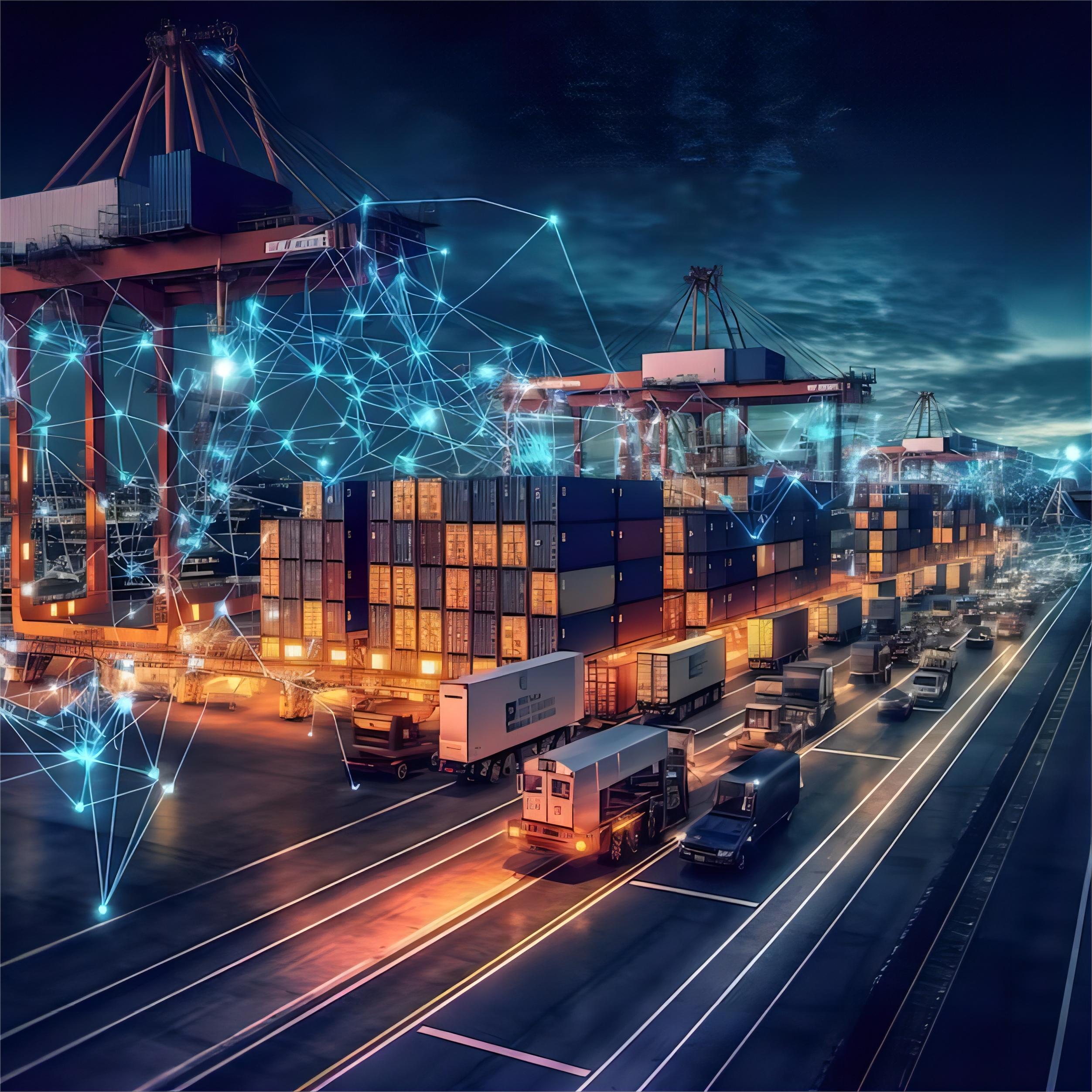
China FCL warehouse consolidation to Long Beach serves as a critical logistics strategy for modern enterprises seeking to streamline their trans-Pacific supply chain operations. By partnering with Top China Freight, businesses can effectively manage diverse cargo requirements while minimizing overhead costs and ensuring timely delivery. This comprehensive approach allows importers to leverage the efficiency of full container loads even when sourcing from multiple suppliers across various Chinese manufacturing hubs.
What is China FCL warehouse consolidation to Long Beach?
Managing multiple shipments from different vendors can be a logistical nightmare for many growing businesses. China FCL warehouse consolidation to Long Beach simplifies this by gathering various smaller shipments into a single full container load before it leaves China.
Consequently, this method provides the security and speed of a dedicated container while allowing for the flexibility of diverse sourcing. Furthermore, the consolidation process typically occurs at major logistics hubs such as Shenzhen, Shanghai, or Ningbo.
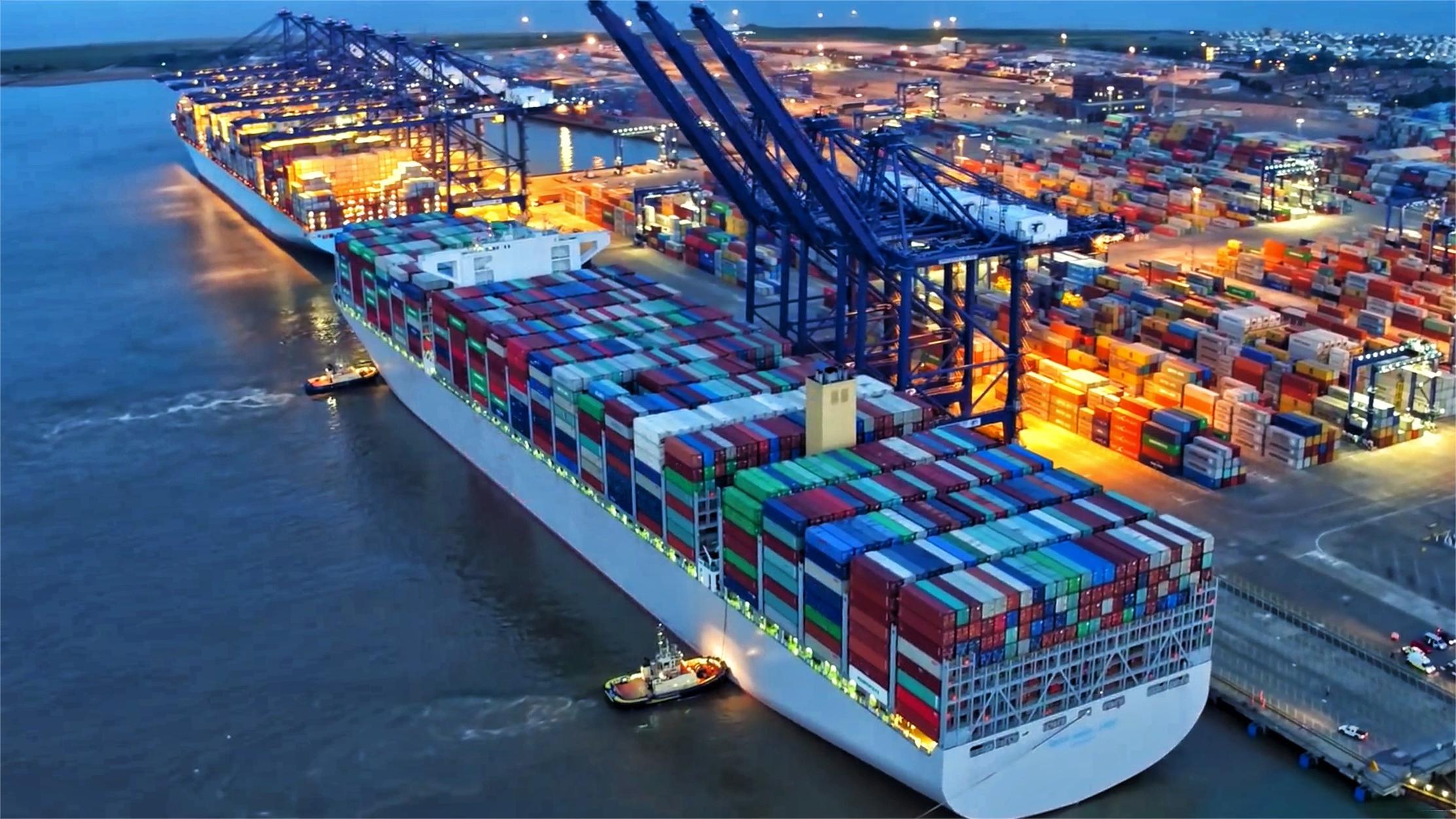
Importers find that this strategy significantly reduces the risk of damage compared to traditional LCL shipping. Moreover, the streamlined nature of FCL movements ensures that goods arrive at the Port of Long Beach with fewer delays and lower handling requirements.
How Does China FCL warehouse consolidation to Long Beach Compare to Other Shipping Options?
Comparing different transportation methods is essential for identifying the most cost-effective solution for your specific cargo needs. While sea freight remains the most popular choice for bulk goods, the specific structure of your shipment determines whether consolidation is right for you.
Specifically, FCL consolidation offers a middle ground between standard full containers and less-than-container loads. Therefore, businesses can enjoy the lower per-unit costs of a full container without needing to fill the entire space from a single factory.
However, air freight remains the fastest option for urgent deliveries despite its significantly higher price point. In contrast, sea-based consolidation provides a balanced approach that prioritizes budget and volume.
| Shipping Method | Cost Range | Transit Time | Best For |
|---|---|---|---|
| FCL Consolidation | $2,800 – $3,800 | 14-18 Days | Multi-vendor orders |
| Direct FCL | $2,500 – $3,500 | 13-16 Days | Single vendor bulk |
| LCL Shipping | $50 – $120/CBM | 18-22 Days | Small test batches |
| Air Freight | $5,000 – $15,000 | 3-5 Days | Urgent inventory |
Key Benefits of Using FCL Consolidation Services
Many advantages exist when choosing to consolidate your goods into a single container before trans-Pacific transport. First, the reduction in port handling fees at Long Beach can lead to substantial savings over the course of a fiscal year.
Additionally, consolidated FCL shipments often bypass the lengthy deconsolidation process required for LCL cargo. This means your goods are ready for pickup or delivery much faster once the vessel berths at the terminal.
Reliability is another major factor that drives businesses toward this model. Because the container remains sealed from the consolidation warehouse to the final destination, the likelihood of loss or theft is greatly diminished.
Navigating the Consolidation Process Step by Step
Successful China FCL warehouse consolidation to Long Beach requires a well-coordinated sequence of events. Initially, your freight forwarder will arrange for your various suppliers to deliver their goods to a central warehouse facility.
Next, the logistics team performs a thorough inspection and inventory check to ensure all items match the packing list. Once all cargo has arrived, it is professionally loaded into a 20GP, 40GP, or 40HQ container based on the total volume.
Finally, the loaded container is trucked to the port of loading for export. Utilizing a comprehensive door to door service can further simplify this process by managing every touchpoint from the factory to your warehouse.
Cost Factors and Market Trends for 2025
Understanding the various components of shipping costs helps in creating more accurate budgets for your import operations. As of early 2025, freight rates for China FCL warehouse consolidation to Long Beach have stabilized after the fluctuations seen in previous years.
Factors such as fuel surcharges, seasonal demand peaks, and port congestion at Long Beach still play a significant role in final pricing. For instance, rates typically increase by 15-25 percent during the peak season from August through October.
Moreover, the location of your suppliers in China affects the inland trucking costs to the consolidation warehouse. Choosing a warehouse close to major ports like Shenzhen or Shanghai can help keep these initial expenses under control.
| Origin Port | Destination | Transit Time | Typical Carrier |
|---|---|---|---|
| Shanghai | Long Beach | 14-16 Days | Maersk / MSC |
| Ningbo | Long Beach | 15-17 Days | COSCO / ONE |
| Shenzhen | Long Beach | 13-15 Days | ZIM / Evergreen |
| Xiamen | Long Beach | 16-18 Days | HMM / Yang Ming |
Case Studies: Real-World Consolidation Success
Case Study 1: Electronics from Shenzhen. Route: Shenzhen, China to Long Beach, USA. Cargo: Consumer Electronics, 65 CBM, 12,000 kg. Container: 40HQ. Shipping Details: Direct carrier via COSCO. Port of Loading: Shenzhen. Port of Discharge: Long Beach. Cost Breakdown: Ocean Freight: $3,200; Origin Charges: $450; Destination Charges: $600; Customs and Duties: $1,200; Total Landed Cost: $5,450. Timeline: Booking to Loading: 4 days; Sea Transit: 15 days; Customs Clearance: 2 days; Total Door-to-Door: 21 days. Key Insight: Direct routing saved five days compared to transshipment options.
Case Study 2: Home Furniture from Ningbo. Route: Ningbo, China to Long Beach, USA. Cargo: Wooden Furniture, 28 CBM, 8,000 kg. Container: 20GP. Shipping Details: Direct carrier via Maersk. Port of Loading: Ningbo. Port of Discharge: Long Beach. Cost Breakdown: Ocean Freight: $1,900; Origin Charges: $350; Destination Charges: $500; Customs and Duties: $800; Total Landed Cost: $3,550. Timeline: Booking to Loading: 5 days; Sea Transit: 16 days; Customs Clearance: 3 days; Total Door-to-Door: 24 days. Key Insight: Utilizing FCL for a nearly full 20GP was more cost-effective than LCL.
Note: Freight rates are subject to change based on fuel costs, carrier capacity, and seasonal demand. Contact us for a current quote tailored to your specific shipment.
Which Option Should You Choose for Your Cargo?
Deciding on the best shipping strategy depends largely on your inventory volume and delivery schedule. If you are shipping goods for Amazon FBA, consolidation is often the best way to meet strict delivery windows while keeping costs low.
Budget priority usually dictates a move toward sea-based consolidation for shipments exceeding 15 cubic meters. Conversely, if speed is your primary concern and the cargo volume is low, air freight or express services might be necessary.
Volume thresholds are a vital consideration for any logistics manager. Once your combined orders reach approximately 65 percent of a container’s capacity, moving to an FCL consolidation model almost always becomes more economical than LCL.
Customs and Documentation Requirements
Proper documentation is the backbone of a smooth customs clearance process when importing goods into the United States. Working with an experienced customs brokerage ensures that all paperwork is filed correctly and on time.
Moreover, missing or incorrect documents can lead to expensive storage fees and significant delays at the Port of Long Beach. Therefore, it is essential to prepare all required certificates and invoices well before the vessel arrives.
Compliance with the latest trade regulations and tariff schedules is also mandatory. Importers must stay informed about changing duties to avoid unexpected costs during the final stages of the journey.
| Document Name | Purpose | Required By | Timing |
|---|---|---|---|
| Bill of Lading | Title of goods | Carrier/Customs | At departure |
| Commercial Invoice | Valuation | US Customs | Pre-arrival |
| Packing List | Cargo details | Warehouse/Customs | At loading |
| ISF Filing | Security screening | CBP | 24hrs pre-load |
Mastering Your Trans-Pacific Logistics
China FCL warehouse consolidation to Long Beach remains one of the most effective ways to balance cost and efficiency in the modern global market. By centralizing your shipments and utilizing the Port of Long Beach as your primary entry point, you can achieve a more resilient and predictable supply chain.
Indeed, the combination of professional consolidation services and strategic route planning provides a significant competitive advantage. Whether you are a small business or a large corporation, mastering this logistics model is key to long-term success in international trade.
Ready to streamline your logistics?
Reach out to our team today for a customized quote on China FCL warehouse consolidation to Long Beach. We ensure your cargo moves efficiently and safely across the ocean while providing the most competitive rates in the market. Send Inquiry:
Request Quote