


China FCL DDU shipping to Spain: The Complete Logistics Guide
Navigating the complexities of international trade requires a reliable partner to manage your logistics needs from start to finish. If you are looking for a seamless way to transport goods, choosing Top China Freight ensures your cargo moves efficiently across global borders. China FCL DDU shipping to Spain represents one of the most cost-effective and secure methods for businesses to import large volumes of products directly to their warehouse. This comprehensive guide will explore every aspect of the process, from choosing the right container to understanding Spanish customs regulations.

What is China FCL DDU shipping to Spain?
FCL stands for Full Container Load, meaning you rent an entire 20ft or 40ft container for your exclusive use. This method is ideal for businesses with enough cargo to fill a container, providing better security and faster handling than shared options.
DDU refers to Delivered Duty Unpaid, an Incoterm where the seller is responsible for the safe delivery of goods to a named destination in the country of import. However, the buyer remains responsible for paying import duties and taxes upon arrival in Spain.
Combining these two concepts, China FCL DDU shipping to Spain offers a streamlined solution where your freight forwarder manages the ocean transit and local delivery. Consequently, you can focus on your core business while the logistics experts handle the heavy lifting.
Spanish importers often prefer this method because it provides a clear breakdown of transport costs while allowing them to manage their own tax liabilities. Indeed, it strikes a perfect balance between convenience and financial control in the shipping process.
Why Choose FCL Over LCL for Spanish Shipments?
Selecting the right shipping volume is a critical decision that impacts both your budget and your timeline. For shipments exceeding 15 cubic meters, FCL typically becomes more economical than Less than Container Load (LCL) options.
Security is a major advantage of utilizing a full container for your goods. Since the container is sealed at the origin in China and only opened at your destination in Spain, the risk of damage or theft is significantly reduced.
Speed is another factor that makes FCL attractive for Spanish businesses. Unlike LCL, which requires time for consolidating and deconsolidating cargo from multiple shippers, FCL containers move directly through the logistics chain.
Implementing a door to door strategy with FCL allows for precise scheduling. You can coordinate your warehouse staff in Madrid or Barcelona with confidence, knowing exactly when the container will arrive for unloading.
How Does FCL Compare to Other Shipping Options?
Evaluating different transport modes is essential to find the best fit for your specific cargo requirements. While sea freight is the most common choice for China FCL DDU shipping to Spain, other methods like air or rail provide different benefits.
Air freight offers the fastest transit times but comes with a much higher price tag. Therefore, it is usually reserved for high-value electronics or urgent fashion items that cannot wait for the ocean voyage.
Rail freight has emerged as a middle-ground alternative, connecting Chinese hubs to European terminals via the New Silk Road. Meanwhile, sea freight remains the champion of capacity and cost-efficiency for bulk commodities.
The following table provides an objective analysis of how these various shipping methods compare for the China-to-Spain route.
| Shipping Method | Cost Range | Transit Time | Best For |
|---|---|---|---|
| Sea Freight (FCL) | $2,500 – $4,500 | 30 – 40 Days | Bulk goods, Furniture |
| Rail Freight | $4,000 – $6,000 | 18 – 24 Days | Industrial parts |
| Air Freight | $15,000+ | 5 – 8 Days | Urgent electronics |
| Sea-Air Hybrid | Moderate | 15 – 20 Days | Seasonal inventory |

Major Ports Involved in China FCL DDU shipping to Spain
China boasts some of the busiest and most efficient ports in the world, serving as the starting point for your Spanish imports. Major hubs like Shanghai, Shenzhen, and Ningbo handle the majority of outbound FCL containers destined for Europe.
Spain features several strategic gateways that facilitate easy access to the rest of the Iberian Peninsula. Barcelona and Valencia are the primary Mediterranean ports, while Algeciras serves as a vital transshipment hub near the Strait of Gibraltar.
Choosing the right port of entry can significantly impact your inland haulage costs. For instance, if your warehouse is located in central Spain, Valencia often provides the shortest trucking route compared to northern ports like Bilbao.
When planning your shipping from China to Europe, consider the congestion levels at each port. Furthermore, some carriers offer direct services to Barcelona that can save several days compared to routes involving multiple stops.
Understanding Transit Times for FCL Shipments
Predicting the arrival of your goods is crucial for maintaining a healthy supply chain and meeting customer expectations. The voyage from China to Spain typically takes between 30 and 45 days, depending on the specific route and carrier.
Direct routes from South China ports like Shenzhen to Barcelona are generally faster than those originating from North China. Additionally, seasonal weather patterns and port congestion during peak periods can add unexpected delays to the schedule.
Transit times also include the time required for loading at the origin and local delivery in Spain. Consequently, you should always factor in an extra week for the end-to-end DDU process to ensure your inventory levels remain stable.
Below is a breakdown of typical transit times from major Chinese ports to Spanish destinations based on early 2025 market data.
| Origin Port | Destination Port | Transit (Days) | Service Type |
|---|---|---|---|
| Shenzhen | Barcelona | 28 – 32 | Direct |
| Ningbo | Valencia | 32 – 36 | Transshipment |
| Shanghai | Bilbao | 38 – 42 | Direct |
| Qingdao | Algeciras | 35 – 40 | Transshipment |
Cost Breakdown for China FCL DDU shipping to Spain
Freight rates are influenced by a variety of factors, including fuel costs, container availability, and seasonal demand. As of early 2025, rates have stabilized but remain sensitive to global logistics trends and geopolitical events.
Ocean freight is the largest component of your total cost, covering the transport from the Chinese port to the Spanish port. However, you must also account for origin charges such as terminal handling and documentation fees.
DDU shipping includes the cost of trucking from the Spanish port to your final destination. Nevertheless, it does not include the Spanish Value Added Tax (VAT) or customs duties, which you must settle separately with the authorities.
Using a professional customs brokerage service can help you estimate these taxes accurately. This ensures there are no financial surprises when your cargo reaches the Spanish border.
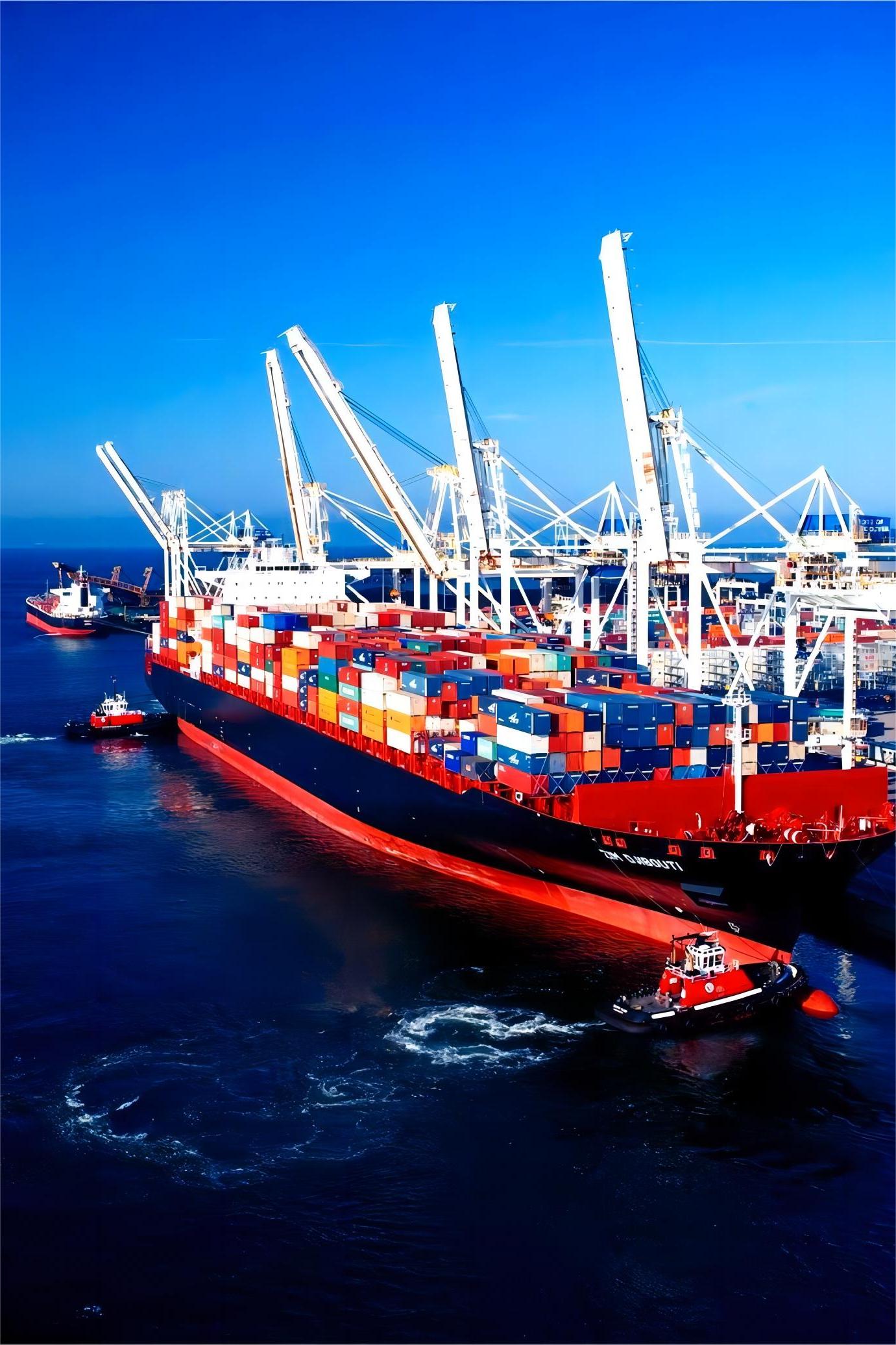
Real-World Case Studies for Spain FCL Shipping
Examining real scenarios helps clarify the logistical steps and costs involved in transporting goods from China. These examples reflect typical shipments handled during the 2024-2025 period for Spanish businesses.
Case Study 1: Electronics from Shenzhen to Madrid. A Spanish retailer imported 68 cubic meters of consumer electronics in a 40HQ container. The shipment used a direct route to Valencia followed by rail transport to a Madrid warehouse.
Case Study 2: Furniture from Ningbo to Barcelona. A home decor company shipped two 20GP containers filled with wooden furniture. This shipment faced minor delays due to seasonal port congestion but arrived within the expected 35-day window.
Case Study 3: Industrial Machinery from Shanghai to Bilbao. This specialized shipment required careful cargo handling and precise documentation for Spanish customs. The DDU terms allowed the importer to manage their own duty exemptions successfully.
Case Study 1: Consumer Electronics
Route: Shenzhen, China to Madrid, Spain. Cargo: Smartphones and Accessories, 65 CBM. Container: 40HQ. Carrier: Major carrier. Port of Loading: Shenzhen. Port of Discharge: Valencia. Route Type: Direct.
Cost Breakdown: Ocean Freight: $3,850. Origin Charges: $450. Destination Haulage: $800. Customs and Duties: Paid by buyer. Total Landed Cost (Shipping only): $5,100. Timeline: 32 days total door-to-door.
Key Insight: Using Valencia as the entry port for Madrid saved $300 in trucking costs compared to using Barcelona.
Case Study 2: Home Furniture
Route: Ningbo, China to Barcelona, Spain. Cargo: Wooden Tables and Chairs, 28 CBM. Container: 20GP. Carrier: COSCO. Port of Loading: Ningbo. Port of Discharge: Barcelona. Route Type: Transshipment via Singapore.
Cost Breakdown: Ocean Freight: $2,200. Origin Charges: $350. Destination Haulage: $400. Customs and Duties: Paid by buyer. Total Landed Cost (Shipping only): $2,950. Timeline: 38 days total door-to-door.
Key Insight: Transshipment was $400 cheaper than a direct flight, making it better for non-urgent furniture stock.
Which Option Should You Choose?
Deciding on the best shipping strategy depends on your specific business priorities, such as budget, speed, and cargo volume. If your primary goal is cost reduction, sea freight FCL remains the most logical choice for large orders.
Budget priority: Choose Sea Freight FCL if you have more than 15 CBM of goods. This method offers the lowest cost per unit and predictable pricing for long-term planning.
Speed priority: Consider Rail Freight if you need your goods in Spain within three weeks. While more expensive than sea, it is significantly cheaper than air freight while offering a faster turnaround.
Volume thresholds: For shipments under 10 CBM, LCL might be cheaper, but once you hit the 15 CBM mark, the flat rate of a 20ft container usually provides better value. Always request a current quote to compare the latest market rates.
Final Thoughts on FCL DDU Shipping to Spain
Successful China FCL DDU shipping to Spain requires a thorough understanding of transit times, port options, and cost structures. By choosing the right container size and entry port, you can significantly reduce your landed costs and improve delivery reliability.
Furthermore, partnering with an experienced freight forwarder ensures that the complexities of DDU terms are managed professionally. This allows you to focus on growing your business while your supply chain remains efficient and secure.
In summary, whether you are shipping electronics to Madrid or furniture to Barcelona, FCL DDU remains a premier choice for Spanish importers. Take the time to analyze your shipping data and choose the method that best aligns with your commercial goals.
Ready to streamline your logistics?
Ready to streamline your imports? Contact us today for a personalized quote on China FCL DDU shipping to Spain and let our experts handle your logistics with ease. Visit our website to learn more about our comprehensive shipping solutions.
Request Quote