
China FCL Door to Port to Sweden: Ultimate 2025 Shipping Guide
China FCL door to port to Sweden services provide a robust solution for businesses moving large volumes of goods across the globe. Navigating the complexities of international trade requires a reliable partner like Top China Freight to ensure your cargo arrives safely and on schedule. Consequently, understanding the nuances of container logistics can significantly reduce your overhead and improve supply chain efficiency.

What is China FCL Door to Port to Sweden Shipping?
China FCL door to port to Sweden involves collecting a full container from a supplier in China and delivering it to a designated Swedish port. This method ensures that your goods remain undisturbed within a single container throughout the entire maritime journey. Moreover, using sea freight for these routes offers the most cost-effective balance for heavy or bulky industrial items.
Selecting this service means you manage the final leg of transport from the port to your warehouse. Nevertheless, the door-to-port model provides greater control over local Swedish logistics and potential cost savings on drayage. Specifically, it is the preferred choice for importers who have established local trucking partnerships in Scandinavia.
Why Choose FCL for Your Sweden Shipments?
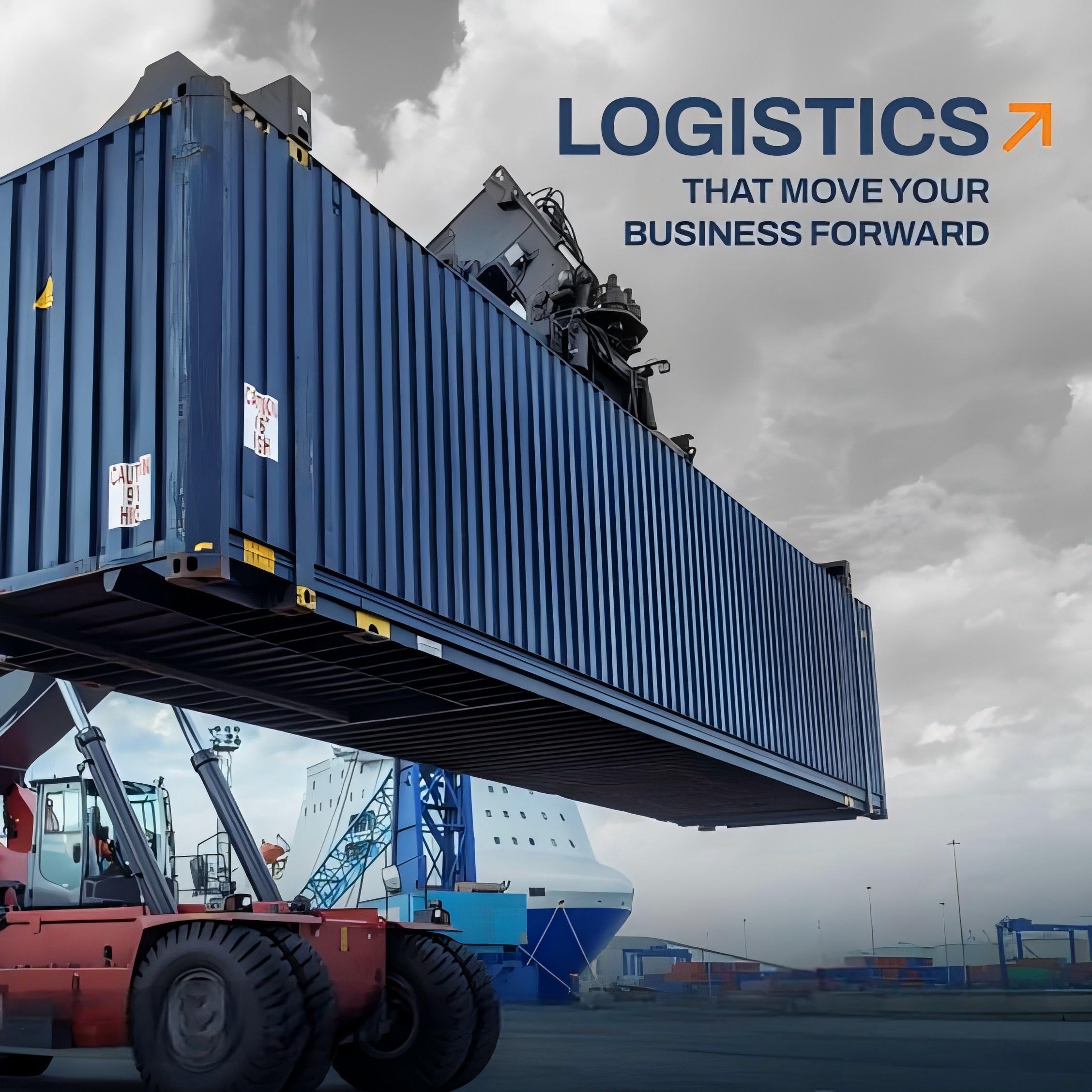
Full Container Load (FCL) shipping offers superior security compared to Less than Container Load (LCL) options. Since the container is sealed at the origin, the risk of damage or loss during handling is significantly minimized. Additionally, FCL shipments often experience faster transit times because they do not require the consolidation and deconsolidation processes associated with smaller loads.
Choosing door to door logistics elements within a door-to-port framework allows for a customized approach to supply chain management. Furthermore, FCL pricing is typically more stable, allowing for better long-term budget planning. Indeed, businesses moving more than 15 cubic meters of goods find FCL to be the most economical choice for Swedish trade.
Major Ports and Transit Times for China to Sweden Routes
Shipping from China to Europe, specifically Sweden, involves several key departure and arrival points. Most shipments originate from major hubs like Shanghai, Ningbo, or Shenzhen due to their high frequency of vessel departures. Consequently, these ports offer the most competitive rates and flexible scheduling for Swedish importers.
Transit times vary based on the specific route and the carrier chosen for the voyage. Usually, a direct vessel from China to Gothenburg takes between 35 and 45 days. Meanwhile, routes involving transshipment in ports like Hamburg or Rotterdam may take slightly longer but can offer lower freight rates.
| Origin Port | Destination Port | Service Type | Transit Time |
|---|---|---|---|
| Shanghai | Gothenburg | Direct | 35-38 Days |
| Shenzhen | Stockholm | Transshipment | 42-48 Days |
| Ningbo | Helsingborg | Direct | 38-42 Days |
| Qingdao | Gothenburg | Transshipment | 40-45 Days |
Understanding Shipping Costs and Container Rates
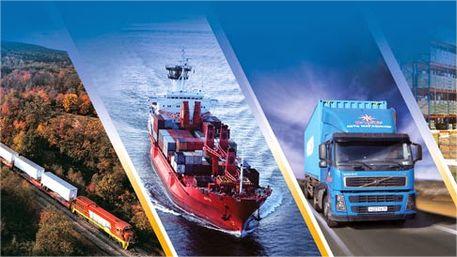
Freight rates for China FCL door to port to Sweden fluctuate based on seasonal demand and fuel surcharges. For example, peak seasons before the Lunar New Year or during the Q4 holiday rush often see price spikes of 20 percent or more. Therefore, booking your container at least 3-4 weeks in advance is essential to secure the best possible pricing.
As of early 2025, market data suggests that 20GP containers are ideal for heavy, dense cargo like machinery. On the other hand, 40HQ containers provide the best value for light but voluminous goods such as furniture or textiles. Without a doubt, comparing different container sizes is the first step in optimizing your landed cost.
| Container Type | Capacity | Avg. Cost (USD) | Best For |
|---|---|---|---|
| 20GP | 28-30 CBM | $1,800 – $2,500 | Heavy Machinery |
| 40GP | 56-58 CBM | $2,800 – $3,800 | General Cargo |
| 40HQ | 66-68 CBM | $3,000 – $4,200 | Voluminous Goods |
How Does FCL Compare to Other Shipping Options?
While sea freight is the backbone of China-Sweden trade, alternative methods exist for different business needs. Air freight is significantly faster but comes with a much higher price tag, making it suitable only for high-value or urgent cargo. In contrast, rail freight offers a middle ground, providing faster transit than sea at a lower cost than air.
Sea-air hybrid solutions are also gaining popularity for those seeking a balance between speed and budget. However, for the majority of bulk shipments, the FCL maritime route remains the undisputed leader in cost efficiency. Note: Freight rates are subject to change based on fuel costs, carrier capacity, and seasonal demand. Contact us for a current quote tailored to your specific shipment.
| Method | Cost Range | Transit Time | Best For |
|---|---|---|---|
| Sea FCL | $2,000 – $4,500 | 35-45 Days | Bulk Goods |
| Air Freight | $8,000 – $15,000+ | 5-8 Days | Urgent Items |
| Rail Freight | $4,000 – $6,000 | 18-22 Days | E-commerce |
Which Option Should You Choose?
Budget priority dictates a strong recommendation for FCL sea freight, especially when shipping volumes exceed 15 cubic meters. If speed is your primary concern, air freight is the only viable choice despite the expense. Consequently, businesses must weigh the urgency of their inventory needs against their available logistics budget.
Cargo type also plays a critical role in the decision-making process. For instance, hazardous materials or oversized machinery may be restricted on certain rail or air routes. Meanwhile, standard consumer goods are perfectly suited for the stability and scale of FCL ocean containers.
Essential Customs Documentation for Swedish Imports
Navigating the Swedish customs landscape requires precise documentation to avoid costly delays at the port of discharge. You must provide a Commercial Invoice, a detailed Packing List, and a Bill of Lading for every shipment. Furthermore, working with a professional customs brokerage ensures that all VAT and duty calculations are accurate.
Swedish authorities also require an EORI number for all businesses importing goods from outside the European Union. Additionally, specific products like electronics or chemicals may require certificates of conformity or safety data sheets. Indeed, preparing these documents well in advance of the vessel’s arrival is the key to a smooth clearance process.
Real-World Case Studies: China to Sweden Logistics
Case Study 1: Electronics Distribution. Route: Shenzhen to Gothenburg. Cargo: Consumer electronics, 65 CBM. Container: 40HQ. Shipping Details: Major carrier, direct route. Ocean Freight: $3,450. Origin Charges: $450. Destination Charges: $600. Customs: $1,200. Total Landed Cost: $5,700. Timeline: 38 days door-to-port. Key Insight: Early booking during Q3 avoided the peak season rate hike of 25 percent.
Case Study 2: Furniture Retailer. Route: Ningbo to Helsingborg. Cargo: Wooden furniture, 26 CBM. Container: 20GP. Shipping Details: Transshipment via Hamburg. Ocean Freight: $2,100. Origin Charges: $380. Destination Charges: $550. Customs: $900. Total Landed Cost: $3,930. Timeline: 44 days door-to-port. Key Insight: Using a 20GP was more cost-effective than LCL for this specific volume and weight.
Based on Q3 2024 market rates, these examples reflect typical scenarios for Swedish importers. Note: Freight rates are subject to change based on fuel costs, carrier capacity, and seasonal demand. Contact us for a current quote tailored to your specific shipment.
Market Trends and 2025 Outlook for China-Sweden Freight
As of Q1 2025, freight rates from China to Europe have stabilized after the 2024 Red Sea disruptions. However, environmental regulations in the shipping industry are leading to new carbon surcharges that importers must consider. Moreover, the trend toward digitalization in logistics is making real-time tracking of FCL containers a standard expectation.
Logistics trends suggest that Swedish ports are investing heavily in automation to speed up container handling. Consequently, the total time spent at the port of discharge is expected to decrease over the next two years. Nevertheless, staying informed about global maritime shifts is vital for maintaining a competitive edge in the Swedish market.
Final Thoughts on China to Sweden Container Shipping
Managing a China FCL door to port to Sweden shipment requires careful planning and a deep understanding of maritime logistics. By selecting the right container size and departure port, you can significantly impact your bottom line. Furthermore, ensuring all customs documentation is in order prevents unnecessary delays at Swedish ports.
Ultimately, the success of your international trade depends on choosing a reliable freight forwarder who understands the unique requirements of the Scandinavian market. Whether you are moving electronics, furniture, or industrial machinery, FCL remains the most efficient way to transport goods from China to Sweden. Start planning your next shipment today to take advantage of current market rates and capacity.

Ready to streamline your logistics?
Ready to streamline your imports from China? Our team of experts is standing by to provide a customized quote for your China FCL door to port to Sweden shipment. Contact Top China Freight today to optimize your logistics and reduce your shipping costs. Send Inquiry
Request Quote