


Flat Rack FCL Sailing Schedule for Machinery from China to Belgium
Shipping heavy industrial equipment requires a precise Flat Rack FCL sailing schedule for machinery from China to Belgium to ensure supply chain continuity. Top China Freight offers specialized logistics management for oversized cargo moving across international waters. Consequently, understanding the specific departure dates and carrier options is essential for businesses looking to minimize downtime and control costs. Furthermore, this guide provides comprehensive insights into transit times, pricing trends, and the operational requirements for handling out-of-gauge machinery safely.
Understanding the Flat Rack FCL Sailing Schedule for Machinery from China to Belgium
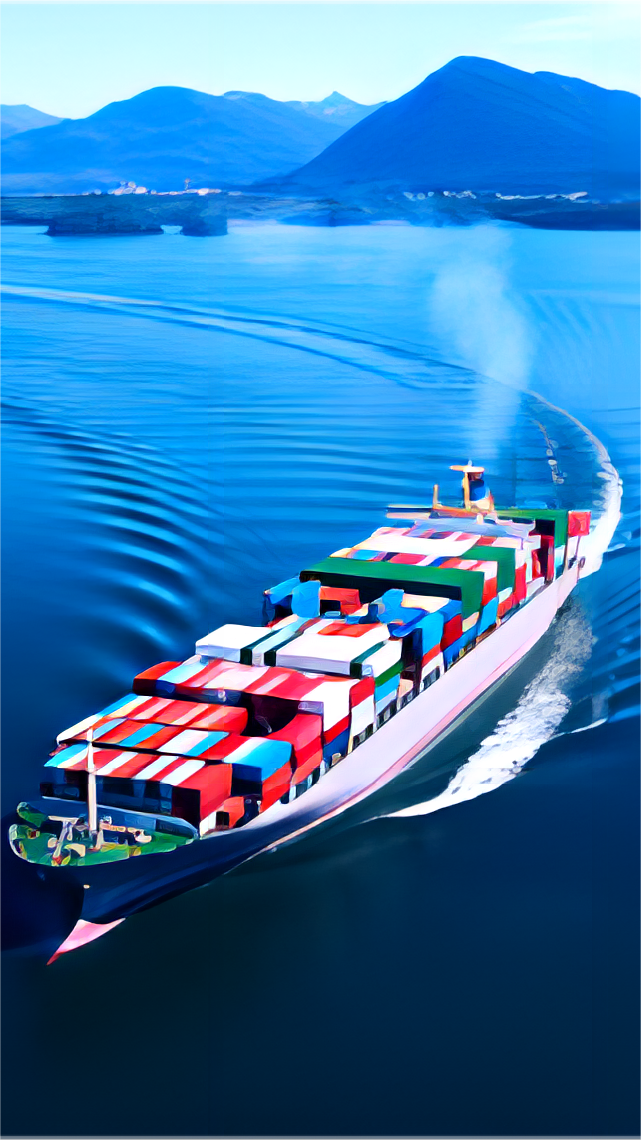
A reliable Flat Rack FCL sailing schedule for machinery from China to Belgium typically involves weekly departures from major Chinese hubs like Shanghai and Ningbo. Moreover, these schedules are managed by top-tier carriers who specialize in handling oversized and heavy cargo that cannot fit into standard containers. Indeed, knowing the exact cut-off times for loading is vital for maintaining your project timeline.
Nevertheless, schedules can fluctuate based on port congestion or seasonal demand shifts in the global shipping industry. Therefore, importers must maintain close communication with their freight forwarders to receive real-time updates on vessel availability. Additionally, booking at least two to three weeks in advance is highly recommended for flat rack equipment due to its specialized nature.
Why Use Flat Rack Containers for Machinery Shipments?
Flat rack containers are indispensable for transporting heavy machinery because they lack side walls and a roof. As a result, this design allows for the easy loading of wide or tall equipment using overhead cranes. Choosing sea freight with flat rack containers ensures that your industrial assets are secured properly for the long voyage.
Furthermore, flat racks come in 20-foot and 40-foot variations to accommodate different weight and size requirements. In addition, these containers are designed to withstand the immense pressure of concentrated heavy loads. Consequently, they remain the preferred choice for manufacturers of construction equipment, CNC machines, and large agricultural tools.
How Does Flat Rack FCL Compare to Other Shipping Options?
While flat rack containers are excellent for out-of-gauge cargo, other methods like RORO or rail freight might be suitable depending on the specific machinery type. For instance, rail freight offers a faster transit time to Europe compared to sea routes, though it has stricter size limitations. On the other hand, RORO is ideal for self-propelled machinery like tractors or excavators.
In contrast, sea-air hybrid solutions are rarely used for heavy machinery due to the extreme cost of air transport for high-density cargo. To summarize, the choice depends on your budget, the dimensions of the cargo, and how quickly the machinery needs to be operational at the destination. Without a doubt, Flat Rack FCL provides the most balanced solution for most heavy industrial needs.
| Shipping Method | Cost Range | Transit Time | Best For |
|---|---|---|---|
| Flat Rack FCL | $3,000 – $5,500 | 30-35 Days | Oversized/Heavy Machinery |
| RORO Shipping | $2,500 – $4,800 | 35-40 Days | Self-propelled Equipment |
| Rail Freight | $6,000 – $9,000 | 18-22 Days | Standard Sized Heavy Goods |
| Breakbulk | Variable | 40-50 Days | Extremely Large Projects |
Major Ports and Transit Times for China to Belgium Routes
The primary ports of loading in China for machinery include Shanghai, Ningbo, and Shenzhen due to their advanced heavy-lift capabilities. Meanwhile, the Port of Antwerp and the Port of Zeebrugge serve as the main gateways for machinery entering Belgium. Accordingly, these ports are equipped with the specialized infrastructure needed to unload and move flat rack containers efficiently.
Transit times generally range from 28 to 38 days depending on whether the service is direct or involves transshipment in hubs like Singapore. For example, a direct vessel from Shanghai to Antwerp is often the fastest sea route available. However, transshipment routes might offer more competitive rates if the timeline is less critical for your business operations.
| Origin Port | Destination Port | Service Type | Transit Days |
|---|---|---|---|
| Shanghai | Antwerp | Direct | 30-32 Days |
| Ningbo | Zeebrugge | Direct | 32-34 Days |
| Shenzhen | Antwerp | Transshipment | 35-38 Days |
| Qingdao | Antwerp | Direct | 34-36 Days |
Current Freight Rates and Cost Factors for 2025
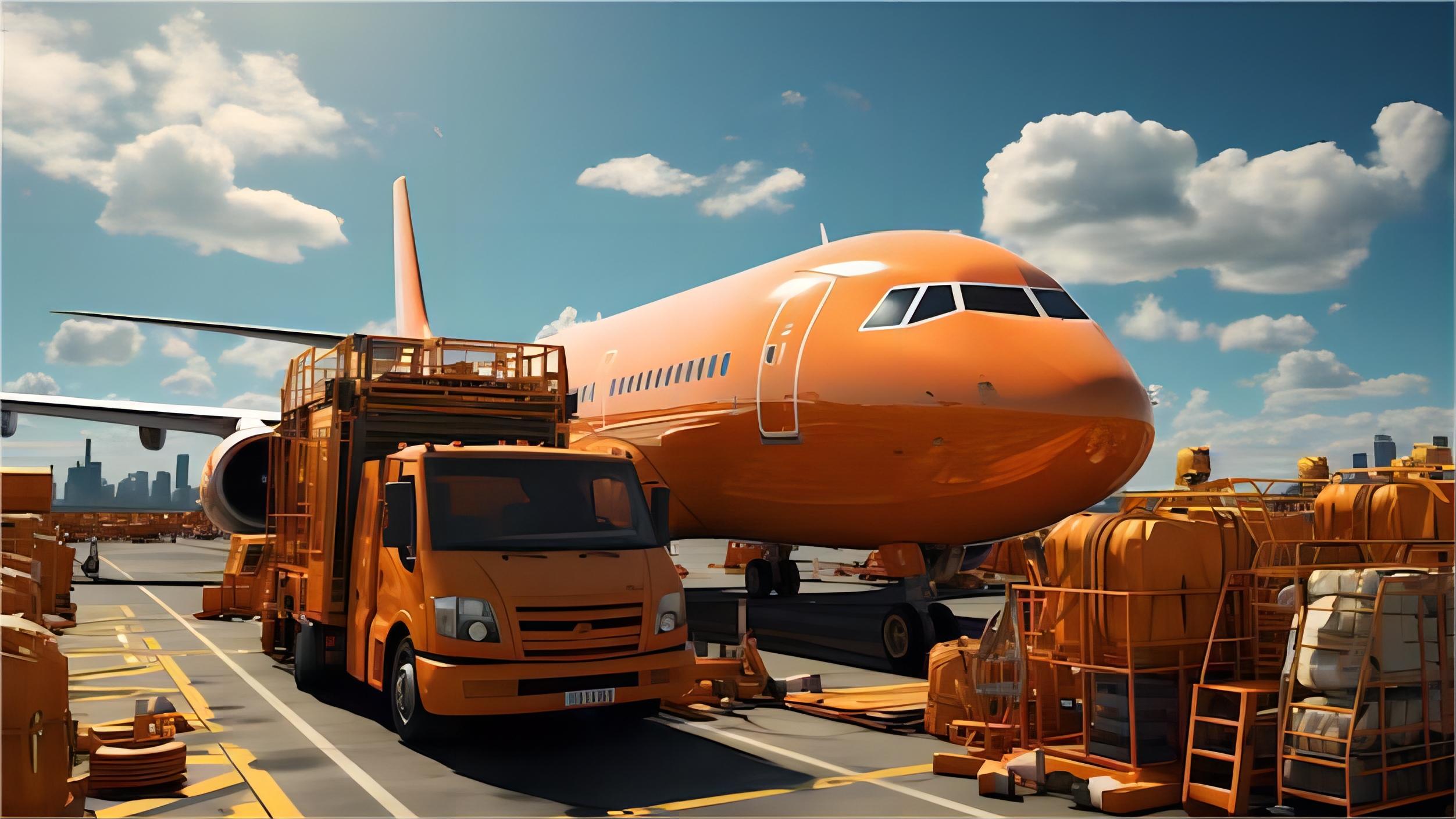
Freight rates for flat rack containers are influenced by bunker fuel prices, equipment availability, and seasonal peak demands. As of early 2025, rates have stabilized but remain subject to surcharges for out-of-gauge (OOG) cargo that occupies extra space on the vessel. Therefore, it is essential to provide accurate dimensions when requesting a quote to avoid unexpected fees.
In addition, origin and destination charges such as terminal handling and documentation fees must be factored into the total landed cost. Consequently, businesses should work with a provider that offers transparent pricing structures. Note: Freight rates are subject to change based on fuel costs, carrier capacity, and seasonal demand. Contact us for a current quote tailored to your specific shipment.
Essential Customs and Documentation for Machinery Imports
Navigating the regulatory landscape in Belgium requires professional customs brokerage to ensure all machinery meets EU standards. For instance, the CE marking is often mandatory for industrial equipment to be legally operated within the European Union. Furthermore, accurate HS code classification is critical for determining the correct import duties and taxes.
Moreover, you must prepare a detailed packing list, commercial invoice, and the Bill of Lading before the vessel arrives. Indeed, any discrepancies in documentation can lead to lengthy delays and expensive storage fees at the port. To summarize, being proactive with paperwork is the best way to ensure a smooth transition through Belgian customs.
| Document Name | Purpose | Required By | Typical Status |
|---|---|---|---|
| Bill of Lading | Title to Cargo | Carrier/Customs | Mandatory |
| Commercial Invoice | Valuation for Duty | Customs | Mandatory |
| Packing List | Cargo Details | Port/Customs | Mandatory |
| CE Certificate | Safety Compliance | EU Regulators | Highly Recommended |
How to Optimize Your Flat Rack FCL Sailing Schedule for Machinery from China to Belgium
Optimization begins with choosing the right departure window that aligns with your production completion dates. Additionally, coordinating the inland transport in China ensures that the machinery reaches the port well before the vessel’s closing date. Meanwhile, selecting a door to door service can simplify the entire process by managing every leg of the journey.
Furthermore, using lashing and securing experts at the port of loading prevents damage during high seas. As a result, your machinery arrives in Belgium in the same condition it left the factory. Therefore, investing in quality packing and professional logistics oversight is always a cost-effective strategy in the long run.

Real-World Case Studies for Machinery Shipping
Case Study 1: Industrial Excavator Shipment Route: Shanghai, China to Antwerp, Belgium Cargo: Heavy Excavator, 22 CBM, 15,000 kg Container: 40FR (Flat Rack) Shipping Details: Carrier: COSCO, Port of Loading: Shanghai, Route Type: Direct Cost Breakdown: Ocean Freight: $4,200, Origin Charges: $400, Destination Charges: $550, Customs: $750, Total Landed Cost: $5,900 Timeline: Booking to Loading: 6 days, Sea Transit: 31 days, Customs Clearance: 2 days, Total: 39 days Key Insight: Early booking allowed the client to secure a flat rack during a period of equipment shortage.
Case Study 2: CNC Milling Machine Delivery Route: Ningbo, China to Zeebrugge, Belgium Cargo: Precision CNC Machine, 14 CBM, 9,200 kg Container: 20FR (Flat Rack) Shipping Details: Carrier: MSC, Port of Loading: Ningbo, Route Type: Transshipment via Singapore Cost Breakdown: Ocean Freight: $3,100, Origin Charges: $350, Destination Charges: $480, Customs: $650, Total Landed Cost: $4,580 Timeline: Booking to Loading: 4 days, Sea Transit: 36 days, Customs Clearance: 3 days, Total: 43 days Key Insight: Professional lashing prevented vibration damage to the sensitive electronics of the machine.
Decision Framework: Which Shipping Option Should You Choose?
If your primary goal is cost-efficiency for oversized goods, Flat Rack FCL remains the gold standard for shipping to Europe. However, if the machinery is standard-sized but very heavy, a reinforced 20GP container might be more economical. On the other hand, for urgent projects, you might consider rail freight despite the higher price tag.
Budget priority: Choose Flat Rack Sea Freight. Speed priority: Choose Rail Freight or Air Freight (if size permits). Safety priority: Always choose Flat Rack with professional lashing services. Without a doubt, consulting with a logistics expert will help you identify the most efficient route based on current market conditions.
Strategic Planning for Your Machinery Logistics
Successfully managing a Flat Rack FCL sailing schedule for machinery from China to Belgium requires attention to detail and expert coordination. By understanding the carrier options, transit times, and documentation requirements, you can significantly reduce the risks associated with international shipping. Furthermore, choosing the right partner ensures that your heavy cargo is handled with the care it deserves.
In conclusion, while the logistics of moving oversized machinery are complex, a well-planned strategy leads to predictable results. Always stay updated on market trends and maintain flexibility in your scheduling to navigate the ever-changing global trade environment. We are here to help you every step of the way with your heavy lift requirements.

Ready to streamline your logistics?
Are you ready to secure your machinery shipment? Contact Top China Freight today to get a customized Flat Rack FCL sailing schedule for machinery from China to Belgium and a competitive quote for your next project.
Request Quote