

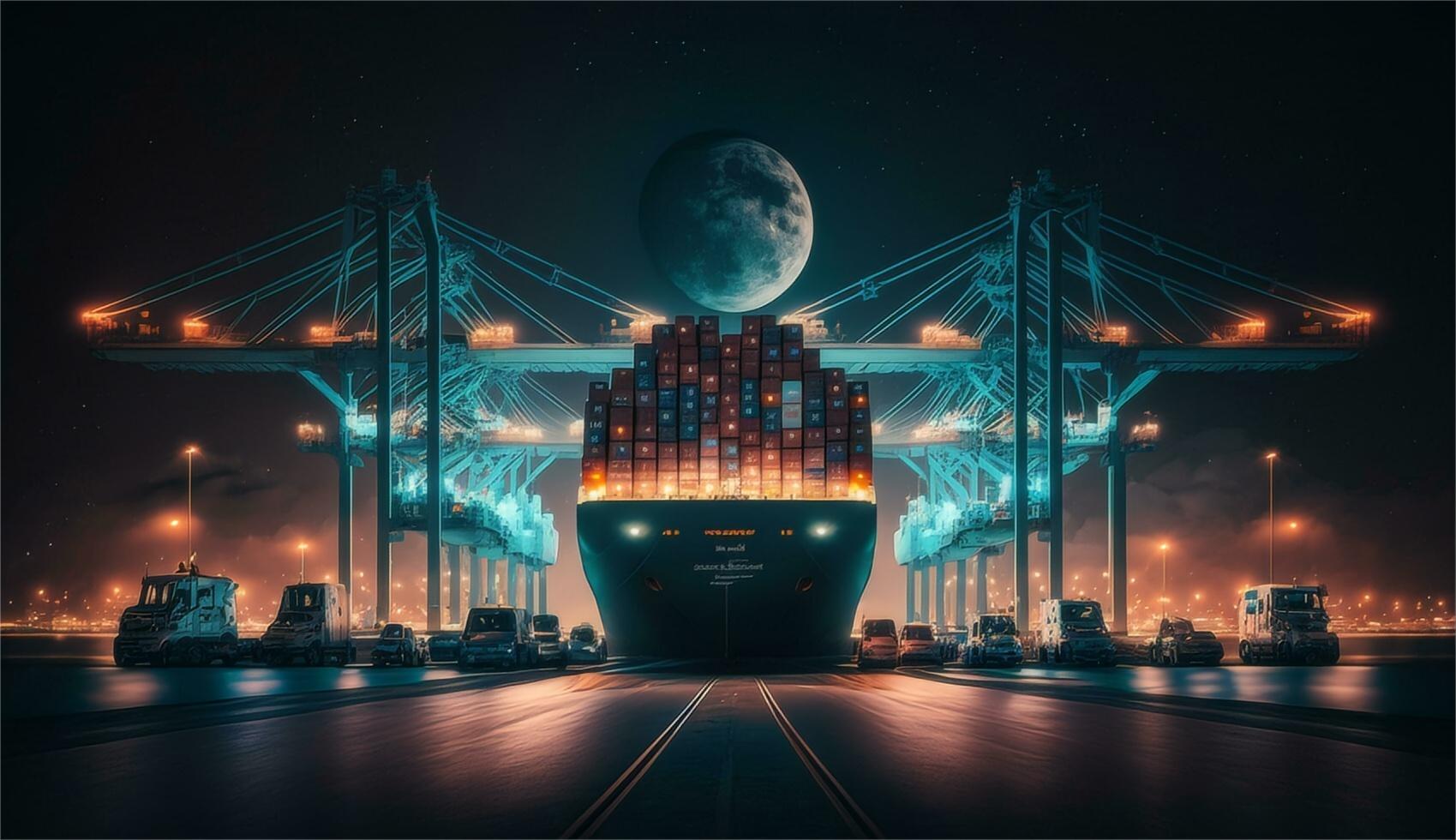
Sailing Schedule for FCL Shipping from China to Los Angeles: 2025 Guide
Navigating the sailing schedule for FCL shipping from China to Los Angeles requires a deep understanding of maritime logistics and port operations. Businesses looking for reliable transport solutions often turn to Top China Freight at Top China Freight to streamline their international trade. This guide explores how to optimize your supply chain by selecting the most efficient routes and carriers for your full container loads.

What is the Sailing Schedule for FCL Shipping from China to Los Angeles?
A sailing schedule represents the planned departure and arrival dates for ocean vessels traveling between specific ports. Consequently, for businesses importing from East Asia, understanding these timelines is essential for inventory management. The sailing schedule for FCL shipping from China to Los Angeles typically involves direct routes across the Pacific Ocean.
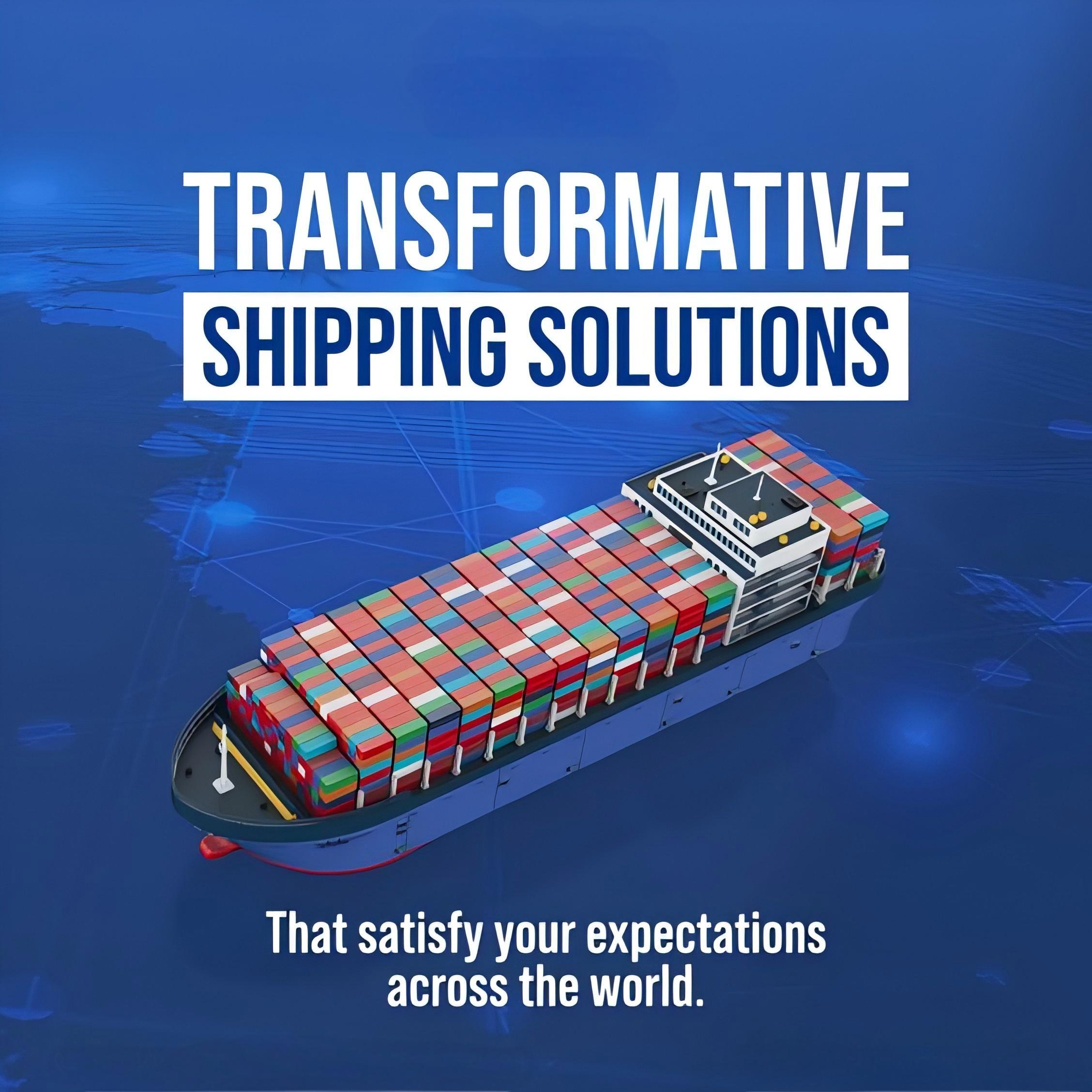
Most major carriers provide weekly departures from primary Chinese hubs like Shanghai, Shenzhen, and Ningbo. Moreover, these schedules include details such as the vessel name, voyage number, and estimated time of arrival. Choosing the right sea freight service ensures that your cargo arrives on time while minimizing overhead costs.
Freight forwarders use these schedules to coordinate drayage and warehouse activities. Therefore, any delay in the departure can have a cascading effect on the entire distribution network. Reliable schedules allow importers to plan marketing campaigns and product launches with greater confidence and precision.
Primary Chinese Ports for Los Angeles Routes
China hosts several of the world’s busiest ports, each offering unique advantages for trans-Pacific shipping. Shanghai remains the top choice for many due to its massive capacity and frequent vessel rotations. Furthermore, the Port of Ningbo-Zhoushan provides an excellent alternative for cargo originating from the Zhejiang province.
In Southern China, the Port of Shenzhen serves as a vital gateway for electronics and consumer goods. Specifically, the Yantian and Shekou terminals offer robust infrastructure for handling high volumes of FCL containers. Each port has a distinct sailing schedule for FCL shipping from China to Los Angeles, with varying cutoff times for documentation and cargo delivery.
Selecting the closest port to your manufacturer can significantly reduce inland trucking costs. Additionally, different ports may experience varying levels of congestion during peak seasons. Understanding these regional nuances helps in selecting the most resilient shipping route for your specific needs.
| Port of Loading | Average Transit (Days) | Frequency | Service Type |
|---|---|---|---|
| Shanghai | 14-16 Days | Daily | Direct |
| Ningbo | 16-18 Days | 5x Weekly | Direct |
| Shenzhen (Yantian) | 13-15 Days | Daily | Direct |
| Qingdao | 18-22 Days | 3x Weekly | Transshipment |
Factors Influencing the Sailing Schedule for FCL Shipping from China to Los Angeles
Weather conditions play a significant role in maritime schedules, especially during the typhoon season in the Pacific. For example, severe storms can force vessels to take longer routes or wait at anchor, leading to delays. Consequently, shippers should always build a buffer into their delivery timelines to account for unpredictable environmental factors.
Port congestion at both the origin and destination remains a critical concern for global logistics. The Port of Los Angeles and the Port of Long Beach often face bottlenecks during the peak shipping months of August through October. Professional customs brokerage services can help mitigate some of these delays by ensuring all paperwork is processed efficiently.
Labor strikes or terminal equipment failures can also disrupt even the most reliable sailing schedules. Furthermore, the availability of empty containers in China can sometimes limit the number of bookings a carrier can accept. Importers must stay informed about global economic trends and labor relations to anticipate potential disruptions in their supply chain.
How Does FCL Shipping Compare to Other Shipping Options?
While FCL shipping is the standard for large volumes, other methods might be more suitable depending on your budget and urgency. For instance, Less than Container Load (LCL) is ideal for smaller shipments that do not require a full 20ft or 40ft box. However, LCL often involves longer transit times due to the consolidation and deconsolidation processes.
Air freight offers the fastest delivery times but comes at a significantly higher price point. Meanwhile, rail freight is a growing alternative for Eurasian routes, though it is not applicable for direct China to USA shipments. Shippers must weigh the trade-offs between speed, cost, and cargo safety when choosing their transport mode.
| Method | Cost Range (USD) | Transit Time | Best For |
|---|---|---|---|
| FCL (40HQ) | $2,800 – $3,800 | 14-18 Days | High Volume Goods |
| LCL (per CBM) | $50 – $120 | 22-28 Days | Small Shipments |
| Air Freight | $5.00 – $8.00/kg | 3-7 Days | Urgent/High Value |
| Express | $8.00 – $12.00/kg | 2-5 Days | Samples/Documents |
Case Study 1: Electronics Shipment from Shenzhen to Los Angeles
Route: Shenzhen, China to Los Angeles, USA. Cargo: Consumer Electronics, 65 CBM, 14,000 kg. Container: 1 x 40HQ. Shipping Details: Carrier: Major Carrier. Port of Loading: Yantian. Port of Discharge: Los Angeles. Route Type: Direct. Cost Breakdown: Ocean Freight: $3,150. Origin Charges: $450. Destination Charges: $600. Customs and Duties: $4,200. Total Landed Cost: $8,400. Timeline: Booking to Loading: 4 days. Sea Transit: 14 days. Customs Clearance: 2 days. Total Door-to-Door: 20 days. Key Insight: Early booking during the off-peak season secured a lower rate and guaranteed space on a fast direct vessel.
This case demonstrates the efficiency of using a direct sailing schedule for FCL shipping from China to Los Angeles. By choosing the Yantian terminal, the shipper avoided the transshipment delays common in smaller ports. Furthermore, utilizing a door to door service simplified the final mile delivery to the warehouse.
Case Study 2: Furniture Import from Ningbo to Los Angeles
Route: Ningbo, China to Los Angeles, USA. Cargo: Wooden Furniture, 28 CBM, 8,500 kg. Container: 1 x 20GP. Shipping Details: Carrier: Global Alliance. Port of Loading: Ningbo. Port of Discharge: Los Angeles. Route Type: Direct. Cost Breakdown: Ocean Freight: $2,200. Origin Charges: $380. Destination Charges: $550. Customs and Duties: $1,100. Total Landed Cost: $4,230. Timeline: Booking to Loading: 6 days. Sea Transit: 17 days. Customs Clearance: 3 days. Total Door-to-Door: 26 days. Key Insight: The shipper saved costs by utilizing a 20GP container instead of LCL, which reduced handling risks for the fragile furniture items.
Importing furniture requires careful planning to avoid damage during the long ocean voyage. Consequently, FCL shipping provides a more secure environment compared to shared LCL containers. Many e-commerce sellers also use Amazon FBA integration to move goods directly from the port to fulfillment centers.
Strategic Planning for Peak Season Schedules
Peak season typically begins in late summer as retailers prepare for the holiday shopping rush. During this time, the sailing schedule for FCL shipping from China to Los Angeles becomes highly competitive and expensive. Shippers often face ‘rolled’ cargo, where containers are bumped to a later vessel due to overbooking.
To avoid these issues, it is advisable to book your shipments at least 3-4 weeks in advance. Moreover, diversifying your port choices can provide more flexibility if one terminal becomes overwhelmed. Maintaining a strong relationship with your freight forwarder is essential for securing space when capacity is tight.
Implementing a multi-carrier strategy can also mitigate the risk of total supply chain failure. If one carrier experiences technical issues or schedule changes, having alternative options ensures your goods keep moving. Indeed, proactive communication with all stakeholders is the best defense against peak season volatility.
Which Option Should You Choose?
If your primary goal is cost-efficiency and you have at least 25-30 CBM of cargo, FCL shipping is almost always the best choice. On the other hand, if you are shipping smaller quantities of high-value goods, air freight might justify its cost through speed and security. For those with flexible timelines, LCL offers a middle ground for smaller volumes.
Consider the nature of your cargo when reviewing the sailing schedule for FCL shipping from China to Los Angeles. Perishable items or seasonal products may require the fastest direct routes regardless of the higher freight rates. To summarize, your choice should align with your budget, inventory needs, and customer expectations.
| Priority | Recommended Method | Key Benefit | Trade-off |
|---|---|---|---|
| Budget | FCL (Sea) | Lowest Unit Cost | Longer Transit |
| Speed | Air Freight | Fast Delivery | High Expense |
| Small Volume | LCL (Sea) | Pay for Space Used | Higher Risk of Damage |
| Reliability | FCL Direct | Fixed Schedules | Requires Full Volume |
Final Thoughts on FCL Shipping Schedules
Mastering the sailing schedule for FCL shipping from China to Los Angeles is a fundamental skill for successful international importers. By understanding port dynamics, transit times, and market trends, you can significantly reduce your logistics costs and improve delivery reliability. Remember that freight rates are subject to change based on fuel costs, carrier capacity, and seasonal demand. Consequently, staying informed and planning ahead will always yield the best results for your business. Contact a professional freight forwarder to navigate the complexities of trans-Pacific shipping and ensure your cargo reaches its destination safely.
Ready to streamline your logistics?
Ready to optimize your supply chain with a reliable sailing schedule for FCL shipping from China to Los Angeles? Contact our expert team today for a personalized quote and professional logistics support. Send Inquiry
Request Quote